

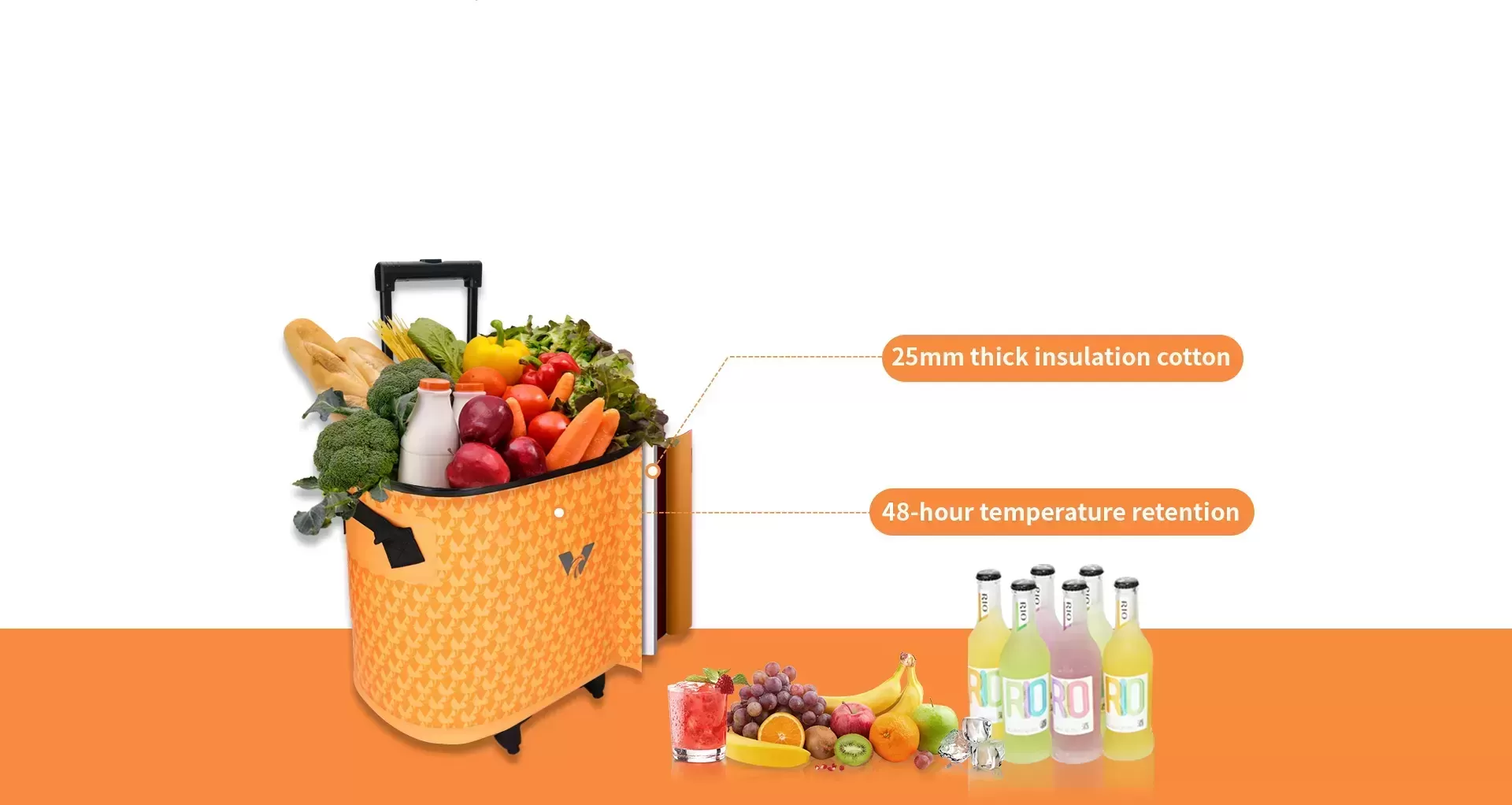
Bulk procurement of thermal insulation bags can seem straightforward. Yet, many supply chain managers face unexpected issues with materials, shipping times, or thermal performance. As a dedicated catering cooler bag factory with years of manufacturing experience, we see these mistakes happen frequently. At weierken, we help clients avoid these procurement traps by offering clear manufacturing insights before production begins.
In the food service industry, a minor design error can ruin your cold chain logistics. Selecting the wrong lining or insulation thickness leads to food spoilage and customer complaints. This guide shares our factory experiences to help you streamline your next bulk purchase.
By understanding how factories operate, you can make better choices regarding design, material selection, and ordering timelines.
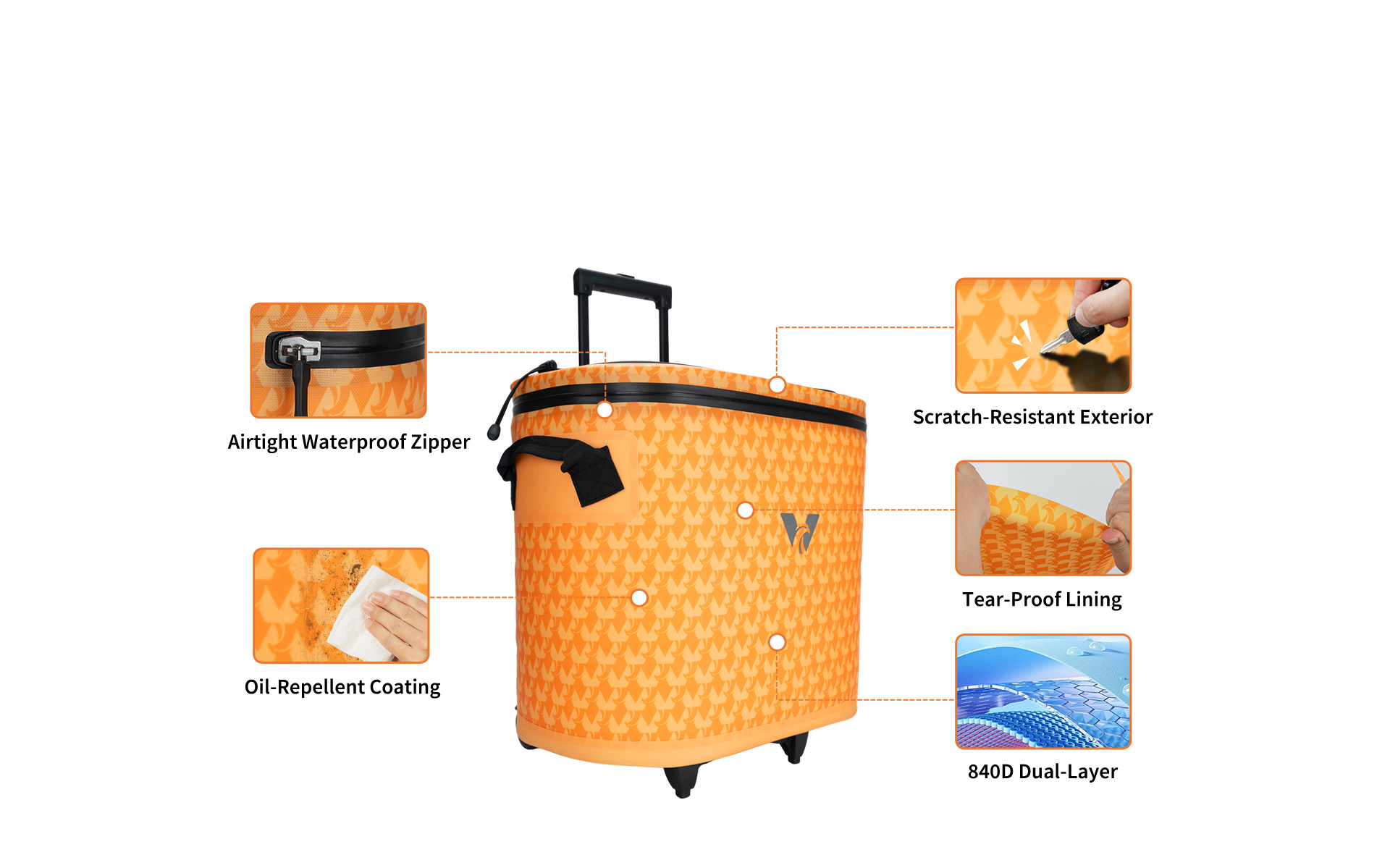
1. Define Your Temperature Control Scenario First
Different food delivery scenarios require distinct materials and structural designs. A generic bag cannot handle both hot lunches and frozen meats. You must match your bag's insulation layers to your specific delivery times.
As a professional catering cooler bag factory, we classify requirements into three primary groups:
Hot Chain Delivery (above 60°C): This setup requires reflective aluminum foil and thick insulation. We recommend an EPE foam thickness of 8mm or more to prevent heat loss through the seams.
Cold Chain Logistics (0°C to 4°C): This setup requires a robust, leakproof inner lining like PEVA or TPU. It should also include dedicated interior mesh pockets for ice gel packs to maintain a stable climate.
Short-Distance Last Mile (30 minutes or less): For quick trips, a lightweight, collapsible cooler bag works best. This design minimizes unit weight and reduces courier fatigue.
Before ordering, share your target temperature retention window with us. A qualified catering cooler bag factory can perform climate-chamber tests to supply decay curves. This prevents you from overpaying for unnecessary insulation thickness or buying under-performing bags.
2. Understanding MOQ as an Efficiency Metric
Many B2B buyers start negotiations by asking to lower the minimum order quantity (MOQ) to 500 units. While most factories can accommodate small runs, understanding the economics behind MOQs helps you plan better budgets. Production efficiency scales significantly with larger batches.
Here is how order volumes affect production at a standard catering cooler bag factory:
Under 500 units: Ideal for initial testing, promotional events, or market trials. However, the unit cost remains high because raw material setups require the same labor as larger runs.
2,000 to 5,000 units: This range represents the sweet spot for medium-sized brands. It allows you to distribute plate fees, mold costs, and setup fees evenly, lowering the unit price of your wholesale cooler bags.
10,000 units or more: At this scale, a factory can optimize fabric layout patterns to minimize scrap material. We can also negotiate volume discounts on raw materials, lowering your cost by 10% to 20%.
If your storage space is limited, weierken offers a flexible "staggered delivery, bulk production" model. This approach lets you lock in lower volume pricing while managing your inventory in smaller, regular shipments.
3. The Four Hidden Costs of Custom Printing
Customizing your brand logo involves more than just a simple printing fee. Many buyers overlook the secondary costs associated with custom patterns. These details can quickly add up if you do not plan for them.
A professional catering cooler bag factory will always warn you about these four hidden expenses:
Plate and Screen Fees: Silk-screen printing and rotogravure printing require physical plates. Each color in your design requires a separate screen or cylinder.
Material Alignment Loss: High-speed printing presses require extra fabric for initial alignment. This calibration process results in a 2% to 5% material waste during setup.
Color Discrepancy Risk: Different dye lots of raw fabrics can cause minor color shifts. To avoid issues, always provide exact Pantone color codes to your manufacturer.
Environmental Compliance Costs: Exporting to regions like Europe and North America requires strict chemical safety. Bags must comply with REACH regulations and remain free from BPA and azo dyes.
To keep costs low, consider simple debossed logos or water-based heat transfers. These methods are eco-friendly, require no expensive plates, and work well for smaller batches of thermal cooler bags.
4. The Total Cost of Ownership Formula
Do not make the mistake of choosing a supplier based solely on the lowest unit price. Cheap alternatives often lead to early product failure. You must look at the overall expenses over the lifespan of the bag.
We suggest using this total cost formula for bulk procurement:
Total Cost = (Unit Bag Price + Freight + Customs Duties) x Quantity +
Sample Fee + Setup Charges + Warehousing Costs
If you select an inexperienced catering cooler bag factory with low quality control standards, you may face:
Torn Binding Seams: High-weight food shipments put immense pressure on seams. Poor stitching leads to structural failure within two months of use.
Broken Zippers: Substandard zippers easily corrode in humid, cold chain conditions. A failed zipper compromises the temperature-controlled packaging.
Blurry or Peeling Logos: Low-quality inks peel off quickly when exposed to sanitizing wipes and moisture. This reflects poorly on your brand.
To avoid these issues, ask your manufacturer for physical testing data. We provide verified lab test reports for zipper strength, seam tension, and fabric durability alongside our samples.
5. Balancing Lead Times and Quality: Factory Scheduling Logic
Understanding how a factory schedules production is key to securing your supply chain. Factories experience seasonal rushes that can delay your shipping date if you plan poorly. Timing your orders correctly saves money and reduces stress.
The production calendar at a typical catering cooler bag factory follows a seasonal rhythm:
Peak Season (Q2 to Q3): High demand for summer deliveries fills production lines quickly. We recommend placing bulk orders at least 45 days in advance.
Off-Peak Season (Q1 and late Q4): Production lines are less busy during these periods. This is an excellent time to request free samples or develop new designs.
If you have an urgent delivery deadline, consider a split shipment strategy. Ask your catering cooler bag factory to ship an initial 30% of the order by air or fast vessel to cover your launch. The factory can then send the remaining balance via standard sea freight.
Strengthen Your Delivery Infrastructure
Purchasing high-quality bulk food transport bags requires careful attention to materials, real-world testing, and volume economics. Working with a dedicated manufacturing partner makes the process straightforward. It ensures your food stays safe and your operational costs remain low.
At weierken, we focus on providing durable, high-performance thermal products for commercial food operations. We combine precise engineering with transparent pricing to help you manage your logistics costs. Our team has the technical expertise to guide you through every step of production.
Are you planning your next bulk procurement of thermal bags? Contact our commercial support team today to discuss your project requirements. Our engineering team at our catering cooler bag factory is ready to assist you. Request a quote or order a custom prototype to verify our quality firsthand.
Frequently Asked Questions
Q1: How does a catering cooler bag factory prevent water leakage in cold-chain bags?
We use high-frequency heat-sealing technology rather than traditional stitching on the interior liner. This process fuses the PEVA food grade lining together, creating a seamless barrier that prevents melted ice from leaking through the seams of the bag.
Q2: What is the standard lifespan of a commercial-grade thermal cooler bag?
A high-quality bag built for daily logistics usually lasts between 12 to 18 months. Lifespan depends heavily on handling, cleaning routines, and weight loads. Using heavy-duty materials like 1680D polyester significantly extends durability.
Q3: How do plate fees work when ordering custom designs from a catering cooler bag factory?
Plate fees are one-time charges paid to create the physical printing screens or cylinders for your logo. If you reuse the exact same design and bag size in future orders, you will not have to pay these setup fees again.
Q4: Can we order replacement parts like shoulder straps or inner dividers separately?
Yes. We offer modular designs where dividers, hard bottom plates, and shoulder straps can be ordered separately. This allows you to replace worn parts without buying entirely new bags, lowering your overall maintenance costs.
Q5: What safety certifications should I check when sourcing from a catering cooler bag factory?
You should verify that the factory uses FDA-compliant or LFGB-certified inner linings for direct food contact. Additionally, check for chemical safety certificates such as REACH, RoHS, or BPA-free certifications to ensure the products are safe for daily commercial use.