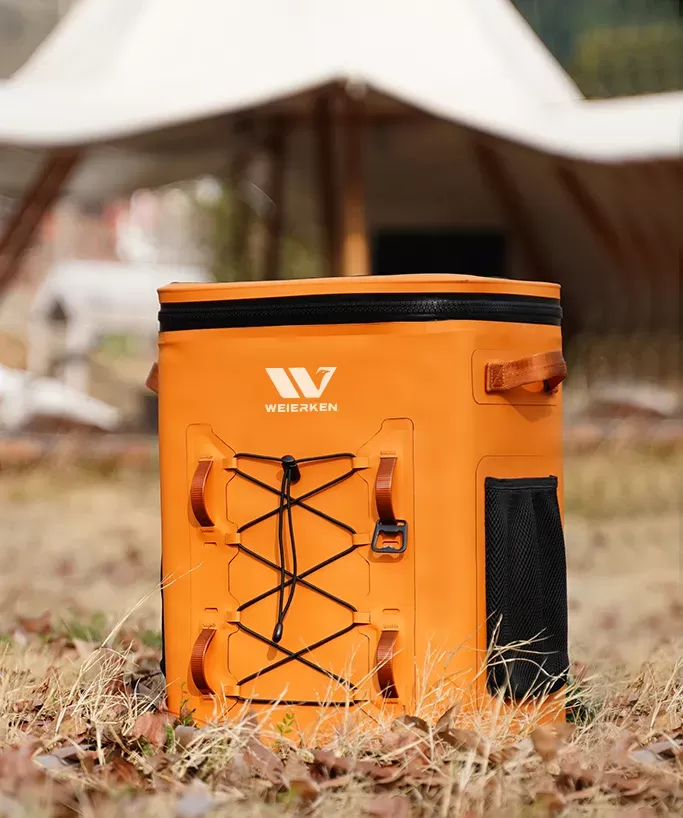


The last-mile delivery sector faces continuous pressure to perform under tight timelines. Sourcing managers for supermarkets and meal-kit services face a common, difficult challenge. They must ensure that cold items stay frozen and hot meals remain warm during long transit routes.
Standard grocery bags cannot handle these strict thermal demands. Using low-quality thermal carriers often leads to melted ice cream, lukewarm meals, and unhappy customers. To prevent these costly issues, logistics operations require specialized manufacturing partners.
Working with an experienced grocery thermal tote maker like weierken helps companies secure reliable thermal packaging. By focusing on advanced materials and durable construction, we help brands maintain food safety from the store directly to the consumer's doorstep.
Material Science and Multi-Temperature Control
Thermal performance starts with material science. A bag must prevent heat transfer through conduction, convection, and radiation. Choosing the correct insulated grocery bag materials determines how long a carrier can maintain its target temperature.
High-quality thermal totes use a three-layer composite structure. Each layer serves a specific function to ensure reliable performance during multi-stop delivery routes.
The standard composition for professional cold chain delivery bags includes:
The Outer Shell: Typically made of 600D Oxford cloth, heavy-duty non-woven fabric, or recycled rPET. These materials resist tearing, block external wind, and withstand daily abrasion.
The Insulation Core: Expanded Polyethylene (EPE) foam or Cross-linked Polyethylene (XPE) foam. Thicknesses usually range from 3mm to 8mm, providing critical heavy-duty thermal insulation.
The Inner Lining: Aluminum foil or leak-proof PEVA. Aluminum foil reflects radiant heat back inside, while PEVA provides a seamless, waterproof barrier that keeps moisture contained.
Choosing the right combination of these materials depends on your delivery window. For quick 30-minute local deliveries, lightweight foam cores work well. For longer 4-hour grocery routes, thicker polyurethane or dual-layer EPE foam is necessary to prevent temperature drops.
Engineering Durability for High-Frequency Delivery
In commercial food delivery, a carrier bag might be opened, closed, packed, and unpacked dozens of times a day. If a zipper breaks or a seam rips, the bag becomes useless. This structural failure increases overall operational costs.
To prevent early wear and tear, a professional manufacturer designs carriers specifically for high-use commercial environments. They pay close attention to stress points that commonly fail on standard consumer bags.
When purchasing reusable thermal bags bulk shipments, look for these specific structural features:
Reinforced Stitching: Look for cross-stitching (X-box patterns) where the handles meet the bag body. This distributes heavy weight and prevents the handles from tearing away.
Heavy-Duty Zippers: Standard zippers quickly fail under heavy use. Commercial bags should use thick nylon coil zippers (size #5 or #8) with reinforced metal pull tabs.
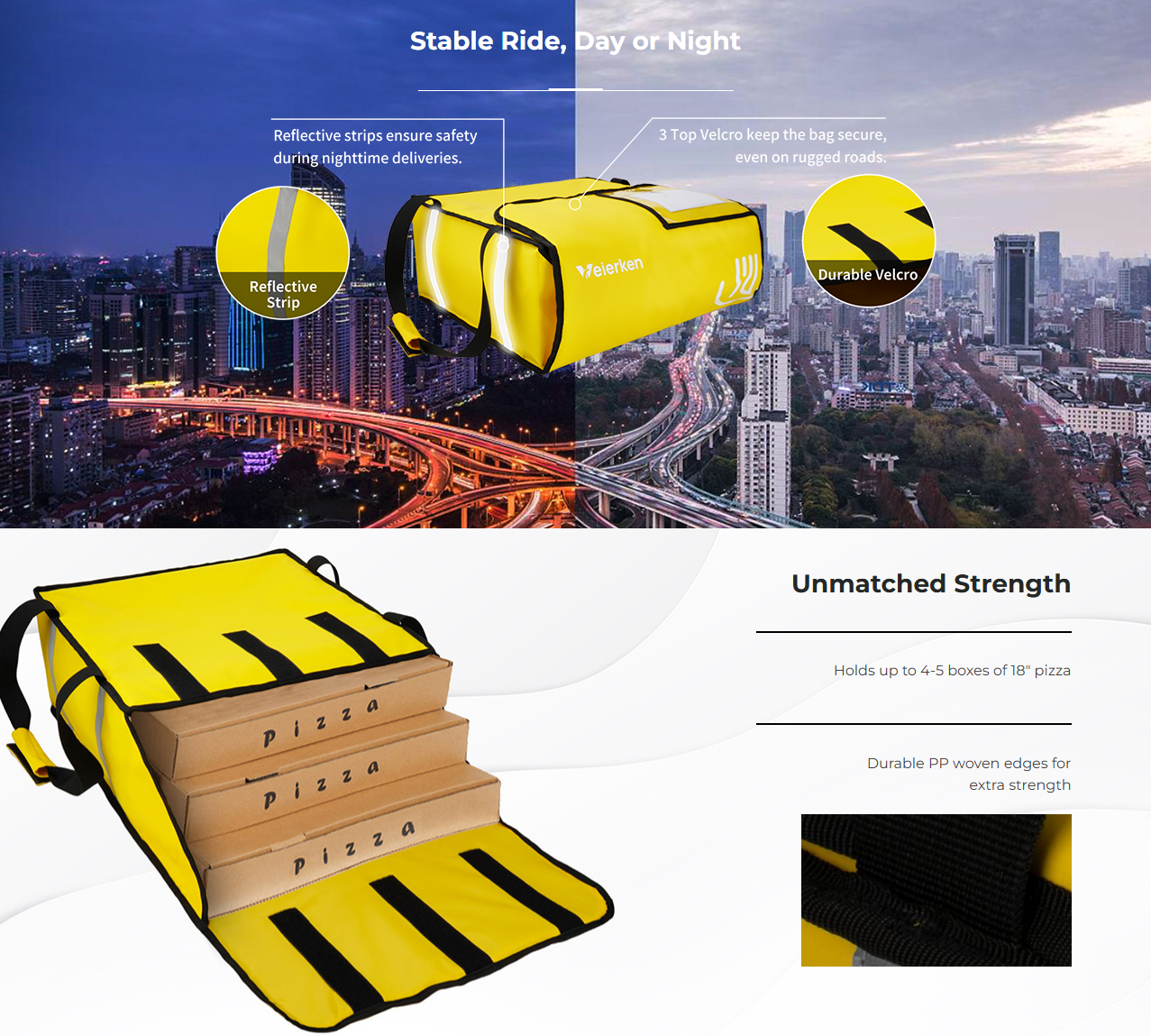
Protective Base Plates: Removable plastic base boards distribute the load evenly. This prevents the bottom of the bag from sagging when carrying heavy liquids or glass bottles.
Abrasion-Resistant Bottoms: Adding rubber feet or double-layer fabric to the base of the bag protects it when drivers place it on rough concrete or wet pavement.
Using durable food delivery totes with reinforced stitching grocery bags ensures your equipment lasts for hundreds of delivery cycles. This long-lasting durability directly lowers your cost per delivery over time.
Customization and Brand Exposure
For modern delivery fleets, every courier acts as a walking billboard. Customized delivery bags help increase local brand awareness while improving daily delivery workflows for your drivers.
Working with an established custom grocery tote manufacturer like weierken allows you to modify the bag's physical design to fit your exact operational needs.
Common customization options for OEM food delivery bags include:
Adjustable Interior Dividers: Movable Velcro shelves allow couriers to separate hot food from cold drinks inside a single bag.
External Pocket Slipcases: Transparent plastic pockets hold delivery receipts, order manifests, or route sheets safely and visibly.
Safety Reflective Strips: High-visibility silver strips sewn onto the exterior panels keep bicycle and motorcycle couriers safe during night deliveries.
Sizing for Delivery Crates: Custom dimensions ensure the thermal totes fit perfectly inside standard plastic delivery crates or vehicle trunks without wasting space.
When purchasing custom printed insulated bags, choose printing methods that can withstand weather and wear. Silk-screen printing works best for simple, bold logos. For complex, multi-colored designs, thermal transfer printing keeps your branding sharp and vibrant, even after exposure to rain and sunlight.
Food Safety, Compliance, and Sustainability
Packaging that directly contacts food containers must meet strict hygiene and safety standards. If condensation builds up inside a thermal bag, it can create a breeding ground for bacteria if the lining is difficult to sanitize.
Our production lines at weierken focus on safety and compliance. We ensure all interior linings are easy to clean and completely safe for daily food contact.
Consider these essential compliance and safety factors for your delivery program:
Food-Contact Safe Materials: Ensure your manufacturer uses linings that are certified as food contact safe thermal bags. These materials must be free of BPA, lead, and phthalates.
FDA and LFGB Compliance: Using FDA compliant delivery bags protects your business from regulatory issues and ensures high safety standards for your customers.
Antibacterial and Odor-Resistant Linings: Sealed PEVA linings prevent liquid spills from soaking into the foam insulation. This allows drivers to quickly wipe the interior clean with a sanitizer cloth between runs.
Eco-Friendly Alternatives: Many modern brands now require eco-friendly insulated grocery totes made from recycled post-consumer plastics (rPET) to meet their corporate sustainability goals.
How to Evaluate and Choose a Thermal Bag Manufacturer
Sourcing from the wrong supplier can lead to manufacturing delays, poor print quality, or inconsistent thermal performance. Sourcing managers need a clear, objective checklist to properly evaluate a potential bulk insulated tote bags factory.
Before signing a contract or sending a deposit, ask your manufacturing candidate to provide verification for the following steps.
1. Verify Factory Certifications
Ensure the factory holds recognized international certifications. A reliable grocery tote maker should have ISO9001 for quality management and BSCI or Sedex certificates for social compliance. These audits prove the factory maintains consistent manufacturing standards and fair working conditions.
2. Request Physical Material Samples
Never place a bulk order based on digital renderings alone. Request a physical prototype made with your specified foam thickness and outer fabric weight. Test the prototype under real delivery conditions to verify its thermal insulation and seam strength.
3. Clarify Lead Times and Minimum Order Quantities (MOQs)
Ask about raw material stock levels and seasonal production capacity. A stable supplier should offer clear, predictable timelines for both sample development and mass production. They should also provide flexible MOQ options to help you scale your delivery program over time.
The table below outlines what to expect during a standard sourcing timeline with an experienced supplier:
| Project Phase | Typical Timeline | Key Deliverables |
|---|---|---|
| 1. Design & Specification | 3 - 5 Days | Tech pack approval, material selection, and cost estimation. |
| 2. Sample Development | 7 - 10 Days | Physical prototype delivered to your office for real-world testing. |
| 3. Mass Production | 25 - 35 Days | Bulk manufacturing, strict in-line QC checks, and final packaging. |
| 4. Shipping & Logistics | 15 - 40 Days | Customs clearance documentation, sea/air transport, and final delivery. |
Partnering for Reliable Last-Mile Delivery
In the competitive food delivery market, the quality of your thermal carrier directly impacts your customer experience. Broken zippers, leaking interiors, or cold meals can hurt your brand's reputation and lead to lost business.
Choosing a professional sourcing thermal bags supplier like weierken ensures your fleet uses high-performing, durable delivery gear. Our strict material selection, reinforced assembly, and compliant manufacturing processes keep your deliveries safe and fresh on every route.
Are you ready to improve your delivery operations with durable, customized thermal packaging? Contact our engineering team today to discuss your project requirements, request a physical sample, or receive a detailed production quote.
Frequently Asked Questions
1. How many hours can a high-quality thermal tote keep food cold?
A standard bag with 5mm EPE foam can keep food cold for about 2 to 3 hours under normal outdoor temperatures. By adding gel ice packs and using thicker 8mm foam, you can extend this cooling window to 4 or 5 hours.
2. What is the minimum order quantity (MOQ) for custom printed thermal bags?
MOQs typically range from 500 to 1,000 bags per design, depending on the complexity of your custom dimensions and the color requirements of your logo. Please contact our team to discuss flexible options for initial trial orders.
3. How do you clean and sanitize the interior lining of the bags?
The interior PEVA and aluminum foil linings are completely waterproof. Drivers can clean them quickly by wiping the surface with a damp cloth and mild sanitizing spray. Avoid machine washing or using harsh bleach, as this can damage the thermal layers.
4. Can these thermal bags be recycled at the end of their lifespan?
Bags made with rPET outer fabrics and PEVA linings are much easier to recycle than multi-material composite bags. We recommend working with your manufacturer to select single-family plastics if complete end-of-life recyclability is a priority for your brand.
5. Can you manufacture bags that fit onto motorcycle delivery racks?
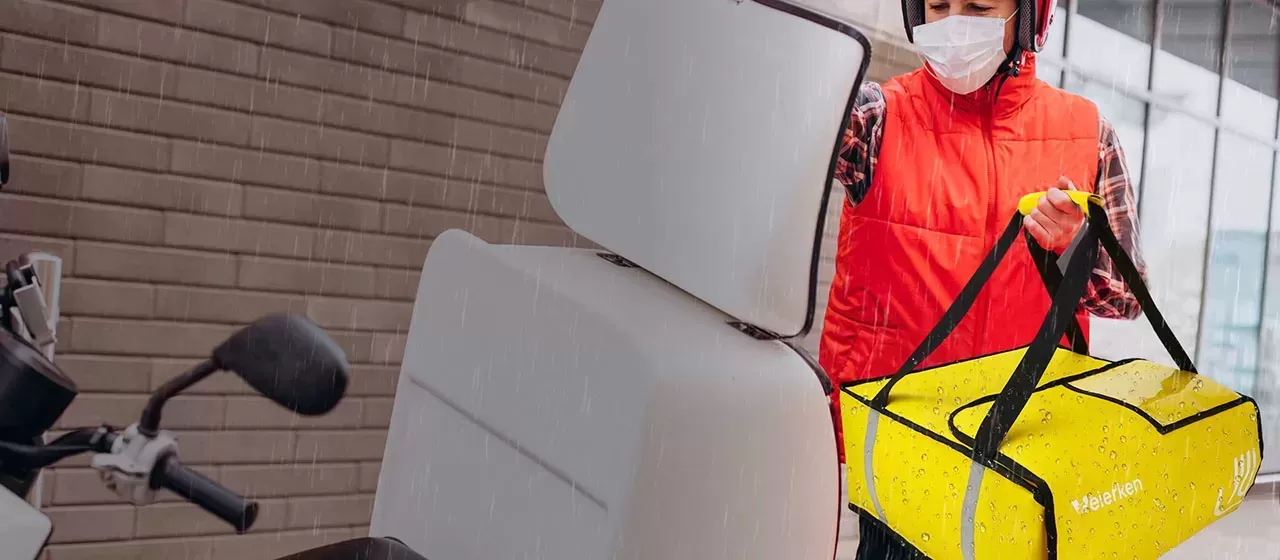
Yes. We can customize the dimensions, base plates, and attachment straps to ensure your thermal totes mount securely to standard motorcycle racks, bicycle baskets, or scooter platforms.