


Many businesses now rush to replace traditional packaging with recycled alternatives. Driven by environmental regulations and consumer demand, this shift seems straightforward. However, sourcing recycled materials introduces unexpected technical hurdles.
Recycled plastics often suffer from physical inconsistencies. Brands frequently report issues like unexpected odors, color shifts, and weak seams. These flaws can damage a brand's reputation and lead to costly product returns.
Choosing a qualified GRS certified maker like weierken is about more than just obtaining a certificate. It is about working with a partner that uses standardized manufacturing processes. This ensures your eco-friendly bags meet strict commercial standards for durability and safety.
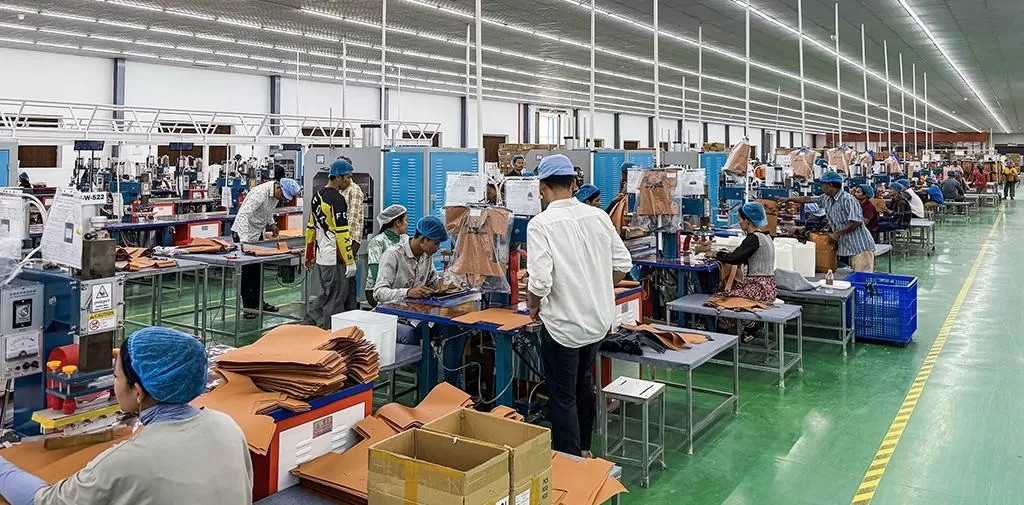
What Does It Mean to Be a Qualified GRS Certified Maker?
The Global Recycled Standard (GRS) is not just a label showing the percentage of recycled content. It is a comprehensive tracking and auditing system. It covers the entire supply chain, from the raw material processor to the final bag manufacturer.
A reliable GRS certified manufacturer must comply with four core pillars of the standard. These pillars ensure that the finished packaging is truly sustainable and ethically produced.
1. Strict Material Segregation
In a GRS-certified facility, workers must keep recycled materials separate from virgin materials. This prevents accidental mixing during storage, processing, and packaging.
Dedicated storage zones for post-consumer recycled (PCR) materials.
Clearly labeled production lines reserved only for recycled runs.
Regular clean-down procedures for machinery to avoid cross-contamination.
2. Traceability Across the Supply Chain
Every step of the manufacturing journey must be documented. A certified factory maintains clear records of where raw materials were purchased. This ensures complete traceability in recycled packaging from start to finish.
3. Social and Environmental Responsibility
The factory must provide safe working conditions for its employees. This includes fair wages, reasonable working hours, and the complete absence of forced labor. Additionally, the facility must monitor and minimize its energy and water usage.
4. Chemical Restrictions (MRSL)
Recycled plastics must not contain harmful chemical residues. Certified factories must comply with the Manufacturing Restricted Substances List (MRSL). This guarantees that the final packaging is safe for consumer handling.
Overcoming Quality Defects in Recycled Bag Production
Recycled polymers like rPET and rPP behave differently than virgin plastics. During the recycling process, the plastic molecules undergo multiple heat cycles. This thermal stress can shorten the polymer chains, making the material brittle.
A professional rPET/rPP packaging supplier like weierken uses specific manufacturing techniques to address these material weaknesses. They ensure that recycled shopping bags, drawstring bags, and pouches perform reliably in daily use.
High-Precision Impurities Filtration
Post-consumer waste often contains tiny particles of paper, adhesive, or incorrect plastics. If these contaminants enter the extrusion process, they create weak spots in the plastic film. High-quality manufacturers install multi-stage, fine-mesh filtration systems in their extrusion lines to remove these microscopic impurities.
Scientific Blending of PCR and PIR
To balance environmental claims with structural strength, manufacturers carefully manage raw materials. They combine post-consumer recycled (PCR) plastic with post-industrial recycled (PIR) plastic. PIR material usually undergoes less thermal damage, which helps restore the physical strength of the blend.
Precise Color Consistency Control
Recycled raw materials naturally vary in color, often showing a yellow or grey tint. Experienced makers do not simply add heavy chemical dyes to cover this up. Instead, they use advanced color spectrometers and precise dosing equipment to maintain a consistent shade across different production batches.
Closed-Loop QC in Recycled Bag Production
Quality cannot be inspected into a bag at the very end; it must be built into every step of the process. Managing recycled bag production QC requires a more rigorous testing protocol than working with virgin plastics.
A reliable factory maintains a dedicated quality control lab. Technicians perform several critical tests before, during, and after the production run.
Our partners at weierken implement a strict testing workflow to maintain high quality standards:
Melt Flow Index (MFI) Testing: Technicians test every incoming batch of recycled resin. This measurement helps adjust the extrusion machinery temperature to prevent brittle spots.
Tensile and Elongation Testing: Specialized machines pull samples of the recycled fabric or film. This test confirms that the material can stretch and resist tearing under heavy loads.
Seam and Handle Strength Testing: Because recycled materials can be difficult to heat-seal or sew, the factory performs load tests specifically on the seams and handles.
Smell and Volatile Compound Tests: Recycled materials can sometimes carry a distinct plastic odor. Testing ensures that any residual smell is kept well below acceptable limits.
How B2B Buyers Can Verify a Manufacturer's GRS Credentials
As demand for sustainable packaging increases, some suppliers use misleading claims. Sourcing managers must know how to verify a factory's actual certification status to avoid compliance issues.
Follow these two steps to confirm that your packaging supplier is authorized to produce GRS-compliant products.
Step 1: Verify the Scope Certificate (SC)
The Scope Certificate proves that the factory is certified to manufacture specific product categories under the GRS standard. Ask the supplier for a copy of their SC and check the following details:
Confirm the factory's legal name and address match the certificate.
Verify that the certificate is still valid and has not expired.
Check the "Product Categories" section to ensure they are certified for "Bags" or "Packaging."
Verify the certificate authenticity directly on the official Textile Exchange database.
Step 2: Require a Transaction Certificate (TC) for Every Order
The Scope Certificate alone does not prove that your specific shipment contains recycled materials. For that, you need a Transaction Certificate (TC) for bags. The TC is issued by an independent certifier and tracks the raw material directly to your order.
Make sure to include a clause in your purchasing contract stating that the supplier must provide a valid TC for each delivered batch. This certificate is the only legal proof your brand can use to back up environmental claims on your packaging.
The diagram below outlines how the GRS documentation flow works for a typical import order:
1:Recycled Material Source ——(出具TC)——> Yarn/Film Extruder
2:Yarn/Film Extruder ——(出具TC)——> Bag Factory
3:Bag Factory ——(出具TC)——> Your Brand
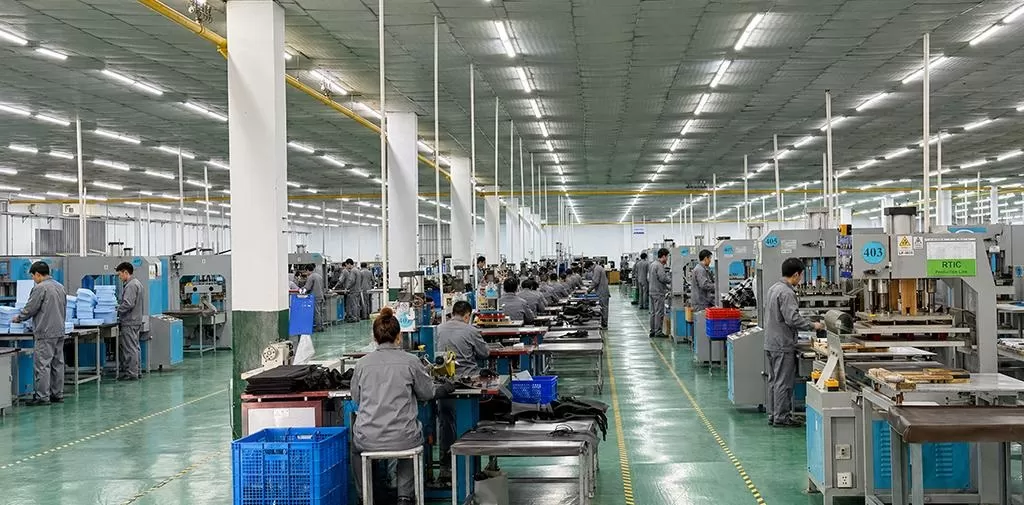
Securing Your Sustainable Supply Chain
Transitioning to recycled packaging is an important step toward reducing your environmental footprint. However, sustainability should not come at the cost of product quality or durability. A weak bag that tears easily fails to serve its ecological purpose.
Partnering with an experienced GRS certified maker like weierken helps secure your supply chain. It ensures that your packaging meets legal requirements while protecting your products during shipping and handling.
Are you looking to transition your product packaging to high-quality recycled materials? Contact our team today to request a quote, view our material samples, and verify our certification documents.
Submit an Inquiry Today
Frequently Asked Questions
1. What is the difference between PCR and PIR in recycled bags?
PCR (Post-Consumer Recycled) materials come from items that have been used and recycled by household consumers, such as water bottles. PIR (Post-Industrial Recycled) materials come from factory waste and manufacturing scrap. PCR is often preferred for environmental claims, but PIR typically offers better physical strength.
2. Can I print custom colors on GRS-certified bags?
Yes. A professional manufacturer can print custom colors using eco-friendly water-based or soy-based inks. They also use precise color-matching techniques to ensure your brand colors remain consistent, even on grey or off-white recycled materials.
3. How long does it take to get a Transaction Certificate (TC) for my order?
It typically takes between 2 to 4 weeks after the goods are shipped for the third-party certification body to issue the TC. Your manufacturer must submit the shipping documents and raw material invoices to clear this process.
4. Does using recycled materials increase the unit cost of packaging bags?
Recycled resins often carry a slight price premium of 10% to 20% compared to virgin plastics. This is due to the additional collection, sorting, washing, and testing processes required. However, these costs are often offset by reduced environmental taxes and improved brand loyalty.
5. Is there a minimum recycled content percentage required for GRS certification?
Yes. To carry the GRS logo on your final product, the packaging must contain at least 50% recycled content. However, products with at least 20% recycled content can still be certified under the standard, though they cannot use the consumer-facing GRS logo.