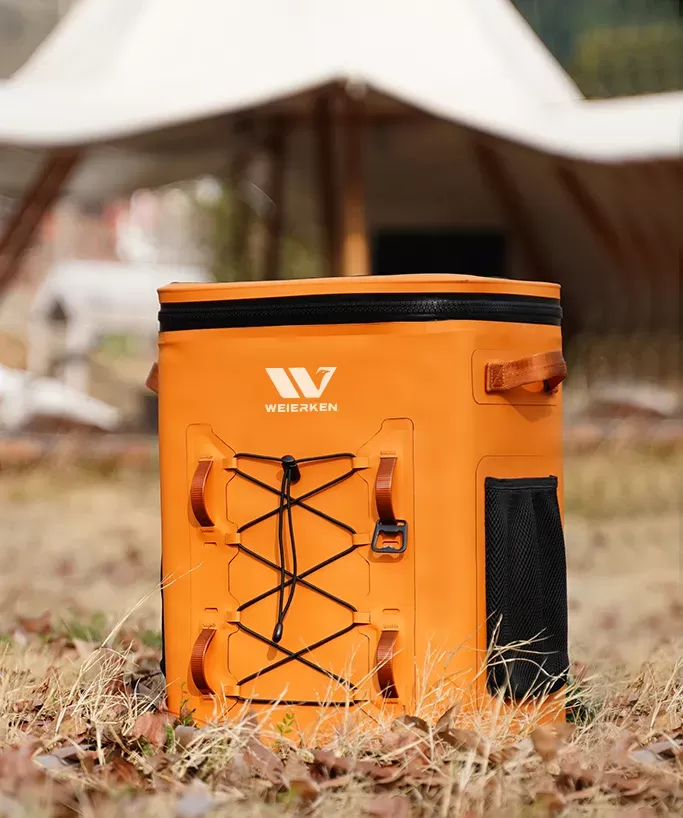

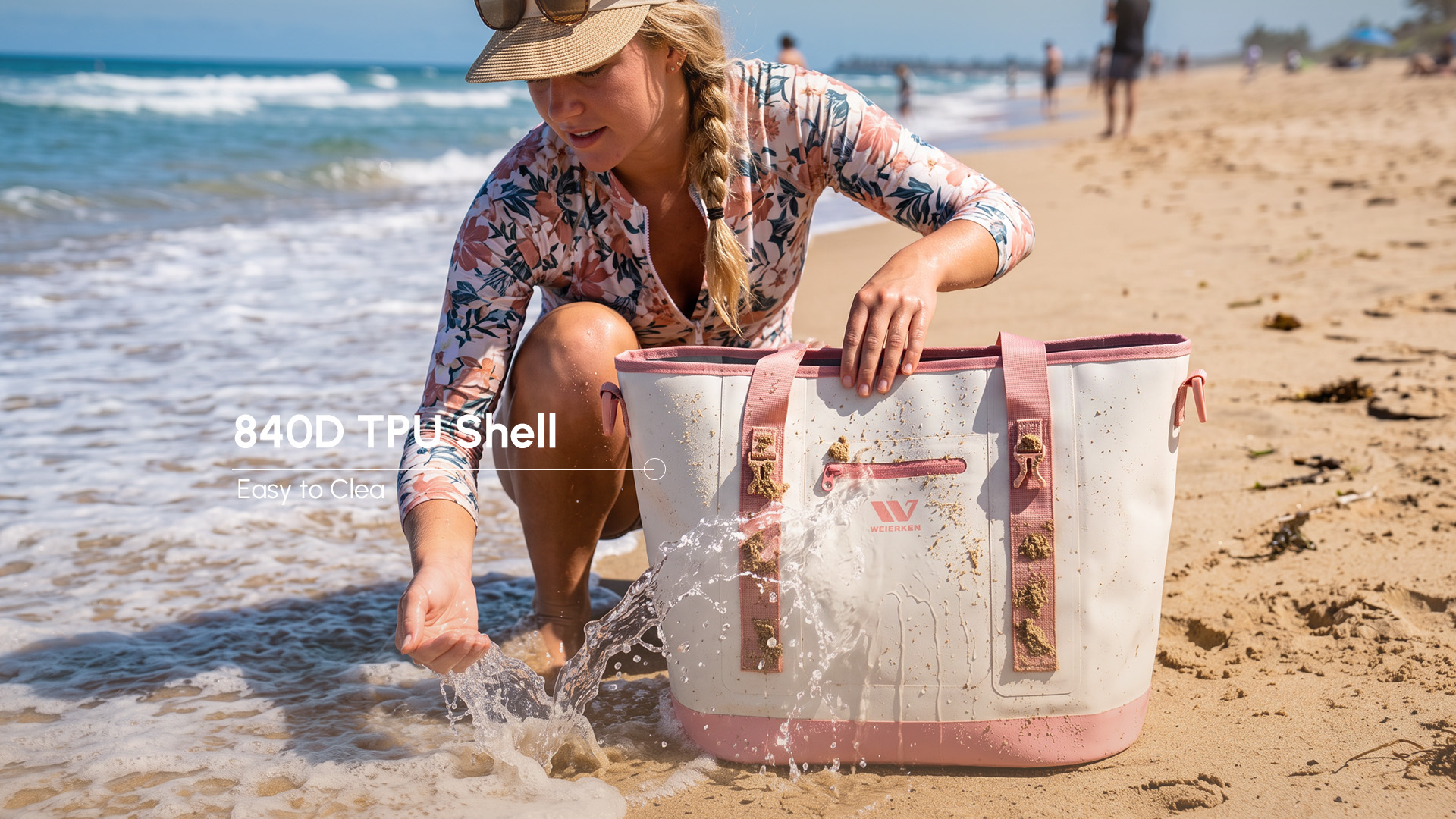
Outdoor gear takes a beating. Whether your customers drag their gear through torrential downpours, throw it into the back of pickup trucks, or haul it onto muddy riverbanks, they expect complete water protection and rugged strength. If a seam fails or a zipper tears during an expedition, the user’s gear gets soaked, and your brand takes the hit.
Poor manufacturing quality quickly leads to high return rates, costly warranty claims, and damaged brand equity. When sourcing a reliable partner, buyers must look beyond glossy marketing decks and polished golden samples. You need to inspect the factory floor, the machinery, the raw materials, and the quality management systems.
This guide explains how to thoroughly audit a custom waterproof travel duffel manufacturer to ensure your production run meets strict commercial standards for long-term durability. Industry-leading OEMs like Weierken set the benchmark for these production criteria, providing clear checkpoints for your next factory evaluation.
1. Material Engineering and Seam Construction
Durability begins at the molecular level. A travel duffel can only withstand severe abuse if the base textile and the bonding methods are built to handle mechanical stress and environmental exposure.
Base Fabric Substrates and Coatings
Inspect the supplier's material storage and incoming quality control (IQC) processes. Ask whether they can supply and process different grades of heavy-duty materials based on your target weight and price points:
Thermoplastic Polyurethane (TPU): Highly abrasion-resistant, flexible in cold temperatures, and fully recyclable. Check for 420D, 840D, or 1000D ripstop variants.
Polyvinyl Chloride (PVC) Tarpaulin: An economical, ultra-tough choice for heavy-duty commercial transport.
Recycled PET (rPET): Sustainable polyester derived from post-consumer plastics, paired with a TPU laminate for eco-conscious product lines.
High-Frequency Welding vs. Traditional Stitching
Traditional sewing needles punch thousands of tiny holes straight through the fabric. Taping these needle holes can work for light rainwear, but it often fails on heavy-load bags under intense hydrostatic pressure.
A specialized high-frequency welding bag manufacturer uses radio frequency (RF) energy or hot-air fusion to melt polymer layers together at the molecular level. During your factory walk-through, look for the following production capabilities:
Dedicated RF welding machinery with customized tooling for curved duffel corners.
Consistent weld widths (typically 10mm to 15mm) showing zero bubbling or uneven burning.
Bar-tack reinforcements on high-stress grab handles that are welded behind waterproof backing patches.
With 20 years of technical outdoor gear manufacturing experience, Weierken uses advanced RF welding alongside reinforced bonding techniques, eliminating water ingress points across critical stress nodes.
Hardware and Trims
A bag is only as strong as its weakest component. Inspect the hardware bins to verify component authenticity. A dependable heavy-duty duffel bag OEM should build your product using top-tier hardware, including:
Airtight and water-resistant zippers (such as YKK AquaGuard or specialized airtight teeth zippers).
Impact-resistant buckles from established brands like Duraflex, ITW Nexus, or Woojin.
High-tensile nylon webbing capable of bearing loads exceeding 50 kg without stretching or fraying.
2. In-House Quality Control and Laboratory Stress-Testing
Do not simply take a manufacturer's word regarding their product specs. A top-tier factory must operate an on-site testing lab equipped with calibrated machines to validate physical performance at every production stage.
Hydrostatic Head and Ingress Protection Testing
Verify whether the factory can measure and document waterproof ratings:
IPX6 Testing: High-pressure water jets fired from all angles to test heavy rain and ocean splash performance.
IPX7/IPX8 Testing: Submersion tanks that hold the duffel underwater at specific depths to confirm airtight seam integrity.
Suter Hydrostatic Tester: Applies water pressure to the fabric and welded seams up to 10,000mm+ H2O to check for micro-leaks.
Mechanical Stress and Abrasion Testing
During the audit, check if the factory tests the physical durability of hardware, straps, and coatings:
Jerk and Drop Testers: Machines that repeatedly lift and drop a fully loaded duffel by its carry handles to test strap reinforcement.
Tensile Strength Testers: Pulls fabrics, webbing, and welded joints until they break to verify maximum load thresholds.
Taber Abrasion Testers: Evaluates how many friction cycles the TPU or PVC coating can withstand before wearing down to the base fabric.
Salt Spray Chambers: Tests metal sliders and snaps for corrosion resistance, which is essential for marine environments.
Factories that enforce strict, multi-stage QC protocols achieve a first-pass yield rate of 99.5% or higher, saving you from expensive overseas returns and customer service headaches.
3. Prototyping Precision and Mass Production Consistency
Bridging the gap between an initial design file and a production-ready bag requires engineering expertise. A reliable durable outdoor bag supplier must demonstrate speed, precision, and tight tolerance control in their sample room.
Look at how the factory handles early-stage development:
Dedicated Sampling Workshop: Look for independent pattern makers, CAD stations, and laser cutters dedicated solely to sample creation.
Design for Manufacturability (DFM): The engineering team should review your tech pack and suggest functional improvements that boost durability while controlling production costs.
Sampling Turnaround: High-complexity outdoor bags typically take 12 to 30 days to build from scratch. Standard designs should take significantly less time.
When the production run starts, verify that the factory uses approved pre-production samples (Golden Samples) directly on the line to keep every run identical to the approved spec.
4. Supply Chain Resilience and Dual-Factory Strategy
Geopolitical tensions, raw material shortages, and shifting import tariffs make supply chain stability a top priority for global brands. A modern sourcing strategy requires flexibility and geographic balance.
The China + Cambodia Manufacturing Setup
An established China Cambodia bag manufacturing footprint provides distinct strategic benefits:
China Facilities: Ideal for rapid prototyping, complex technical builds, access to premium raw materials, and small-to-medium production runs.
Cambodia Facilities: Optimized for high-volume mass production, offering lower labor costs and favorable export tariff treatments to key Western markets.
Running a dual-facility production model protects your inventory pipeline against regional lockdowns, shipping port bottlenecks, and sudden regulatory changes.
Logistics and DDP Solutions
A full-service manufacturing partner should offer comprehensive shipping options. Look for suppliers that manage end-to-end Delivered Duty Paid (DDP) freight logistics. This service covers export clearances, ocean transport, customs clearance, and domestic delivery directly to your regional fulfillment centers.
5. Social Compliance, Audits, and International Certifications
Durability also means building an ethical, sustainable supply chain. Leading retailers and modern consumers expect your manufacturing partners to uphold clean labor practices and environmental standards.
Ask for valid, current third-party audit reports and compliance certificates, such as:
BSCI & SEDEX (SMETA): Verifies ethical labor standards, safe working conditions, and fair wages.
ISO 9001: Confirms a documented, systematic quality control and process management standard.
Global Recycled Standard (GRS): Tracks and verifies recycled content across the entire supply chain.
REACH & RoHS: Ensures all fabrics, coatings, and plastic hardware are free from hazardous chemicals, phthalates, and heavy metals.
6. Evaluating Factory Communication and Project Management
A successful manufacturing partnership depends heavily on clear, honest communication. Misunderstandings around tech packs, fabric weights, or tolerance limits can ruin an entire production run.
Assess your supplier using these communication criteria:
Direct Technical Support: The engineering team should participate in technical meetings rather than passing all communication through a non-technical sales rep.
Milestone Tracking: The supplier must provide regular production timelines, including IQC sign-off, inline inspection dates, and packing schedules.
Fluent Language Skills: Your account managers should speak clear business English to keep project details accurate and avoid costly errors.
By acting as an extension of your own product development team, an experienced manufacturer like Weierken helps you catch design oversights early, protect your margins, and hit your target launch dates.
Frequently Asked Questions (FAQ)
Q1: What is the best material for a heavy-duty waterproof duffel bag?
A1: Thermoplastic Polyurethane (TPU)-laminated nylon (such as 840D or 1000D) is generally considered the best material. It offers exceptional tear strength, superior puncture resistance, excellent low-temperature flexibility, and clean environmental properties compared to standard PVC.
Q2: Why is high-frequency welding better than stitched seams for waterproof travel bags?
A2: High-frequency (RF) welding uses electromagnetic energy to fuse thermoplastic layers together at the molecular level, creating a continuous, seamless waterproof seal. Traditional sewing punches holes through the fabric, which can stretch, fray, and leak under water pressure or heavy physical loads.
Q3: What is the difference between IPX6 and IPX7 ratings on outdoor duffel bags?
A3: An IPX6 rating means the bag can resist high-pressure, heavy water sprays from any direction, making it suitable for storms and rough boat rides. An IPX7 rating means the bag can be fully submerged in water up to 1 meter deep for 30 minutes without letting water inside the main compartment.
Q4: How does a dual-country (China + Cambodia) manufacturing model benefit B2B buyers?
A4: This model gives buyers maximum flexibility. China provides rapid prototyping, advanced tooling development, and access to raw materials, while Cambodia offers duty savings and cost-effective mass production for large-volume orders.
Q5: What is the standard sample production lead time for a custom waterproof duffel?
A5: Creating a custom-engineered waterproof sample typically takes 12 to 30 days. This timeline accounts for pattern making, custom RF welding tool development, material sourcing, and thorough hydrostatic testing before the sample ships to you.
Partner with a Proven Waterproof Bag Manufacturer
Auditing your manufacturing partner for durability protects your brand reputation, prevents customer returns, and helps your business scale smoothly. Sourcing the right materials, mastering RF welding, and running strict quality control checks takes genuine technical expertise.
Weierken brings over two decades of precision manufacturing experience to the table, producing world-class outdoor bags, technical waterproof duffels, and heavy-duty gear for leading global brands. With our dual-factory infrastructure in China and Cambodia, in-house testing labs, and comprehensive DDP logistics support, we help make your supply chain reliable and cost-effective.
Ready to start your next production run? Contact our technical engineering team today to request a quote, review our DFM insights, or order your custom prototype.