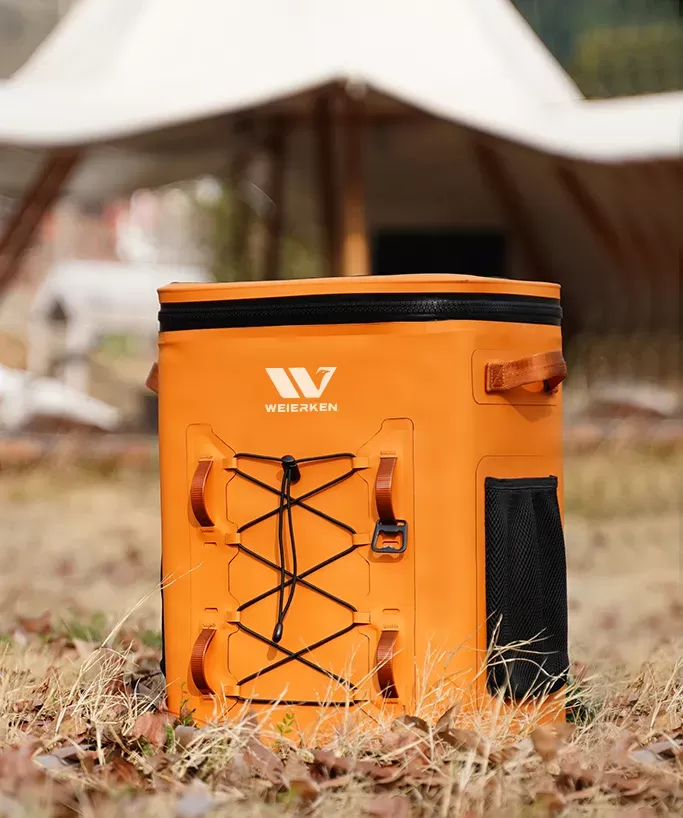

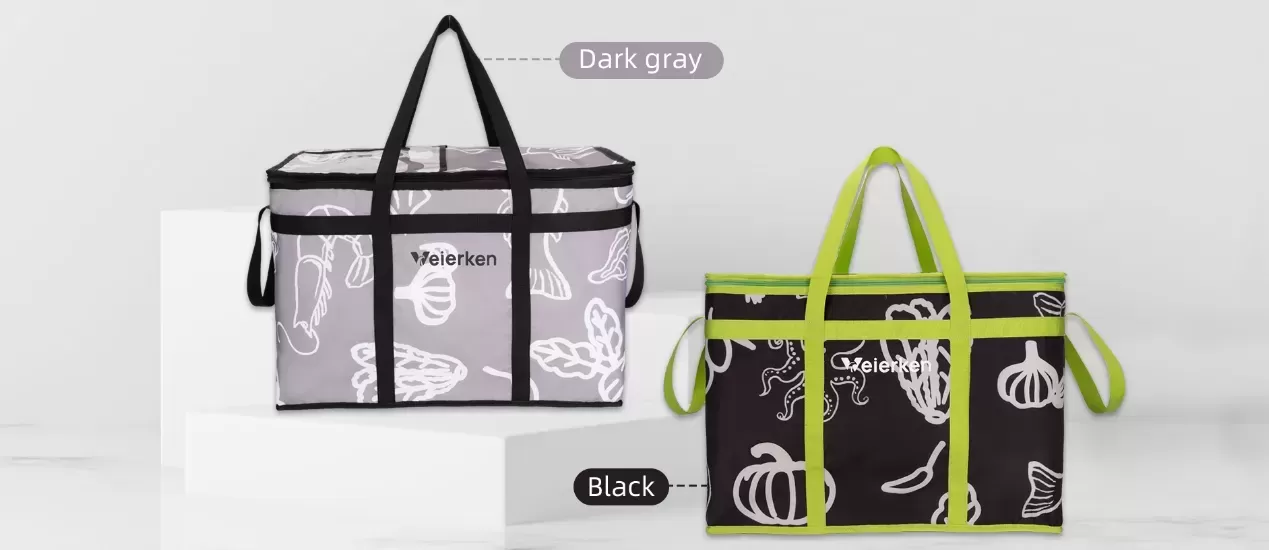
Finding a reliable insulated bag factory is a critical operational decision for brands, retailers, and food service businesses. Whether you are sourcing custom cooler bags for promotional campaigns, thermal lunch bags for corporate clients, or heavy-duty delivery bags for restaurant logistics, the manufacturing partner you choose directly dictates product performance and brand reputation.
This comprehensive breakdown explains the core capabilities of a professional manufacturing facility, examines essential thermal material technologies, and outlines a practical approach to selecting the right supplier for your bulk orders.
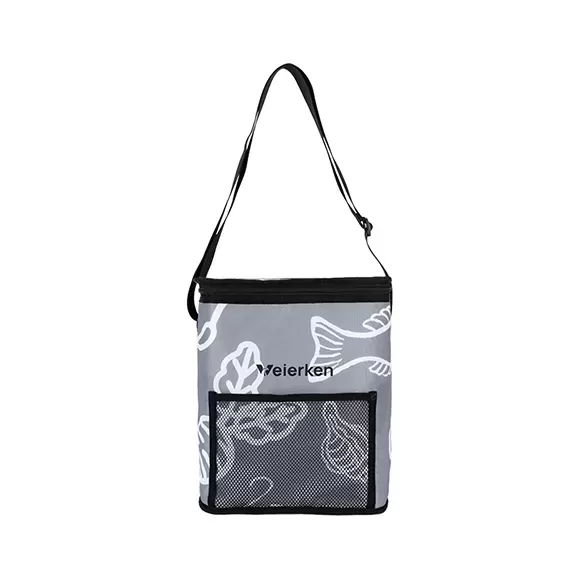
What Defines a Professional Insulated Bag Factory?
A specialized insulated bag factory does far more than simple sewing and assembly. It is a dedicated facility engineered to produce bags that strictly maintain the temperature of their contents over extended periods. Leading manufacturers provide end-to-end solutions, typically encompassing:
Material Science Application: Sourcing and combining the correct outer fabrics, insulation layers, and inner linings.
OEM & ODM Capabilities: Translating conceptual designs into market-ready functional products (Original Equipment Manufacturing and Original Design Manufacturing).
Precision Construction: Utilizing advanced cutting, high-frequency welding, and reinforced stitching techniques to prevent thermal leakage.
Strict Quality Control: Testing for weight capacity, temperature retention duration, and waterproof integrity.
Insulation Technology and Material Breakdown
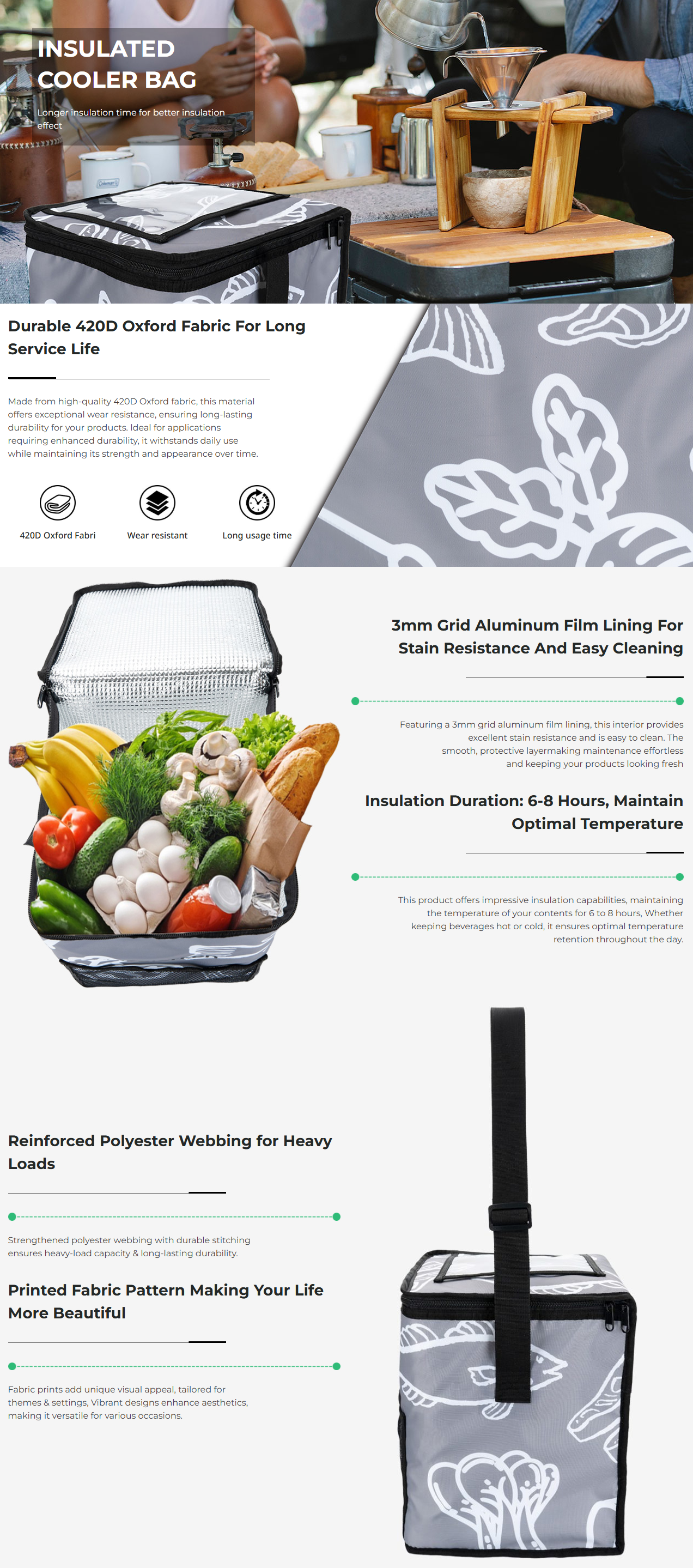
The core competency of any insulated bag factory relies on its mastery of materials. A superior manufacturer will be transparent about their material combinations and help you select the exact layers required for your target thermal performance.
| Material Type | Primary Application | Performance Characteristics |
|---|---|---|
| PEVA / EVA Foam | Standard Cooler Bags, Retail Lunch Bags | Lightweight, flexible, easy to clean, and provides reliable baseline insulation for short-term use. |
| Aluminum Foil Lamination | Premium Food Delivery Bags, Medical Transport | Exceptional heat reflection. When paired with high-density foam, it significantly extends hot or cold retention times. |
| Waterproof Tarpaulin / PVC | Heavy-Duty Commercial Delivery Bags | Highly durable, tear-resistant, and weatherproof. Protects the internal insulation layers from external moisture. |
| Polyester / Nylon (High Denier) | Soft-Sided Coolers, Corporate Totes | Provides structural integrity and a premium exterior finish suitable for complex logo printing and branding. |
Key Customization Services to Expect
B2B buyers face unique challenges: standard off-the-shelf bags often fail under commercial use due to weak zippers, insufficient insulation thickness, or poor seam construction. Overcoming these pain points requires a factory capable of deep customization.
A professional facility ensures that every specification aligns with your operational requirements. This includes custom sizing for specific food containers, multi-compartment designs for separating hot and cold items, and branded exterior printing.
For businesses requiring specialized thermal delivery solutions, partnering with an experienced insulated bag factory like Weierken is a strategic advantage. Weierken focuses specifically on high-performance delivery and thermal bags, resolving common industry pain points by utilizing commercial-grade materials—such as high-density foam and heavy-duty waterproof exteriors. By offering rigorous OEM/ODM services, Weierken ensures that your custom bags not only withstand daily commercial wear and tear but also keep contents at precise temperatures, protecting your brand's commitment to quality.
How to Sourcing the Right Partner: A B2B Checklist
Selecting the right manufacturing partner requires careful evaluation. Use this concise checklist when vetting a potential insulated bag factory:
Specify Your Technical Needs: Clearly define your required temperature retention time, payload weight, and primary usage environment before requesting quotes.
Evaluate Production Capacity: Ensure the factory can comfortably handle your required Minimum Order Quantities (MOQs) and scale up for peak season demands.
Request Prototypes: Always order a physical sample. Test the zipper durability, seam strength, and actual thermal performance under real-world conditions.
Verify Compliance and Safety: Inquire about relevant industry certifications, especially food-safe interior linings (FDA compliant) and facility quality management standards (ISO 9001).
Assess Communication: A reliable factory provides prompt, technical feedback on your design files and suggests material improvements rather than simply saying "yes" to everything.
Future Trends in Thermal Bag Manufacturing
The manufacturing sector is rapidly adopting sustainable practices to meet shifting corporate environmental responsibilities. Leading factories are heavily investing in RPET (recycled polyester derived from plastic bottles) and biodegradable insulation alternatives. Furthermore, functional upgrades, such as modular interior dividers and antimicrobial linings, are becoming standard requests for commercial food logistics.
Your choice of an insulated bag factory will directly influence the durability, market reception, and functional success of your product line. By prioritizing material expertise, rigorous quality control, and robust OEM capabilities, you can secure a supply chain partner that builds tangible value into every bag.
Ready to build your custom thermal solutions?
If you are looking for a reliable manufacturing partner capable of delivering high-quality, fully customized thermal bags for your business, we are here to help. Send us an inquiry today to request a specialized quote, discuss your design specifications, and discover how our manufacturing expertise can support your brand.