

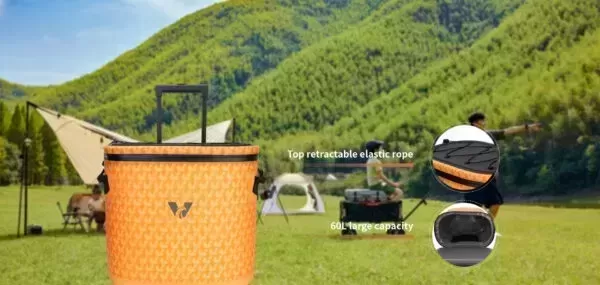
Outdoor recreation markets continue to expand rapidly as we move into 2026. Demand for high-performance thermal insulation and reliable food cold-chain gear is higher than ever. Finding dependable cooling bag manufacturers can make or break your brand reputation this year.
Procurement teams face constant operational hurdles. Delayed shipments disrupt seasonal sales schedules. Inferior inner linings cause embarrassing leaks. Non-compliant materials trigger severe customs fines or market recalls.
This actionable guide breaks down how to vet, evaluate, and secure trustworthy OEM manufacturing partners. Drawing from deep industry expertise at weierken, we share practical strategies to help you build a resilient, profitable supply chain.
4 Key Trends Shaping Your Choice of Cooling Bag Manufacturers in 2026
Sourcing strategies must adapt to changing consumer expectations and strict international environmental rules. Working with outdated factories will put your brand at a disadvantage.
1. Sustainable & Eco-Friendly Materials
Modern buyers demand genuine sustainability. High-end brands now insist on GRS-certified RPET (recycled polyethylene terephthalate) fabrics made from ocean and post-consumer plastics.
Top cooling bag manufacturers are replacing traditional, harmful PVC linings with biodegradable TPU (thermoplastic polyurethane) coatings. TPU offers superior flexibility, non-toxic food contact safety, and excellent low-temperature resistance.
2. Advanced RF Seamless Welding Technology
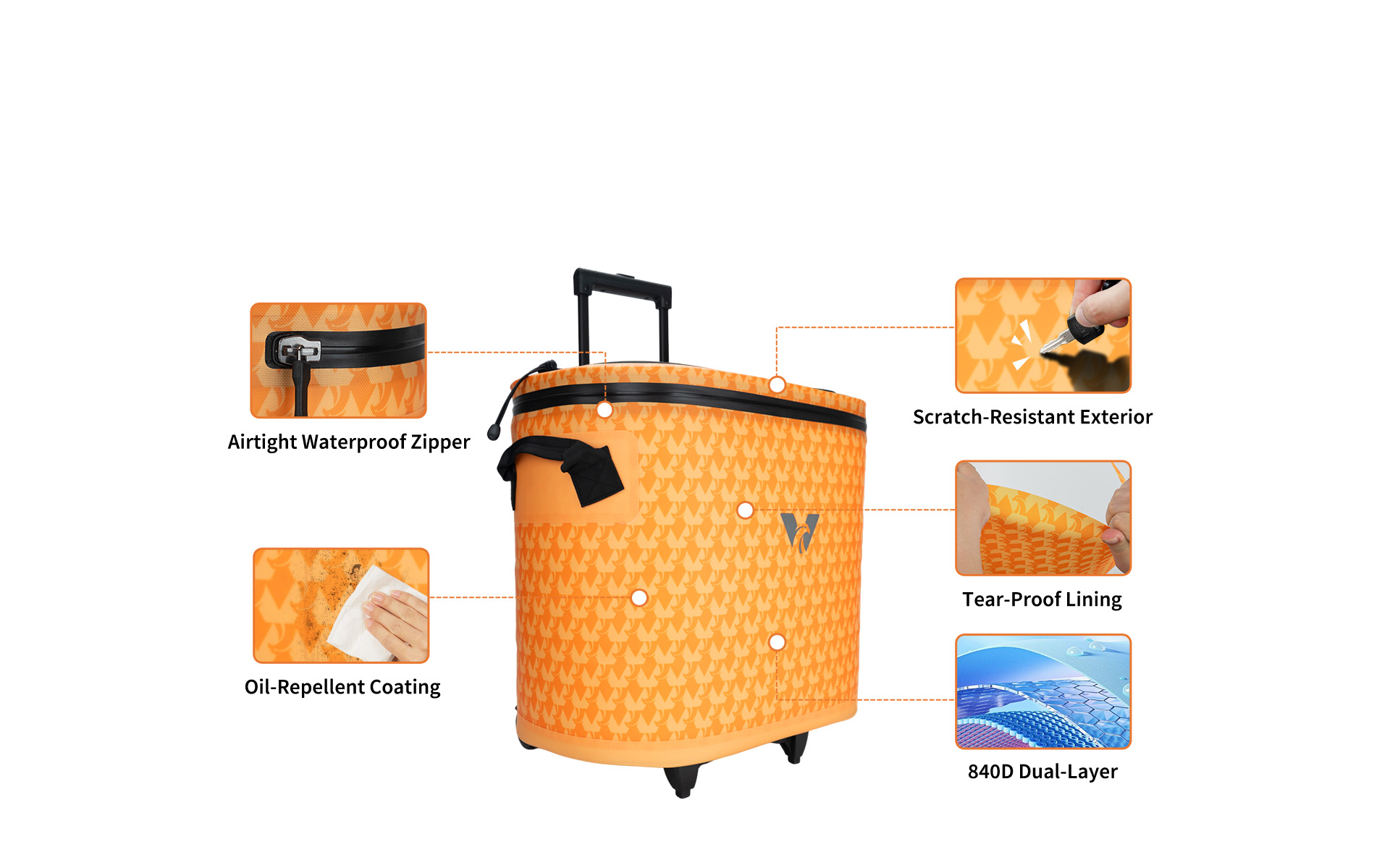
Traditional stitching creates needle holes that inevitably cause water leakage when ice melts. High-Frequency Radio Frequency (RF) welding solves this structural issue completely.
RF welding fuses fabric layers together using electromagnetic energy. This process creates a 100% leakproof seam that withstands severe pressure without tearing or peeling over time.
3. Watertight Zippers and Advanced Seals
Premium soft-sided coolers require airtight performance to maintain internal temperatures for days. Factories must master the installation of heavy-duty, waterproof zippers.
These specialized zipper systems lock cold air inside and prevent accidental spills, even when the bag is upside down during rugged transport.
4. Multi-Layer Thermal Composite Systems
Modern insulation relies on composite engineering rather than simple single-layer foam. Look for suppliers offering multi-layer construction combinations:
Outer Layer: 840D/1680D TPU-coated nylon or heavy-duty RPET fabric.
Insulation Layer: Closed-cell NBR or high-density rubber foam (15mm to 25mm thickness).
Inner Lining: Food-grade PEVA or TPU film engineered for easy cleaning.
Core Criteria to Evaluate OEM Cooling Bag Manufacturers
Separating top-tier facilities from low-quality traders requires systematic evaluation. Use these three main pillars during your vendor selection process.
1. Factory Certifications and Regulatory Compliance
Never place bulk orders without verifying standard compliance credentials. Ensure your prospective factory holds valid corporate and social accountability audits:
System Standards: ISO9001 certification for structured quality management.
Social Compliance: BSCI, SEDEX (SMETA), or Target/Walmart factory audit approvals.
Food Safety & Environmental Rules: FDA, LFGB, REACH, and RoHS compliance certificates for all internal lining materials.
2. Production Capacity and R&D Capabilities
Strong product development teams help turn your rough sketches or 3D renderings into mass-producible goods quickly. Ask factories about their typical engineering workflows.
Reliable cooling bag manufacturers generally complete initial physical samples within 5 to 7 days. They should operate dedicated sampling rooms separate from fast-paced mass production lines.
Inquire about monthly production capacity. Ensure the facility can handle your peak seasonal surges without outsourcing work to unvetted sub-contractors.
3. Rigorous Quality Control (QC) Protocols
A trustworthy factory relies on clear metrics rather than verbal assurances. Review their internal testing equipment and standardized testing routines.
Thermal Retention Testing: Measuring ice retention duration inside environmental climate chambers under controlled ambient temperatures.
Hydrostatic Leakage Testing: Filling finished bags with water and holding them under pressure to check for microscopic seam flaws.
Load-Bearing & Stress Testing: Testing shoulder strap attachments and carry handles under heavy weight cycles.
AQL Standards: Strict execution of AQL 2.5 (Major) and AQL 4.0 (Minor) quality inspection criteria before container loading.
B2B Procurement Red Flags to Avoid
Many overseas sourcing projects run into unexpected trouble due to avoidable oversights. Watch out for these common operational traps when negotiating with prospective suppliers.
The "Bait-and-Switch" Sample Trick
Some suppliers submit flawless pre-production samples made with high-density NBR foam. Later, during mass production, they secretly substitute lower-density EPE foam to cut raw material costs.
To avoid this, request physical material swatches for every order component. State explicit density parameters directly inside your final Purchase Order contract.
Vague Minimum Order Quantities (MOQ)
Suppliers may quote low product MOQs, only to reveal later that custom fabric colors require massive raw material orders. Always clarify fabric dyeing MOQs upfront.
Ignoring Fabric Mold and Mildew Resistance
Cooler bags frequently store damp items in humid environments. If inner materials lack anti-mildew treatments, mold spots will grow rapidly inside sealed shipping containers during transit.
How to Audit Cooling Bag Manufacturers in 2026
Traveling directly to overseas factories is not always practical. Fortunately, modern digital tools make virtual audits highly thorough and effective.
Conducting Effective Virtual Audits
Request live video tours using Zoom or Teams. Avoid accepting pre-recorded promo videos that hide operational problems.
Ask the guide to walk through specific operational zones in real time:
Raw material storage facilities (check if fabrics are stored off the ground on wooden pallets).
Laser cutting and automatic fabric cutting tables.
High-frequency RF welding workshops.
Final online quality control inspection lines and packaging areas.
Established direct manufacturers like weierken regularly conduct transparent video audits for international clients, showing real-time production status and raw material inventories.
Crucial Questions to Ask Sourcing Representatives
Use this direct checklist during your initial negotiations:
"What percentage of your total output is exported to North America and Europe?" (Verifies familiarity with strict local chemical safety laws).
"Do you stock raw insulation materials in-house, or do you purchase them per order?" (Impacts total production lead time).
"What is your exact replacement policy if delivered goods show leak failures exceeding agreed AQL limits?"
Comparing Cooler Bag Construction Methods
Choosing the right manufacturing process directly impacts your product's performance and market positioning. Use this simple overview to guide your product design choices:
Stitched Construction: Best for budget promotional lunch bags. Low cost, but not leakproof. Best for short-term ice pack usage.
Heat-Sealed PEVA Lining: Ideal for mid-tier grocery and beach tote coolers. Good water resistance at accessible price points.
100% RF Welded TPU: Essential for premium outdoor, kayaking, and marine coolers. Completely leakproof, airtight, and built for extreme rugged use.
Why Choosing the Right OEM Partner Matters
Your manufacturing partner directly controls your product quality, profit margins, and brand reputation. Low-cost offers often conceal poor craftsmanship, toxic materials, and weak structural seam strength.
Experienced cooling bag manufacturers act as strategic technical advisors. They help optimize design layouts, reduce waste, choose compliant eco-friendly fabrics, and keep your inventory running smoothly year-round.
By focusing on verified factory certifications, advanced RF welding capabilities, and strict quality control standards, you safeguard your business against expensive supply chain disruptions in 2026.
Build a Superior Supply Chain Today
Are you looking to develop a custom outdoor soft cooler line, upgrade your existing product quality, or transition to sustainable GRS-certified recycled materials?
At weierken, we bring decades of OEM expertise, advanced RF seamless welding technology, and strict international compliance standards to every project we undertake. We help global outdoor brands and commercial buyers launch market-leading thermal gear with complete supply chain confidence.
Don't leave your inventory success to chance. Take action today to upgrade your thermal product line.
Ready to elevate your sourcing strategy? Request a quote or contact our engineering team today to receive a free production evaluation and custom sample pack!
Frequently Asked Questions (FAQ)
1. What is the typical lead time for custom OEM cooler bag samples?
Standard custom samples generally take 5 to 7 days if stock materials are available. Complex soft cooler designs that require custom tooling for TPU molds or specialized waterproof zippers may take 10 to 14 days.
2. How do top cooling bag manufacturers ensure zero water leakage?
Leading factories use high-frequency RF (Radio Frequency) welding machines instead of traditional sewing machines. This process melts TPU or PEVA layers together seamlessly without leaving any needle punch holes, creating a 100% leakproof fluid barrier.
3. What food-safety certifications should a cooling bag manufacturer hold?
Inner linings must hold valid food-contact safe certifications, including FDA guidelines in North America and LFGB regulations in Europe. Fabrics should also comply with REACH and RoHS standards to guarantee they are free from harmful heavy metals and phthalates.
4. What is the standard minimum order quantity (MOQ) for custom cooler bags?
MOQs typically range from 500 to 1,000 units per style for standard fabric colors. If your project requires custom-dyed Pantone fabrics or specialized custom TPU colors, raw material MOQs may increase to 2,000 units.
5. Why is GRS certification important when choosing cooling bag manufacturers in 2026?
Global Recycled Standard (GRS) certification tracks recycled materials across the entire supply chain. It proves to end consumers and retailers that your RPET fabric is genuinely made from verified post-consumer recycled plastic bottles.
6. Can I request custom thermal retention performance specifications?
Yes. Reputable OEM factories can adjust foam density and thickness (typically from 5mm to 25mm) to hit specific target performance goals, such as keeping ice frozen for 24 hours, 48 hours, or over 72 hours under standardized ambient test temperatures.