
Delivering hot coffee is one of the most demanding challenges in food service logistics. Unlike pizza or packaged sandwiches, specialty coffee degrades quickly when exposed to poor temperature controls. Steam softens paper lids, micro-foam collapses, and sudden scooter braking spills espresso drinks across the bottom of delivery packs.
When a customer receives a lukewarm latte or an iced Americano with melted ice, they blame the coffee brand, not the courier. The quality of your delivery gear directly impacts your customer retention rates, store reviews, and delivery refund margins.
Yet, procurement teams often struggle to find reliable production partners. The market is saturated with trading middlemen and low-end stitching workshops that lack thermal engineering expertise. Partnering with the wrong supplier leads to leaking liners, rotting insulation, sudden supply chain delays, and unexpected tariff penalties.
Selecting a professional insulated coffee delivery bag manufacturer requires evaluating technical, geographic, and operational capabilities. At Weierken, we have engineered and manufactured technical thermal bags since 2006. Below is a practical five-point framework to help you evaluate commercial manufacturing partners for your coffee brand.
1. Technical Engineering Built Specifically for Coffee Delivery
A standard insulated lunch bag cannot handle commercial beverage logistics. Coffee presents two opposing challenges: hot drinks produce pressurized moisture vapor, while cold brews sweat heavy condensation. A qualified insulated coffee delivery bag manufacturer must demonstrate proven structural solutions for both.
Vapor-Pressure Management: Trapping hot coffee in an airtight box creates a greenhouse effect. Hot steam softens paper cups and causes plastic lids to loosen. Look for a manufacturer capable of integrating one-way breathable micro-vents that release steam while locking in ambient heat above 65°C.
Anti-Spill Modular Cup Stabilization: Generic bags rely on loose cardboard drink carriers that slide around during transit. Professional suppliers engineer custom, high-density EVA or EPE die-cut foam inserts. These trays grip various cup sizes tightly, preventing drinks from tipping over when couriers brake or turn.
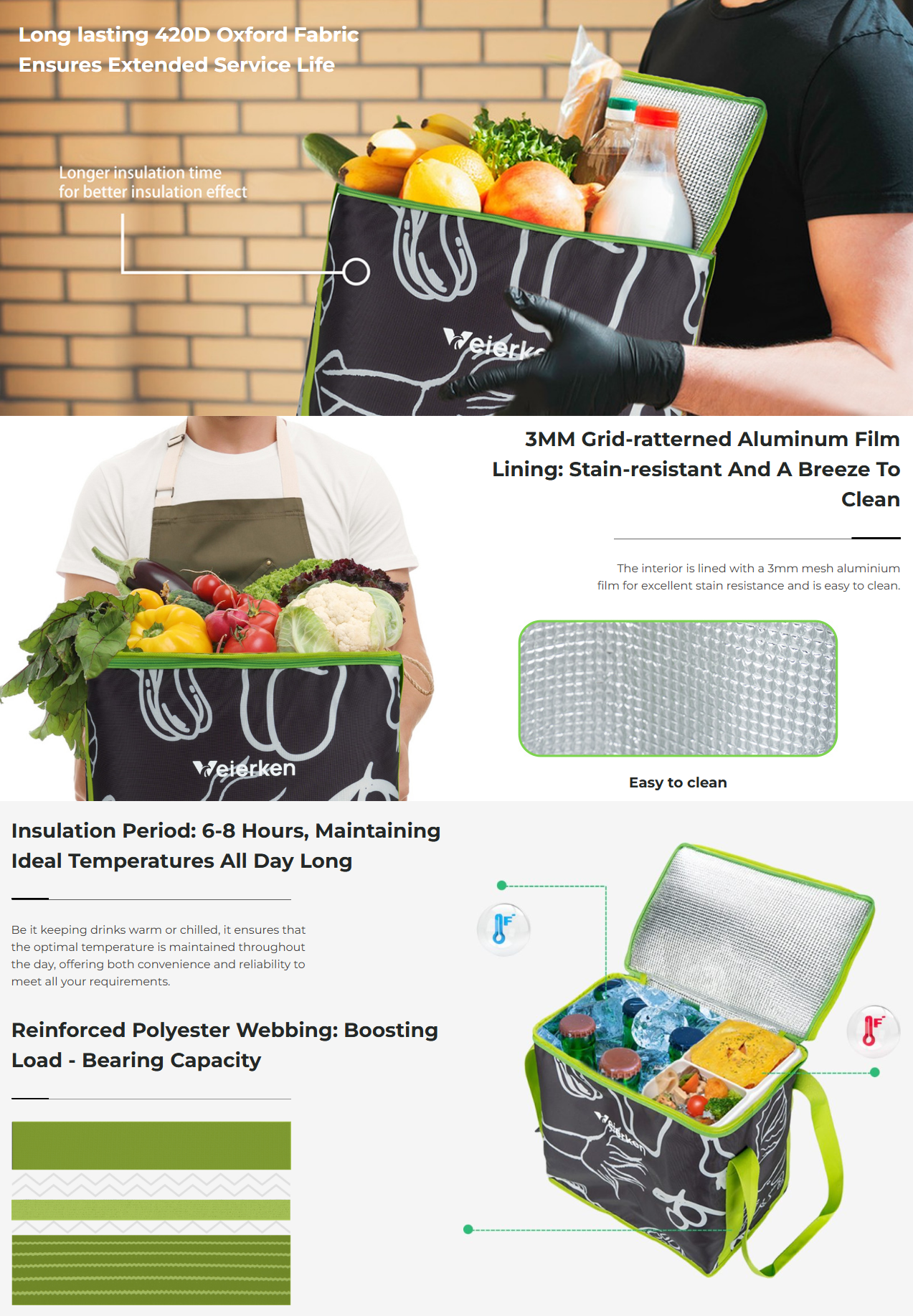
Seamless Heat-Sealed Liners: Never accept stitched interior liners for beverage transport. Sewing needles create thousands of holes through which spilled milk and sticky syrups leak. Your partner must utilize high-frequency radio frequency (RF) welding on food-grade PEVA or TPU liners to create a 100% leakproof, wipe-clean basin.
2. Multi-Regional Footprint and Supply Chain Resilience
Modern procurement specialists know that relying on a single manufacturing origin carries significant trade and geopolitical risks. If your supplier manufactures exclusively in one region, your business remains vulnerable to shifting tariff policies, anti-dumping duties, and localized shipping gridlocks.
When evaluating a commercial coffee delivery bag supplier, assess their multi-country production footprint. Working with a vendor that operates dual manufacturing hubs gives you crucial strategic flexibility:
Tariff and Duty Optimization: Sourcing production through facilities in Southeast Asian hubs, such as Cambodia or Vietnam, allows brands in North America and Europe to benefit from preferential tariff agreements and duty exemptions.
Redundant Capacity: If unexpected disruptions impact one manufacturing facility, production orders can shift quickly to an alternate facility without interrupting seasonal product rollouts.
Industrial Production Scale: Ensure the vendor operates at least 50,000 to 80,000 square meters of production space with thousands of skilled operators. This scale ensures high-volume container shipments arrive on schedule ahead of winter marketing campaigns.
3. OEM/ODM Agility and Rapid Prototyping
Coffee chains constantly evolve their packaging. Cup dimensions change, larger delivery orders demand modular compartments, and seasonal drink trays require altered bag shapes. You need an OEM cooler bag manufacturer that functions as a collaborative engineering extension of your team.
Measure their development speed and customization depth using these benchmarks:
Turnaround on Prototypes: A capable custom thermal beverage bag factory should translate your 2D design files or physical packaging samples into functional prototypes within 7 to 10 business days.
Branding and Visibility Techniques: Delivery couriers represent rolling billboards for your business. Your manufacturer must master commercial-grade logo execution, including cured screen printing, weatherproof 3D molded rubber patches, and high-visibility retroreflective ink that keeps night couriers safe.
Functional Ergonomics: The bag must support fast store operations. Look for suppliers who design wide auto-opening mouths, ergonomic top grab handles, and padded, ventilated backpack harnesses that lower courier fatigue over eight-hour shifts.
4. Sustainability, ESG Standards, and Factory Compliance
Global beverage chains operate under stringent corporate ESG commitments. Customers expect eco-friendly operations, and your delivery packaging choices must align with those expectations. Your manufacturing partner should actively support sustainable materials rather than treating them as an afterthought.
Demand transparency on raw materials and global labor compliance during vendor evaluations:
Certified Recycled Fabrics (RPET): Your supplier should offer durable 600D and 900D exterior fabrics made from certified post-consumer recycled plastic bottles. The material must include GRS (Global Recycled Standard) traceability.
Food-Contact Material Safety: Internal linings come into close contact with hot food and drinks. All contact surfaces must hold valid FDA, LFGB, and REACH compliance certifications, confirming they are free of phthalates, BPA, and heavy metals.
Social and Ethical Audits: Responsible corporate procurement requires partnering only with audited facilities. Ensure the factory holds current BSCI (Business Social Compliance Initiative) and ISO9001 quality management certifications.
5. Commercial Durability Standards and Quality Assurance Testing
Consumer bags are built for weekend grocery trips; commercial coffee delivery backpacks are built for battle. They endure vibration, sun, pouring rain, and violent handling six days a week. Choosing the wrong insulated coffee delivery bag manufacturer results in frayed handles and split zippers within ninety days.
Ask prospective manufacturing partners to document their internal laboratory testing procedures across these parameters:
Handle Shear Load Testing: Top handles and shoulder straps must withstand dynamic vertical snatch loads of at least 40 to 50 kilograms without fabric tear or seam delamination.
Zipper Endurance Cycles: Zippers are the most common mechanical point of failure. Commercial-grade #10 nylon coil or waterproof TPU zippers must pass 5,000 continuous opening and closing cycles without tooth separation.
Thermal Decay Chamber Logging: Reputable manufacturers verify insulation performance using multi-channel data loggers. They test hot coffee holds at 65°C and cold drink holds under 5°C over 45-minute and 90-minute intervals inside calibrated temperature chambers.
Why Coffee Brands Partner with Weierken
Balancing technical engineering, production volume, competitive pricing, and certified compliance requires a specialized partner. Weierken delivers a comprehensive manufacturing solution tailored for commercial food and beverage platforms:
20 Years of Specialized Heritage: Founded in 2006, our engineering teams have focused exclusively on thermal bags, waterproof courier gear, and technical backpacks, earning the trust of over 2,000 global brands.
Strategic Dual-Country Footprint: We operate three modern manufacturing bases spanning China and Cambodia, covering over 80,000 square meters with more than 3,000 skilled workers. This footprint gives our clients significant duty-savings and supply chain security.
Complete Vertical Integration: From internal RF welding and automated laser cutting to specialized silkscreen and patch production, we control every manufacturing stage in-house to maintain strict tolerance control.
Dedicated Engineering Lab: Our engineers build custom modular dividers, conduct in-house thermal decay studies, and adapt bag structures to your exact drink cup dimensions before initiating mass production runs.
Frequently Asked Questions
Q1: What makes an insulated coffee delivery bag different from a
regular food delivery bag?
A1: Coffee delivery bags require
specialized anti-tilt cup stabilization grids, integrated moisture venting to
prevent paper lids from softening, and RF-welded leakproof linings that stop
spilled milk or sticky syrups from ruining the internal insulation foam.
Q2: Why should international buyers choose an insulated coffee
delivery bag manufacturer with factories in both China and
Cambodia?
A2: Operating production facilities in both China and
Cambodia allows global brands to balance cost, lead times, and trade policy.
Cambodian manufacturing provides duty-free or reduced-tariff import advantages
into the US and European markets, mitigating geopolitical and trade risks.
Q3: What is the typical Minimum Order Quantity (MOQ) for
custom-engineered coffee delivery bags?
A3: Standard factory MOQs
for full-custom OEM builds generally start at 500 units per production run. This
supports custom exterior fabric dyeing, tailored brand logo placements, and
bespoke internal EVA modular cup divider setups.
Q4: How do thermal testing reports prove a bag's holding
capacity?
A4: Reputable manufacturers place temperature data loggers
inside liquid coffee cups placed within a loaded bag inside a
temperature-controlled test chamber. The test records the heat decay curve over
60 to 90 minutes, verifying whether the bag keeps hot drinks above 60°C or cold
drinks below 5°C.
Q5: Can our brand supply our own cup dimensions for custom-molded
internal holders?
A5: Yes. An experienced custom thermal beverage
bag factory will build internal dividers based on your exact packaging specs.
You provide physical samples or engineering drawings of your cups and carriers,
and the factory engineers modular EVA foam or padded dividers that lock them
securely in place.
Q6: How long does the OEM sample process take before mass production
begins?
A6: Working with an agile supplier like Weierken, initial 3D
concept mockups and functional physical samples are completed within 7 to 10
business days. After sample review and field trials, standard mass production
takes approximately 30 to 45 days.
Equip Your Coffee Fleet with an Experienced Manufacturing Partner
Sourcing your delivery equipment from a generic trader risks your customer experience and brand reputation. Successful beverage chains treat their delivery bags as mission-critical equipment that preserves product flavor, keeps couriers safe, and advertises their business across the city.
Choosing an experienced insulated coffee delivery bag manufacturer ensures your packaging investment yields tangible operational returns through lower spill refunds, extended gear lifespans, and protected profit margins.
Looking to engineer reliable, custom-branded thermal delivery bags for your coffee brand? Contact the Weierken engineering team today to review our factory audit credentials, request technical material swatches, or schedule a free prototyping consultation.