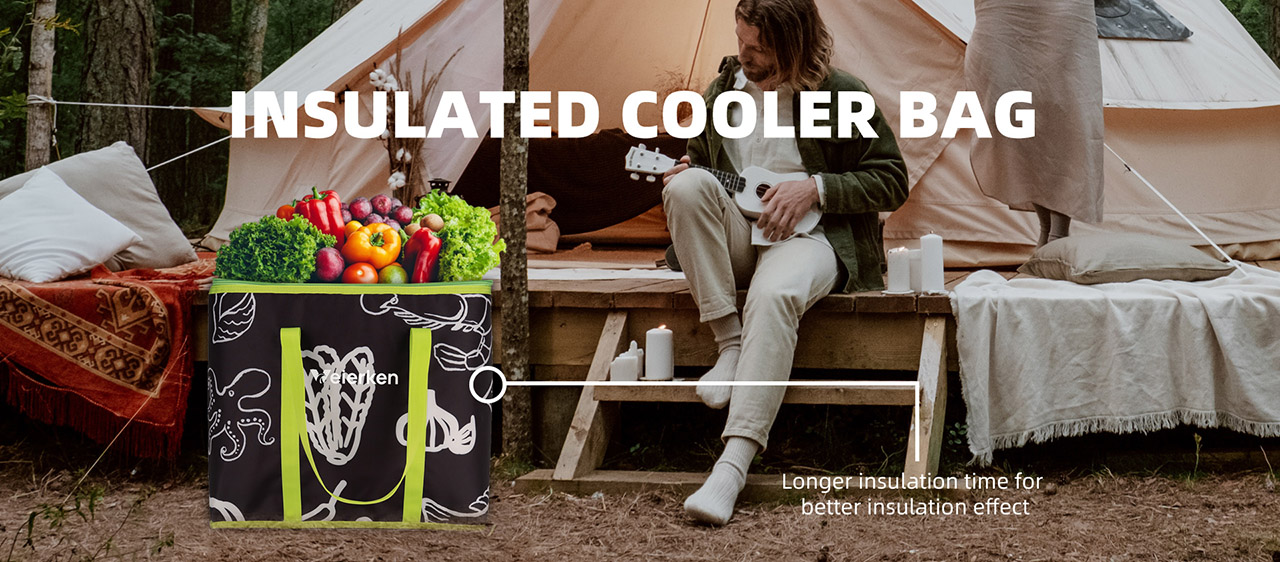
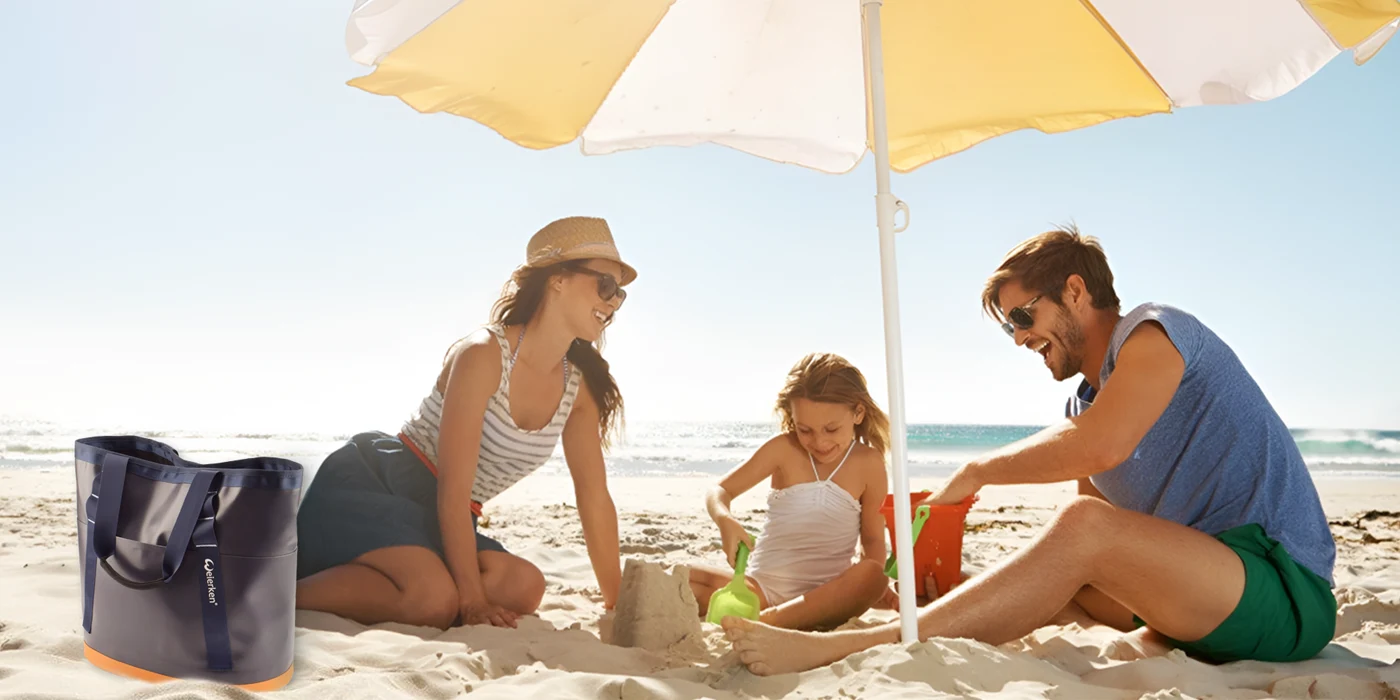
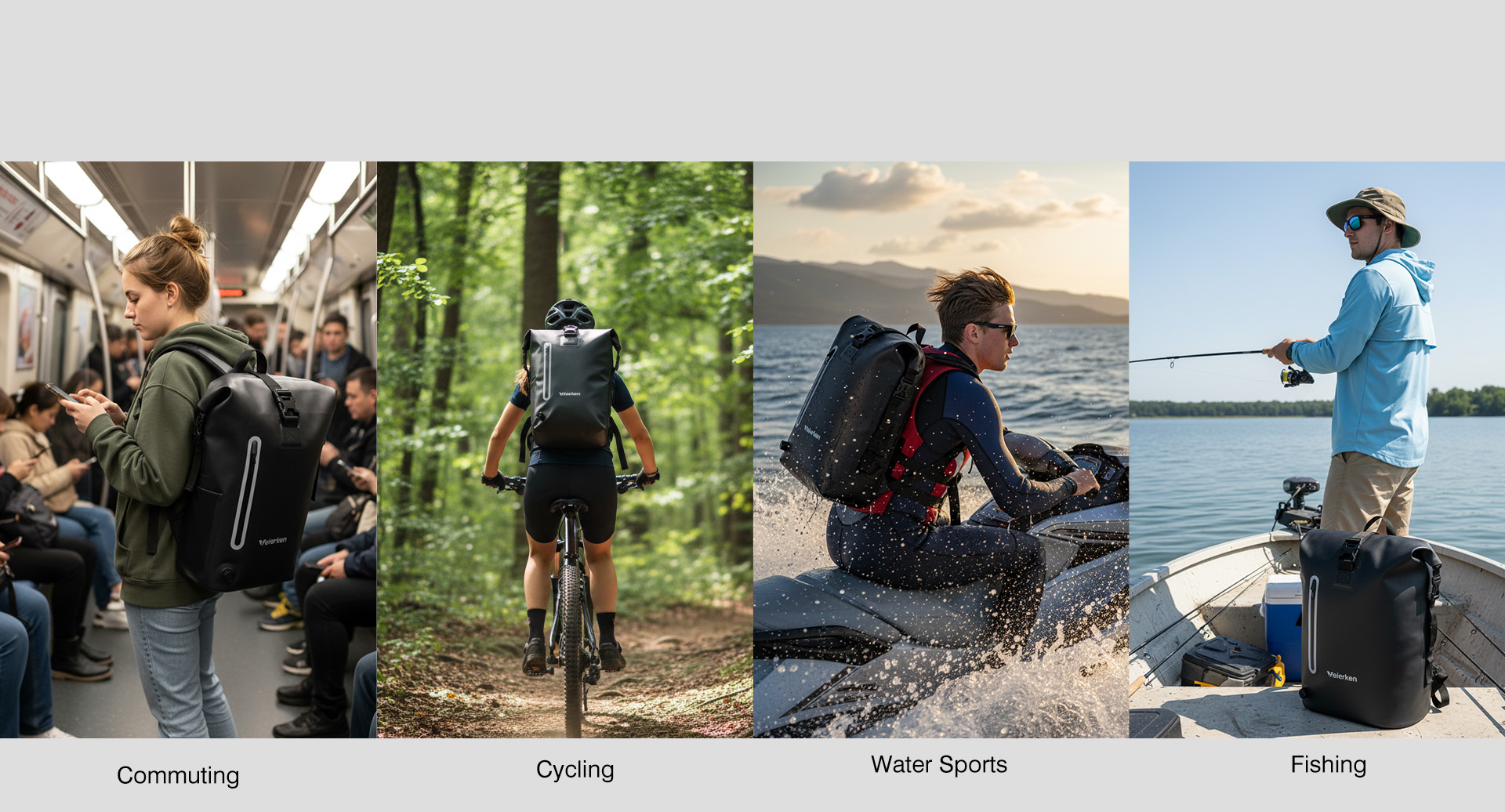
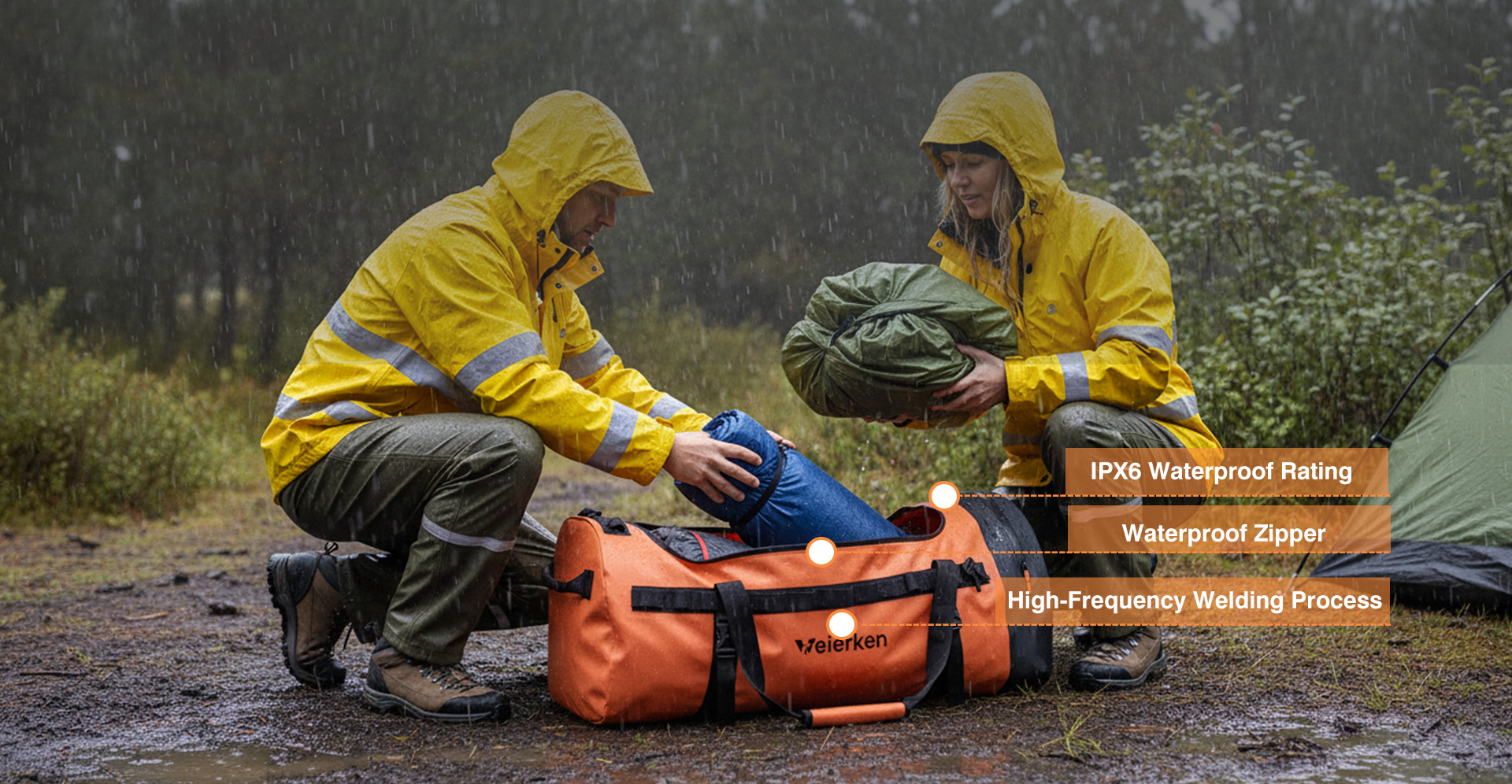
In the retail and promotional landscape, the reusable bag has graduated from a simple accessory to a central branding tool. Whether you are a supermarket chain, a boutique fashion retailer, or a corporation planning a massive event, the bag you hand to your customer speaks volumes about your brand’s values. However, sourcing these bags is not as simple as clicking “order.” The market is flooded with suppliers, but finding a truly reliable Reusable Bag Distributor is a strategic challenge.
The wrong partner can lead to broken straps, missed deadlines, and supply chain nightmares. The right partner becomes an extension of your brand, ensuring quality and consistency. Companies like Weierken have set a benchmark in this industry by understanding that a bag is more than just stitched fabric—it is a promise of durability and sustainability.
To help you navigate this crowded market, we have broken down the evaluation process into seven critical factors. This guide goes beyond the basics to help you secure a partnership that drives value for your business.
1. Product Quality and Material Compliance
The first physical touchpoint your customer has with your brand might be the handle of a tote bag. If that handle snaps or the fabric feels cheap, your brand image takes a hit. Therefore, rigorous assessment of material quality is non-negotiable.
When vetting a Reusable Bag Distributor, look beyond the aesthetic photos. You need to understand the substrate. Are they offering non-woven polypropylene, organic cotton, jute, or rPET (recycled polyethylene terephthalate)? Each material has different weight-bearing capacities and wear resistance.
Safety and Certification
In today’s global market, “safe” means certified. You must verify that the materials meet international safety standards. If you are selling in Europe, the bags must be REACH compliant, ensuring they don’t contain harmful chemicals like lead or phthalates. For food-related businesses, FDA compliance is mandatory.
Ask your potential distributor for documentation. Do they hold OEKO-TEX Standard 100 certification for their textiles? If they claim the bags are recycled, do they have the GRS (Global Recycled Standard) certificate? A professional distributor will have these PDF reports ready to email you immediately. If they hesitate, it is a red flag.
2. Customization Capabilities and Design Support
Off-the-shelf solutions rarely work for ambitious brands. You need a bag that screams your identity. A top-tier Reusable Bag Distributor acts as a design consultant, not just a warehouse.
Flexibility is Key
Evaluate their range of customization. Can they color-match the fabric to your specific Pantone brand colors? Do they offer different handle lengths for shoulder vs. hand carrying? Can they add pockets, zippers, or reinforced bottoms?
From Prototype to Production
The gap between a digital mockup and a physical product can be huge. You need a partner who supports a rigorous sampling process. Before you commit to 10,000 units, you need to hold a pre-production sample in your hands.
Ask about their printing technologies. Do they only offer simple screen printing, or can they handle complex, full-color heat transfers or lamination printing for photographic quality? A capable distributor will guide you on which printing method works best for your chosen material to ensure the logo doesn’t crack or fade after a few washes.
3. Price Structure and Minimum Order Quantities (MOQ)
Pricing in the B2B world is rarely straightforward. When you receive a quote from a Reusable Bag Distributor, you need to dissect it to uncover the “landed cost.”
Hidden Costs vs. Transparent Quotes
Does the quoted price include value-added tax? What about inland freight to the port? Are there setup fees for the printing plates? A reliable partner provides a granular breakdown so you aren’t hit with surprise invoices later.
Balancing MOQ and Cash Flow
The Minimum Order Quantity (MOQ) is often the biggest hurdle. Large distributors might demand an MOQ of 5,000 units, which offers a great per-unit price but ties up your capital and warehousing space. Smaller MOQs offer flexibility but usually come at a premium.
You need to find a distributor who matches your scale. Some versatile suppliers offer tiered pricing, allowing you to start with a smaller test run before scaling up to bulk orders for better discounts. Clear terms on volume discounts allow you to plan your procurement budget effectively for the entire year.
4. Supply Chain Stability and Delivery Timelines
In retail, timing is everything. A shipment of holiday-themed bags that arrives on December 26th is worthless. This is where the logistical capability of your Reusable Bag Distributor is tested.
Capacity and Inventory
Does the distributor have their own manufacturing capabilities, or are they outsourcing everything? Distributors with closer ties to production lines (like Weierken) often have better control over lead times.
Ask about their output capacity. If you need a rush order of 50,000 bags for a sudden marketing campaign, can they absorb that spike without delaying your order?
Logistics Networks
It is not just about making the bags; it is about moving them. A seasoned distributor has established relationships with freight forwarders and customs brokers. They should be able to offer you different shipping options—air freight for speed and ocean freight for cost savings. They must be experts in navigating customs clearance to prevent your goods from getting stuck at the border due to paperwork errors.
5. Sustainability Commitments and Transparency
Sustainability is the primary driver for the reusable bag market. However, “Greenwashing”—making false or exaggerated environmental claims—is rampant. Your distributor’s claims become your claims, so you must verify them.
Data Over Buzzwords
A forward-thinking Reusable Bag Distributor doesn’t just say they are “eco-friendly.” They provide data. Look for transparency regarding their carbon footprint. Are they tracking the emissions generated during production and transport?
Check their Corporate Social Responsibility (CSR) reports. Are they using solar energy in their warehouses? Do they have water recycling systems in their dyeing plants?
Alignment with Your Goals
If your company has a goal to be Net-Zero by 2030, your suppliers must align with that. Partners like Weierken are increasingly popular because they operate with a level of transparency that allows B2B buyers to audit the supply chain. This alignment ensures that your procurement strategy actually contributes to your ESG (Environmental, Social, and Governance) scores rather than detracting from them.
6. Customer Service and After-Sales Support
The true test of a business relationship isn’t how they behave when things go right, but how they react when things go wrong. Manufacturing is complex; errors can happen.
Communication Channels
How responsive is their team? If they are in a different time zone, do they have representatives who can communicate during your business hours? A Reusable Bag Distributor that takes three days to reply to an email will cause bottlenecks in your operation.
Accountability
You need a clear Service Level Agreement (SLA). What is the policy for defective items? If 5% of the bags have misprinted logos, will they refund you or replace them immediately?
Avoid distributors who push all the risk onto the buyer. A reputable partner stands behind their product. They should have a clear, written policy regarding returns, replacements, and dispute resolution. This safety net allows you to order with confidence.
7. Industry Experience and Case Studies
Finally, look at their track record. Experience in the general promotional industry is good, but experience in your specific vertical is better.
Relevance Matters
A distributor who specializes in heavy-duty grocery bags might not be the best fit for high-end cosmetic totes. Ask for case studies. Who have they worked with?
If you are a grocery chain, ask to see examples of heavy-load bags they have produced for other supermarkets. If you are a tech conference, ask for examples of laptop-compatible messenger bags.
Reference Checks
Don’t hesitate to ask for references. Talking to a current client can give you unfiltered insights into the distributor’s reliability. Did they meet the deadline? Was the quality consistent across the second and third orders, not just the first?
A Reusable Bag Distributor with a portfolio of long-term clients usually indicates consistency and reliability. It shows they are capable of nurturing a business relationship over years, not just closing a single sale.
Selecting the right partner for your packaging needs is a decision that impacts your brand’s reputation, your operational efficiency, and your bottom line. It requires a holistic view that balances cost with quality, and speed with sustainability.
By evaluating potential partners against these seven factors—ranging from material compliance and design flexibility to supply chain stability and ESG transparency—you can filter out the noise and identify a partner capable of growing with you.
Whether you are looking for a niche design or a mass-market solution, companies that prioritize integrity and quality, such as Weierken, represent the caliber of distributor modern businesses need. Take the time to ask the hard questions, demand the certifications, and test the samples. The right Reusable Bag Distributor is out there, ready to help you carry your brand forward.
FAQ: Common Questions About Reusable Bag Distributors
Q1: What is the standard lead time I should expect from a Reusable Bag Distributor?
A1: Lead times vary based on complexity and origin. Generally, for a standard custom order from an overseas Reusable Bag Distributor, expect 30 to 45 days for production plus shipping time (which can add another 30 days for ocean freight). “Stock” items that only need local printing can often be turned around in 2 to 3 weeks. Always factor in an extra buffer during peak seasons like pre-Christmas or Chinese New Year.
Q2: Why do some distributors charge setup fees for printing?
A2: Setup fees cover the physical creation of the screens, plates, or molds required to apply your specific design to the bag. For example, in screen printing, a separate screen must be made for every color in your logo. A transparent Reusable Bag Distributor will list these as one-time costs; if you re-order the exact same design later, you typically shouldn’t have to pay the setup fee again.
Q3: How can I verify if a distributor’s “recycled” bags are actually recycled?
A3: You must ask for the GRS (Global Recycled Standard) certificate. This is the international benchmark. It tracks the recycled material through the entire supply chain, from the recycling center to the final product. A reputable Reusable Bag Distributor will provide a transaction certificate (TC) for your specific order, proving the material used in your batch is compliant.
Q4: Is it better to choose a distributor with a lower price or a lower MOQ?
A4: It depends on your business stage. If you are a startup or testing a new marketing campaign, a lower MOQ (even at a higher unit price) reduces your financial risk and storage burden. If you are an established retailer with predictable sales volume, prioritizing a lower unit price through higher volume orders with a large-scale Reusable Bag Distributor is better for your profit margins.
Q5: What file formats do distributors need for logo printing?
A5: To ensure a crisp, high-quality print, professional distributors require vector files. The standard formats are .AI (Adobe Illustrator), .EPS, or .PDF. These files allow the design to be scaled to any size without pixelation. Using JPEGs or PNGs often results in blurry prints and may be rejected by the design team at your Reusable Bag Distributor.