Choosing the right polyester bag distributor is a critical decision that directly impacts your business’s supply chain stability, product quality, and market competitiveness. Whether you’re a retailer, brand owner, or importer, partnering with a reliable distributor can streamline operations, reduce risks, and support long-term growth. Weierken, a trusted name in the polyester bag industry, understands the importance of these factors—having built its reputation on meeting and exceeding client expectations across capacity, compliance, and service. In this guide, we’ll break down the key criteria to evaluate a polyester bag distributor, helping you make an informed choice that aligns with your business goals.

Production Capacity and Scale: Core Indicators of a Reliable Polyester Bag Distributor
A polyester bag distributor’s production capacity is the foundation of a successful partnership. Without the ability to fulfill orders consistently—especially during peak seasons or sudden demand surges—your business may face stockouts, delayed deliveries, or lost sales opportunities. When assessing capacity, look beyond surface-level claims and dig into tangible metrics that reflect true operational strength.
Batch Order and Peak Season Supply Capacity
Start by verifying the distributor’s maximum production output and their track record with bulk orders. Ask for data on their monthly/annual production volume, and inquire about how they handle peak season demands (e.g., holiday shopping, trade shows, or promotional campaigns). A quality polyester bag distributor should have redundant production lines or flexible scheduling to accommodate spikes in orders without compromising lead times.
Weierken, for example, maintains a production facility with 12+ advanced assembly lines and a monthly capacity of 500,000+ polyester bags. This scale allows the company to fulfill large orders (10,000+ units) within 15–20 business days and ramp up production by 30% during peak periods—ensuring clients never miss market windows.
Factory Equipment and Technical Team
The quality of a distributor’s equipment and technical expertise directly influences product consistency. Outdated machinery or untrained staff can lead to defects, inconsistent sizing, or subpar craftsmanship. When evaluating a polyester bag distributor, request a virtual or on-site factory tour to inspect their equipment (e.g., cutting machines, sewing stations, printing technology) and meet key members of their technical team.
Look for investments in modern, automated equipment that reduces human error—such as computerized cutting systems or precision sewing machines. Additionally, a skilled technical team (including pattern designers, quality engineers, and production supervisors) ensures that products adhere to your specifications. Weierken’s technical team averages 8+ years of industry experience, and the company regularly updates its equipment to adopt the latest manufacturing technologies, guaranteeing uniform quality across every batch.
Customization Capabilities
In today’s competitive market, customization is often a differentiator. A top-tier polyester bag distributor should support tailored solutions to meet your unique brand needs—whether that’s custom prints, specific sizes, unique styles, or branded hardware.
When assessing customization, ask about the distributor’s flexibility: Can they accommodate small-batch custom orders, or do they require minimum order quantities (MOQs) that are too high? What printing techniques do they offer (e.g., screen printing, digital printing, heat transfer)? How quickly can they adjust designs or sizes based on your feedback?
Weierken prides itself on its customizable offerings, supporting MOQs as low as 500 units for custom designs. The company offers a range of printing methods to suit different brand aesthetics and can modify bag dimensions, handle styles, or add features (e.g., zippered pockets, adjustable straps) to align with client requirements. This flexibility makes it easy for businesses to create unique products that resonate with their target audience.
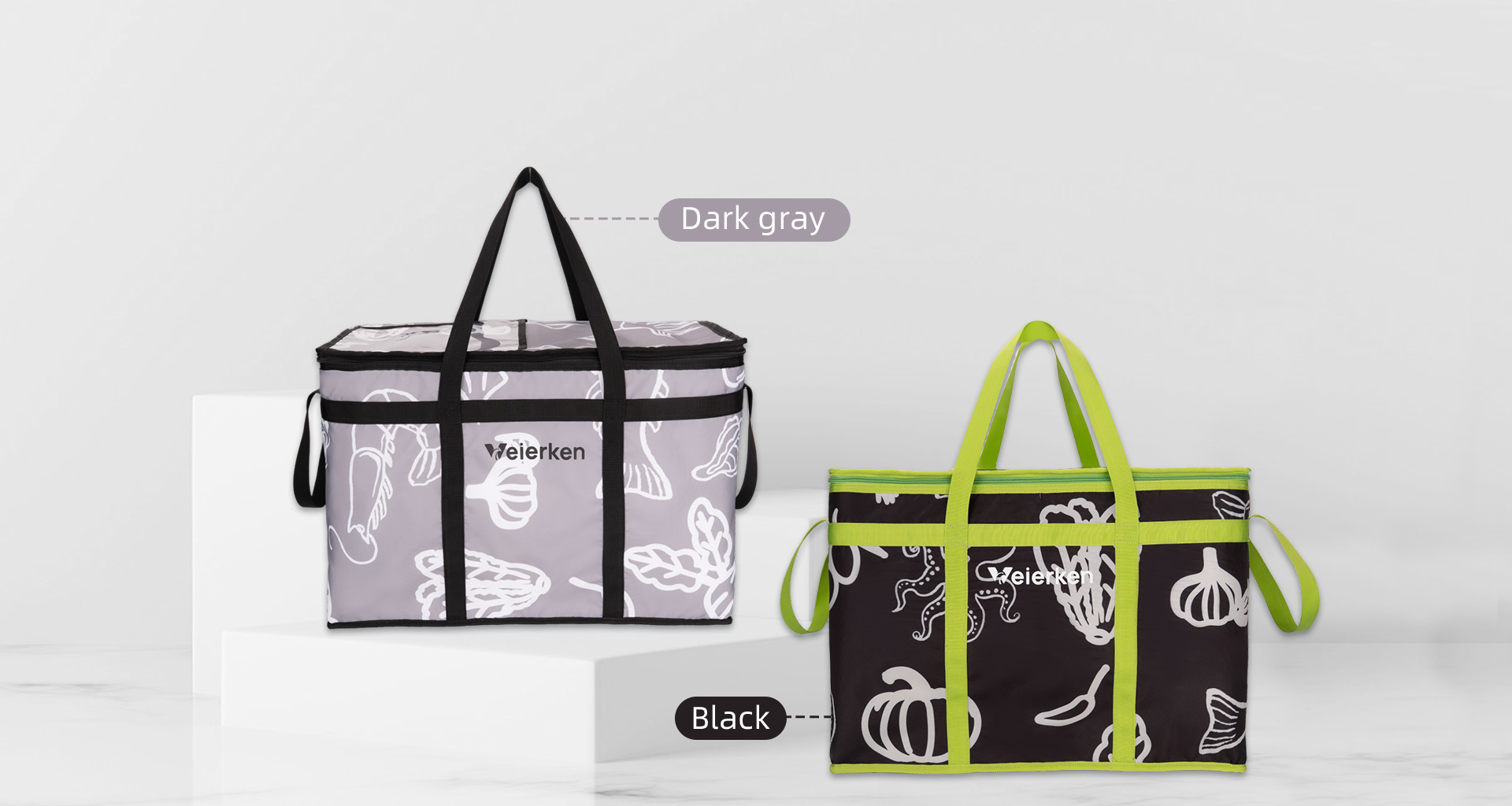
Compliance and Certification: Non-Negotiable Standards for a Trustworthy Polyester Bag Distributor
In global markets—especially Europe, North America, and Australia—compliance with environmental, social, and regulatory standards is non-negotiable. A polyester bag distributor that cuts corners on compliance can expose your business to legal risks, reputational damage, and lost sales. When evaluating compliance, focus on three key areas: environmental certifications, social responsibility, and raw material traceability.
Environmental Compliance and Certifications
Polyester production can have environmental impacts, so modern consumers and retailers prioritize distributors that adhere to eco-friendly standards. Look for certifications that validate a distributor’s commitment to sustainability, such as OEKO-TEX Standard 100 (which ensures products are free of harmful substances) and Global Recycled Standard (GRS) (which verifies the use of recycled materials).
These certifications are particularly important for export markets, where customs authorities or retailers may require proof of compliance. For example, GRS certification ensures that recycled polyester used in bags meets strict criteria for recycled content, chain of custody, and environmental practices. A polyester bag distributor without these certifications may struggle to enter regulated markets, putting your export plans at risk.
Weierken holds both OEKO-TEX Standard 100 Class II certification (safe for direct skin contact) and GRS certification (with 85%+ recycled polyester content in eligible products). The company also implements eco-friendly production practices, such as water-saving printing techniques and waste reduction programs, to minimize its environmental footprint.
Social Responsibility Certification
Ethical sourcing is increasingly important to consumers, brands, and investors. A responsible polyester bag distributor should ensure that its manufacturing processes meet basic labor standards—such as fair wages, safe working conditions, and no child labor. The Business Social Compliance Initiative (BSCI) certification is a widely recognized benchmark for social responsibility, covering areas like labor rights, health and safety, and ethical business practices.
When evaluating a distributor, ask if their factory is BSCI-certified or audited by other reputable organizations (e.g., Sedex, WRAP). A lack of social responsibility certification can lead to boycotts, negative press, or lost partnerships with ethical brands. Weierken’s factory has maintained BSCI Level A certification for 7 consecutive years, undergoing annual audits to ensure compliance with global labor standards. This commitment to social responsibility gives clients peace of mind that their products are manufactured ethically.
Raw Material Traceability and Regulatory Compliance
Raw material traceability is critical for ensuring product safety and meeting target market regulations. A reliable polyester bag distributor should be able to trace the origin of its polyester fabrics, zippers, threads, and other components—proving that materials are free of prohibited substances and meet local standards (e.g., REACH in the EU, CPSIA in the US).
Ask the distributor for documentation on their raw material suppliers, including test reports for substances like lead, phthalates, or formaldehyde. For export markets, ensure that the distributor understands and complies with specific regulations—such as labeling requirements for recycled content or country of origin. Weierken maintains a detailed raw material traceability system, with each batch of fabric linked to supplier certificates and test reports. The company’s compliance team stays updated on global regulatory changes, ensuring that all products meet the requirements of target markets.
Market Responsiveness and Service System: How a Polyester Bag Distributor Supports Your Success
Even the most capable distributor will fall short if they can’t respond to your needs or adapt to market changes. When evaluating service, focus on order efficiency, support offerings, and agility—key factors that keep your business running smoothly.
Order Response Speed, Logistics, and Delivery Reliability
Time is money in retail and distribution. A quality polyester bag distributor should respond to inquiries quickly (ideally within 24 hours), provide clear quotes, and process orders efficiently. Additionally, their logistics network should be robust enough to ensure on-time delivery—whether you’re shipping locally or globally.
Ask about the distributor’s average order processing time, preferred logistics partners (e.g., DHL, FedEx, sea freight carriers), and track record for delivery on-time delivery rate. A distributor with a delivery rate of 95% or higher indicates strong logistics coordination. Weierken’s customer service team responds to inquiries within 12 hours and processes orders within 48 hours of confirmation. The company partners with leading logistics providers and offers multiple shipping options (air, sea, land) to meet different timeline and budget needs, boasting a 98% on-time delivery rate over the past three years.
Sample Support, Sampling Cycle, and After-Sales Service
Before committing to a large order, you’ll want to test product quality—making sample support a crucial service. A reliable polyester bag distributor should offer free or low-cost samples, with a quick sampling cycle (ideally 3–7 days) to help you make decisions faster.
Additionally, after-sales service is vital for resolving issues that may arise—such as defective products, incorrect shipments, or returns. Ask about the distributor’s after-sales policy: Do they offer replacements for defective items? How quickly do they address complaints? Weierken provides free samples (with clients covering only shipping costs) and a 5-day sampling cycle for standard designs (7–10 days for custom designs). The company’s after-sales team resolves complaints within 3 working days and offers a 100% replacement guarantee for defective products—ensuring minimal disruption to your business.
Adaptability to Market Trends
The polyester bag market is constantly evolving, with trends like eco-friendly materials, minimalist designs, and functional features (e.g., anti-theft pockets, USB charging ports) gaining traction. A forward-thinking polyester bag distributor should be able to adapt its product line quickly to capitalize on these trends—helping you stay ahead of competitors.
Ask about the distributor’s product development process: How often do they launch new designs? Do they conduct market research to identify emerging trends? Can they modify existing products to align with trend demands? Weierken’s R&D team releases 15–20 new designs every quarter, based on market research and client feedback. The company was one of the first distributors to launch a line of 100% recycled polyester bags in response to growing eco-consciousness, and it regularly updates its products to include on-trend features—ensuring clients have access to market-relevant products.
Why Weierken Stands Out as a Trusted Polyester Bag Distributor
Evaluating a polyester bag distributor requires balancing capacity, compliance, and service—and Weierken excels in all three areas. With robust production capabilities, industry-leading certifications, and customer-centric service, the company has become a preferred partner for businesses worldwide. Whether you need bulk orders for retail, custom designs for your brand, or reliable export support, Weierken’s focus on quality, ethics, and agility ensures a seamless partnership.
Choosing the right polyester bag distributor isn’t just about finding a supplier—it’s about building a long-term collaborator that supports your growth. By prioritizing the criteria outlined in this guide, you can identify a distributor that meets your operational needs, complies with global standards, and helps you stay competitive in a dynamic market.
Frequently Asked Questions (FAQs) About Polyester Bag Distributors
Q1: What are the most important factors to consider when choosing a polyester bag distributor for bulk orders?
A1: For bulk orders, prioritize production capacity (ability to meet volume demands and peak season needs), delivery reliability (on-time rate and logistics network), and quality control (consistent craftsmanship). Also, verify compliance with environmental and social standards to avoid regulatory risks. Weierken’s 500,000+ monthly capacity and 98% on-time delivery rate make it ideal for bulk orders.
Q2: Do all polyester bag distributors offer customization services, and how can I confirm a distributor’s customization capabilities?
A2: Not all distributors offer customization—some focus on standard designs. To confirm capabilities, ask about supported customizations (printing, sizing, styles), MOQs for custom orders, sampling cycles, and design flexibility. Weierken supports custom prints, size adjustments, and style modifications with MOQs as low as 500 units.
Q3: What certifications should a polyester bag distributor have for exporting to the EU?
A3: For EU exports, key certifications include OEKO-TEX Standard 100 (prohibits harmful substances), GRS (for recycled content), and BSCI (social responsibility). Additionally, compliance with REACH (chemical regulations) and labeling requirements for country of origin and recycled materials is mandatory. Weierken holds all these certifications to ensure EU market access.
Q4: How long does a typical polyester bag distributor take to fulfill an order, and can this be expedited?
A4: Standard order fulfillment times range from 15–30 business days for bulk orders. Expedited options are often available for an additional fee, reducing lead times to 7–10 days. Weierken offers standard fulfillment in 15–20 days and expedited service for urgent orders, with flexible scheduling to meet tight deadlines.
Q5: What after-sales support should I expect from a polyester bag distributor?
A5: Reputable distributors offer after-sales support such as defective product replacement, order tracking, and complaint resolution. Look for clear policies on returns, replacements, and communication timelines. Weierken provides 100% replacement for defective items, real-time order tracking, and 3-day complaint resolution to ensure client satisfaction.
Q6: Can a polyester bag distributor help with product design updates to align with market trends?
A6: Yes, forward-thinking distributors have R&D teams that track market trends and offer design updates. Ask about their product development cycle, trend research processes, and ability to modify existing designs. Weierken releases quarterly new designs and collaborates with clients to adapt products to trends like eco-friendly materials or functional features.
This guide covers the core criteria for evaluating a quality polyester bag distributor, with actionable insights to help you make the right choice. If you have specific needs—such as custom design requests, export support, or bulk order quotes—feel free to reach out to Weierken for personalized assistance. With a focus on reliability, compliance, and service, Weierken is committed to helping your business thrive.