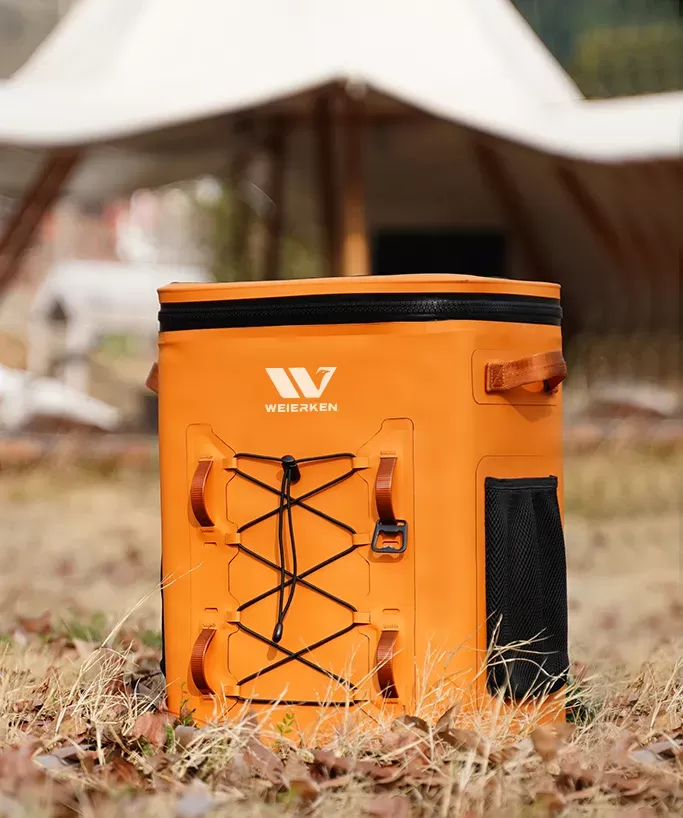

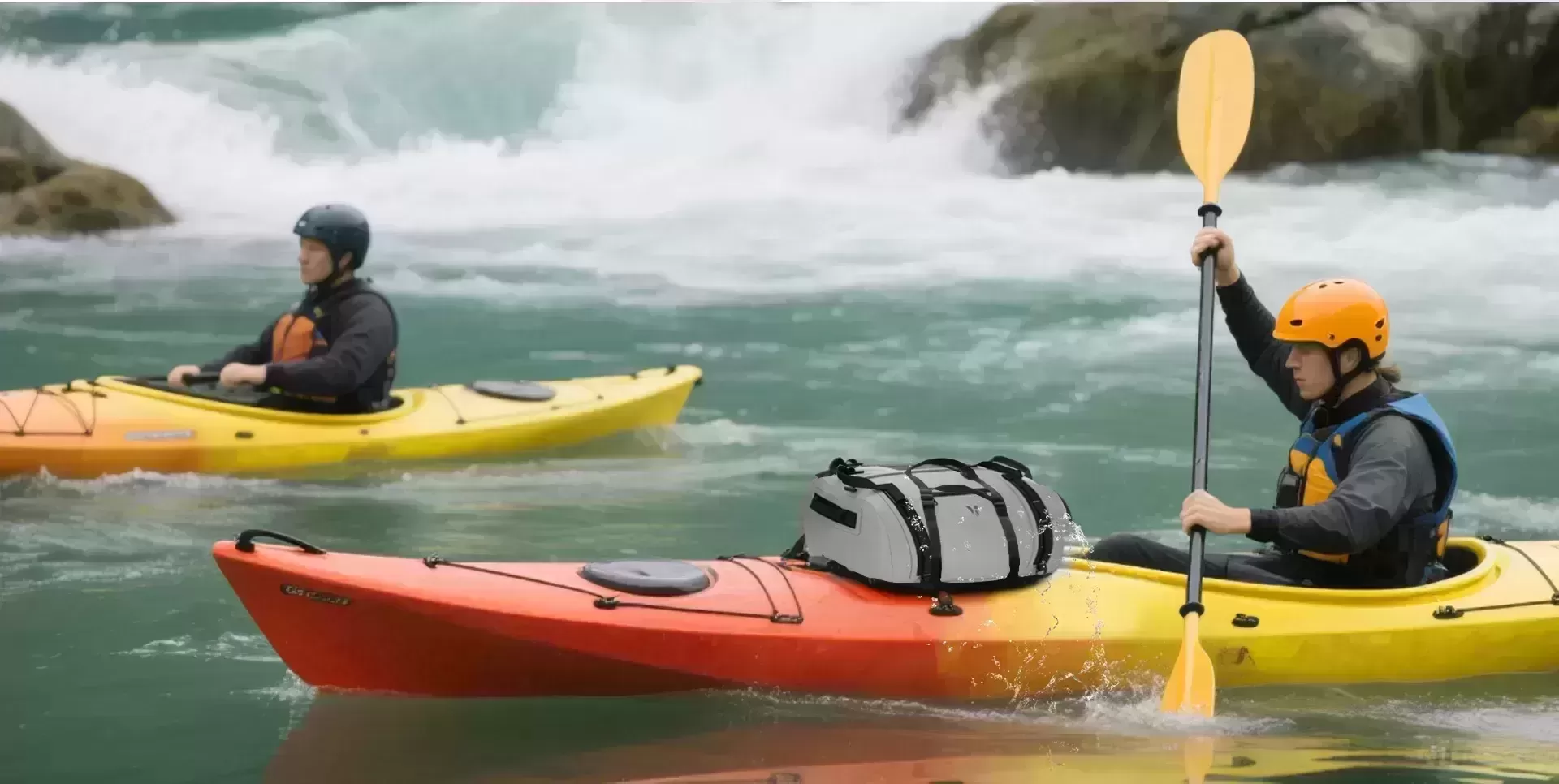
The global surf industry continues to grow steadily as more enthusiasts seek high-quality outdoor gear. With this growth, the demand for specialized protective accessories, such as surfboard travel covers, wet/dry duffels, and day packs, has risen. For product managers and brands, finding the right production partner is essential to maintaining product integrity.
Sourcing from generic luggage factories often leads to product failure. Surfing gear requires specialized manufacturing techniques to handle harsh marine environments. Brands like weierken have built their reputation by focusing on these exact technical requirements, ensuring that bags protect valuable gear under extreme conditions.
This guide outlines how to evaluate potential surfing bag manufacturers. We will cover material selection, factory certifications, and product development steps to help you secure a reliable supply chain.
1. Material & Craftsmanship: The Foundation of a Surf Bag
The durability of a surf bag depends directly on the raw materials used. Saltwater, sand, and constant sun exposure will quickly degrade standard materials. When auditing a supplier, pay close attention to their material sourcing and fabrication techniques.
Fabric Selection and Coatings
Professional surfing bags must resist punctures, abrasions, and water penetration. Ask your manufacturer if they offer the following heavy-duty fabrics:
Polyester and Nylon (600D to 900D): These fabrics offer excellent tear resistance. They should be backed with a TPU coating rather than standard PVC to improve cold-weather flexibility and environmental compliance.
Heavy-Duty Tarpaulin: Ideal for wet/dry compartments and the bottom panels of surf bags. Tarpaulin is fully waterproof, easy to clean, and highly resistant to abrasion.
UV and Mildew Resistance
Surf bags spend hours sitting on hot beaches or inside humid vehicles. Without proper treatment, fabrics will fade, weaken, and develop mold. Verify that your chosen custom surfboard bag factory uses materials treated with UV inhibitors and anti-microbial coatings. Request official testing reports to verify these material claims.
Salt-Water Protection and Hardware
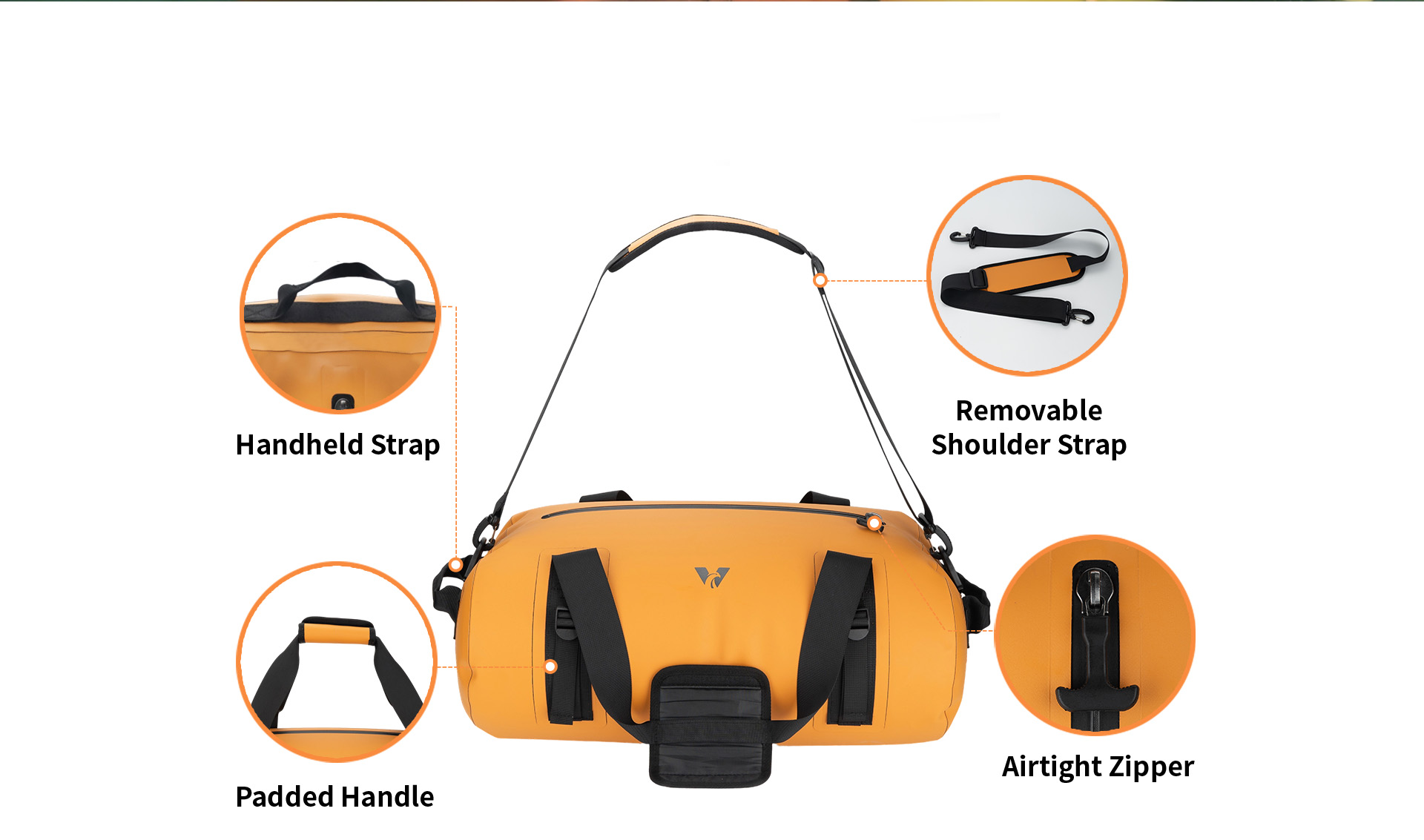
Standard metal zippers will rust and seize within weeks of exposure to coastal air. Your manufacturing partner must use corrosion-resistant hardware. Look for heavy-duty molded plastic zippers, such as marine-grade YKK zippers, which do not corrode when exposed to salt water. Pull tabs should be made of nylon cords or rubber rather than cheap zinc alloys.
Seam Construction: Stitching vs. RF Welding
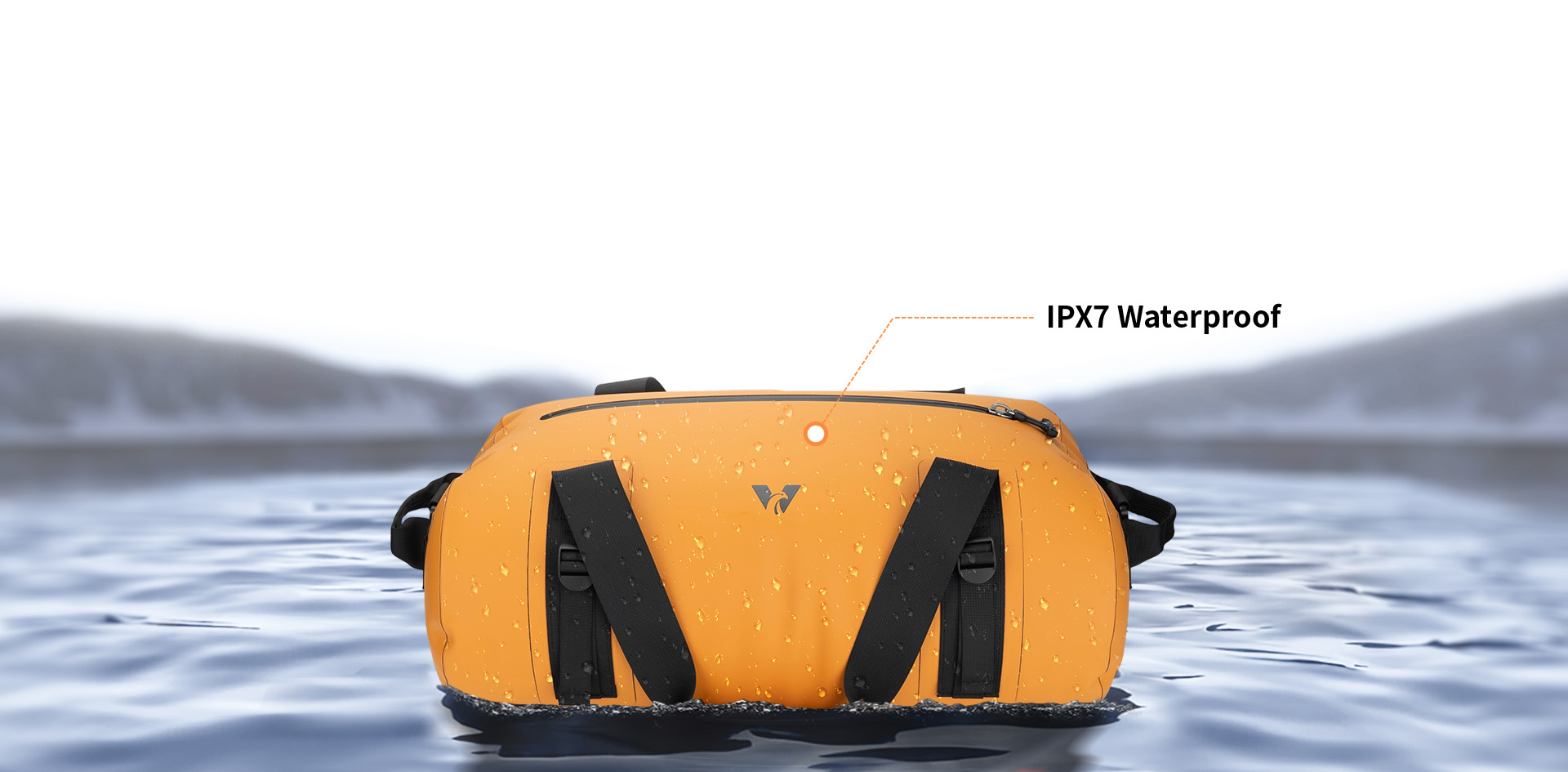
How the panels of a bag are joined determines its waterproof capabilities. Standard stitched seams are fine for dry gear covers, but they require seam-sealing tape on the inside to prevent water leakage. For fully waterproof dry bags, you must partner with an RF welding bag manufacturer.
Radio Frequency (RF) welding uses electromagnetic energy to fuse material layers at a molecular level. This process creates a permanent, seamless bond that is entirely airtight and waterproof, preventing any water from leaking in or out of the bag.
2. Production Capabilities & Factory Audits
A glossy catalog does not guarantee that a factory can handle mass production. Before signing a contract, you must verify the supplier's actual production capabilities and compliance standards.
Essential Machinery
A qualified OEM surf gear factory should own and operate specialized machinery. This equipment ensures consistent quality and timely production. Ensure their facility includes:
Automated fabric cutting machines to maintain precise panel dimensions.
Heavy-duty sewing machines designed to stitch through thick foam padding and webbing.
High-frequency hot-air sealing and RF welding machinery for waterproof seams.
Quality Management Systems (QMS)
Inquire about the factory's quality control processes. A reliable manufacturer should operate under ISO 9001 standards. They must have a dedicated Quality Control (QC) team performing inspections at three key stages:
IQC (Incoming Quality Control): Testing raw materials, zippers, and foam padding before production begins.
IPQC (In-Process Quality Control): Checking semi-finished bags on the assembly line to catch sewing errors early.
FQC (Final Quality Control): Conducting final inspections, including seam-strength tests and zipper cycle tests, before packing.
Compliance and Social Responsibility
For brands selling in North America and Europe, social compliance is non-negotiable. Ensure your surfing bag manufacturers regularly undergo third-party audits, such as BSCI or Sedex. Additionally, ask for material compliance certificates, including REACH, RoHS, or GRS (Global Recycled Standard) if your brand focuses on sustainable materials.
3. The Sampling Stage: How to Vet Technical Capabilities
The sampling phase is the best way to test a manufacturer's communication speed, technical skill, and attention to detail. This step reveals how the supplier handles complex technical designs.
Pattern Making and 3D Design
Provide the factory with your technical package (Tech Pack). A professional heavy-duty surfboard travel bag supplier should be able to interpret your 2D drawings or 3D files accurately. Their in-house pattern makers should suggest adjustments to improve durability or reduce material waste during production.
Sampling Lead Times
For a standard surfboard day bag, a reasonable sampling lead time is between 7 and 14 days. If a factory takes more than three weeks to produce a basic sample, it may indicate that they lack experienced sample makers or face raw material sourcing delays. This can cause issues when you need to scale to bulk production.
Prototype Testing
Once you receive the sample, conduct physical testing. A reliable manufacturer will also perform basic tests in their own facility. You should test the sample for:
Load Capacity: Pack the bag to its maximum weight limit and hang it by the shoulder straps to check for seam strain.
Water Resistance: Spray the bag with water to check if the zipper tape or seams allow water to pass through.
Fit and Sizing: Place actual surfboards inside the bag to ensure the padding protects the rails, nose, and tail sections correctly.
4. Supply Chain Flexibility & Commercial Terms
A successful manufacturing partnership requires aligned commercial terms. You must ensure the supplier's business model fits your brand's growth stage and inventory needs.
Minimum Order Quantity (MOQ)
Because technical surf bags require complex assembly lines, manufacturers usually require minimum orders. Standard MOQs generally range from 300 to 500 pieces per style. Experienced manufacturers, including weierken, understand the challenges faced by growing brands and often offer flexible MOQ options for initial product launches to help build long-term partnerships.
Production Lead Times
Typical bulk production lead times range from 45 to 60 days after sample approval and deposit payment. Ask the factory how they handle peak-season capacity. If they take on too many orders during the spring, your summer inventory shipments could face major delays.
Logistics and Port Proximity
Shipping costs significantly affect your final margins. Check if the factory is located near major container shipping ports, such as Shenzhen, Ningbo, or Xiamen. Proximity to these hubs reduces domestic trucking costs and speeds up the export customs clearance process.
5. How to Initiate Contact and Request a Quote
When reaching out to potential surfing bag manufacturers, the quality of your initial inquiry determines the quality of their response. Avoid vague messages. Instead, send a structured Request for Quotation (RFQ) that includes your technical requirements.
Prepare a document detailing your required materials, hardware specifications, dimensions, target target price, and estimated annual order volume. This professional approach shows factories that you are a serious business partner, helping you get accurate pricing and faster responses.
Conclusion & Next Steps
Finding a reliable supplier involves more than just comparing unit costs. The cheapest quote often leads to delaminated fabrics, rusted zippers, and split seams. Prioritize manufacturers who demonstrate a deep understanding of marine-grade materials, maintain strict quality control systems, and offer clear, honest communication.
As an experienced production partner, weierken provides reliable OEM and custom manufacturing services tailored to the outdoor and water sports industries. We help brands develop durable gear bags that stand up to real-world ocean conditions.
Are you looking to source durable, high-performance bags for your brand? Contact our team today to discuss your project specifications and receive a detailed quote.
Frequently Asked Questions
1. What is the typical MOQ when ordering custom surf bags?
Most specialized surfing bag manufacturers require a minimum order quantity (MOQ) of 300 to 500 units per style. This volume is necessary to set up specialized production lines and meet the minimum order requirements of technical fabric suppliers. Some manufacturers offer lower MOQs for established brands testing new product lines.
2. How do RF welded seams compare to traditional stitched seams?
Stitched seams use needles that pierce the fabric, creating small holes where water can eventually seep through unless they are sealed with tape. RF (Radio Frequency) welding uses heat and pressure to fuse plastic-coated fabrics together without needles. This creates a completely waterproof, airtight bond, making it the preferred construction method for dry bags and waterproof gear bags.
3. Which zipper types work best for surf gear bags?
Metal zippers rust quickly when exposed to salt water and humid coastal air. For surf bags, you should specify heavy-duty molded plastic zippers, such as those made by YKK. These plastic zippers do not corrode, slide smoothly even when sandy, and offer the durability needed for heavy outdoor use.
4. How can I confirm that a factory's materials are truly eco-friendly?
To verify green claims, ask the factory to provide valid certifications from recognized organizations. If you want recycled materials, request a Global Recycled Standard (GRS) certificate. For chemical safety and environmental compliance, ask for material safety data sheets (MSDS) showing compliance with REACH or RoHS standards.
5. What is the standard timeline from design to final bulk delivery?
The entire sourcing process generally takes between 3 to 4 months. This timeline includes 7 to 14 days for initial sample development, 7 to 10 days for sample shipping and feedback, 45 to 60 days for mass production, and approximately 20 to 40 days for ocean freight transport, depending on your final delivery destination.