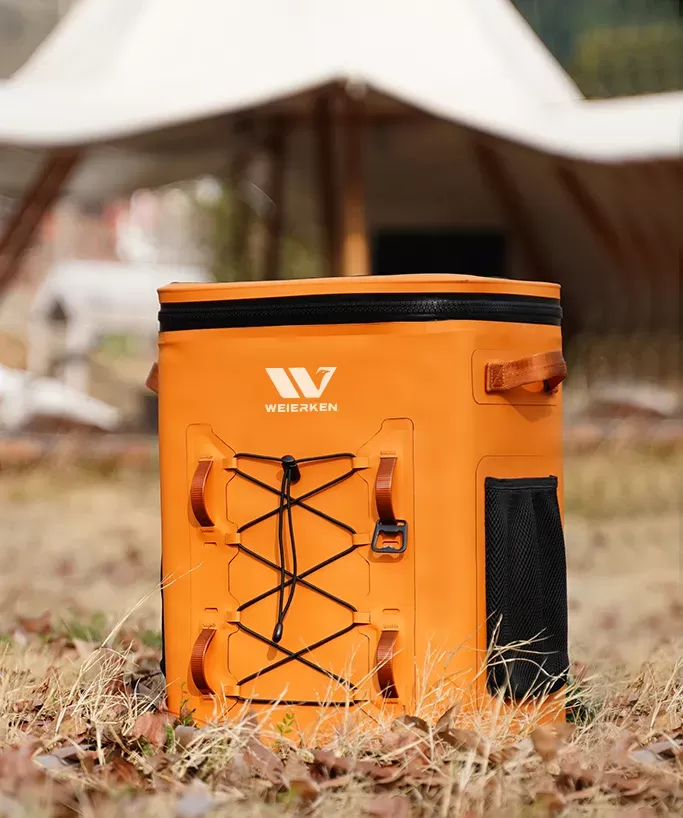


The rise of stand-up paddleboard (SUP) yoga has created a distinct product category in the water sports market. Practitioners require specialized gear that supports their practice both on land and water. This shift has driven demand for high-performance transport gear, such as oversized board bags and deck-mounted dry storage.
For brand managers, sourcing these products presents unique challenges. Standard yoga accessories lack the ruggedness needed for coastal conditions. Conversely, standard paddleboard cases often look utilitarian and lack the refined aesthetics that yoga consumers expect. Finding a middle ground requires a partner with deep industry experience.
Experienced companies like weierken help brands bridge this gap. By offering specialized OEM SUP bag services, manufacturers can deliver durable, marine-grade protection without sacrificing clean, modern design.
1. Material Standards: Ecology Meets Marine-Grade Durability
The materials chosen for an inflatable SUP board bag must withstand sun, salt, and constant moisture. When evaluating potential manufacturing partners, inspect their raw material supply chains to ensure they meet modern quality and environmental standards.
Eco-Friendly Fabrics and Certifications
Yoga practitioners highly value environmental sustainability. Therefore, your partner factory must offer sustainable material alternatives. Ask your supplier for:
RPET (Recycled Polyester): Fabrics made from post-consumer recycled plastic bottles, which help reduce landfill waste.
Non-Toxic TPU Coatings: Thermoplastic Polyurethane (TPU) is a cleaner alternative to PVC. It does not release toxic plasticizers and remains flexible in cold weather.
Certified Sourcing: Confirm the factory holds Global Recycled Standard (GRS) certificates or complies with REACH and RoHS standards.
Waterproofing and UV Protection
To protect valuable boards, the outer shell requires a robust barrier. A high-quality waterproof yoga mat bag factory will often utilize a fabric with a TPU double-sided coating. This coating prevents water from soaking into the fibers. Additionally, the outer shell must feature UV-stabilized threads and dyes to prevent premature fading or cracking under direct sunlight.
2. Structural Integrity and Ergonomic Carrying Systems
SUP yoga boards are typically wider and thicker than traditional surfboards to provide a stable platform for poses. This extra volume makes the board heavier and harder to carry. The bag's construction must be engineered to handle this extra load.
Reinforced Stitching at Stress Points
The shoulder straps and carry handles bear the brunt of the load. A standard seam will fail quickly under the weight of a 15-kilogram inflatable board. Ensure your custom paddleboard backpack manufacturer utilizes heavy-duty bartack stitching at all stress points. This dense, zigzag stitch pattern reinforces the fabric layers, preventing tear-outs at critical connection points.
Ergonomic Carrying Systems
Transporting a heavy board down to the shoreline requires a comfortable carrying system. Look for manufacturers that design and build ergonomic backpack straps. These systems should include:
Thick, contoured shoulder straps lined with breathable 3D spacer mesh to reduce shoulder strain.
Adjustable sternum straps and wide, padded hip belts to distribute weight evenly across the user's torso.
Molded foam back panels with ventilation channels to keep the user cool during long walks.
Functional Layout and Storage
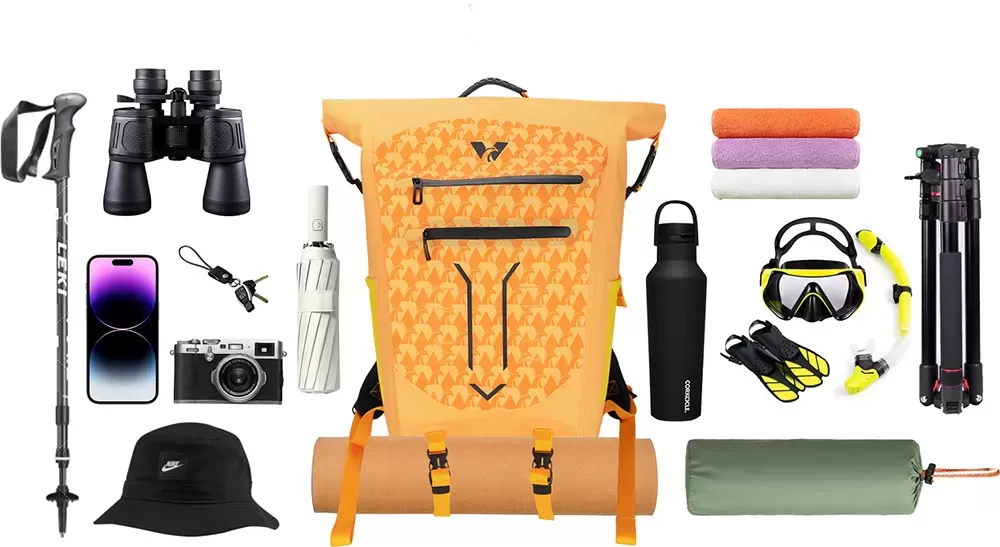
A well-designed bag must accommodate more than just the board itself. A professional OEM supplier will design practical storage compartments. Look for integrated straps to carry a yoga mat externally, separate dry zones for clean clothes, and secure mesh side pockets to hold paddles and water bottles.
3. Critical Manufacturing Processes: Waterproofing & Corrosion Resistance
The difference between a cheap bag and a professional marine-grade bag lies in the manufacturing processes. General luggage factories often lack the equipment needed to build truly water-resistant gear.
High-Frequency RF Welding
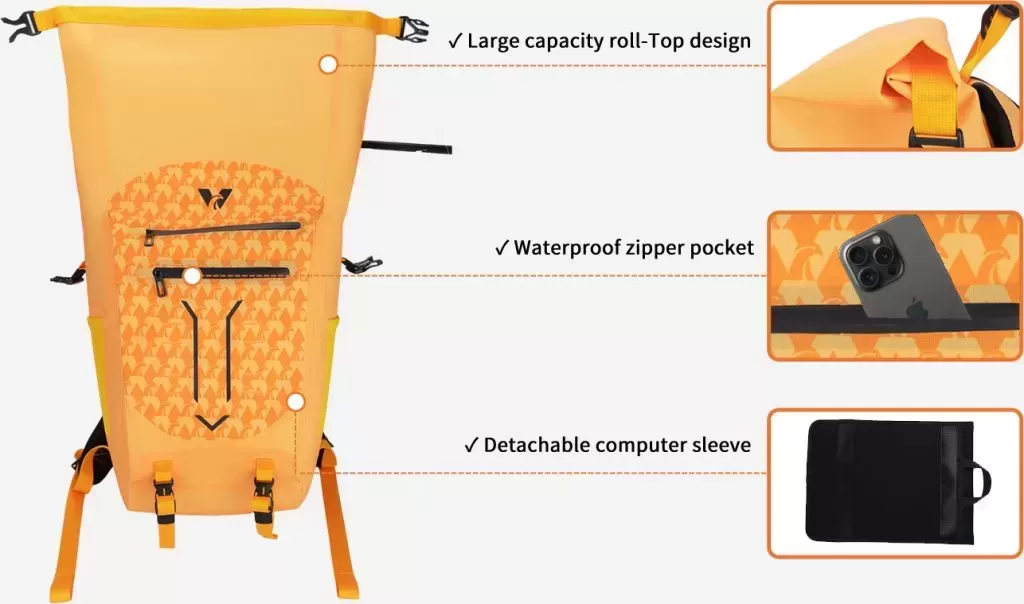
For deck-mounted bags or dry storage packs, traditional stitched seams are not sufficient. To achieve a reliable IPX waterproof rating (such as IPX6 or higher), the manufacturer must use High-Frequency (HF) or Radio Frequency (RF) welding. This process uses electromagnetic energy to fuse TPU-coated fabrics together, creating a seamless, airtight bond that prevents water from entering the bag.
Salt-Spray Resistant Hardware
Saltwater air will corrode cheap metal hardware within weeks. A quality-focused marine-grade bag OEM uses non-corrosive alternatives. These include heavy-duty molded plastic zippers (such as YKK plastic sliders) and anodized aluminum alloy buckles. These parts should undergo independent salt-spray chamber testing to confirm their durability in marine environments.
Factories like weierken implement these precise manufacturing steps, ensuring that every zipper, buckle, and welded seam stands up to rugged coastal use over time.
4. Quality Control & Testing Protocols
A reliable OEM manufacturer does not rely on visual inspections alone. They use standardized testing protocols to verify that every production run meets your brand's quality requirements.
Tension and Load Testing
Ask potential manufacturers if they perform mechanical tension testing. This test pulls on handles and shoulder straps with calibrated force to find the point of failure. This testing ensures that the bag can carry heavy gear without tearing during transit.
Water Ingress and Rain Testing
For waterproof bags, factories should conduct rain chamber tests. The finished bags are sprayed with pressurized water from multiple angles to check for leaks around zippers and seams. This test ensures your customers' dry clothes and electronics stay safe inside the bag.
Color Fastness Testing
Bright colors are common in yoga gear, but salt water and sweat can cause dyes to bleed. The factory should test fabric samples for color fastness under simulated sunlight and wet rubbing conditions. This keeps your brand's colors looking bright and prevents dye from rubbing off onto users' clothing.
5. Sourcing Recommendations for B2B Procurement Managers
When comparing sup yoga bag manufacturers, look beyond the unit price. A low-cost quote often means the supplier is using cheap fillers, low-grade zippers, or uncertified fabrics. These compromises lead to higher return rates and can hurt your brand's reputation.
Ask for physical samples of past production runs. Inspect the neatness of the stitching, the smoothness of the zippers, and the overall feel of the fabric. Also, make sure the factory has an in-house QC team that handles inspections at every stage of production, rather than relying on final random checks.
Conclusion & Next Steps
Building a successful SUP yoga bag line requires a balance of physical durability and appealing design. By choosing an experienced OEM partner who understands both water sports requirements and eco-friendly manufacturing, you can deliver high-quality products that satisfy discerning customers.
At weierken, we provide comprehensive manufacturing services to help water sports brands bring their designs to life. We focus on durable materials, functional designs, and rigorous quality control for all our products.
Are you ready to design your next custom product line? Contact our team today to request a quote or discuss your project specifications with our product development team.
Frequently Asked Questions
1. Why is TPU coating preferred over PVC for SUP yoga gear?
TPU (Thermoplastic Polyurethane) is more environmentally friendly than PVC because it does not contain harmful phthalates or heavy metals. It is also lighter, has better UV resistance, and does not crack or stiffen in cold temperatures, making it a better fit for the eco-conscious yoga market.
2. What is the standard MOQ for custom paddleboard backpacks?
The standard minimum order quantity (MOQ) for custom-designed SUP backpacks typically ranges from 300 to 500 units per style. This quantity allows the factory to purchase custom-dyed fabrics and set up specialized assembly lines efficiently.
3. How do factories verify the load-bearing capacity of these bags?
Factories use tension testing machines to pull on straps and handles until they fail, recording the maximum weight they can hold. They also perform static hang tests, hanging loaded bags for 24 to 48 hours to check for any seam stretching or fabric distortion.
4. Can we use recycled fabrics for waterproof bags?
Yes, recycled polyester (RPET) can be laminated with a waterproof TPU backing. This combination allows you to create a bag that is both environmentally friendly and fully waterproof, meeting the standards of eco-conscious water sports brands.
5. How do you protect our brand's design files during the OEM process?
We secure all client designs with Non-Disclosure Agreements (NDAs) before receiving any files. All technical drawings and pattern files are stored on secure internal servers, and we use proprietary molds and custom components only for your authorized production runs.