Every baker knows the sinking feeling of sending a pristine cake out the door, only to worry about its condition upon arrival. The road is full of potholes, sharp turns, and fluctuating temperatures. Your masterpiece relies heavily on the quality of the carrier used to transport it.
Finding a reliable cake delivery bag distributor is not just about buying a bag; it is about securing an insurance policy for your product. You need a partner who understands the specific physics of transporting heavy, fragile, and temperature-sensitive desserts.
Whether you are a local bakery scaling up operations or a logistics company specializing in food transport, vetting your supplier is the first step toward zero-fail deliveries. Companies like weierken have set high standards in this niche, but how do you measure others against them?
Here is a comprehensive 5-point checklist to help you verify the capabilities of your next supplier.
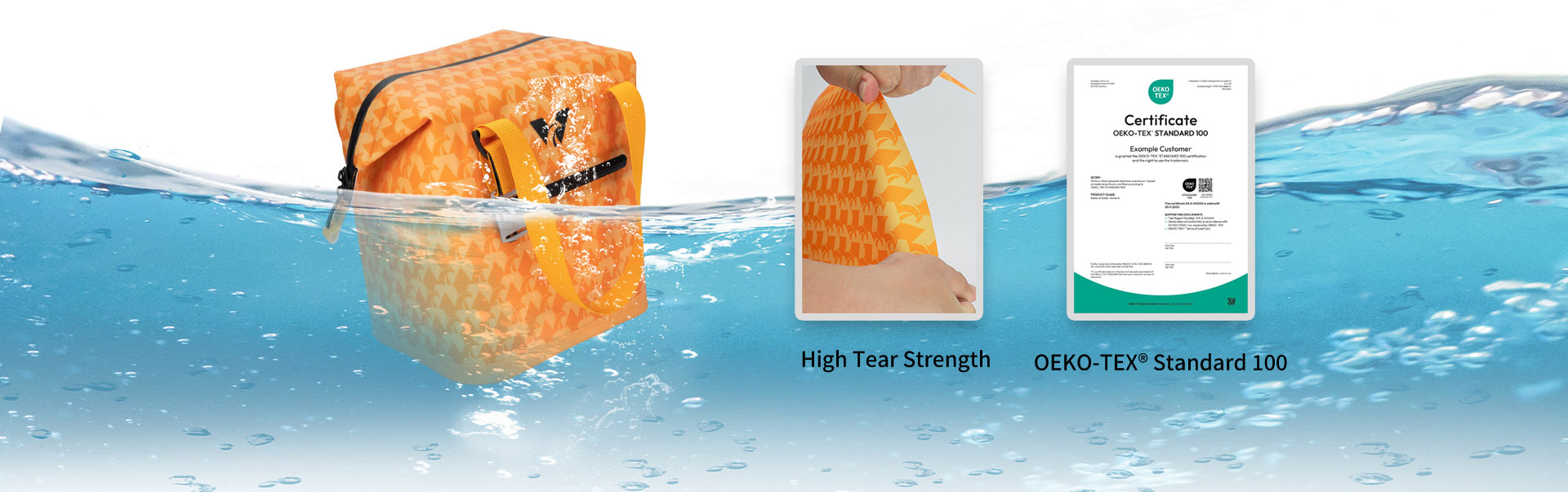
1. Validating Temperature Control Performance Data
The primary function of any delivery bag is thermal retention. However, the market is flooded with vague claims like “keeps food cold for hours.” In the cake industry, vague promises lead to melted buttercream and collapsing fondant.
When you engage with a cake delivery bag distributor, you must move past marketing slogans and demand hard data.
Request Third-Party Laboratory Reports
Do not settle for internal testing results which can be biased. Ask the supplier for reports from independent testing organizations. A professional manufacturer will have these on hand.
You need to look for specific parameters in these reports:
- Ambient Simulation: The test should mimic a hot delivery vehicle in summer (often around 35°C or 95°F).
- Duration: The report must show how long the internal temperature stays within the critical 2-8°C range.
- Cooling Agents: The data should specify if ice packs were used, how many, and where they were placed.
Data Verification Tactics
If a supplier claims their bag holds temperature for four hours, ask for the temperature curve graph. You want to see the rate of heat loss, not just the end result.
- Ask for case studies: Have other clients successfully transported mousse cakes in July?
- Material specs: Ask about the density of the insulation foam. High-density foam outperforms standard cotton batting significantly.
- Sealing checks: Temperature leaks often happen at zippers. Ask for data regarding air permeability at the closures.
A cake delivery bag distributor that hesitates to share this technical data is likely cutting corners on insulation materials.
2. Reviewing Internal Protection and Structural Integrity
A standard pizza bag will destroy a tiered cake. Cakes are heavy, have a high center of gravity, and are prone to sliding. The internal structure of the bag is arguably more important than the exterior look.
You need to evaluate if the product design is specifically optimized for maintaining the visual integrity of a cake.
Shock Absorption Capabilities
The road provides constant vibration. If the bag lacks cushioning, that energy transfers directly to the cake structure.
- Check the lining: Look for EVA foam or high-density sponge padding. It should be firm enough to hold shape but soft enough to absorb road shock.
- Reinforced bottoms: A sagging bottom causes the cake board to warp. The distributor must provide bags with rigid, removable hardboards or reinforced composite bottoms.
Anti-Tilt and Fixation Systems
The number one enemy of cake delivery is tipping.
- Adjustable straps: Does the bag include internal straps to secure the cake box against the back wall?
- Non-slip flooring: The bottom material inside the bag should have high friction to prevent the box from sliding during braking.
- Customizable spacers: innovative suppliers often provide Velcro-attachable foam blocks. You can place these around smaller boxes to fill empty space, ensuring a snug fit regardless of the cake size.
Reasonable Partitioning
Your drivers are often delivering more than just the cake. They have candles, knives, toppers, and perhaps paper plates.
- Ask if the bag has separate compartments or mesh pockets.
- Ensure these pockets are external or separated by a divider to prevent hard objects from pressing against the soft cake box during transit.
3. Confirming Material Safety, Compliance, and Hygiene
Food safety regulations are tightening globally. Even though the cake is in a box, the carrier bag is considered a “secondary food contact surface.” Your cake delivery bag distributor must be compliant with international safety standards.
Food Contact Safety
You must ensure the materials do not release harmful substances, especially when the bag heats up in the sun or gets wet.
- Certifications: Request FDA (USA) or LFGB (Europe) compliance documents for the inner lining materials.
- Odor check: Samples should be free from strong chemical smells. A strong plastic odor indicates low-grade PVC, which can taint the flavor of sensitive dairy-based icings.
Hygiene and Cleanability
Cream spills. Icing smears. It happens. If the bag cannot be cleaned easily, it becomes a breeding ground for bacteria and mold.
- Waterproof interiors: The lining must be fully waterproof and oil-resistant. Aluminum foil linings or PEVA materials are common, but check the thickness.
- Wipe-down capability: You should be able to sanitize the interior with a simple disinfectant wipe without degrading the material.
- Removable liners: The best designs feature a liner that can be fully unzipped and removed for deep cleaning or replacement.
Environmental Regulations
Sustainability is becoming a mandate for many businesses.
- REACH and CPSIA: Verify that the materials comply with regulations regarding lead, phthalates, and other hazardous chemicals.
- Eco-friendly options: Ask your cake delivery bag distributor if they offer bags made from recycled PET (rPET) or other biodegradable materials. This can be a strong selling point for your own brand.
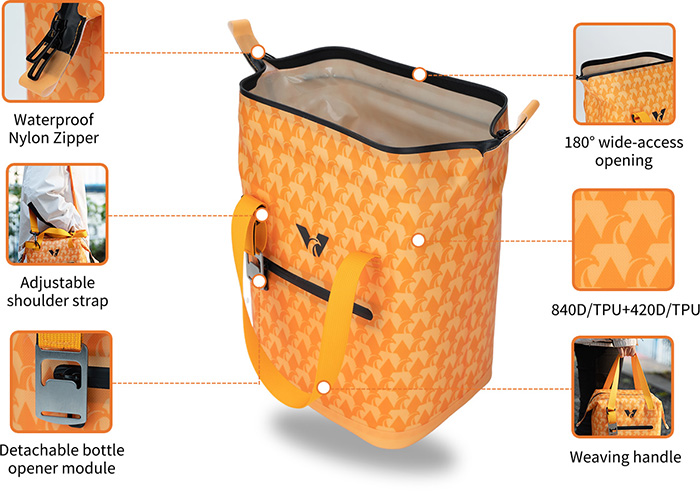
4. Assessing Customization Capabilities and Brand Service
Your delivery bag is a moving billboard. It travels through neighborhoods, sits in office lobbies, and appears in customer photos. A generic black bag is a missed marketing opportunity.
When working with a partner like weierken, you realize that customization goes beyond just slapping a sticker on the side.
Branding Quality
- Logo execution: Ask about their specific techniques. Embroidery looks premium and lasts longer. Heat transfer printing is cost-effective for complex, multi-color gradients. Silk screening is great for bold, simple logos.
- Durability of print: Ask for guarantee periods on the logo. You do not want your brand name peeling off after three weeks of rain exposure.
Dimensional and Functional Customization
One size rarely fits all in the bakery world. You might specialize in tall wedding cakes or wide sheet cakes.
- Fit for purpose: Can the distributor resize the bag to fit your specific cake box dimensions (e.g., 10x10x12 inches)?
- Feature additions: Can they add a transparent window for order tickets? Can they add a reinforced handle on the side for two-person carrying?
ODM Support
If you have a completely new concept—perhaps a bag that converts into a display stand—you need a supplier with Original Design Manufacturer (ODM) capability.
- Ask about their design team.
- Request examples of products they engineered from scratch for other clients.
- Evaluate their ability to take a rough sketch and turn it into a functional prototype.
5. Verifying Supply Chain Reliability and After-Sales Support
The best product in the world is useless if it arrives three months late. The reliability of your cake delivery bag distributor is the backbone of your operations.
Lead Times and Rush Orders
Bakery demand fluctuates. You might need extra bags before the holiday rush.
- Standard lead time: precise timelines for production (e.g., 25-30 days).
- Emergency capacity: Ask if they have “ready-to-ship” stock of neutral items that you can use in a pinch while waiting for custom orders.
Minimum Order Quantity (MOQ)
Flexibility is key for growing businesses.
- MOQ Policy: large factories might demand 1,000 units. Distributors or agile manufacturers might allow 100 or 500 units for a trial run.
- Tiered pricing: Understand how the price per unit drops as you scale up.
Quality Assurance and Warranty
Defects happen, but how the supplier handles them defines the partnership.
- Warranty scope: Does the warranty cover zipper failure? Does it cover insulation degradation?
- Resolution process: If you receive 500 bags and 50 have defective stitching, what is the protocol? Do they send replacements immediately, or do they require you to ship the defects back first?
Sample Verification
Never place a bulk order without testing a sample.
- The “Shake Test”: Put a dummy cake in the sample bag and drive around.
- The “Load Test”: Load it with weights exceeding your heaviest cake to test handle strength.
- Visual Inspection: Check the stitching density. Loose threads are a sign of rushed production.
Sourcing the right equipment is a detailed process that requires looking past the surface. You are not just buying a bag; you are buying the assurance that your cakes arrive exactly as they left your kitchen.
By rigorously checking temperature data, structural safety, material compliance, customization options, and supply chain stability, you filter out low-quality traders. You find a true partner.
Brands like weierken have built their reputation by addressing these exact checkpoints, offering robust solutions for professional bakers. Whether you choose them or another cake delivery bag distributor, using this checklist will ensure your decision is based on facts, data, and performance.
Protect your product. Protect your brand. choose your logistics partners wisely.
Frequently Asked Questions (FAQ)
Q1: What is the ideal insulation thickness for a cake delivery bag?
A: generally, for maintaining temperatures between 2-8°C, we recommend at least 8mm to 10mm of high-density EPE or EVA foam combined with a reflective aluminum foil liner. Thinner insulation may work for short distances (under 20 minutes) but will fail during longer routes or multiple stops.
Q2: Can I get a sample from a cake delivery bag distributor before committing to a bulk order?
A: Yes, reputable distributors should always offer sample units. You may need to pay a sample fee and shipping costs, but this is a crucial investment. It allows you to perform your own temperature retention tests and check if your specific cake boxes fit snugly inside the carrier.
Q3: How do I clean and maintain commercial cake delivery bags?
A: Most professional bags use waterproof PVC or aluminum foil linings. You should wipe them down daily with a food-safe disinfectant spray. Do not machine wash them unless the manufacturer explicitly states it is safe, as agitation can ruin the internal insulation foam. Leave them open to air dry overnight to prevent mold growth.
Q4: What is the typical Minimum Order Quantity (MOQ) for custom-branded bags?
A: MOQs vary by manufacturer. For fully custom sizes and colors, the MOQ is often between 500 to 1,000 units. However, for simple logo printing on existing stock models, some distributors can accommodate orders as low as 50 to 100 units. Always ask about “trial order” policies.
Q5: How long can a high-quality delivery bag keep a cake cold?
A: With proper pre-chilling and the use of adequate ice packs (gel packs), a high-quality bag can maintain a temperature below 8°C for 3 to 5 hours, depending on external conditions. Without ice packs, the insulation acts only to slow down heat transfer, typically protecting the cake for about 1 to 2 hours.
Q6: Why is the “anti-tilt” feature so important for cake bags?
A: Unlike pizza or Chinese takeout, cakes have a high center of gravity. Standard square bags allow the box to slide. An anti-tilt feature usually involves internal straps, Velcro dividers, or a non-slip floor that locks the cake box in position. This prevents the cake from sliding into the side of the bag during turns or sudden stops.
Ready to upgrade your delivery operations?
Don’t leave your deliveries to chance. Contact us today to discuss your requirements with a professional cake delivery bag distributor. Whether you need stock solutions or fully customized carriers, we are here to support your business growth.
[Click Here to Send an Inquiry]