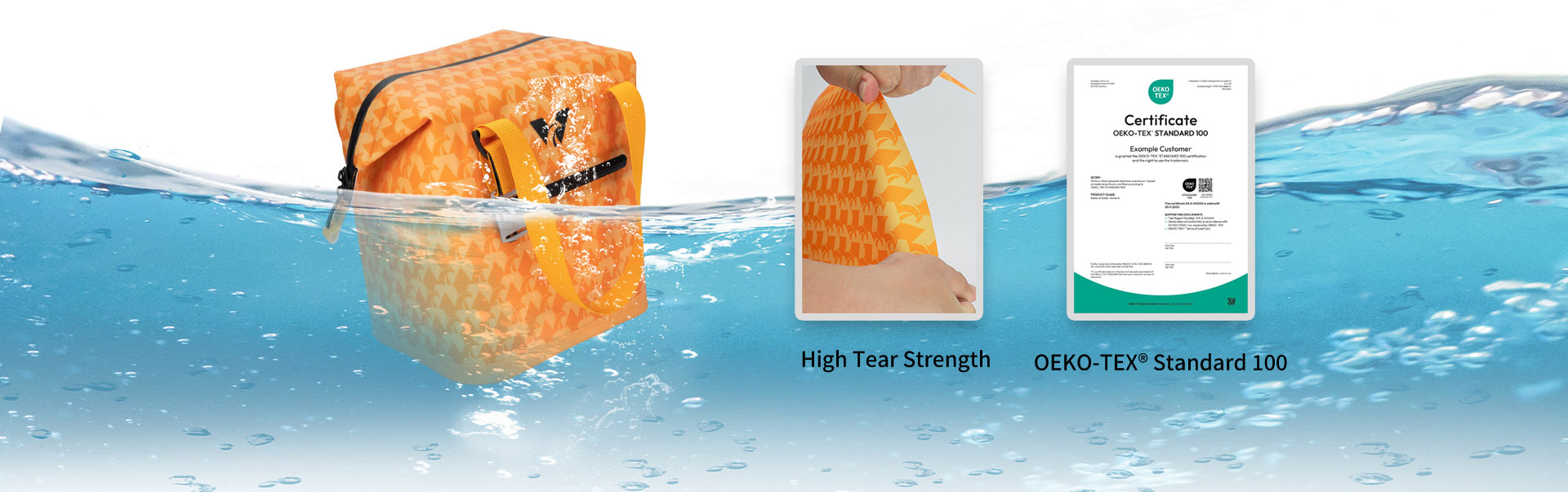
Jet skiing exposes outdoor gear to extreme, unforgiving environments. Riders face high-speed water splashes, violent wave impacts, accidental drops, and temporary submersions. If you sell marine accessories, your products must survive these harsh conditions without failing.
The IPX7 waterproof rating represents the gold standard for high-quality personal watercraft storage. It guarantees the product withstands immersion in one meter of water for thirty minutes with no harmful effects. As a B2B buyer, understanding how a top jet ski pouch fabricator validates this standard helps you assess their technical capabilities.
At weierken, we know that rigorous testing separates premium manufacturers from average suppliers. You cannot risk your brand reputation on unverified waterproof claims. A reliable waterproof pouch manufacturer actively subjects their products to intense physical trials before mass production begins.
To help you evaluate your supply chain, we have detailed the four core IPX7 tests executed by industry-leading manufacturers.

1. Static Immersion Testing
The static immersion test serves as the baseline requirement for the IPX7 standard. This direct verification method proves the core structural integrity of the bag. It ensures that water cannot breach the material or the seals under standard atmospheric pressure at a specified depth.
Every professional jet ski pouch fabricator must perform this foundational test. It eliminates basic manufacturing flaws before moving to more complex testing phases.
Purpose of the Test
The primary goal is simple yet critical. The test verifies if the pouch can block water intrusion when submerged at a specific depth for a strictly controlled timeframe. It simulates a scenario where a rider drops the pouch into the water while docking or resting.
Testing Methodology
Technicians follow a strict procedural protocol to ensure accurate results. They leave nothing to chance during this evaluation.
- Technicians fully close the pouch using its intended sealing method. They engage all zippers, roll-tops, and buckles exactly as a consumer would.
- They submerge the sample completely into a specialized water tank. They ensure the top of the pouch rests at least one meter below the water’s surface.
- The sample remains submerged for exactly 30 minutes. Technicians may gently agitate the water to simulate mild currents, but they do not apply extra mechanical pressure.
- After the time elapses, technicians remove the sample and thoroughly dry the exterior. They immediately open the pouch to inspect the internal compartment.
Passing Criteria and Manufacturer Proof
A competent custom jet ski bag supplier holds strict passing criteria. The interior must remain completely dry. The tester must find zero visible water droplets or trapped moisture. Furthermore, all functional parts like buckles and zippers must operate smoothly after the soak.
B2B buyers should demand concrete evidence of this test. You must request the following documentation:
- Third-party laboratory IPX7 test reports detailing the specific conditions, process photos, and final pass/fail judgments.
- For Original Design Manufacturing (ODM) projects, ask the factory to provide internal testing logs for every production batch.
- Weight comparison data, showing that the weight difference before and after submersion is less than 1%.
2. Dynamic Simulation Testing
Static immersion alone cannot fully replicate the reality of jet skiing. Riders bounce across choppy waves, generating intense vibrations and high-velocity water impacts. A static tank does not test how seals behave under constant kinetic stress.
To bridge this gap, a top-tier jet ski pouch fabricator like weierken incorporates dynamic simulation into their quality assurance process. This advanced testing separates premium gear from basic recreational bags.
Purpose of the Test
Dynamic testing evaluates the pouch’s waterproof reliability during high-speed travel. It simulates the exact vibration frequencies and wave bumps the bag will endure while strapped to a speeding personal watercraft.
Testing Methodology
This process requires specialized mechanical equipment to mimic the physical stress of the ocean.
- Engineers load the pouch with simulated weights, such as clothing or dummy mobile phones, to replicate a real-world payload.
- They secure the fully sealed pouch onto a mechanical vibration platform submerged in a water tank.
- The technicians activate the platform. They tune the vibration frequency and amplitude (typically adjustable between 10Hz and 50Hz) to mimic a jet ski’s engine and hull impacts.
- This intense mechanical shaking continues underwater for 30 continuous minutes.
- Upon removal, engineers check for internal water ingress and inspect the structural seals for any physical shifting or deformation.
Passing Criteria and Manufacturer Proof
The pouch must maintain a bone-dry interior despite the violent shaking. The physical sealing structures, such as high-frequency welded seams, must remain perfectly intact without any signs of separation.
When auditing a jet ski pouch fabricator, you should request proof of dynamic capabilities:
- Comprehensive dynamic waterproof testing reports that clearly record the specific vibration frequencies, duration, and water depth.
- Video evidence of the testing process. Visual confirmation gives B2B buyers higher confidence in the supplier’s testing infrastructure.

3. Seam and Seal Structure Special Tests
Water rarely breaches the main fabric of a high-quality marine bag. Instead, leaks almost always occur at the weakest points: the seams, zippers, and openings. Recognizing this, a dedicated jet ski pouch fabricator focuses intense testing specifically on these vulnerable junctions.
Premium manufacturers abandon traditional stitching entirely. They rely on high-frequency welding and advanced taping. Verifying the strength of these modern joining techniques requires specialized structural testing.
Purpose of the Test
These tests specifically validate the reliability of high-frequency welds, heat-pressed tape seals, and specialized waterproof zippers. They ensure the joints remain as strong and impermeable as the base fabric itself.
Testing Methodology
Engineers break down the testing into three specific sub-categories to cover every potential point of failure.
- Seam Peel Testing: Technicians cut a seam section from the sample. They use a tensile testing machine to pull the seam apart at a 180-degree angle. They record the maximum peel force before the bond fails.
- Zipper Spray Testing: Testers isolate the waterproof zipper. They place it horizontally and blast it with a direct water spray from 10 centimeters away for 30 seconds to check for micro-leaks.
- Airtightness Testing: Technicians inflate a fully sealed sample to a specific air pressure. They monitor the pouch over a set period to observe any pressure drops, which indicate microscopic leaks.
Passing Criteria and Manufacturer Proof
The factory must meet strict numerical benchmarks. The seam peel strength must achieve specific industry values (such as ≥3N/mm). The airtightness test must show a pressure drop of no more than 5% over the testing duration. The zipper backing must show zero moisture.
Your custom jet ski bag supplier should readily provide:
- Tensile strength reports from a certified machine for all high-frequency welded seams.
- Targeted zipper waterproof reports demonstrating resistance to direct water pressure.
- Airtightness pressure logs confirming the integrity of the overall build.
4. Thermal Shock and Aging Waterproof Tests
Marine equipment lives a harsh life. Jet ski pouches bake under intense UV radiation during the day and face rapid temperature drops at night. Over time, these environmental shifts cause chemical degradation. Cheap waterproof materials lose their elasticity, become brittle, and eventually crack.
A responsible jet ski pouch fabricator refuses to test only brand-new prototypes. They artificially age the materials first to guarantee the IPX7 rating holds up after years of real-world use.
Purpose of the Test
This final testing phase proves that the pouch retains its IPX7 waterproof rating even after suffering severe temperature fluctuations and prolonged ultraviolet exposure. It guarantees long-term durability for the end consumer.
Testing Methodology
Technicians subject the bags to a brutal series of environmental chambers before the final water test.
- Thermal Shock Pre-treatment: Technicians place the sample in a -20℃ freezing chamber for two hours, then immediately move it to a 60℃ heating chamber for another two hours. They repeat this cycle three times to simulate extreme weather shifts.
- UV Aging Pre-treatment: Engineers place the pouch inside a UV aging chamber. They expose it to intense artificial sunlight according to the ISO 4892-2 standard for up to 100 hours.
- Flexing Fatigue Pre-treatment: Mechanical arms repeatedly bend and fold the critical areas (like the roll-top closure) thousands of times to simulate years of user operation.
- After completing all pre-treatments, the battered sample undergoes the 30-minute static IPX7 immersion test once again.
Passing Criteria and Manufacturer Proof
The artificially aged pouch must successfully pass the baseline IPX7 immersion test. Furthermore, visual inspection of the seals must reveal no significant cracking, severe discoloration, or material delamination.
To secure your investment, ask your waterproof pouch manufacturer for:
- Detailed thermal shock testing reports showing the exact temperature ranges used.
- UV aging reports that reference recognized international standards like ISO 4892-2.
- Post-aging waterproof test certificates proving the product still meets the IPX7 classification.
Ensuring your marine gear survives the water requires strict oversight of your manufacturing partners. By verifying that your jet ski pouch fabricator executes static immersion, dynamic simulation, structural seal testing, and environmental aging tests, you protect your brand from costly product failures.
At weierken, we engineer our products to exceed these four critical testing phases. We provide transparent documentation and rigorous quality control for all our B2B partners.
Are you ready to source premium, fully certified waterproof jet ski pouches for your brand? Send us your inquiry today, and let our engineering team bring your project to life!
Frequently Asked Questions (FAQs)
Q1: What exactly does an IPX7 rating mean for a jet ski pouch?
An IPX7 rating guarantees that the pouch can be submerged in up to 1 meter of water for 30 minutes without any water leaking inside. For jet skiers, this means if their pouch falls off the watercraft or they capsize, their sensitive items like phones and key fobs remain completely safe and dry while they retrieve the bag.
Q2: Can any standard bag factory operate as a reliable jet ski pouch fabricator?
No. Traditional cut-and-sew bag factories use needles and thread, which puncture the fabric and create thousands of tiny leak points. A true jet ski pouch fabricator utilizes expensive High-Frequency (HF) welding machinery. This technology uses electromagnetic energy to melt and fuse the thermoplastic materials together at a molecular level, creating a completely seamless, waterproof bond.
Q3: How can B2B buyers verify dynamic test results if we cannot visit the factory in person?
Reputable manufacturers provide transparent proof for remote buyers. You should request unedited video footage of the dynamic vibration tests being performed on your specific prototype. Additionally, you can hire third-party inspection agencies like SGS or TÜV Rheinland to visit the factory and supervise the dynamic testing process on your behalf.
Q4: Do the waterproof zippers on these pouches require special maintenance?
Yes, airtight waterproof zippers require basic maintenance to ensure longevity. Saltwater, sand, and grit can dry out the zipper teeth and damage the rubberized sealing lips. We recommend advising your end-consumers to rinse the zippers with fresh water after ocean use and occasionally apply a silicone-based zipper lubricant to keep the action smooth and the seal tight.
Q5: Why is the airtightness test considered a good substitute for water immersion during mass production?
During mass production, submerging every single pouch in water is inefficient and requires extensive drying time before packaging. Airtightness testing offers a faster, cleaner alternative. If a custom jet ski bag supplier pumps air into a sealed bag and the pressure gauge holds steady, it proves there are no microscopic holes. If air cannot escape under pressure, water cannot enter, ensuring IPX7 compliance efficiently.