When you source lightweight bags for your brand, the pricing often looks different from standard products. You might wonder why a small, simple-looking bag costs more than a larger, heavier one. The answer lies in the materials and engineering required.
Lightweight construction is a specialized field. It demands high-performance fabrics, precision manufacturing, and significant research and development. As a B2B buyer, understanding these cost drivers helps you negotiate better and plan your budget accurately. A professional lightweight bag fabricator like weierken builds products that balance weight savings with real-world durability.
Here are the seven factors that directly impact your cost.
1. High-Performance Material Costs
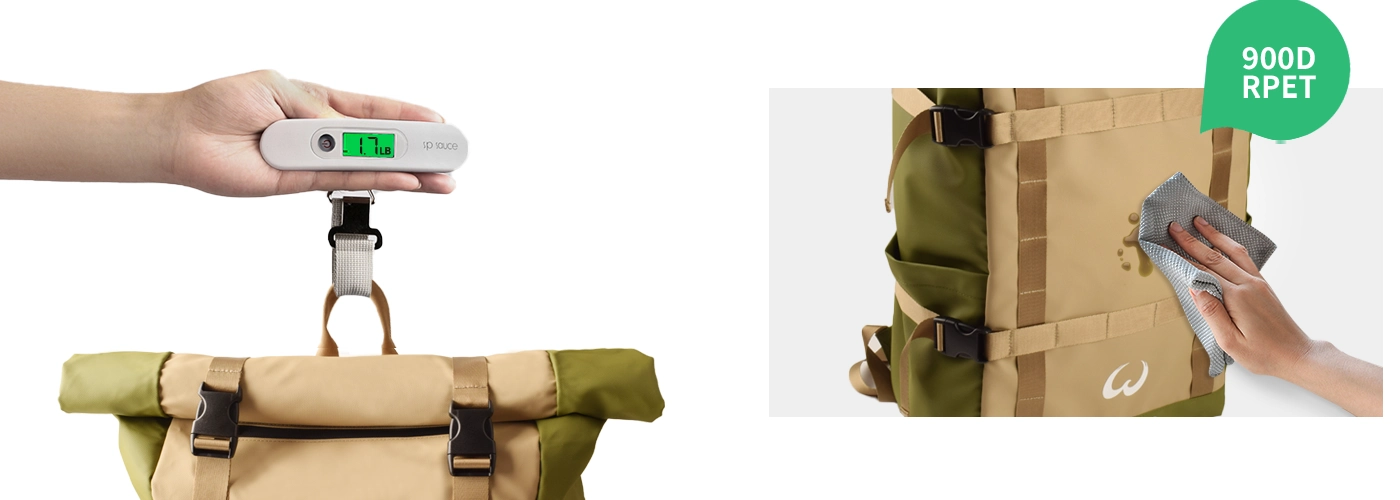
The foundation of any lightweight bag is the fabric. To save grams, manufacturers use specialty materials that cost significantly more than standard nylon or polyester.
Fabrics like ultra-light 7D or 10D nylon, Cuben Fiber (also known as Dyneema composite), and X-Pac laminated cloth come at a premium. Many of these materials are imported from specialized mills in Europe, Asia, or the US. They often have long lead times and high minimum order quantities from the mills themselves. This expense gets passed down to you. Even the small components cost more. Lightweight zippers, micro buckles, and thin webbing are all specialty items with higher price tags than their standard counterparts.
2. Specialized Processing and Equipment
You cannot sew ultra-thin fabric on a standard industrial machine. It puckers. It tears. The needle holes can weaken the material. A qualified lightweight bag fabricator must invest in specialized equipment.
This includes ultra-thin fabric sewing machines, ultrasonic welding machines, and hot knife cutting tools. These machines prevent fraying and material distortion. Additionally, seams often require taping or seamless bonding to prevent tearing at the stitch holes. These special processes add time to production and increase machine depreciation costs. All of this contributes to a higher manufacturing fee per unit.
3. Engineering and Structural Optimization
Lightweight design is not just about using thin material. It is about removing material where it is not needed while keeping strength where it is required. This takes engineering skill.
The lightweight bag fabricator must use CAD software to design patterns that minimize fabric waste. They perform stress analysis to identify points that need reinforcement. They simplify the structure to reduce seams and parts. This engineering work happens before a single bag is cut. For ODM projects, these research and development costs are factored into the unit price or charged as a separate development fee.
4. Customization and Development Fees
Your brand likely needs something unique. Maybe it is a specific color, a custom pocket layout, or a proprietary buckle. Customization drives up initial costs.
These costs include:
- Design and sampling fees: Creating patterns and sewing samples takes skilled labor.
- Tooling and mold fees: If you need a custom buckle or plastic component, the fabricator must pay for a mold. This can cost thousands of dollars.
- Color matching: Getting the exact Pantone shade in a specialty lightweight fabric can require multiple attempts and lab dips.
These one-time costs are amortized across your order. For small batch orders, the per-unit impact is much larger.
5. Performance Testing and Certification
Lightweight bags are often used for demanding activities like hiking, cycling, or travel. They must perform under stress. Buyers expect proof.
A reliable lightweight bag fabricator will conduct or arrange for tests like:
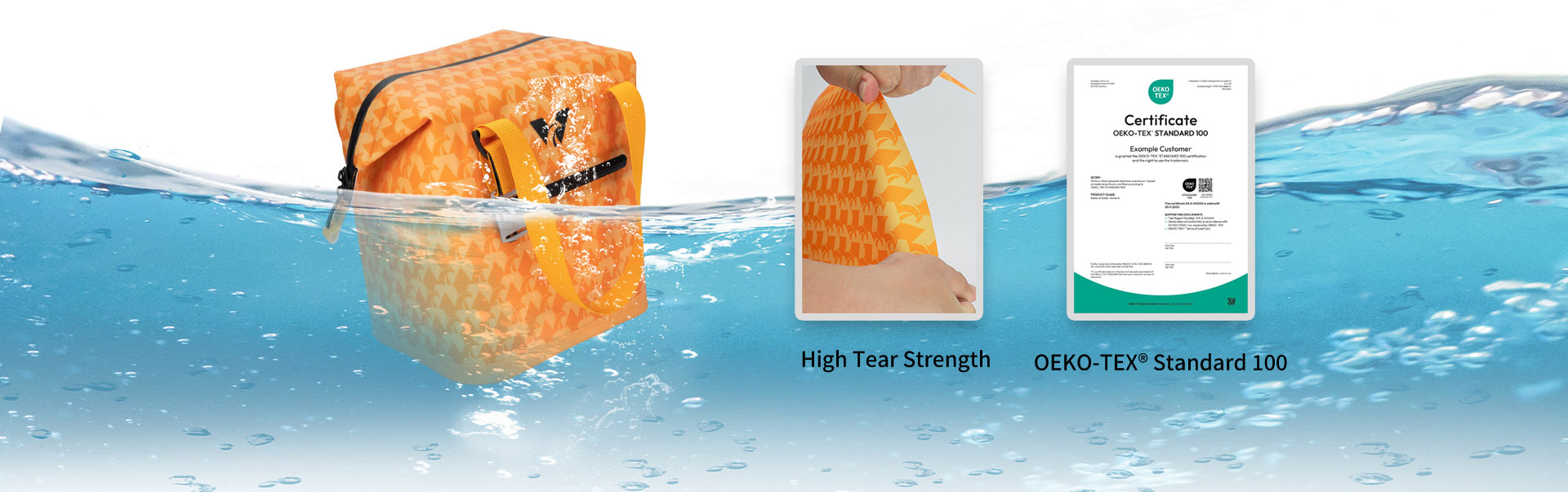
- Tear strength (ISO 13937)
- Abrasion resistance (ASTM D4966)
- Waterproofness (hydrostatic head testing)
- Seam strength tests
Third-party lab reports cost money. If you export to certain markets, you may also need chemical compliance testing like REACH (Europe), RoHS, or California Proposition 65. These certification costs are typically included in the pricing structure or quoted separately.
6. Order Volume and Production Scale
Lightweight bags are harder to make than simple totes. The machines need calibrating. The materials are delicate. Setting up production takes time.
Because of this complexity, lightweight bag fabricator facilities often have minimum order quantities (MOQs). A small order cannot absorb the setup costs, the material procurement costs, and the staff training time as efficiently as a large run. Larger orders allow the factory to spread these fixed costs over many units, lowering the price per bag. Consolidating your orders into fewer, larger batches is the most effective way to reduce unit cost.
7. Supply Chain Stability and Raw Material Fluctuation
Specialty lightweight materials are often derivatives of the petrochemical industry. Their prices fluctuate with the global oil market. Exchange rates also play a role, especially if materials are imported.
A smart lightweight bag fabricator factors these risks into their quote. They might keep safety stock of key materials to protect you from shortages. They might have backup suppliers in different regions. This supply chain management adds a layer of cost, but it protects you from sudden price spikes or delays. It is the price of reliability.
Summary
Pricing from a lightweight bag fabricator reflects more than just sewing labor. It includes high-end materials, specialized machinery, engineering expertise, and supply chain risk. By understanding these seven factors, you can have more productive negotiations. You can decide where to compromise and where to invest. A manufacturer with deep experience in this field, such as weierken, can help you navigate these choices and find the right balance for your product line.
Frequently Asked Questions
Q1: Why does a small lightweight bag sometimes cost more than a large cotton tote?
The cost is in the materials and engineering. A lightweight bag uses expensive high-tenacity fabrics like Dyneema or ultra-ripstop nylon. The construction also requires special machines and techniques to prevent damage to the thin material. A large cotton tote uses cheap, heavy fabric and simple stitching.
Q2: What is the typical minimum order quantity (MOQ) for custom lightweight bags?
MOQs vary widely depending on the complexity. For simple designs using stock materials, a lightweight bag fabricator might accept an order of 300-500 pieces. For complex designs with custom fabrics or molds, the MOQ could be 1000 pieces or more to recover the development costs. Always ask early in the conversation.
Q3: Can I reduce costs by using a slightly heavier fabric?
Yes, often you can. Moving from a 10D nylon to a 30D or 70D nylon can significantly reduce material cost and make sewing easier. This also reduces the risk of tearing. It is a trade-off between ultimate weight savings and budget. Discuss your target weight with the fabricator to find the sweet spot.
4: What are the most expensive components on a lightweight bag?
The main body fabric is usually the biggest cost. However, specialty components like waterproof zippers (e.g., YKK AquaGuard), lightweight ITW buckles, and seam-sealing tape also add significant cost compared to standard hardware.
Q5: How do currency fluctuations affect pricing?
Many lightweight materials are traded globally in US dollars. If your local currency weakens against the dollar, the cost of importing those materials goes up. A good lightweight bag fabricator will usually have a price validity period in their quote to protect against short-term fluctuations, but long-term shifts will need to be addressed in future orders.
Q6: What is the difference between development cost and unit price?
Development cost is a one-time fee for creating the product. It covers design, pattern making, sampling, and mold creation. Unit price is the cost to produce each finished bag after the development is complete. Understanding both helps you plan your total project budget.
Ready to Discuss Your Lightweight Bag Project?
Building a great product starts with understanding the costs. Partner with a manufacturer who is transparent about pricing and skilled in lightweight construction. Contact weierken today to discuss your requirements, request a detailed quote, and explore how we can bring your design to life efficiently.