


Cheese is a demanding product. It is sensitive to temperature fluctuations, moisture levels, and hygiene standards. Unlike a standard lunch bag, a professional cheese thermal bag must maintain a specific micro-environment to prevent spoilage or oil separation.
At Weierken, we have spent years refining the art of cold-chain packaging. We understand that for a B2B buyer, choosing a cheese thermal bag fabricator is a high-stakes decision. Your brand reputation literally sits inside that bag.
If you are currently searching for an OEM partner, the process can feel overwhelming. You need more than just a factory; you need a technical collaborator. These eight tips will help you navigate the OEM landscape and ensure your product moves from a concept to a high-performing reality.

1. Define Your Usage Scenario Early
Before you send an inquiry to a cheese thermal bag fabricator, you must know how the bag will be used. Is it for last-mile delivery to a customer’s doorstep? Is it a premium gift bag for a retail display? Or is it intended for long-haul cold chain logistics?
Each scenario requires different insulation properties. A delivery bag might prioritize weight and cost-efficiency. A retail bag needs high-end aesthetics and durable handles. A professional cheese thermal bag fabricator will ask these questions immediately.
If you don’t define the scenario, you might end up with a bag that over-performs (wasting money) or under-performs (risking food safety). Be clear about the expected transit time and the ambient temperature the bag will face.
2. Seek Out Food-Grade Specialists
Not all bag factories are equal. Some produce thousands of promotional tote bags but lack the clean-room environment or material knowledge for food safety. You need a dedicated cheese thermal bag fabricator that specializes in food-grade solutions.
Specialized manufacturers understand the risks of chemical leaching. They know which linings are safe for direct contact with food packaging. They also have experience with leak-proof construction.
When you work with Weierken, you benefit from our focus on specialized insulation. We ensure that every layer of the bag meets the rigorous standards required for dairy products. This specialization prevents common issues like “plastic smells” that can ruin the delicate aroma of premium cheese.
3. Dive Deep into Materials and Tech Specs
A successful OEM partnership relies on technical transparency. You should discuss the specific layers of the bag with your cheese thermal bag fabricator. Don’t settle for “standard insulation.”
Ask about the thickness of the EPE (Expanded Polyethylene) foam. Discuss the benefits of PU (Polyurethane) or EVA (Ethylene-vinyl acetate) for longer durations. The inner lining is equally important. Will it be aluminum foil or food-grade PEVA?
- Outer Fabric: Oxford cloth or polyester for durability.
- Insulation Layer: Varying thicknesses based on your “hours-to-cold” requirement.
- Inner Liner: Heat-sealed vs. sewn seams (heat-sealed is better for moisture retention).
- Hardware: Zippers that won’t jam in cold temperatures.
A professional cheese thermal bag fabricator will offer suggestions based on performance data, not just what they have in stock.
4. Don’t Skip the Rigorous Sampling Phase
The sample is the most important milestone in your project. We always tell our clients at Weierken that the sampling phase is where we solve the most problems. You should plan for at least two or three rounds of prototypes.
The first round usually confirms the shape and size. The second round tests the actual materials and insulation power. The final round serves as the “gold sample” for mass production.
Test these samples in real-world conditions. Put a block of cheese and an ice pack inside. Leave it in a room at 30°C. See how many hours it stays within the safety zone. A reliable cheese thermal bag fabricator will welcome this testing and provide their own internal test reports.
5. Verify Compliance and Certifications
Cheese packaging must comply with strict international regulations. Depending on your market, you may need FDA (USA), LFGB (Germany), or REACH (EU) compliance. Your cheese thermal bag fabricator must be able to prove that their raw materials are certified.
Don’t wait until the goods are at customs to ask for paperwork. Ask for third-party test reports during the quotation stage. A factory that cannot provide these likely isn’t using consistent, high-quality raw materials.
We prioritize these standards at Weierken. We know that one batch of non-compliant lining can lead to a massive recall. High-quality custom cheese insulation bags are built on a foundation of legal and safety compliance.
6. Standardize the Customization Process
OEM projects often get delayed because of small details like logo placement or hangtag errors. To avoid this, establish a clear confirmation workflow with your cheese thermal bag fabricator.
Use digital mockups for every detail. Confirm the Pantone colors for your brand logo. Discuss the printing method—is it silk screen, heat transfer, or embroidery? Each method affects the final cost and the lead time.
- Confirm MOQ (Minimum Order Quantity) for custom colors.
- Review the packaging requirements (how many bags per carton).
- Verify the shipping marks and barcodes.
Clear communication at this stage prevents expensive mistakes during the bulk production run.
7. Protect Your IP with Formal Agreements
A partnership is built on trust, but it is secured by a contract. When you engage a cheese thermal bag fabricator, ensure you have a signed agreement that covers intellectual property (IP).
If you have designed a unique bag structure or a patented closure system, you must ensure the factory won’t sell your design to other clients. The agreement should also detail the specifications, mold ownership, and quality standards.
A professional food-grade thermal bag manufacturer will have no problem signing a non-disclosure agreement (NDA). This protects both your brand and the factory’s reputation.
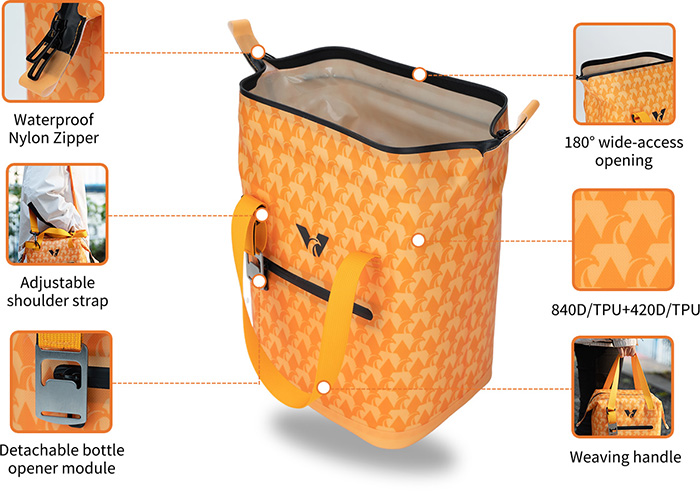
8. Build a Long-Term Collaboration Mindset
The best OEM results come from long-term relationships. Instead of switching factories every year to save a few cents, work with your cheese thermal bag fabricator to optimize costs over time.
As you place more orders, the factory gets better at producing your specific design. They might find ways to reduce material waste or speed up the sewing process. At Weierken, we value these long-term synergies.
Regular communication allows for proactive problem-solving. If there is a global shortage of a specific fabric, a loyal partner will give you a heads-up and suggest alternatives before your supply chain breaks.
Why Quality Matters for Cheese
Cheese isn’t just “food.” It is a living product in many cases. If the temperature rises too high, oils leak out, textures become rubbery, and bacteria can thrive. If the humidity is wrong, the packaging can become soggy.
A high-quality cheese thermal bag fabricator understands the thermal mass of dairy. They know that cheese stays cold longer than leafy greens but is more sensitive than frozen meat. This nuance is why the OEM partnership is so critical.
By choosing a partner like Weierken, you are investing in the integrity of your product. We don’t just sew bags; we build protective shells for your inventory.
Frequently Asked Questions (FAQ)
Q1: What is the typical MOQ when working with a cheese thermal bag fabricator?
Most professional factories require an MOQ of 500 to 1,000 pieces per design. This allows for efficient material sourcing and machine setup. However, some manufacturers may offer lower quantities for premium materials or existing patterns.
Q2: How long can a cheese thermal bag keep products cold?
The duration depends on the insulation thickness and the use of gel packs. A standard bag with 5mm EPE foam usually maintains temperature for 2-4 hours. High-performance bags with thicker foam or specialized linings can extend this to 12-24 hours.
Q3: Can the inner lining of the bag be cleaned and sanitized?
Yes. A reputable cheese thermal bag fabricator will use water-resistant linings like PEVA or aluminum film. These surfaces are “wipe-clean” and can be sanitized with food-safe sprays to prevent mold or bacterial growth.
Q4: Do I need to provide the design, or can the fabricator help?
Most OEM partners, including Weierken, can work from your tech pack or a physical sample. If you only have a concept, a professional custom cheese insulation bags manufacturer often has an in-house design team to help create the blueprint.
Q5: What are the most common mistakes in cheese bag OEM projects?
The most common errors are choosing materials that are too thin to save money, ignoring the strength of the handles for heavy cheese blocks, and failing to test the zippers for “cold-snagging.”
Q6: How does shipping work for bulk orders?
Since thermal bags are lightweight but bulky, shipping costs can be high. Your cheese thermal bag fabricator should offer options like vacuum packing or flat-packing to reduce volume and save on ocean or air freight costs.
Partner with a Professional Today
Are you ready to create a thermal bag that reflects the quality of your cheese? Don’t leave your cold chain to chance. Choosing the right cheese thermal bag fabricator is the first step toward a successful product launch.
At Weierken, we combine technical expertise with a commitment to food safety. Whether you need a small batch of high-end retail bags or a large-scale delivery solution, our team is here to help.
ontact us today for a consultation and a quote. Let’s build a bag that keeps your brand fresh.
[Inquiry Now]


