

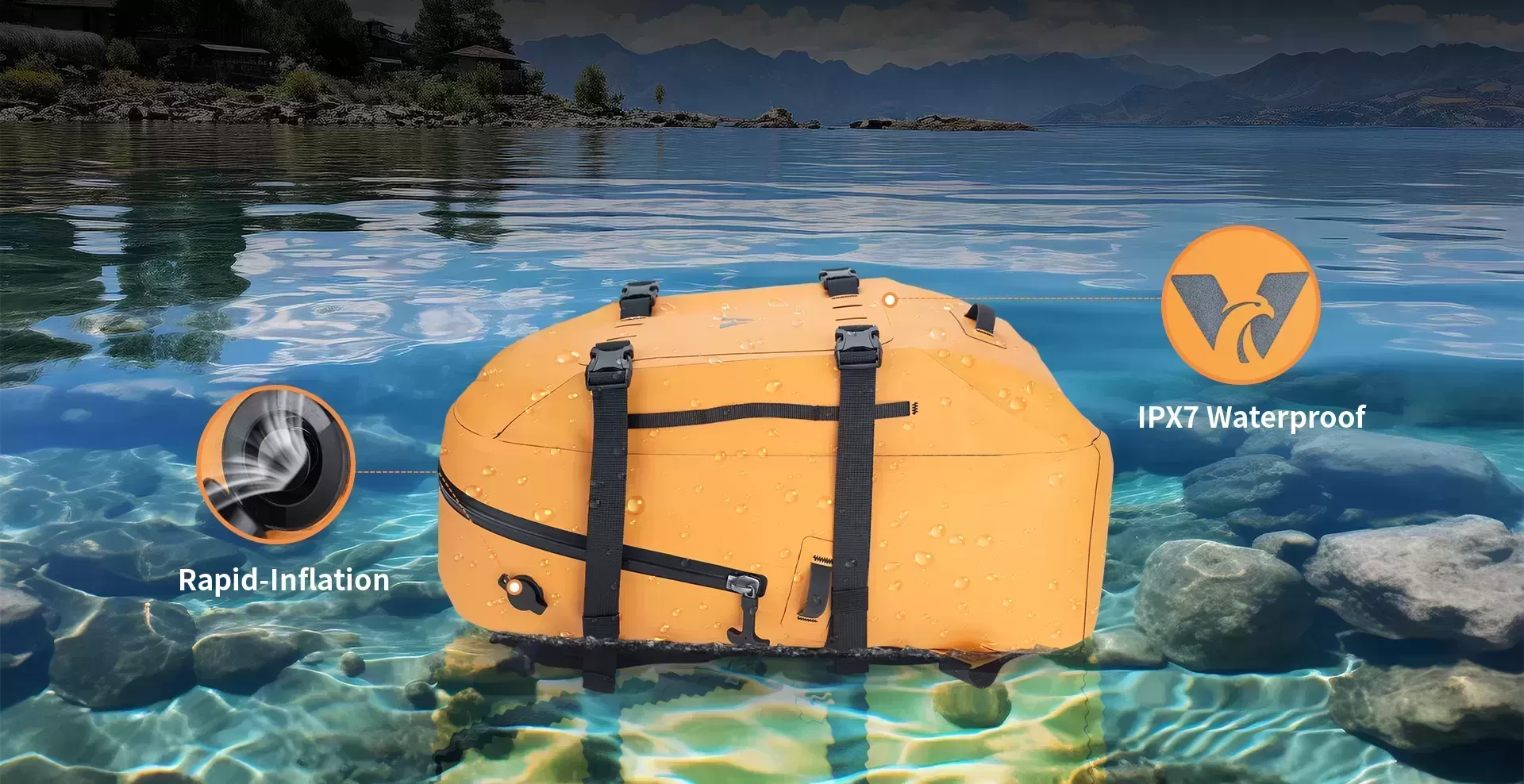
The demand for specialized aquatic outdoor recreation gear is expanding rapidly. For brands, distributors, and retailers looking to capitalize on this trend, offering products that keep beverages cold while physically in the water is a highly profitable strategy. However, sourcing these items requires specific manufacturing expertise. Partnering with a specialized floatable cooler factory is essential to ensure that the end product delivers on buoyancy, thermal insulation, and marine-grade durability. This overview outlines the critical engineering standards, material choices, and quality control processes B2B buyers must evaluate when developing their aquatic cooler lines.
Core Engineering: What Defines a Premium Floating Cooler?
When a specialized manufacturing facility engineers an aquatic cooler, the focus shifts from standard land-based insulation to complex hydrodynamic stability. A reliable supplier prioritizes the following structural features:
1. Hydrodynamic Buoyancy and Stability
A cooler designed for water must remain upright, even in choppy conditions or river currents. Factories achieve this by engineering a low center of gravity and utilizing inherently buoyant materials. Depending on the product line, manufacturers may use high-density closed-cell foams that cannot absorb water, or they may design inflatable models with multi-chamber air systems to ensure stability and prevent tipping.
2. Advanced Thermal Retention
Water conducts heat faster than air, making insulation critical. A top-tier manufacturer utilizes advanced thermal barriers to ensure ice retention meets commercial standards. High-quality production lines integrate thick layers of insulated foam within waterproof outer shells, ensuring contents remain chilled for extended periods, ranging from single-day excursions to multi-day outdoor trips.
3. Marine-Grade Durability
Floating coolers are exposed to UV rays, salt water, rocks, and abrasive sand. The structural integrity depends entirely on the factory's material sourcing and construction methods:
RF Welded Seams: For inflatable models, high-frequency welding is required to create leak-proof, burst-resistant joints.
Puncture Resistance: Materials like heavy-duty PVC, TPU, or reinforced nylon must be utilized to withstand outdoor environments.
UV-Resistant Coatings: Protective layers are applied to prevent material degradation and color fading from prolonged sun exposure.
Solving OEM Sourcing Challenges with Weierken
B2B buyers frequently encounter sourcing pain points such as inconsistent seam welding, poor ice retention, or a lack of flexible OEM customization options. These defects lead to high return rates and damage to brand reputation.
As an experienced floatable cooler factory, weierken addresses these exact challenges through meticulous engineering and rigorous quality assurance. We understand that aquatic gear requires a zero-tolerance policy for leaks and material failure. By integrating advanced RF welding technology and sourcing premium, marine-grade fabrics, weierken provides highly customizable OEM/ODM solutions. We work closely with brands to design secure tethering points, exact insulation thicknesses, and precise logo placements, ensuring your product performs flawlessly in the water and stands out in the retail market.
Primary Material Classifications in Manufacturing
Understanding the materials used by a floatable cooler factory helps buyers align their product offerings with their target demographic's needs. The manufacturing approaches generally fall into three categories:
Inflatable PVC/TPU Configurations: Ideal for casual recreation. These are highly packable, cost-effective to ship, and can feature large capacities. Premium factories will utilize multi-chamber designs for added safety.
Molded EVA Foam: Perfect for rugged outdoor exploration. EVA foam is ultralight, inherently buoyant, completely puncture-proof, and requires no inflation.
Hybrid Structures: Combining a rigid inner thermal core with a buoyant, protective outer shell. These are engineered for maximum ice retention and are often utilized by serious kayaking or fishing enthusiasts.
Customization: Value-Add Features for B2B Clients
A capable manufacturing partner will offer extensive customization to enhance the user experience and differentiate your brand. Key functional design elements to request include:
Integrated Tethering Systems: Reinforced molded D-rings or heavy-duty nylon loops allow users to securely attach the cooler to kayaks, paddleboards, or boats.
Modular Storage & Cup Holders: Recessed cup holders and separate dry-storage compartments for phones and keys add significant retail value.
Multi-Functionality: Engineering the structure to double as a floating serving table or integrating waterproof compartments for wireless speakers.
Future Trends in Aquatic Cooler Production
The manufacturing sector for outdoor gear is continuously innovating. Forward-thinking procurement strategies should monitor these emerging production trends:
Sustainable Material Alternatives: A shift towards using recycled TPU, eco-friendly closed-cell foams, and reducing reliance on virgin plastics.
Ergonomic Towing Designs: Refining the hydrodynamic shape of the cooler to reduce drag when being towed behind a paddleboard or kayak.
Frequently Asked Questions (FAQ)
Q1: What are the typical customization options offered by a floatable
cooler factory?
A1: Professional factories provide
comprehensive OEM/ODM services, including custom dimensions, material selection
(e.g., TPU vs. PVC), specific insulation thicknesses, custom brand colors
(Pantone matching), and integrated features like D-rings or cup holders.
Q2: How do manufacturers test the durability and safety of floating
coolers?
A2: Reliable factories conduct rigorous
quality control, including 24-to-48-hour inflation retention tests for pneumatic
models, seam stress testing, load-bearing tests for handles and tethers, and
thermal imaging to verify insulation efficiency.
Q3: How is tipping prevented in standard cooler
designs?
A3: Stability is engineered by calculating
a low center of gravity. For inflatable models, factories often design wide,
buoyant outrigger-style air chambers around the central insulated compartment to
ensure it remains upright even when fully loaded or in moving water.
Q4: Can these coolers maintain ice retention comparable to rigid land
coolers?
A4: Yes, depending on the specifications
requested. By utilizing high-density, closed-cell foam cores and airtight zipper
systems, hybrid and premium inflatable floating coolers can achieve multi-day
ice retention that rivals standard rigid coolers.
Q5: Are there eco-friendly manufacturing options available for this
product category?
A5: Yes, the industry is shifting
towards greener manufacturing. Buyers can request materials like TPU
(Thermoplastic Polyurethane), which is more environmentally friendly and durable
than standard PVC, as well as exterior fabrics woven from recycled PET
plastics.
Ready to Develop Your Next Outdoor Product Line?
Ensure your aquatic gear delivers exceptional performance, durability, and brand appeal. Partnering with a dedicated manufacturing expert guarantees that your supply chain is stable and your products meet rigorous outdoor standards.