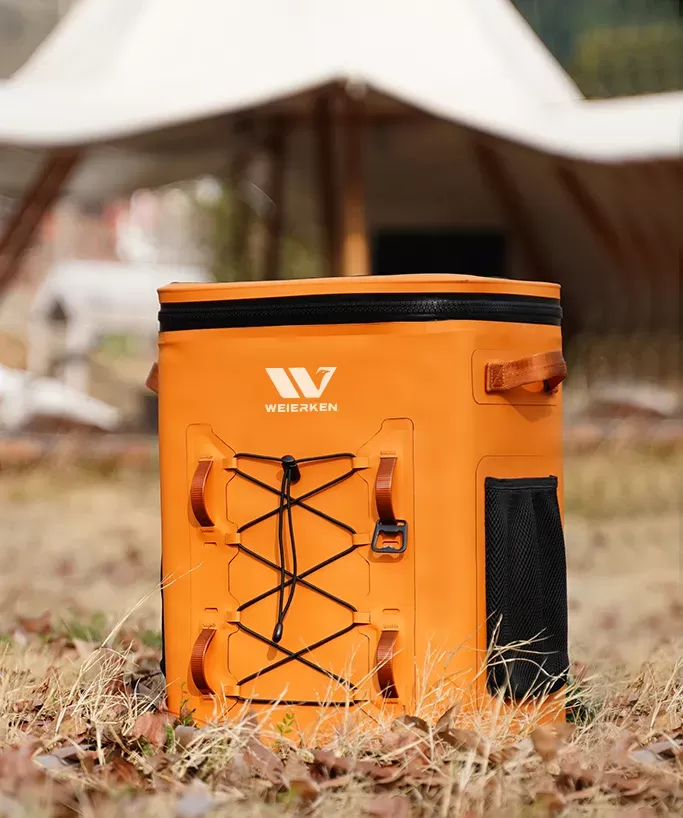

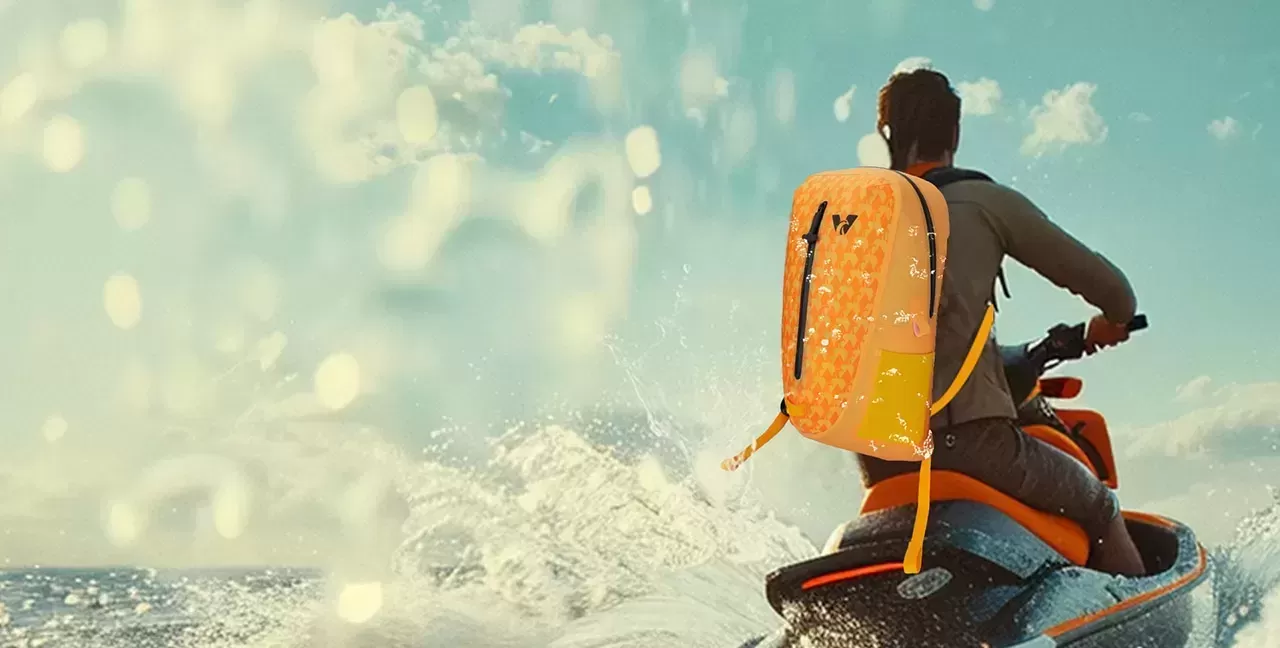
Selecting the right partner for high-stakes outdoor gear is a challenge. When your brand reputation depends on whether a bag stays above water, you cannot afford guesswork. A professional floatable bag factory does more than just sew fabric; they engineer buoyancy. Brands like weierken have set a high bar in this industry by focusing on technical precision rather than just aesthetics. For B2B buyers, the verification process must be clinical and data-driven.
Buying in bulk requires a deep dive into the manufacturer's technical capabilities. You are looking for a partner that understands the physics of displacement and the chemistry of waterproof coatings. This guide breaks down the essential criteria for auditing a waterproof dry bag manufacturing facility. We will examine everything from buoyancy calculations to the specifics of high-frequency welding.
1. Verify Buoyancy Performance and Testing Design
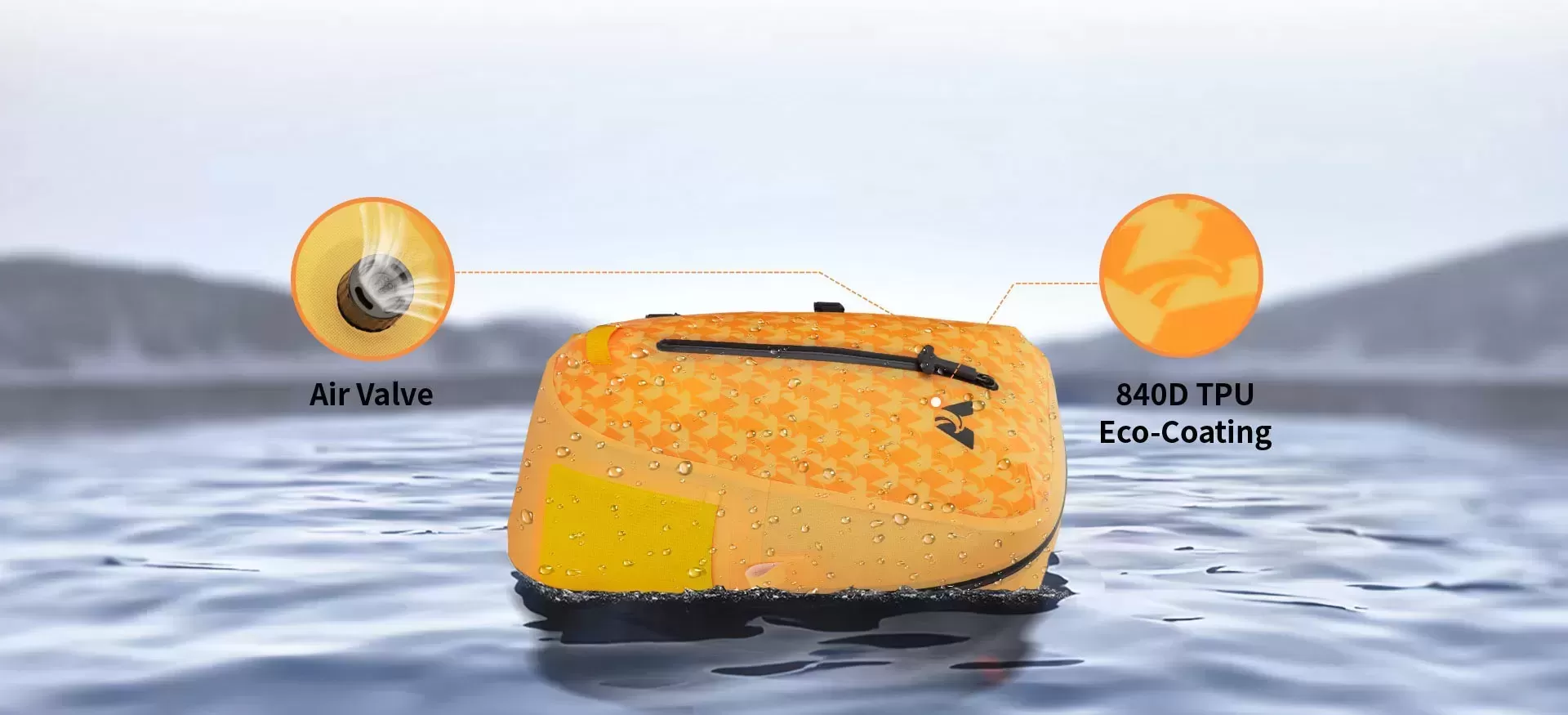
A floatable bag is essentially an air chamber with a structural seal. If the math is wrong, the bag sinks. A reliable floatable bag factory should use sophisticated buoyancy calculation models. They must determine the required air chamber volume based on target weight loads. For example, if a bag needs to float a 5kg load, the factory should design for a safety factor of at least 1.5. This ensures the bag stays afloat even in turbulent water.
Ask for empirical test reports. A trustworthy supplier tests products in both fresh and salt water. These tests involve placing standard weights inside the bag and recording the submersion volume. Stability is also key. Does the bag tip over? A well-designed product maintains a stable center of gravity on the water surface.
Buoyancy Calculation: Verify the math behind the air chamber volume.
Salt Water Testing: Sea water provides more lift but is more corrosive; the bag must handle both.
Multi-Chamber Designs: High-end Custom floatable bags often feature multiple chambers. If one punctures, the others keep the gear dry.
For B2B auditing, demand the raw data from at least three production batches from the last six months. On-site, you should randomly pick bags from the warehouse and perform a "float test" immediately. If the factory hesitates, their internal standards likely don't meet your requirements.
2. Auditing Waterproofing and Airtight Sealing Processes
Water ingress is the enemy of buoyancy. Once water enters, the air is displaced, and the bag becomes a weight. During your visit to a waterproof dry bag manufacturing plant, look at their joining technology. Traditional stitching is useless here. Every needle hole is a potential leak point. Top-tier factories use Radio Frequency (RF) welding or high-frequency welding. This process fuses the molecules of the two fabrics together, creating a single, seamless bond.
The closure system is the next point of failure. Look for airtight zippers, such as those from TiZip, or specialized roll-top systems. A standard "water-resistant" zipper will fail under the pressure of immersion. Reliable manufacturers will demonstrate their sealing power through pressure-holding tests. Weierken, for instance, emphasizes these airtight seals to ensure long-term reliability in the field.
Field Testing Procedures
Request a random finished bag and have it inflated to a specific pressure, such as 5kPa. Submerge it in a water tank for at least 30 seconds. If you see even one bubble, the seal is defective. A professional floatable bag factory will have these tanks stationed right at the end of the production line for 100% inspection.
3. Material Selection and Weather Resistance
Outdoor gear lives a hard life. It faces UV rays, abrasive sand, and salt spray. The materials must be more than just waterproof; they must be resilient. Common high-quality choices include 1000D Cordura nylon, PVC tarpaulin, or TPU-coated fabrics. TPU is often preferred for Custom floatable bags because it remains flexible in cold temperatures and has better environmental credentials than PVC.
The heat-sealing layer must match the base material. If a factory tries to heat-seal incompatible materials, the bag will eventually delaminate. This is a common flaw in "cheap" manufacturing. Always ask for the material supplier’s original specification sheets. You want to see the batch numbers and ensure traceability back to the raw material source.
UV Resistance: Does the material retain 80% of its strength after 500 hours of UV exposure?
Salt Spray Testing: Can the hardware and fabric withstand 96 hours of salt fog without degradation?
Hydrolysis Resistance: This prevents the waterproof coating from becoming "sticky" or peeling off after prolonged water contact.
4. Physical Durability and Damage Resistance
Floating down a river involves hitting rocks and branches. A bag that punctures easily is a liability. Your Outdoor gear supplier must provide data on puncture and tear strength. Using the ASTM D4833 standard, a quality bag should withstand a puncture force of 50N or higher. For comparison, standard Oxford cloth often fails at 20N.
Tear strength is equally vital. If a small snag occurs, you don't want the bag to zip open under the weight of the gear. Trapezoidal tear tests should show results exceeding 100N in both directions. Furthermore, the peel strength of the welded seams must be at least 3kN/m. This ensures the seams won't burst open when the bag is fully inflated and under external pressure.
Reliable factories conduct these "type tests" quarterly. They often partner with third-party labs like SGS or TÜV to validate their internal findings. When you review these reports, check the dates. Old reports are a red flag; they might not reflect the current material quality or production standards.
5. ODM/OEM Customization and Batch Delivery Capabilities
Bulk orders are rarely "off-the-shelf." You likely need custom logos, specific D-ring placements, or unique transparent windows. A versatile floatable bag factory must handle these requests without compromising the bag's integrity. Customization involves creating new welding molds. Does the factory have an in-house mold-making shop? If they outsource this, your lead times will suffer.
Sampling speed is a great litmus test for a factory's competence. A high-performing waterproof dry bag manufacturing facility should turn a design sketch into a physical sample within 5 to 7 days. This shows they have the materials in stock and a dedicated R&D team. Weierken has built its reputation on this type of responsiveness, allowing brands to move from concept to market quickly.
Consider their production flexibility. While a huge factory might seem impressive, can they handle a mid-sized order of 300 to 500 units for a niche product? Or can they manage "mixed batches" with different colors and logos? Flexibility is often more valuable than raw volume for growing brands. Also, check their on-time delivery rate. Anything below 95% is a risk to your supply chain.
6. Quality Control and Traceability Systems
When a product is used for safety or in extreme environments, quality control is not optional. Every bag should be traceable. If a customer reports a failure in the field, can the factory trace that bag back to a specific operator, a specific welding machine, and a specific batch of fabric? This is the hallmark of a professional floatable bag factory.
The inspection process should be rigorous. Incoming materials should be sampled according to AQL standards. During production, parameters like welding temperature, pressure, and dwell time should be monitored in real-time. But the most important step is the final check. Many factories only "spot check" for leaks. However, the best suppliers perform a 100% inflation test. They inflate every bag, let it sit for an hour, and check for any pressure drop exceeding 5%.
Key Quality Records to Request:
Incoming Inspection Logs: Verification of zippers, fabric, and buckles.
First Article Inspection (FAI): The first bag of every shift should be fully tested.
Third-Party Audit Reports: Ask for BSCI or ISO 9001 certifications from the last 12 months.
7. Verification of Certifications and Regulatory Compliance
Depending on the end-use, your floatable bags may need to meet specific international standards. If the bag is marketed as a buoyancy aid or used in professional rescue, standards like ISO 12402 become relevant. For the European market, REACH and RoHS compliance are mandatory to ensure the materials are free from harmful chemicals.
A reputable Outdoor gear supplier will be proactive about these certifications. They won't wait for you to ask; they will have the documentation ready. Even if you don't require a formal certification, the fact that the factory follows these standards internally indicates a higher level of manufacturing discipline. They use professional testing methods rather than "guessing" if a bag is good enough.
Finally, look for social compliance. Brands are increasingly held responsible for the labor conditions in their supply chains. A factory with BSCI or Sedex certification shows they treat their workers fairly and maintain a safe working environment. This reduces the risk of sudden factory closures or PR scandals for your brand.
In conclusion, finding a floatable bag factory that balances technical skill with reliable delivery is the key to a successful partnership. Companies like weierken demonstrate that by focusing on the science of waterproofing and the rigor of quality control, you can produce world-class gear that customers trust. Don't settle for the lowest price; look for the highest standard of verification.
Frequently Asked Questions (FAQ)
1. What is the typical MOQ for a floatable bag factory?
Most professional factories require a Minimum Order Quantity (MOQ) of 300 to 500 pieces per style. However, this can vary based on whether you are using stock materials or require custom-dyed fabrics. High-end Custom floatable bags might have higher MOQs if the hardware is highly specialized.
2. How long does it take to produce a bulk order of waterproof dry bags?
Once the sample is approved, mass production usually takes 30 to 45 days. This includes material procurement, cutting, RF welding, and the mandatory 24-hour inflation testing period. Shipping times depend on your location and the chosen method (sea or air).
3. Can I customize the buoyancy level of the bags?
Yes. A skilled floatable bag factory can adjust the internal volume or add additional air compartments to meet specific buoyancy requirements. You should provide the maximum weight of the items intended for the bag to ensure accurate engineering.
4. What is the difference between PVC and TPU for floatable bags?
PVC is cost-effective and durable but can become stiff in cold weather and contains phthalates. TPU is more expensive, lighter, more abrasion-resistant, and stays flexible in sub-zero temperatures. TPU is generally considered the premium choice for waterproof dry bag manufacturing.
5. How does the factory ensure the bags won't leak over time?
Reliable manufacturers use high-frequency welding to create a permanent bond. They also perform aging tests, such as UV exposure and heat cycles, to ensure the materials and seals don't degrade. A 100% inflation test before packing is the best way to catch any immediate defects.
Ready to secure your supply chain with high-quality gear? If you are looking for a partner that prioritizes technical excellence and rigorous testing, we are here to help. Contact our team today to discuss your project requirements and see how our expertise can support your brand's growth.
Request a Quote & Technical Consultation Today!
