
Sourcing from a multi zone thermal bag factory involves much more than checking a price list. For businesses in the cold chain, food delivery, or medical logistics sectors, the ability to maintain different temperatures within a single carrier is a technical necessity. If one zone fails, the entire shipment could be compromised. This is why a rigorous professional audit is the only way to ensure your supplier can deliver on their promises.
A reliable manufacturer like weierken knows that temperature management is a science. When you audit a potential partner, you are looking for evidence of engineering precision and material integrity. You need a factory that understands the physics of heat transfer and the rigors of commercial use. This guide breaks down the essential dimensions of a professional factory audit for multi-zone thermal solutions.
Dimension 1: Material Supply Chain and Environmental Compliance
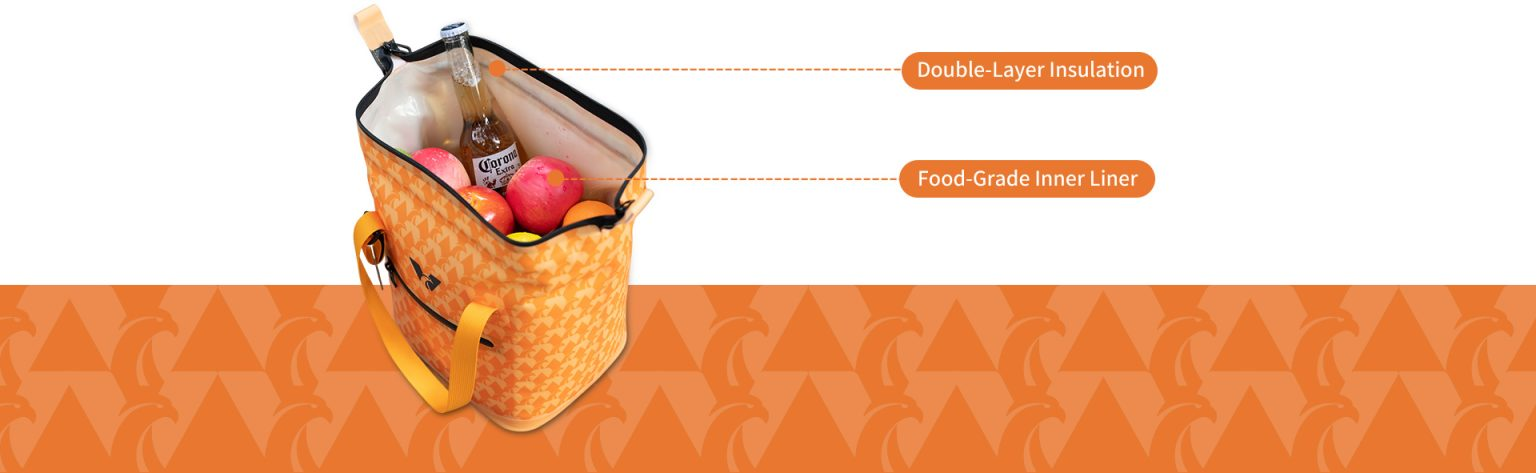
The performance of any product from a multi zone thermal bag factory begins with the insulation core. You must verify the types of materials the factory uses for different thermal requirements. High-quality factories offer a range of cores including EPE (Expanded Polyethylene), IXPE, PU foam, and even high-tech aerogel felt for extreme requirements.
Check the specifications for thickness and density. Each temperature zone should have a specific material profile tailored to its target range. Beyond the core, the inner lining materials must meet strict safety standards. If you are transporting food or medicine, the factory must provide certifications for food-grade PEVA, TPU, or aluminum foil composite cloths.
Verify compliance with FDA, LFGB, and REACH standards.
Request COA (Certificate of Analysis) and third-party testing reports for all primary materials.
Inspect purchase invoices for zippers, webbing, and fabrics to ensure supplier traceability.
Reliable factories maintain a transparent supply chain. They don't just buy the cheapest materials on the market; they partner with certified vendors. This ensures that every insulated delivery bag meets the safety and performance criteria required by international law.
Dimension 2: Multi-Zone Structural Design and Manufacturing Capability
The most difficult part for a multi zone thermal bag factory is preventing "thermal bridging" between compartments. If a hot zone is right next to a cold zone, the insulation must be perfect. During your audit, examine how the factory constructs these internal barriers. They should use independent sewing combined with heat-sealing or ultrasonic welding to prevent air exchange between zones.
Process capability also involves dimensional tolerances. Check if the pocket layouts and zone dividers match the technical drawings exactly. You should also look for evidence of cycle testing. A reliable factory tests their zippers and Velcro closures for over 5,000 cycles to ensure they won't fail after a month of heavy use.
One pro tip for auditors: perform a "sample dissection." Ask the factory to cut open a finished bag on the spot. Inspect the internal insulation layers for uniformity. You want to see smooth layers with no folds, offsets, or gaps. weierken maintains strict assembly protocols to ensure that every internal divider serves as a true thermal break.
Dimension 3: Thermal Performance Testing and Data Traceability
A multi zone thermal bag factory cannot claim its products work without data. A professional factory must have an on-site thermal laboratory. During your audit, look for specific equipment such as infrared temperature recorders, constant temperature and humidity chambers, and thermal imaging cameras.
The factory must have clearly defined testing methodologies. For example, a cold zone (2~8°C) should maintain its temperature for at least 8 hours, while a hot zone (≥65°C) should stay stable for over 6 hours under specific ambient conditions. Ask to see the thermal performance reports for previous batches.
Reports should include ambient temperature, load volume, and starting/ending temperatures.
Look for data logging that shows the temperature curve over time.
Ensure the factory provides a specific report for every custom OEM order.
If a factory relies on "estimation" rather than calibrated testing equipment, they are not a professional partner. Accurate data is the only way to guarantee that your perishable goods stay safe during transport.
Dimension 4: Quality Management for Sewing and Sealing
Even the best insulation fails if the seams leak. In a multi zone thermal bag factory, sewing quality is a critical quality gate. The standard for professional-grade bags is 3 to 4 stitches per centimeter. The factory should use high-tenacity polyester thread and apply waterproof seam taping over needle holes to prevent moisture ingress.
For zones requiring gas barriers or vacuum insulation, you must check for airtightness testing. Professional manufacturers use pressure differential methods or water immersion tests to verify that the seals are airtight. This level of detail is what separates a standard cooler bag from a professional thermal management solution.
Observe the production line. Do they have First-Piece Inspection (FPI)? Are there roaming inspectors checking the work at every station? A reliable factory like weierken keeps detailed records of these inspections, allowing you to trace quality back to the specific worker and machine.
Dimension 5: Durability and Aging Standards
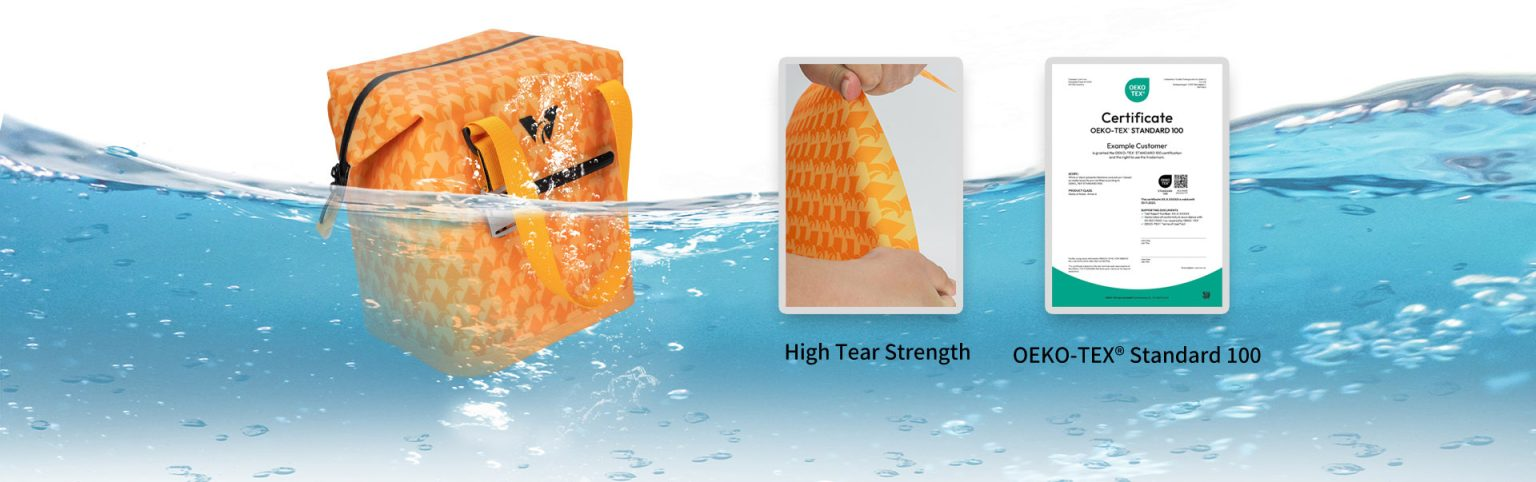
Multi-zone bags are often used in rough environments, from delivery bikes to cargo planes. Therefore, a multi zone thermal bag factory must perform aging tests. One vital test is the low-temperature flexibility test. The materials should be folded at -20°C to ensure they do not crack or delaminate.
Other essential durability tests include:
Martindale Abrasion Test: To ensure the outer fabric can handle thousands of rubs against surfaces.
Trapezoidal Tear Strength Test: To check the resistance of the fabric against sharp objects.
Simulated Transport Testing: Using vibration tables and drop testers to simulate the "violent sorting" of express delivery services.
A factory that skips these tests is selling you a prototype, not a finished product. Professional industrial thermal bags must be built to survive the "last mile" of delivery, where bumps and drops are guaranteed.
Dimension 6: OEM/ODM Customization and Lead Time Control
Most B2B buyers need customized thermal bags. Your audit should evaluate how the multi zone thermal bag factory handles design changes. Can they support various logo branding techniques like silk-screen printing, heat transfer, embroidery, or silicone labeling? More importantly, can they adjust the zone dividers and pocket layouts based on your specific tech pack?
Delivery control is equally important. Look for an integrated ERP system. This software should track every order from the cutting stage to final packaging. It allows the factory to provide accurate lead time estimates and trace the history of every batch. When you work with weierken, you benefit from a system that prioritizes batch traceability and on-time delivery.
Ask about their MOQ (Minimum Order Quantity) for custom designs. A flexible factory will help you scale from a small pilot run to full-scale mass production. This flexibility is a hallmark of a mature OEM thermal bag manufacturer.
Summary of the Auditing Process
Finding a reliable multi zone thermal bag factory is a multi-dimensional task. You must look at the material certifications, the technical skill in compartment welding, the accuracy of their thermal lab, and the toughness of their aging tests. A factory that passes all these points is a partner that will protect your brand's integrity and your customers' safety.
The standard set by weierken represents the peak of this industry. By focusing on data-driven manufacturing and high-compliance materials, they provide the peace of mind that B2B buyers require for complex cold chain solutions.
Frequently Asked Questions (FAQ)
1. Why is a multi-zone thermal bag better than using two separate bags?
A multi-zone bag increases efficiency for delivery personnel and reduces packaging waste. Working with a multi zone thermal bag factory allows you to design a single unit that handles both frozen and hot items, which simplifies logistics and improves the end-user experience.
2. What is the most effective insulation for a hot/cold split?
Most factories recommend PU foam or high-density EPE foam combined with a radiant barrier like reflective aluminum foil. For high-end medical use, vacuum insulation panels (VIP) are often the preferred choice for extreme temperature retention.
3. How do I verify if a factory’s food-grade certification is real?
You should request the report number and the name of the testing agency (such as SGS, Intertek, or TUV). Most of these agencies have online databases where you can verify the authenticity of the compliance certificate by entering the report number.
4. Can the factory customize the thermal bag for bike delivery?
Yes. A professional multi zone thermal bag factory can add reflective strips, reinforced base plates, and specialized backpack harness systems. They can also ensure the dimensions fit standard delivery racks used by major platforms.
5. What are the typical lead times for a custom multi-zone project?
The prototyping phase usually takes 7 to 10 days. Once the sample is approved, mass production typically takes 30 to 45 days. This can vary based on the complexity of the zone dividers and the availability of specialized materials.
6. Does the factory provide testing for humidity control?
Many professional factories, including weierken, offer humidity testing within their thermal labs. This is critical for electronics or certain medical supplies that are sensitive to both moisture and temperature fluctuations.
Are you looking for a manufacturing partner that meets these elite auditing standards? At weierken, we pride ourselves on being a world-class multi zone thermal bag factory, delivering precision-engineered solutions for the most demanding industries. Our team is ready to discuss your specific technical requirements and provide a robust thermal management design. Request a quote today to see how we can optimize your temperature-controlled logistics.