

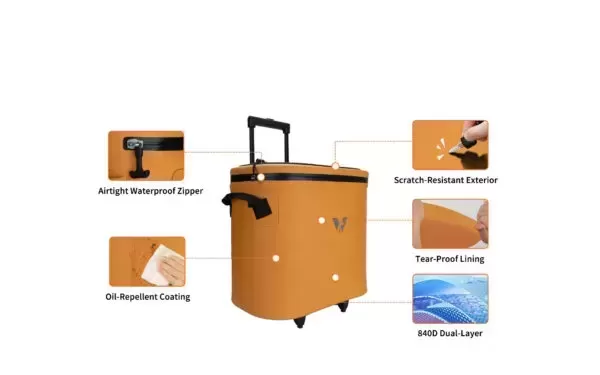
For seafood distributors, processors, and fresh-food retailers, a punctured thermal bag leads to immediate problems. It causes fluid leaks, rapid temperature loss, and spoiled shipments. Many marine products, including lobsters, crabs, and spiny finfish, feature sharp edges that can easily damage weak materials.
As an experienced industrial packaging team, we know that simply making a bag thicker does not solve this problem. True puncture resistance requires a careful combination of advanced polymer science, smart construction, and standardized testing.
A professional seafood cooler bag maker like weierken approaches puncture protection through engineering. Here is an overview of how manufacturers build reliable, tear-resistant containers for tough shipping routes.
1. High-Tenacity Polymers: The Foundation of Puncture Resistance
Traditional PVC and low-grade plastics perform poorly in cold conditions. When exposed to freezing temperatures, these materials become brittle, making them prone to cracking and puncturing under pressure.
To prevent this, a leading seafood cooler bag maker uses advanced elastomers that maintain their flexibility when cold. These materials absorb localized pressure rather than tearing.
Critical Material Selections:
Food-Grade TPU (Thermoplastic Polyurethane) Liners: TPU offers excellent tensile strength and elasticity at low temperatures, allowing the liner to bend around sharp points without puncturing.
Interwoven Ripstop Backing: High-density polyester mesh grids are bonded inside the polymer layers. If a minor puncture occurs, this grid prevents the tear from spreading.
Plasticizer-Free Formulations: Safe, stable materials ensure the bag remains flexible over years of use without releasing harmful chemicals.
By using these high-tenacity materials, a seafood cooler bag maker creates liners that withstand the demands of transporting fresh seafood.
2. Structural Reinforcement for Vulnerable Zones
Under the influence of gravity and movement, the bottom and corners of a cooler bag bear the brunt of the physical load. Sharp claws and heavy fish bones naturally press downward, concentrated in these areas.
A smart seafood cooler bag maker designs specific reinforcements into these high-wear zones to prevent premature failure.
Structural Safety Features:
Double-Layered Bottom Pads: Adding a second layer of TPU fabric at the base provides extra protection against sharp seafood.
Removable High-Density PE Baseboards: Thick, cleanable plastic inserts can be placed inside the bottom of the bag to act as a solid shield against punctures.
Wide-Seam High-Frequency Welding: Fusing seams with wide seals helps distribute physical stress, preventing split edges when the bag is fully loaded.
3. Multi-Layer Lamination Technology
A high-quality cooler bag is never made of just a single layer of fabric. Instead, manufacturers use lamination technology to bond several specialized materials together into a tough, protective shield.
Each layer of the laminated structure plays a specific role in blocking heat and absorbing physical impacts.
The Anatomy of a Protective Multi-Layer Bag:
Abrasion-Resistant Outer Shell: A tough exterior fabric, such as 1680D double-strand Oxford cloth, protects the bag from rough handling and coarse surfaces.
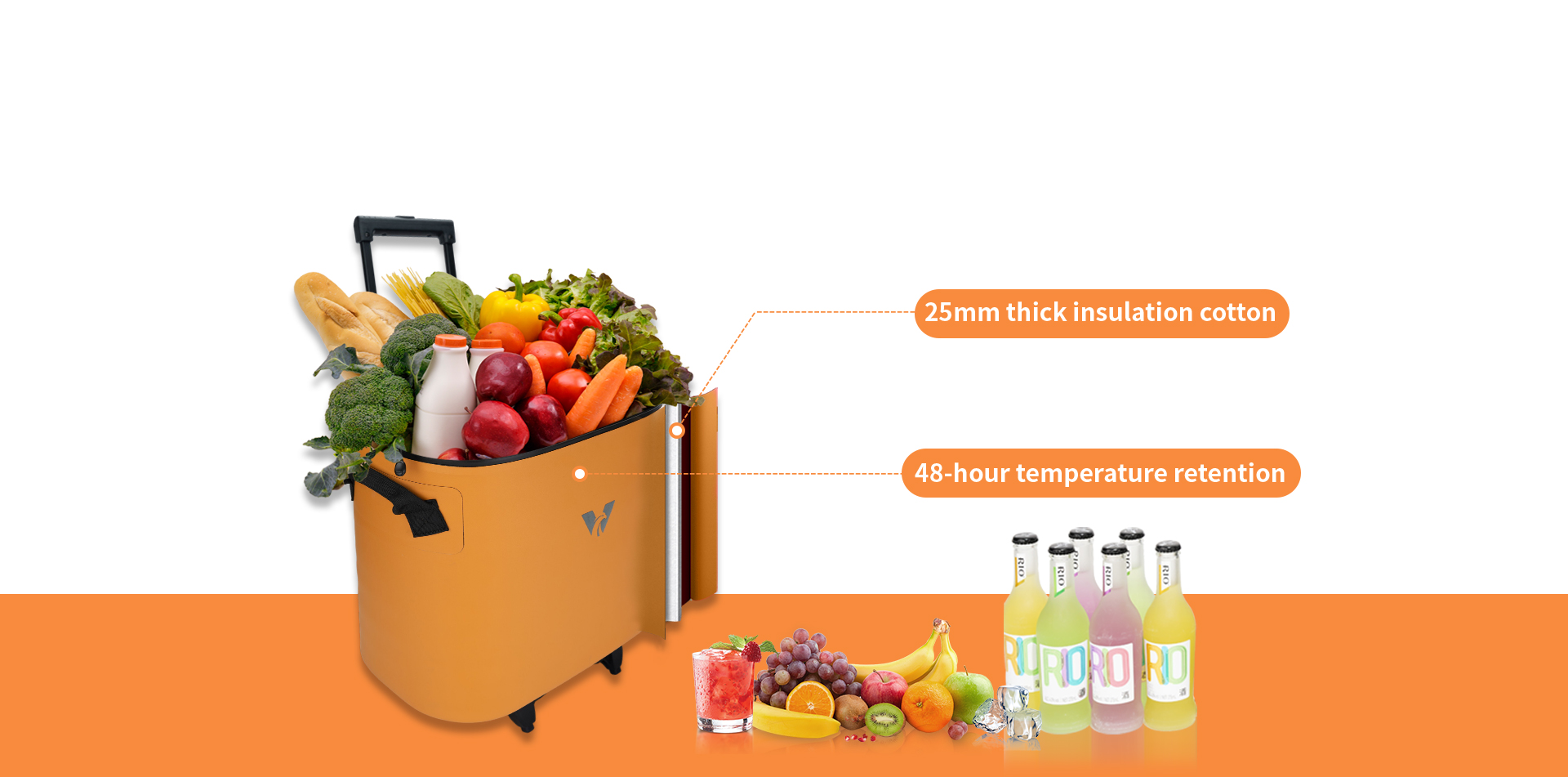
Impact-Absorbing Core: A middle layer of high-density EPE or EVA foam cushions physical blows and slows down heat transfer.
Puncture-Resistant Interior TPU: The innermost layer acts as a leak-proof barrier, resisting punctures while holding ice and seafood securely.
This multi-layer setup ensures that even if a sharp fin manages to pierce the inner layer, the middle foam and tough outer fabric prevent a complete puncture.
4. Standardized Testing and Industrial Validation
Reliable puncture protection must be backed by verifiable data. A professional seafood cooler bag maker tests their designs using international material testing standards.
Manufacturers like weierken test their products under strict conditions to ensure they perform reliably in real-world cold chain environments.
Common Quality Assurance Tests:
ASTM F1306 Puncture Testing: This test measures the force required for a standard metal probe to pierce the bag material, providing a clear rating in Newtons (N).
Low-Temperature Drop Dart Impact Testing: A weighted dart is dropped onto the material at sub-zero temperatures (down to -20°C) to ensure the plastic does not shatter or crack.
Hydrostatic Pressure Testing: This test evaluates welded seams to verify they remain completely leak-proof under pressure.
Choosing a seafood cooler bag maker that provides documented testing results gives you confidence in the durability of your shipping containers.
Securing Your Cold Chain Operations
Investing in durable, puncture-resistant thermal packaging is an effective way to protect your product quality and reduce transit losses. Cheap bags that fail easily lead to wasted product, damp delivery vehicles, and unhappy customers.
By partnering with a professional seafood cooler bag maker like weierken, you can secure custom containers designed for rugged daily use. Combining advanced polymers, reinforced corners, and rigorous testing helps keep your seafood fresh and secure.
Are you looking to upgrade your distribution network with high-durability thermal bags? Contact our team at weierken today to discuss your requirements and request a custom quote.
Frequently Asked Questions
1. Why does traditional PVC fail so quickly in cold storage?
PVC relies on plasticizers to remain flexible. In cold storage temperatures, these plasticizers lose their effectiveness, causing the material to harden and become brittle. Under pressure from sharp seafood, this brittle plastic cracks easily, whereas TPU remains flexible and elastic at low temperatures.
2. What ASTM test standards should I look for when evaluating a seafood cooler bag maker?
The key standard is ASTM F1306, which measures the slow rate penetration resistance of flexible barrier films. Checking these test results helps you compare the puncture resistance of different materials under uniform conditions.
3. Can a puncture-resistant cooler bag still be folded easily for storage?
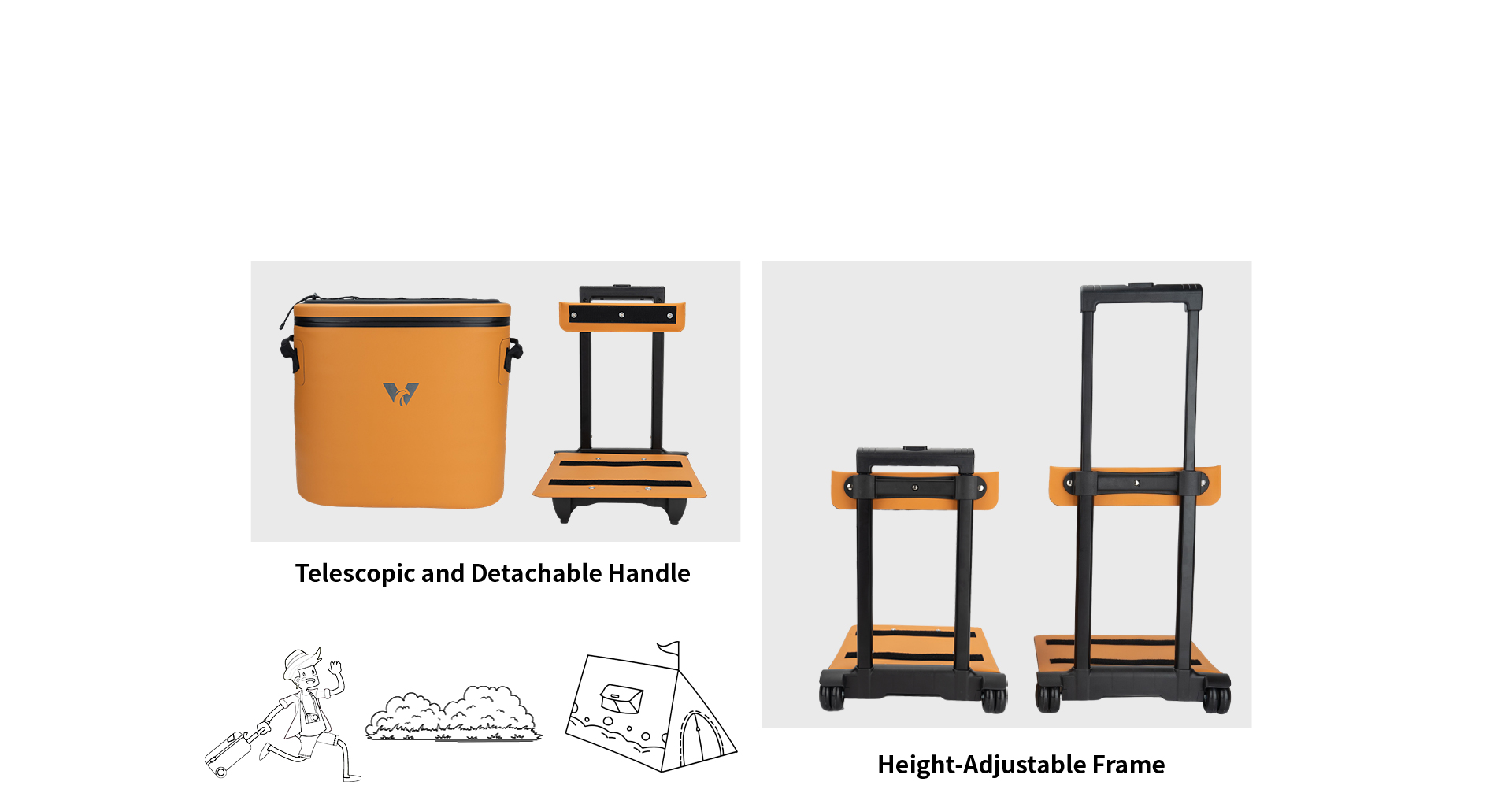
Yes. By using flexible TPU liners and high-rebound foams instead of rigid plastics, a skilled seafood cooler bag maker can build bags that offer excellent puncture resistance while still folding flat to save warehouse space.
4. What is the difference between puncture resistance and abrasion resistance?
Puncture resistance refers to a material's ability to withstand sharp, pointed objects (like fish bones or claws) pushing directly through it. Abrasion resistance is the fabric's ability to withstand scraping against rough surfaces (like concrete floors or metal truck walls) without wearing thin.
5. How does a removable PE baseboard protect the cooler bag?
A removable high-density PE baseboard acts as a tough, flat shield at the bottom of the bag. It keeps the weight of the seafood distributed evenly and prevents sharp bones from pressing directly into the flexible bottom liner, significantly extending the life of the bag.