

.webp "How to Prevent Food Spoilage: Choosing a Salad Thermal Tote Maker")
Fresh salads, raw green bowls, and cold-pressed juices are highly sensitive to temperature fluctuations. A slight rise in temperature during transit can turn a crisp, healthy meal into a breeding ground for harmful bacteria. For commercial food distributors and retailers, keeping these products cold is not just about taste. It is a critical matter of public health and regulatory compliance.
When cold chain foods sit in warm delivery vehicles, food spoilage can happen rapidly. Bacteria thrive in the temperature danger zone between 4°C and 60°C. Once the temperature climbs, the shelf life of raw leafy greens drops significantly. This creates immediate risks for businesses that rely on direct-to-consumer delivery or fresh grocery retail.
For food delivery companies, supermarket chains, and custom gift businesses, the quality of your cooler bags represents your brand's commitment to safety. A single bad delivery can damage customer trust and lead to costly refunds. Choosing an experienced salad thermal tote maker is a direct investment in your supply chain safety. Brands like weierken design thermal bags that address these exact shipping challenges with scientific insulation methods.
The Science of Thermal Insulation: How Material Engineering Prevents Spoilage
Preventing spoilage requires a thorough understanding of thermal dynamics. Heat moves from warm environments into cold delivery bags via conduction, convection, and radiation. A professional salad thermal tote maker designs multi-layered barriers to block all three types of heat transfer.
Let us look at how the physical layers of a quality insulated tote bag work together to protect your food inventory.
1. Lining Materials and Leakproof Heat-Sealed Technology
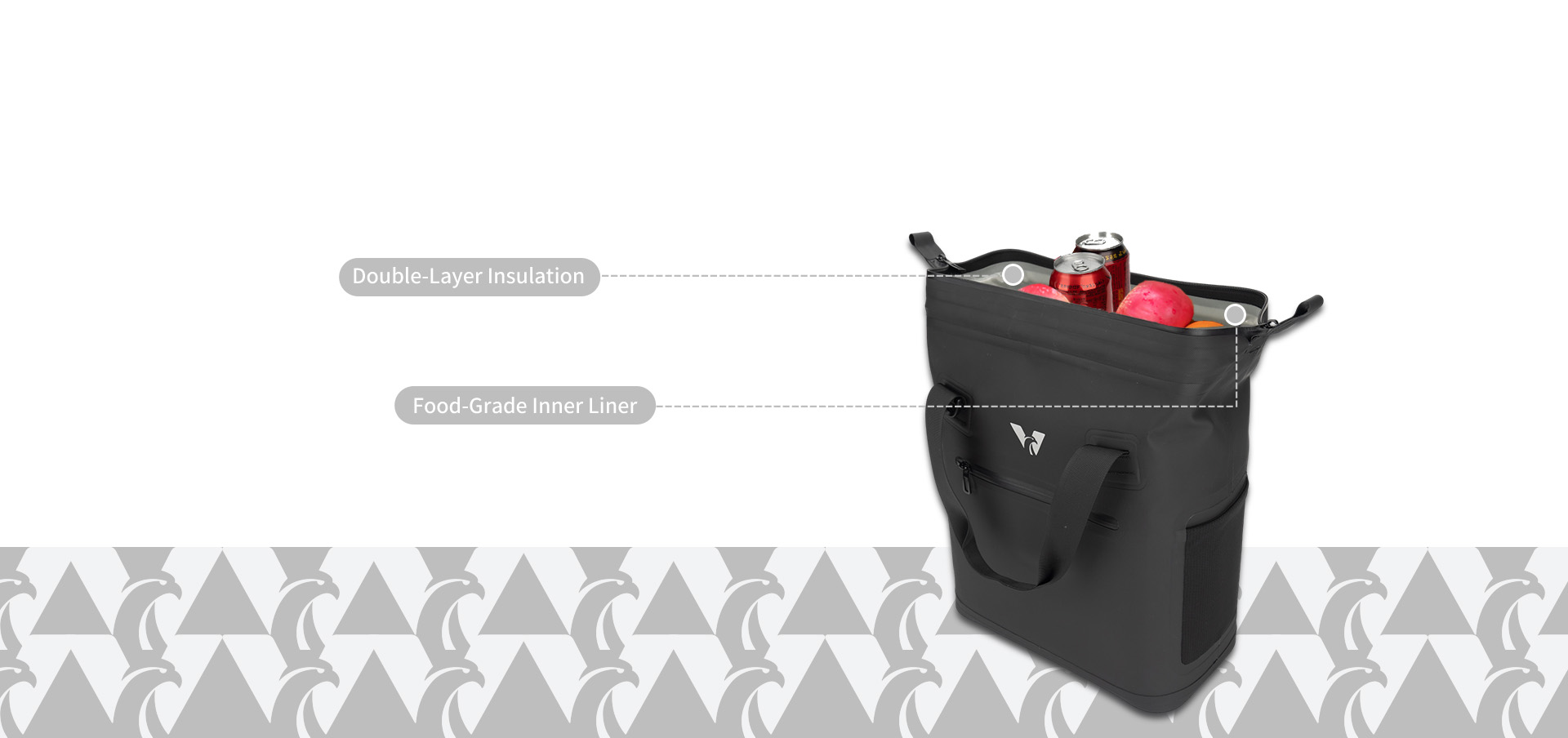
The interior lining is the first line of defense for cold salads. It directly touches the food packaging and must resist cold air loss. High-quality bags use food-grade PEVA or heavy-duty aluminum foil. These food-safe materials do not leach chemicals into your food products and are simple to clean.
Stitched seams often fail because they leave tiny needle holes. These holes allow cold air to escape and melted ice to drip out. To prevent this, manufacturers use leakproof heat-sealed technology. High-frequency welding fuses the lining panels together. This creates a seamless, watertight barrier that locks in the cold and prevents internal liquids from leaking.
2. The Middle Insulation Layer: EPE vs. XPE Foam
The middle layer determines the overall insulation efficiency of the bag. This layer is usually made of Expanded Polyethylene (EPE) foam or Cross-linked Polyethylene (XPE) foam. The thickness of this material directly affects how long the bag can keep food at safe temperatures.
3mm EPE Foam: Best suited for short-distance deliveries, usually lasting under 1 to 2 hours.
5mm EPE Foam: The industry standard for local grocery deliveries, keeping salads cold for 3 to 4 hours.
8mm or Thicker Foam: Ideal for long-distance cold chain logistics or hot summer conditions, offering up to 6 hours of protection.
While EPE foam is flexible and cost-effective, XPE foam offers a denser structure. This density provides superior thermal resistance and keeps its shape after long-term use. An experienced salad thermal tote maker will help you choose the right foam thickness based on your specific delivery times.
3. Outer Fabric Durability and Environmental Sustainability
The exterior of the tote bag must withstand friction, dirt, and wet weather. Heavy-duty Oxford fabrics, such as 600D or 900D polyester, are common industry choices because they resist tears and repel water. These fabrics keep the inner insulation layers dry and functional during rainy deliveries.
More commercial buyers now require sustainable packaging materials to meet corporate environmental goals. Many manufacturers now offer recycled PET (RPET) fabrics. This material is made from recycled plastic bottles, reducing plastic waste while maintaining the durability needed for heavy commercial use.
How to Evaluate a Salad Thermal Tote Maker: 4 Critical Dimensions
Not all manufacturing facilities have the machinery or quality control systems needed to produce reliable commercial-grade bags. When sourcing a partner for bulk insulated tote bags, you should evaluate them using these four key criteria.
Dimension 1: Compliance and Food Contact Safety Certifications
The materials used in your delivery bags must comply with local health regulations. If a lining contains lead, plasticizers, or volatile organic compounds, it can contaminate food packaging. You must verify that your manufacturer holds international food contact safety certifications.
FDA Compliance: Essential for businesses importing and selling products in the United States.
LFGB Certification: The German and European standard, which is often stricter than FDA requirements.
REACH & RoHS: Ensures that plastic components do not contain harmful heavy metals or chemicals.
Social Audits: Look for factories with BSCI or ISO 9001 certifications to ensure ethical labor and consistent production standards.
Dimension 2: Thermal Testing and Quality Control (QC)
You should not rely on unverified claims about how long a bag stays cold. A reliable salad thermal tote maker maintains a dedicated testing facility. They should use environmental chambers to test their products under controlled, high-temperature settings.
For example, weierken utilizes custom testing chambers to measure heat transfer under simulated summer conditions. They place temperature sensors inside the bags to record heat changes over several hours. Ask your manufacturer to provide these test charts before placing a bulk order.
The chart below shows a typical temperature curve for an 8mm insulated tote bag tested at a 32°C ambient temperature:
| Elapsed Time (Hours) | Internal Bag Temperature with Ice Packs (°C) | Standard Safe Limit for Salads (°C) |
|---|---|---|
| 0 Hours | 2.1°C | 4.0°C |
| 2 Hours | 3.0°C | 4.0°C |
| 4 Hours | 3.8°C | 4.0°C |
| 6 Hours | 4.5°C (Slight variance acceptable) | 4.0°C (FDA safety baseline) |
Dimension 3: Customization and OEM/ODM Design Capabilities
Standard off-the-shelf cooler bags rarely fit the exact dimensions of commercial meal prep containers. To maximize your cargo space and avoid spills, you need custom-engineered storage. A competent salad thermal tote maker should offer tailored design options.
Look for manufacturers that can incorporate functional details such as:
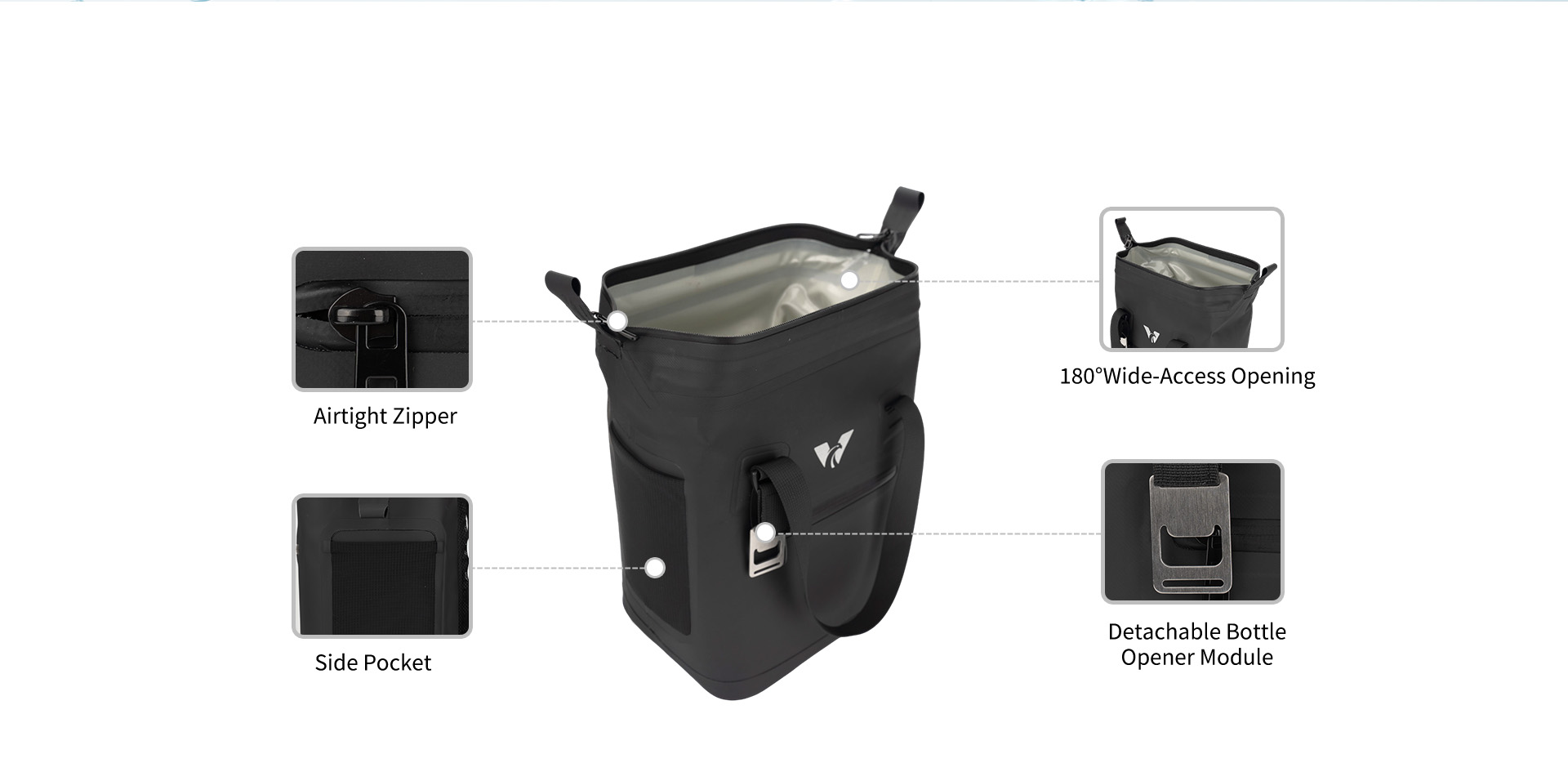
Dry/Wet Separation: Separate pockets to keep dry utensils, napkins, or menus away from cold, sweating salad containers.
Dedicated Ice Pack Slots: Built-in mesh pockets that keep gel packs in place to ensure even cold distribution.
Reinforced Stitching: Cross-stitched handles and heavy-duty shoulder straps designed to carry heavy food loads without tearing.
Durable Zipper Closures: Using waterproof or rubber-coated zippers to minimize air exchange at the bag's main opening.
Dimension 4: Supply Chain Reliability, Lead Times, and MOQ
If you run a large food delivery service or a chain of grocery stores, your business requires consistent supply chains. You need to know if the factory can scale production during peak seasonal demands. Ask potential suppliers about their daily production capacities, standard delivery times, and Minimum Order Quantities (MOQs).
A factory that handles all production stages in-house—from cutting fabric to final heat-sealing—usually offers better quality control and more stable delivery dates than companies that outsource their assembly.
A Procurement Checklist for Food Service Buyers
When you contact a potential salad thermal tote maker for the first time, asking the right technical questions will help you filter out low-quality suppliers. Use this checklist during your initial sourcing calls:
Thermal Performance: "Can you provide test data showing how many hours this bag keeps food below 4°C when the outside temperature is 25°C?"
Seam Quality: "Do you use high-frequency hot-pressing or physical stitching for the PEVA inner lining? What is your defect rate for liquid leakage?"
Eco-Friendly Fabrics: "Do you offer certified recycled PET (RPET) fabric for the outer shell? Can you provide the GRS (Global Recycled Standard) certificate?"
Zipper Specifications: "What brand and size of zippers do you use? Are they water-resistant zippers, and what is their tensile strength?"
Sample Lead Time: "What is your turnaround time for a custom pre-production sample, and do you refund the sample fee once we place a bulk order?"
Protect Your Brand with Reliable Thermal Solutions
In the competitive fresh food market, delivery presentation and food safety are vital to customer retention. Using low-grade insulated bags is a risk that can lead to ruined greens, bacteria growth, and lost customers. Investing in high-performance delivery gear keeps your salads fresh and protects your commercial reputation.
Working with an experienced manufacturer like weierken ensures your delivery bags maintain temperature compliance. They combine food-safe materials, durable construction, and reliable testing to deliver long-lasting thermal protection. Ready to upgrade your delivery equipment?
Frequently Asked Questions
1. Why is food-safe lining critical for salad thermal bags?
Salads are ready-to-eat foods that do not get cooked before consumption. If the inner lining of your bag contains toxic chemical additives or heavy metals, those substances can migrate to your food container or directly onto your food. Using FDA or LFGB certified food-grade linings ensures your business complies with public safety laws.
2. What is the typical MOQ when working with a salad thermal tote maker?
Minimum Order Quantities vary based on the level of customization you need. For standard designs with a custom printed logo, the MOQ typically ranges from 500 to 1,000 pieces. If you require custom bag dimensions, unique hardware, or custom-dyed fabrics, the MOQ may start at 2,000 pieces to cover the factory setup costs.
3. Can these bags be washed and sanitized daily?
Yes. Commercial food delivery bags must be cleaned regularly to prevent mold and bacterial growth. High-quality linings made of PEVA or TPU are waterproof and can be wiped down daily with food-safe sanitizing sprays. For the exterior fabric, wiping with a damp cloth and mild detergent is recommended to preserve the water-resistant coating.
4. What is the difference between EPE foam and XPE foam in thermal insulation?
EPE (Expanded Polyethylene) is a lightweight, flexible foam that offers good insulation at a lower cost. XPE (Cross-linked Polyethylene) has a denser, closed-cell structure. It provides better thermal resistance, does not compress easily under heavy weight, and is highly resistant to moisture. This makes XPE more durable for heavy-duty commercial deliveries.
5. How does leakproof heat-sealed technology prevent thermal loss?
Stitched linings have thousands of tiny needle holes that allow cold air to leak out and warm air to enter. Heat-sealed technology uses high-frequency heat to melt the lining edges together, creating a solid physical seal. This keeps condensation contained inside the bag and maintains stable internal temperatures for longer periods.
6. Can a salad thermal tote maker provide custom sizing for specific meal prep containers?
Yes. Most professional manufacturers can customize the length, width, and height of the bags. This ensures your salad bowls or meal prep trays fit snugly, which prevents food from shifting, sliding, or spilling during transport.