
Many procurement managers believe that reducing packaging costs requires accepting lower product quality. In the commercial delivery sector, this is a risky assumption. Low-grade thermal bags often tear at the seams, leak melting ice, and fail to maintain critical temperatures, which increases overall operational costs.
A professional cost saving thermal bag maker like weierken takes a different approach. We reduce production costs through optimized supply chains, lean assembly processes, and standardized designs. This strategy allows businesses to lower their purchasing expenses while maintaining strict thermal bag quality standards.
1. Raw Material Standards: Managing Costs at the Source
To reduce costs without compromising performance, a reliable insulated bag manufacturer must carefully evaluate material specifications. This prevents both over-engineering and under-performance.
Standardized Fabric Sourcing
Instead of purchasing uncertified, cheap fabrics, a reliable maker buys standardized materials, such as 600D polyester, in high volumes. This bulk purchasing power lowers the unit cost while ensuring consistent fabric strength and water resistance. It also guarantees that the fabric performs predictably during daily delivery operations.
Food-Grade Lining Compliance
The interior lining of a thermal bag must be safe for transporting food or pharmaceuticals. A reputable FDA approved thermal bag supplier ensures that all interior linings, including PEVA and aluminum foil, pass FDA and LFGB food safety tests. Using certified materials protects your business from product recalls and legal liability.
Balancing Insulation Density
Over-engineering a bag by adding unnecessary insulation increases material costs and makes the bag heavier. A skilled affordable thermal lunch bag manufacturer matches insulation thickness to your specific delivery times:
2mm to 4mm EPE Foam: Best for short-distance food deliveries under 45 minutes.
5mm to 8mm EPE Foam: Recommended for courier deliveries taking 1 to 3 hours.
Rigid PU Foam Panels: Ideal for overnight or long-distance pharmaceutical transport.
By matching insulation to your target transit times, you can avoid unnecessary material costs.
2. Core Performance Testing: Verifying Value with Data
A low price is only beneficial if the bag performs reliably in the field. Every production run must undergo strict thermal delivery bag quality control to ensure it can withstand daily handling.
Thermal Retention Testing
Manufacturers place prototype bags inside environmental chambers to test thermal performance. Technicians monitor internal temperatures against external heat (e.g., 35°C) and cold (e.g., -10°C). This testing provides accurate thermal curves, ensuring your goods stay safe during transit.
Load-Bearing and Stress Testing
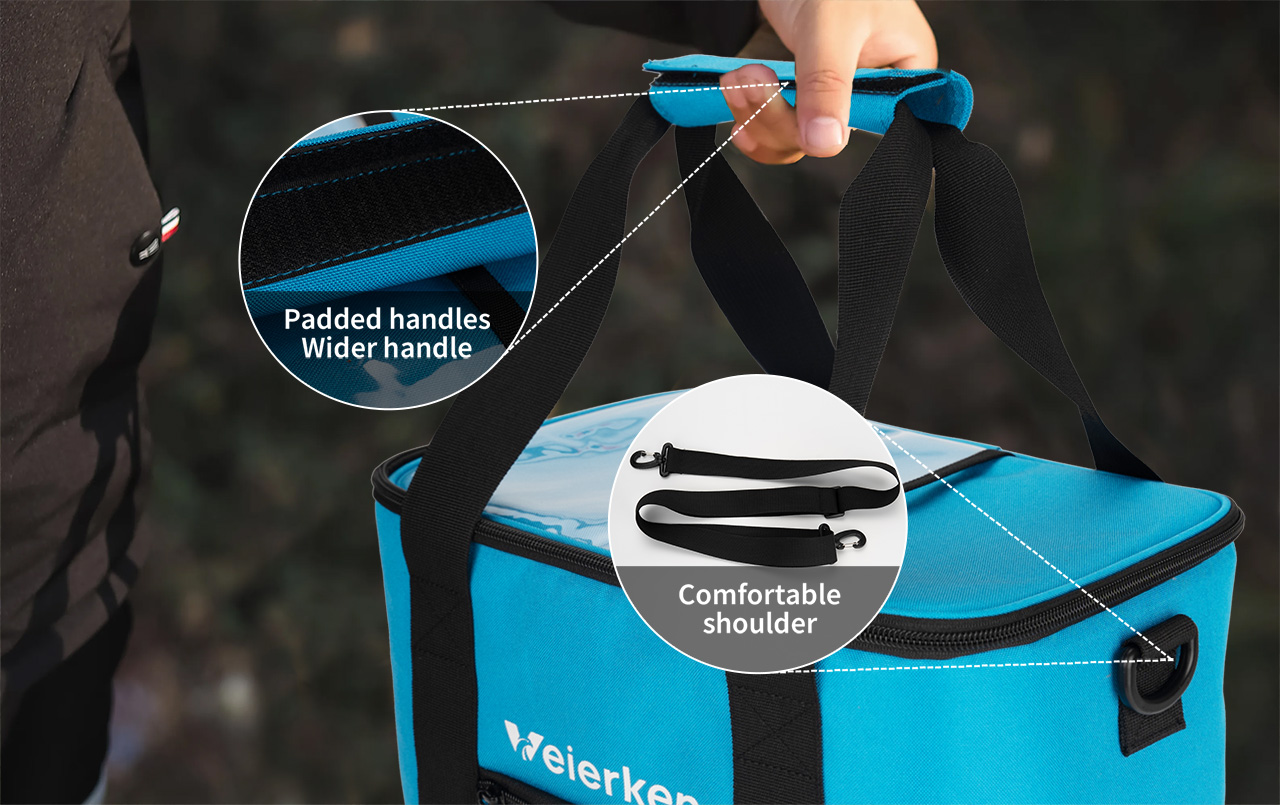
Daily use subjects seams and handles to constant tension. To prevent failure, bags are packed with weights (e.g., 10kg to 20kg) and placed on automated vibration tables. This testing ensures the handles and shoulder straps will not detach during a delivery driver's shift.
Zipper Cycle Testing
Zippers are often the first component to fail on a delivery bag. Using durable, cost-effective brands like SBS ensures reliable performance over thousands of cycles. Testing machines repeatedly open and close zippers under tension to verify their long-term durability.
| Testing Protocol | Equipment Used | Acceptance Standard | Operational Value |
|---|---|---|---|
| Thermal Retention | Environmental Test Chamber | Maintains safe temp for target transit time | Prevents food spoilage and health risks |
| Load-Bearing | Reciprocating Tensile Tester | Withstands 15kg load for 5,000 vibrations | Prevents strap failure during deliveries |
| Zipper Durability | Zipper Reciprocating Tester | Smooth operation after 10,000 cycles | Extends the overall lifespan of the bag |
3. Lean Manufacturing and Production Efficiency
A reliable insulated bag manufacturer reduces costs by streamlining production processes and minimizing waste on the assembly line.
Automated Fabric Cutting
Using computerized cutting machines allows factories to nest patterns tightly. This maximizes fabric usage, minimizes waste, and ensures that every piece is cut to exact dimensions, reducing errors during assembly.
Heat-Sealing vs. Sewing
For interior linings, high-frequency heat-sealing is faster and more reliable than traditional sewing. It creates a watertight seam that prevents leaks and reduces the labor hours required for assembly, helping to lower the overall unit price.
First-Article Inspection and Quality Control
Following strict bulk insulated bag factory standards helps minimize defect rates on the production line. Factories conduct a "first-article inspection" before beginning mass production to catch design errors early, reducing waste and avoiding expensive rework.
At weierken, we run a lean production system with clear quality control checkpoints. This allows us to maintain consistent quality and meet tight delivery schedules for our global logistics clients.
4. Certifications and Risk Management
Working with an uncertified factory can lead to unexpected expenses, such as customs delays or cargo rejections. Ensuring your manufacturing partner holds proper certifications is a critical step in long-term cost management.
Quality and Social Audits
Verify that your manufacturing partner holds these key credentials:
ISO 9001: Verifies consistent quality management systems are in place.
BSCI or Sedex: Confirms ethical manufacturing and fair labor practices, protecting your brand's reputation.
Choosing a certified partner helps prevent supply chain disruptions, ensuring your delivery operations run smoothly without unexpected delays.
Secure Your Thermal Bag Supply Chain
A successful procurement strategy balances budget targets with reliable product quality. Working with an experienced cost saving thermal bag maker allows you to optimize your packaging budget while receiving durable, reliable delivery bags.
Weierken helps logistics firms and food platforms design, test, and manufacture dependable thermal bags. Contact our team today to discuss your project requirements, request a physical prototype, or receive a detailed manufacturing estimate.
Frequently Asked Questions
1. How does a cost saving thermal bag maker maintain low prices without losing quality?
We reduce prices by using automated cutting systems to minimize material waste, purchasing raw fabrics in bulk, and utilizing heat-sealing instead of manual sewing for interior linings. This improves production efficiency without compromising the bag's durability.
2. What certifications should an FDA approved thermal bag supplier hold?
A certified supplier should provide FDA or LFGB test reports for all food-contact linings (like PEVA or aluminum film). The manufacturing facility should also be audited under ISO 9001 to ensure stable quality control throughout mass production.
3. How do you prevent interior leaks in thermal delivery bags?
We use high-frequency welding to seal the interior PEVA or PVC linings. This process uses heat and pressure to fuse the seams, creating a watertight barrier that prevents melting ice or spills from leaking into the insulation layer.
4. Can you manufacture affordable thermal lunch bags for promotional use?
Yes. As an experienced affordable thermal lunch bag manufacturer, we can modify material weights, simplify structural details, and use standard colors to meet tight budgets for promotional events while maintaining reliable daily function.
5. What is your typical turnaround time for a custom prototype?
After we receive and confirm your design drawings or reference samples, we can typically produce a physical prototype within 5 to 7 business days. This allows you to perform thermal and field tests quickly before committing to bulk production.