

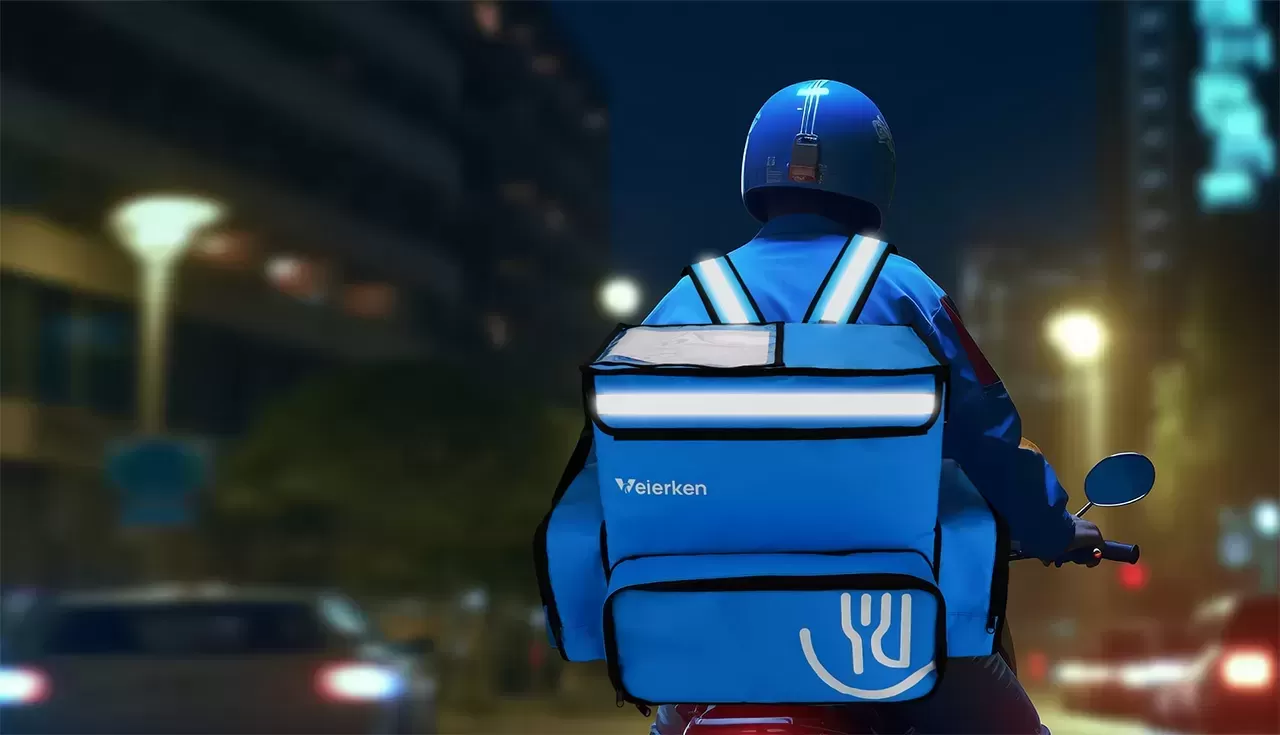
Operating a food delivery platform or a logistics network involves managing tight margins. Fleet gear, especially thermal delivery bags, represents a significant recurring capital expenditure. When purchasing these items, procurement managers often struggle to balance upfront savings with long-term product durability.
Choosing the cheapest option often leads to rapid wear, broken zippers, and ruined food orders. This increases your total cost of ownership. To achieve genuine, sustainable savings, you must look beyond the initial unit price.
Partnering with an experienced, cost saving delivery bag maker like weierken can help you optimize your procurement budget. This guide details seven practical vetting tips to evaluate suppliers, keep your initial costs low, and ensure your delivery bags perform reliably in daily operation.
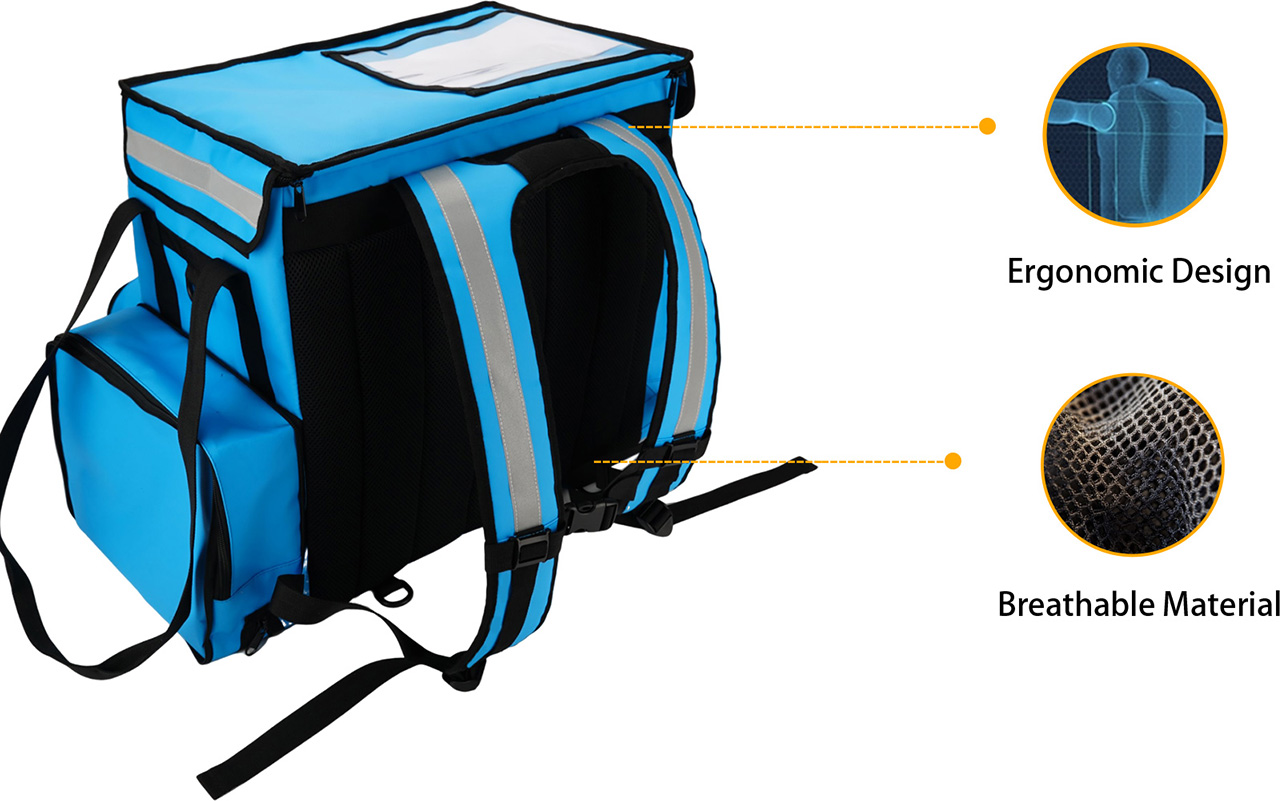
1. Evaluate Raw Material Sourcing and Integration Capabilities
Raw materials represent the largest share of a delivery bag's manufacturing cost. A supplier's sourcing strategy directly impacts your final price. You need to understand how your manufacturer sources its fabrics, insulation layers, and hardware.
An established bulk delivery bag manufacturer usually maintains long-term contracts with local fabric mills and extrusion plants. Some even integrate upstream material processing into their own operations. This vertical integration reduces intermediary markups and stabilizes material pricing during market fluctuations.
When vetting a supplier, ask about their material options and supply network:
Do they buy fabrics like 600D Polyester, 1680D Oxford, or PVC tarpaulin directly from primary weavers?
Can they source alternative insulation materials, such as different densities of EPE foam or cost-effective hollow chamber boards, to match your specific thermal requirements?
Do they have bulk purchasing arrangements for heavy-duty zippers and plastic buckles?
A supplier with a strong raw material network can offer lower unit prices without substituting inferior, unrated plastics or low-grade fabrics that fail in cold weather.
2. Assess Standardization and Tooling Processes
Custom designs are sometimes necessary, but they often require new tooling, custom cutting dies, and adjusted assembly lines. These setup steps generate extra charges and delay your production timeline.
To reduce expenses, ask if the manufacturer has standard bag templates. Most delivery networks can easily use standard 16-inch or 18-inch cube backpacks. A competent cost saving delivery bag maker will maintain a catalog of pre-engineered patterns and existing molds.
Using these standard models offers several practical benefits:
No Tooling Fees: You save money by avoiding the development costs of new cutting dies.
Lower Minimum Orders: Factories can produce standard patterns more efficiently, which often lowers their minimum order requirements.
Faster Production: Workers are already familiar with the assembly steps, which reduces labor hours and manufacturing defects.
If you require branding, ask the supplier if they can add custom logos, reflective strips, or modular dividers to a standard body template. This approach gives you a customized look without the high cost of a completely bespoke design.
3. Analyze Tiered Pricing and MOQ Flexibility
In B2B sourcing, order volume is one of your strongest leverage points. However, buying too much inventory to get a lower price can tie up your operating capital and increase warehousing costs. You need to find a manufacturer that offers clear, reasonable pricing tiers.
When reviewing quotes, look closely at the relationship between the Minimum Order Quantity (MOQ) and the unit price. A transparent supplier will provide a detailed breakdown showing how labor and setup costs are distributed across larger volumes.
Consider negotiating alternative contract structures with your partner:
Annual Blanket Orders: Commit to a larger annual volume to secure a lower unit price, but schedule smaller, quarterly shipments to manage warehouse space.
Shared Shell Designs: If you manage several sub-brands, use the same bag structure for all of them and only vary the external branding plates. This aggregates your total order volume to unlock better pricing tiers.
Understanding these options helps you optimize your cash flow while keeping the average wholesale delivery bag cost within your target budget.
4. Verify Prototyping Efficiency and Revision Cost Controls
The transition from a design draft to a finished production run is a common source of unexpected expenses. Slow prototyping, miscommunicated specifications, and repeated sample adjustments can delay your launch and drain your development budget.
A reliable custom insulated bag supplier should have a dedicated, in-house prototyping department. Their sample makers must be able to convert technical specification sheets (Tech Packs) into physical pre-production samples quickly and accurately.
Partnering with a supplier like weierken helps streamline this process. Efficient prototyping relies on clear, structured communication:
Detailed Digital Drafts: Ensure the manufacturer provides clear 2D patterns or 3D digital renderings before they cut any physical fabric.
Transparent Sample Fees: Confirm whether the initial sample fees will be credited back to your account once you place the bulk production order.
Explicit Revision Policies: Clarify how many sample revisions are included in your initial agreement to avoid unexpected engineering charges.
Getting the sample right on the first or second attempt keeps your project on schedule and prevents budget overruns before mass production begins.
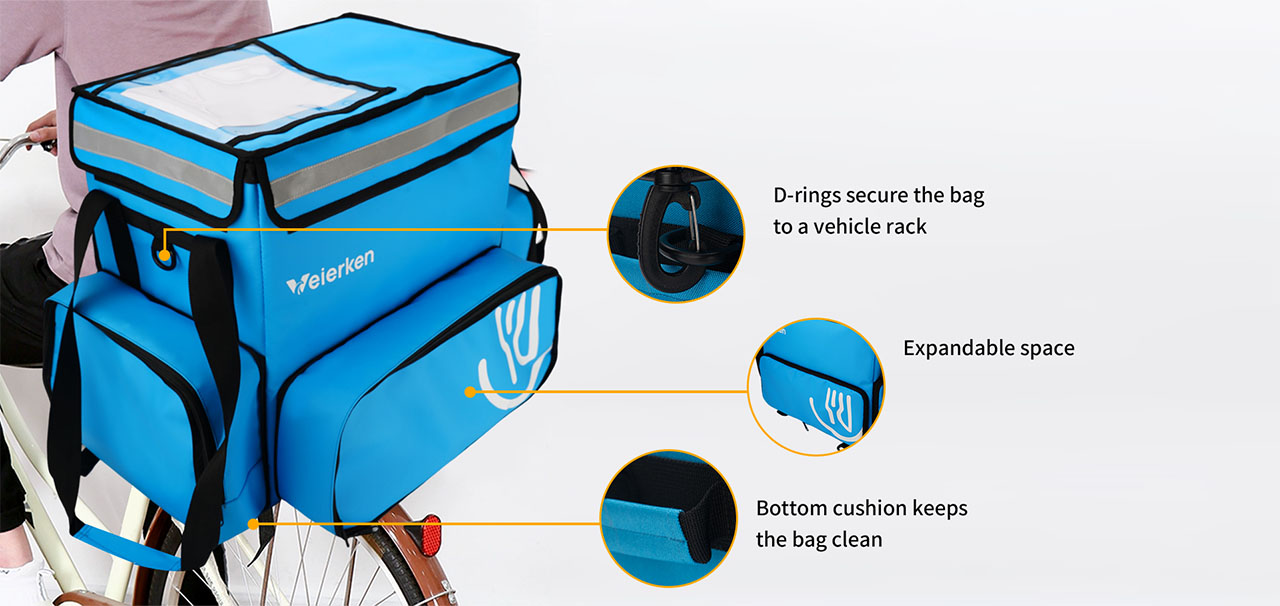
5. Inspect Quality Control Systems to Avoid Indirect Costs
A low purchase price means very little if your delivery bags fail after a few weeks of use. Broken zippers, torn shoulder straps, and failing thermal insulation lead to driver complaints, damaged food, and expensive replacement orders.
True cost savings come from preventing these field failures. When vetting a cost saving delivery bag maker, look closely at their quality control (QC) processes. They should monitor quality at every stage of production, rather than just conducting a quick inspection at the end.
Ask potential manufacturing partners if they use these specific production techniques:
Reinforced Stress Points: Do they use double-stitching, box-stitching, or bar-tacking on handles and shoulder strap attachments?
Durable Hardware: Do they use corrosion-resistant zippers and high-impact plastic buckles that can withstand daily wear?
In-Line Inspections: Do they inspect the insulation liners for proper sealing before sewing the outer shell?
Preventing assembly mistakes on the factory floor is much cheaper than dealing with product returns, replacement shipments, and administrative overhead later on.
6. Review Packaging and Shipping Space Optimization
Because thermal delivery bags are bulky, shipping costs can make up a large portion of your total landed cost. If you import bags internationally, shipping empty space inside large boxes will quickly inflate your logistics budget.
An experienced cost saving delivery bag maker knows how to package goods efficiently to minimize shipping volume. They should offer smart packaging solutions that reduce your freight costs.
Ask your manufacturer about these shipping optimization options:
Flat-Pack Engineering: Can the bags be designed with folding seams or removable rigid panels so they lie flat during transit?
Vacuum Compression: For soft-sided insulated bags, can they use vacuum-sealed packaging to reduce the box volume?
Optimized Carton Sizes: Do their master cartons fit neatly onto standard shipping pallets to maximize container space and avoid carrier surcharges?
Reducing the physical volume of your shipment helps you fit more units into each container. This significantly lowers your per-unit shipping cost and improves your overall B2B food delivery bag sourcing efficiency.
7. Confirm Factory Compliance and Social Responsibility Audits
Operational risks can easily disrupt your supply chain and create unexpected costs. If a factory is shut down for environmental violations or labor disputes, your delivery schedule will suffer, and you may face expensive supply shortages.
Choosing a compliant manufacturer protects your business from these operational disruptions. Make sure your partner follows local labor laws, environmental guidelines, and international safety standards.
Look for factories that hold recognized certifications and undergo regular third-party audits:
Social Compliance Audits: Certifications like BSCI or Sedex show that the factory maintains fair working conditions, which helps prevent labor disputes and sudden shutdowns.
Material Safety Certifications: Materials should comply with REACH, RoHS, or FDA food-contact standards, ensuring they are non-toxic and safe for food transport.
Quality Management Systems: An ISO 9001 certification demonstrates that the factory follows consistent, documented manufacturing processes.
Working with a fully compliant manufacturer protects your supply chain from sudden regulatory interruptions and helps safeguard your brand's reputation.
Achieve Long-Term Value with the Right Partner
Finding a reliable cost saving delivery bag maker requires looking at your total sourcing costs. By focusing on raw material supply, production efficiency, smart packaging, and rigorous quality control, you can secure durable delivery gear that fits your budget.
At weierken, we help logistics companies and food delivery platforms optimize their equipment sourcing. We combine cost-effective manufacturing processes with reliable quality control to deliver durable thermal bags that lower your long-term operating costs.
Ready to Optimize Your Delivery Bag Sourcing?
Contact our sourcing team today to discuss your project requirements, request a custom sample, or receive a transparent, factory-direct quotation.
Frequently Asked Questions
1. How does a cost saving delivery bag maker maintain low prices without sacrificing quality?
A reliable manufacturer achieves savings by sourcing raw materials in bulk directly from mills, using automated cutting machinery to reduce fabric waste, and utilizing existing product molds. They focus on manufacturing efficiency rather than using cheap, unrated materials that fail in the field.
2. What are the key materials that affect the wholesale delivery bag cost?
The main cost drivers are the outer fabric (such as PVC tarpaulin or high-denier Oxford fabric), the insulation core (dense EPE foam vs. standard PU foam), and the hardware (zippers, buckles, and interior frames). Optimizing these specifications to match your exact climate and delivery times keeps your material costs under control.
3. Can we customize standard bag designs to avoid development fees?
Yes. Modifying an existing factory template is an excellent way to save money. You can usually add custom logos, adjust the color of the fabric, or change the interior pocket layout without paying for expensive new cutting dies or tooling molds.
4. How does packaging design impact overall B2B food delivery bag sourcing budgets?
Because insulated delivery bags are bulky, shipping fees make up a large portion of your total cost. Choosing flat-pack designs or collapsible soft bags allows the manufacturer to pack more units into a single shipping container, which significantly reduces your per-unit shipping costs.
5. Why are factory audits important when choosing a bulk delivery bag manufacturer?
Factory audits (like BSCI or ISO 9001) verify that the supplier operates legally, ethically, and safely. Choosing a fully compliant factory minimizes the risk of sudden production shutdowns due to environmental violations or labor disputes, keeping your supply chain stable.