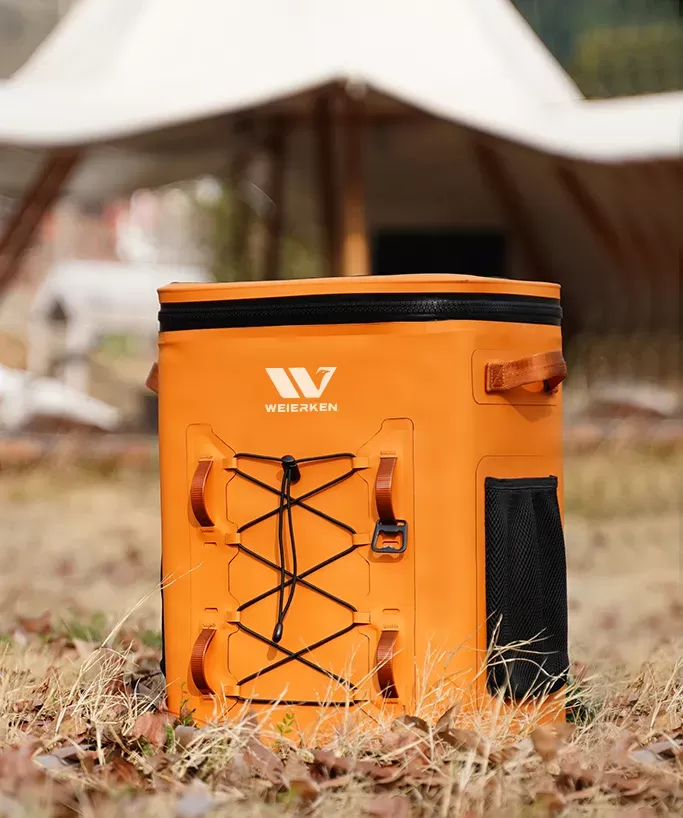

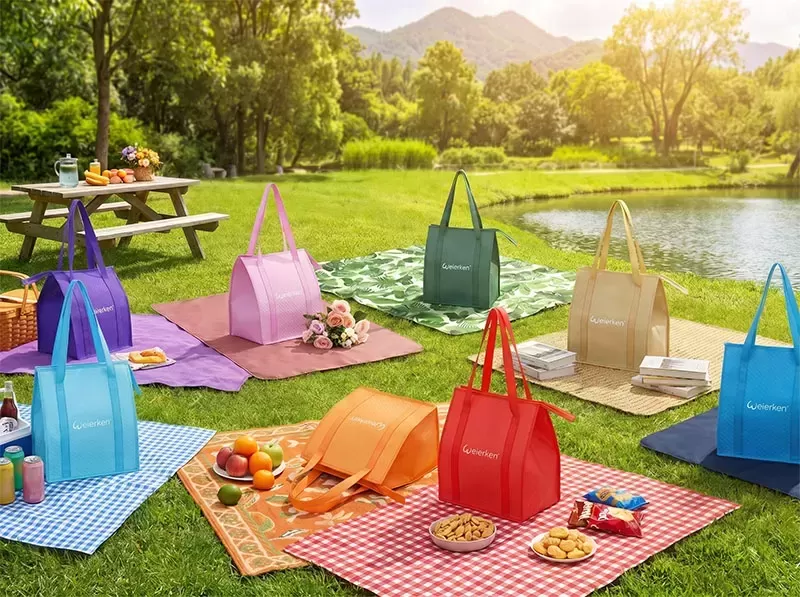
On-demand delivery services face complex logistics challenges. Delivery couriers regularly carry cold drinks, frozen desserts, and steaming hot meals in a single trip. Traditional single-compartment bags cannot handle these mixed-temperature loads without risking food spoilage or customer complaints.
To solve this, operations managers are turning to specialized thermal gear. However, purchasing these complex bags often involves high unit prices and long manufacturing lead times. Finding a reliable multi zone insulated bag maker is key to keeping these expenses under control.
Working with an experienced partner like weierken allows sourcing managers to balance thermal performance with cost-effective production. By understanding the manufacturing process, you can make smarter purchasing decisions that protect your bottom line.
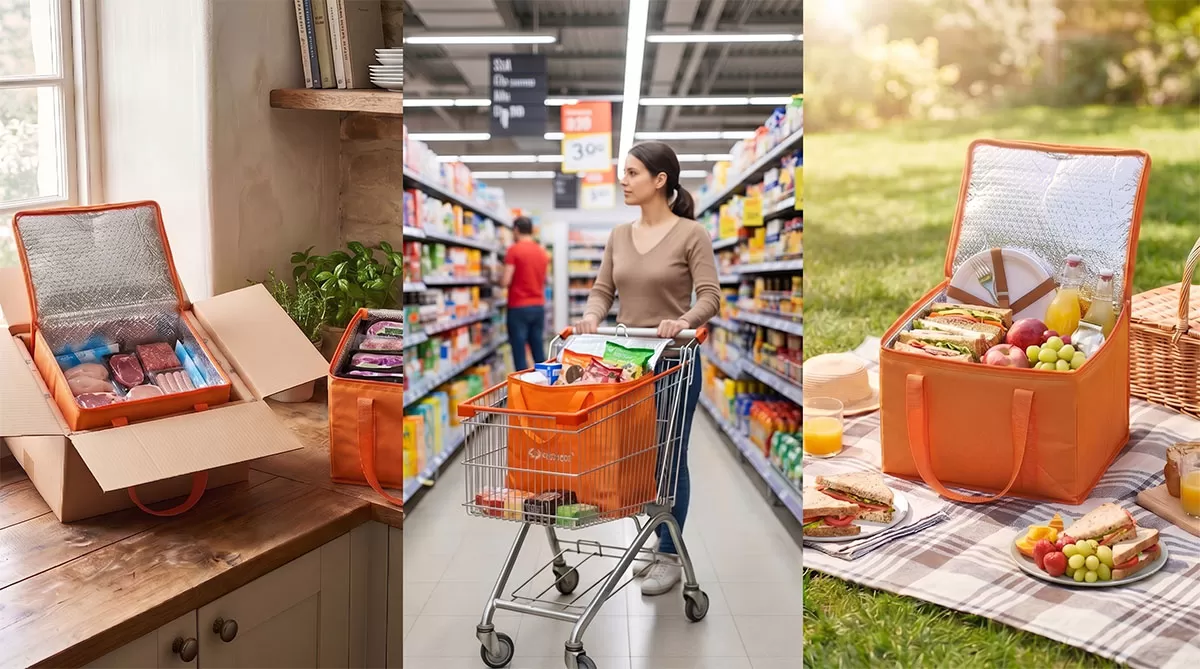
The Technical Challenges and Cost Drivers of Multi-Zone Bags
Manufacturing a multi-temperature thermal bag is more complex than producing standard cooler bags. Controlling different temperature zones within a single, portable unit requires precise engineering and premium materials.
Understanding these technical elements helps procurement teams identify where their money goes and where they can save:
Thermal Dividers: These internal walls prevent heat transfer between hot and cold zones. They must fit tightly against the bag walls using heavy-duty Velcro or magnetic tracks to block airflow.
Diverse Inner Liners: Different zones require different lining materials. For example, a hot zone might use reflective aluminum foil to bounce back radiant heat, while a cold zone uses leak-proof PEVA or TPU.
Outer Shell and Insulation: High-density EPE or EP foam sheets provide structural support. The outer fabric, such as 500D PVC or heavy-duty Oxford cloth, must withstand daily wear, tear, and weather.
These complex designs usually increase production costs. Working with a specialized multi zone insulated bag maker helps streamline the design process to eliminate unnecessary expenses.
How a Reliable Manufacturer Reduces Explicit Sourcing Costs
Many buyers think the easiest way to save money is to ask for cheaper raw materials. However, this often leads to poor insulation and quick wear. A professional insulated delivery bag manufacturer uses smarter methods to lower direct purchase costs.
1. Design for Manufacturing (DFM) Optimization
Experienced engineers do not just copy a drawing. They optimize the structure for the production line. For example, instead of sewing permanent internal walls, they might design adjustable dividers.
This approach allows you to buy custom multi-temp insulated bags that adapt to different orders. Delivery drivers can shift the interior walls based on their cargo, reducing the total number of bag sizes you need to purchase.
2. Raw Material Supply Chain Integration
Established manufacturers maintain long-term partnerships with raw material suppliers. They buy fabric, foam, and zippers in massive quantities, securing lower rates than smaller factories can access.
A manufacturer like weierken can pass these savings on to B2B clients. This purchasing power ensures you receive durable materials without paying premium retail prices.
3. Semi-Automated Production Lines
Multi-compartment bags require significant labor for assembly and sewing. Top-tier factories solve this by using automated fabric cutters and high-frequency welding machines for waterproof inner compartments.
Automation reduces human error, speeds up production, and lowers labor hours. This directly reduces the unit cost of your bulk thermal bags for delivery.
How to Lower Hidden Operational and Damage Costs
The purchase price is only one part of the total cost of ownership. Low-quality bags often lead to hidden operational losses, which can quickly exceed any initial savings.
Working with a reliable multi zone insulated bag maker helps you avoid these indirect expenses:
Reducing Defect and Spoilage Rates: Poorly constructed seams or cheap zippers cause thermal leakage. If food or medicine spoils during transit, your business faces customer refunds and brand damage. Reliable factories use strict quality control systems to ensure consistent thermal protection.
Lowering Logistics and Warehousing Fees: Insulated bags are bulky, making international shipping expensive. Smart manufacturers design their products to ship flat or use vacuum-compression packaging. This dramatically reduces shipping volumes and warehousing costs.
Extending Product Lifespan: A cheap bag might last three months, while a well-built thermal bag can perform for over a year. Buying durable gear reduces the frequency of replacement orders, saving money over time.
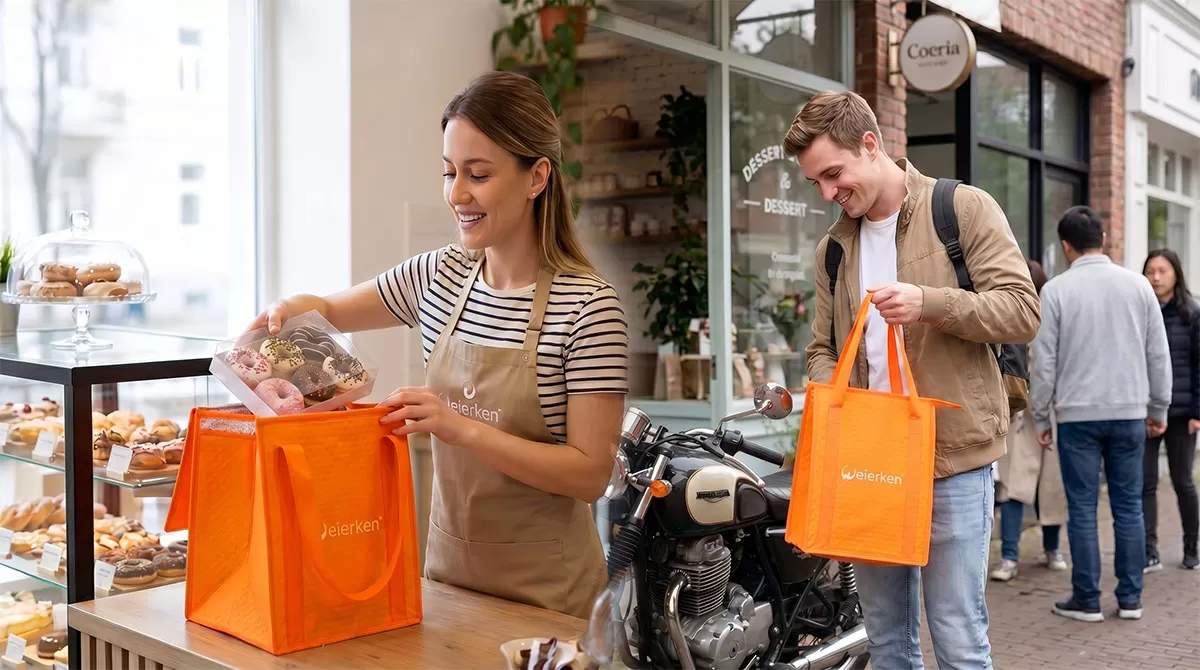
How to Evaluate a Multi Zone Insulated Bag Maker
Not every factory has the machinery or expertise to produce complex, multi-compartment delivery bags. Use these criteria to evaluate potential suppliers and secure the best partner for your business.
Verify Factory Certifications
Ensure the manufacturer holds recognized quality and compliance certifications. Look for ISO9001 for quality management systems and BSCI for ethical labor standards. If you are transporting food or pharmaceutical products, verify that the inner lining materials are FDA-compliant.
Evaluate Custom Prototyping Capabilities
A professional supplier should turn your concepts into 3D drawings and physical prototypes quickly. Ask if they can deliver initial samples within 5 to 7 days. Fast prototyping speeds up your testing phase, allowing you to deploy your delivery fleet sooner.
Check Production Capacity and Flexible MOQs
Your supplier must be able to scale production during peak holiday seasons. At the same time, look for manufacturers that offer flexible Minimum Order Quantities (MOQs) for custom orders, allowing you to test new bag designs without a massive upfront financial commitment.
Reducing your procurement expenses does not mean you have to sacrifice the thermal performance of your delivery fleet. By focusing on smart design, supply chain integration, and high manufacturing standards, you can find a balance between price and quality.
Partnering with a reliable multi zone insulated bag maker like weierken helps you streamline your sourcing process. We focus on durable, cost-effective manufacturing methods to protect your cargo and your budget.
Ready to lower your procurement costs? Contact our team today to request a custom quote and learn how we can optimize your delivery gear.
Frequently Asked Questions
1. What is the average lead time for custom multi-temp insulated bags?
For custom orders, design and prototyping typically take 5 to 7 days. Once the sample is approved, bulk production generally takes 30 to 45 days, depending on the order volume and design complexity.
2. How do adjustable dividers maintain different temperatures in the same bag?
Adjustable dividers use dense foam cores wrapped in reflective thermal linings. They seal tightly against the bag walls using heavy-duty Velcro or magnetic strips, preventing heat exchange between the compartments.
3. Can we get FDA-compliant materials for food and pharmaceutical delivery?
Yes. A reliable multi zone insulated bag maker can supply food-grade, FDA-compliant liners like PEVA or TPU. These materials are safe for direct food contact and are easy to clean and sanitize.
4. How do you help reduce shipping costs for bulk thermal bags for delivery?
We design our thermal bags to fold flat without damaging the internal insulation foam. This reduces the overall packaging volume, allowing us to pack more units into each shipping container to lower your ocean or air freight costs.
5. What is the typical MOQ for custom multi-zone delivery bags?
The Minimum Order Quantity generally ranges from 500 to 1,000 units for fully customized designs. However, we can often discuss flexible MOQ options for initial trial orders or standard structural designs.