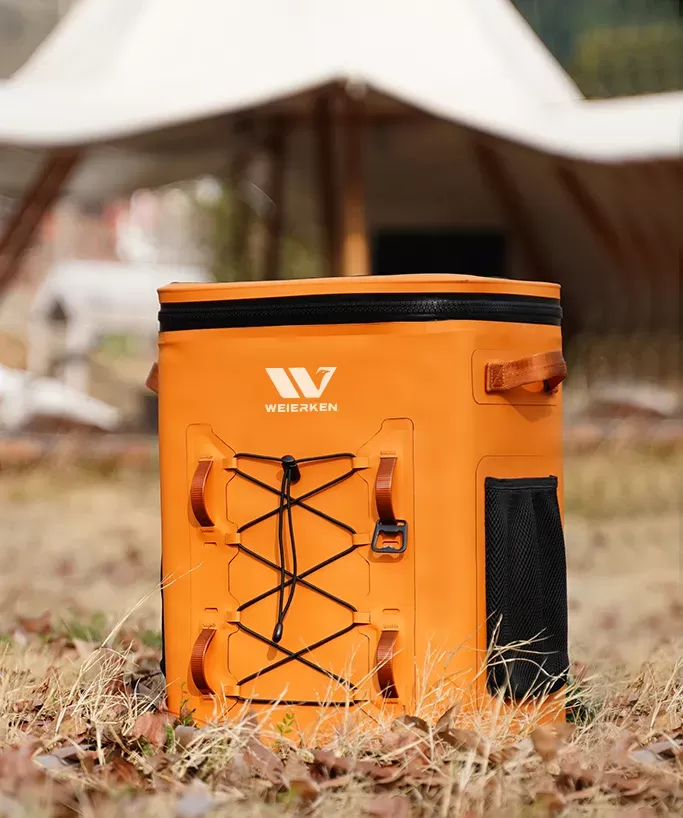

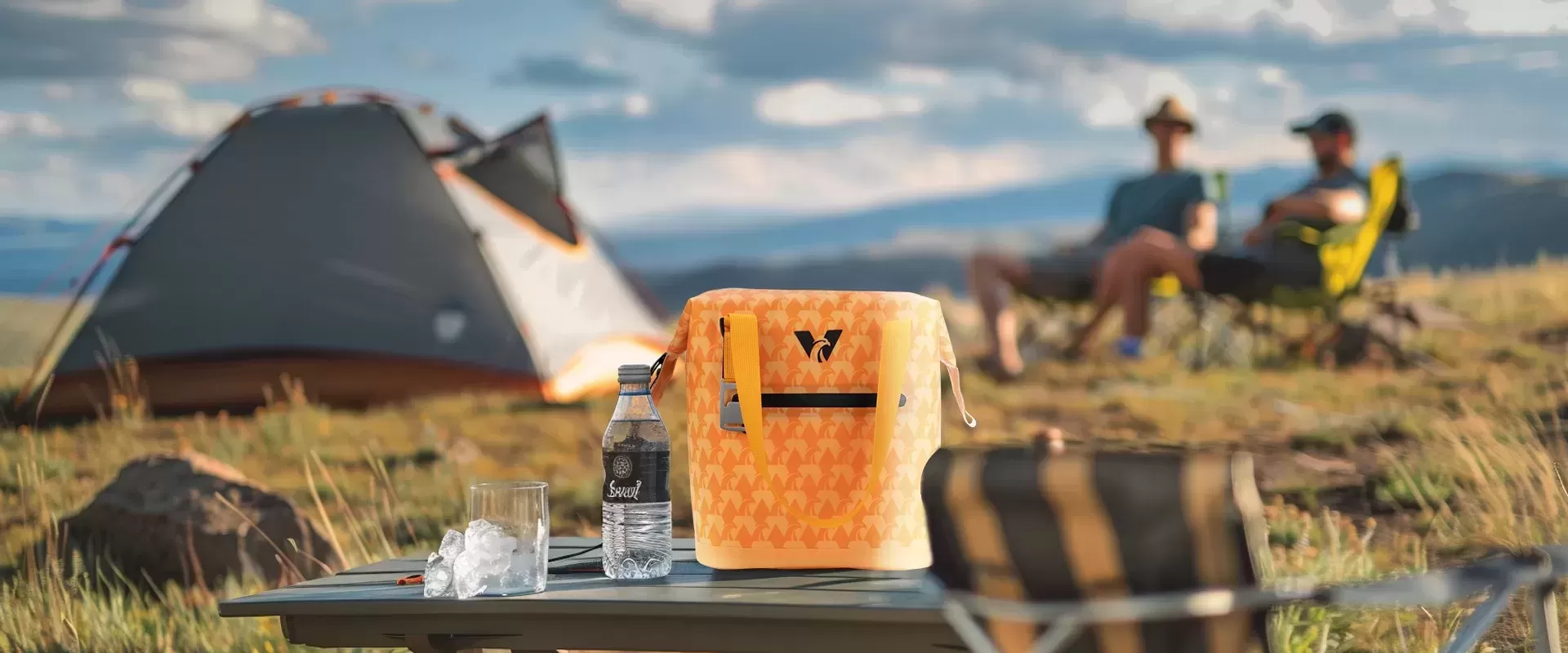
The on-demand delivery sector is growing rapidly. From fresh grocery e-commerce to hot meal delivery, companies face intense pressure to maintain food quality. Temperature control at the final delivery stage directly affects the consumer experience and food safety.
Traditional single-temperature insulated bags struggle to meet modern delivery demands. Carrying hot pizza and cold drinks in the same bag often leads to lukewarm food and warm drinks. This is where a specialized multi zone thermal bag maker like weierken steps in to help.
By using advanced material science and structural design, a professional manufacturer helps logistics and catering businesses solve practical delivery challenges. Below, we examine five major delivery problems and how custom manufacturing solves them.
Challenge 1: Cross-Temperature Contamination ("Hot Meets Cold")
Delivery riders often mix hot foods with cold beverages in a single compartment to save time and reduce trips. This practice leads to rapid heat transfer. The hot food loses its heat, and the cold drink warms up quickly. Customers receive unappealing meals, which leads to complaints and bad reviews.
Thermal energy moves naturally from warmer objects to cooler ones. When different items share a single space without proper barriers, the thermal equilibrium is reached quickly. This spoils both hot and cold items alike.
The Manufacturer's Solution
A professional multi zone thermal bag maker resolves this issue through physical isolation and material engineering:
High-Density Thermal Dividers: Rigid, insulated internal walls create distinct compartments. These dividers prevent heat transfer between adjacent zones.
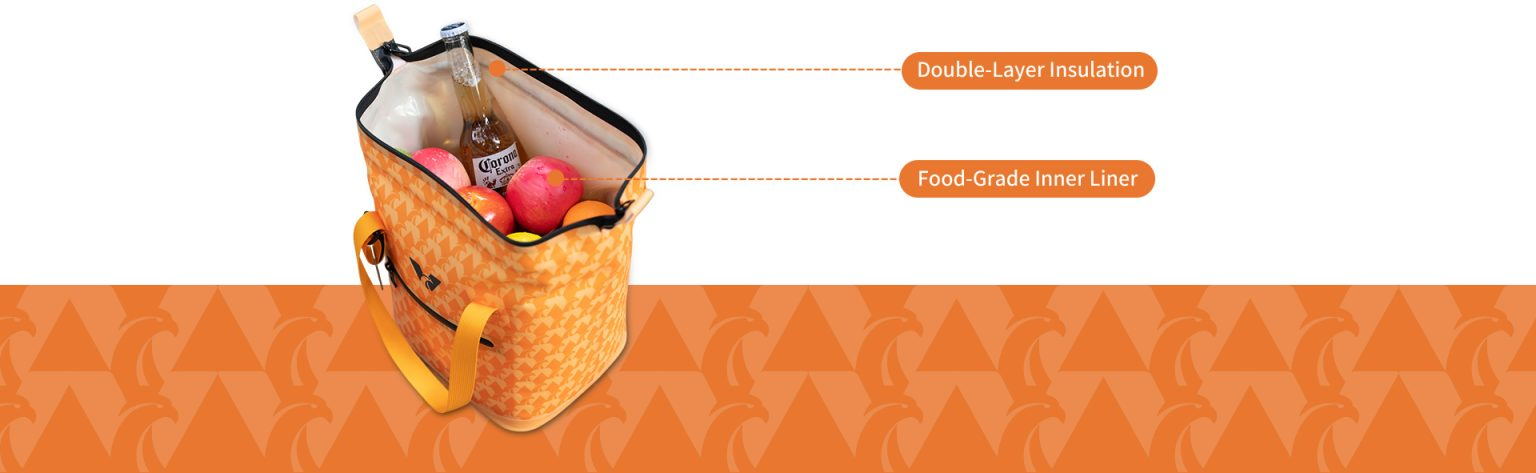
Zone-Specific Insulation Materials: Manufacturers use different thicknesses of Expanded Polyethylene (EPE) or Expanded Polypropylene (EPP) foam. This creates custom insulation coefficients for freezing, chilled, or hot chambers.
Reflective Radiation Barriers: By using specialized aluminum foil linings, the bag reflects radiant heat inward for hot items, while keeping cold zones isolated.
These tailored solutions allow a single carrier to function as multiple independent thermal units. Businesses can distribute diverse menus without compromising quality.
Challenge 2: Rapid Temperature Loss During Multi-Stop Routes
Multi-stop deliveries and urban traffic congestion extend the delivery window. Every time a courier opens a standard delivery bag, the internal environment is exposed to ambient air. This causes a sudden loss of cold air or heat, which poses a threat to temperature-sensitive foods like seafood, ice cream, or sushi.
Frequent opening of the bag breaks the thermal seal. For long routes, this means the items delivered last are often at room temperature by the time they arrive.
The Manufacturer's Solution
To preserve temperature stability over long routes, a B2B insulated bag manufacturer designs smart access points:
Independent Access Zones: Instead of one large zipper, the bag features separate openings for each compartment. Couriers retrieve specific items without exposing other zones to the outside air.
Integrated Cooling & Heating Slots: Custom bags include mesh pockets or dedicated slots for ice gel packs or electric heating elements. These additions extend the safe temperature duration for hours.
Magnetic Quick-Close Seals: Magnetic flaps allow the bag to snap shut instantly between stops. This reduces the time a zone remains open.
These features protect the cold chain. They allow courier fleets to plan longer, more cost-efficient routes with confidence.
Challenge 3: Inconsistent Order Volumes and Spilling
Delivery orders vary in size every day. A single rider might carry one small soup container on one trip, and a large family-sized catering box on the next. If the bag is too large, small items slide around, tipping over and spilling liquids. If the bag is too small, large orders cannot fit at all.
Fixed compartments restrict the usability of the bag. Delivery drivers are forced to use extra padding, like paper or towels, to keep containers upright. This looks unprofessional and wastes time.
The Manufacturer's Solution
Experienced manufacturers like weierken offer flexible structural designs to handle these volume changes:
Adjustable Velcro Dividers: Riders can move or remove these insulated panels in seconds. They can customize the interior layout to match the exact size of each order.
Collapsible Space Design: When empty, the bag can fold flat. This saves space on the delivery vehicle and makes storage simple when not in use.
Securing Straps and Elastics: Built-in interior straps hold cups and boxes firmly in place, even during sudden stops or turns on busy city streets.
This adaptability helps logistics companies buy fewer types of bags while keeping their fleets prepared for any order size. Investing in custom multi-temperature delivery bags makes operational management simpler.
Challenge 4: Intense Wear, Spills, and Hygiene Compliance
Delivery bags are used outdoors in all kinds of weather, including rain, snow, and extreme heat. They are frequently placed on dirty surfaces, tossed into vehicles, and exposed to food spills. Over time, spilled soup or condensation can seep into the seams, causing mold, bad odors, and health code violations.
Standard stitched seams are not waterproof. Liquid can easily leak into the inner foam layer, making the bag heavy, smelly, and impossible to sanitize thoroughly.
The Manufacturer's Solution
A reliable commercial food delivery bag supplier uses durable, easy-to-clean materials and construction methods:
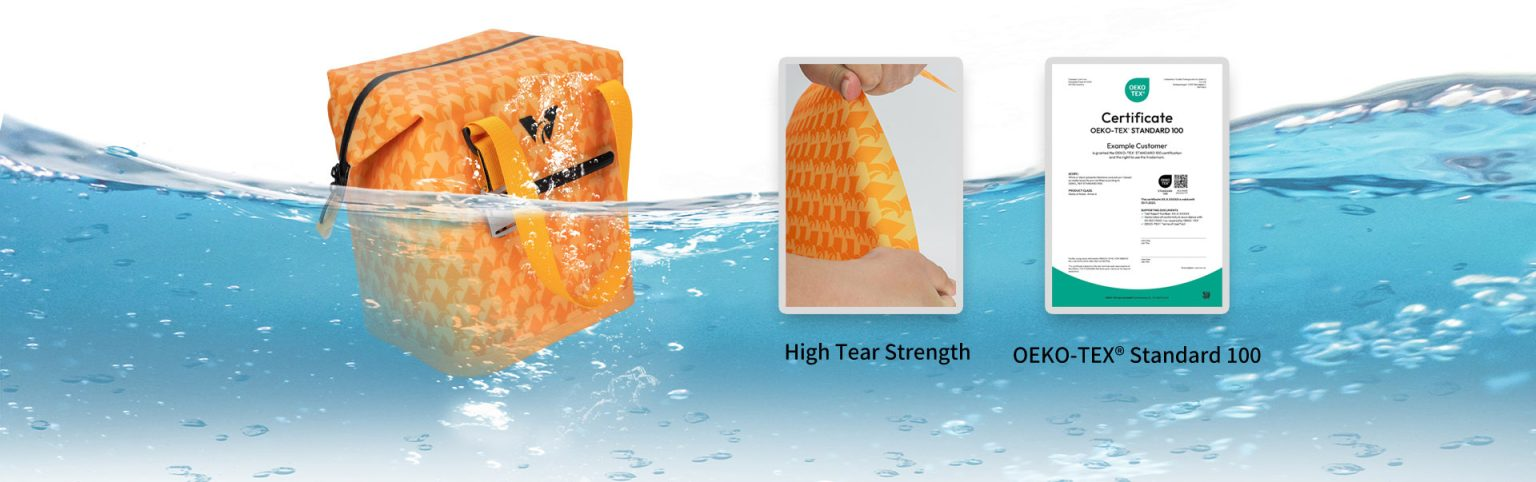
Heavy-Duty Outer Shells: The exterior is made of high-density fabrics like 1680D Oxford cloth or heavy PVC-coated tarpaulin. These materials resist tears, punctures, and water.
Leak-Proof Seamless Welding: Instead of traditional sewing, manufacturers use high-frequency thermal welding for the interior linings. This ensures a 100% leak-proof chamber that holds liquids securely.
Food-Grade, Wipe-Clean Linings: The interior uses PEVA or specialized silver foils that resist microbial growth. Couriers can sanitize the bag quickly with a simple disinfectant wipe.
Using these durable materials extends the lifespan of the delivery bag, which reduces replacement costs and keeps food transport safe and hygienic.
Challenge 5: Branding Limitations and Courier Safety
Many delivery companies struggle to find high-performance thermal bags that also match their brand identity. In addition, rider safety during night shifts or in rainy weather is a major concern. Standard off-the-shelf bags rarely include high-visibility safety features or quality branding options.
A plain, unmarked delivery bag is a missed marketing opportunity. At the same time, poor visibility on the road increases the risk of accidents for delivery staff.
The Manufacturer's Solution
An established multi zone thermal bag maker provides full customization options to balance safety, branding, and comfort:
OEM/ODM Branding Services: Businesses can add custom colors, high-resolution silk-screen printing, embroidered logos, or durable rubber badges.
High-Visibility Reflective Elements: Reflective strips are sewn onto all sides of the bag. This ensures the delivery rider is clearly visible to drivers at night and in low-light conditions.
Ergonomic Carry Systems: The bags feature thick, padded shoulder straps, chest buckles, and breathable mesh back panels. This reduces strain on the rider and improves comfort during long shifts.
By combining functional thermal design with safety features and clear branding, companies can turn their delivery staff into mobile brand ambassadors.
Why Partner with a Specialized Multi Zone Thermal Bag Maker?
Buying cheap, standard insulated bags might seem like a way to save money upfront. However, the costs of ruined food, customer refunds, and frequent bag replacements quickly add up. Partnering with a dedicated manufacturer offers several business advantages:
| Delivery Aspect | Standard Insulated Bags | Custom Multi-Zone Bags |
|---|---|---|
| Temperature Maintenance | Limited. Hot and cold items affect each other's temperature. | Excellent. True thermal isolation for different temperatures. |
| Durability | Low-grade stitching prone to ripping and leaking. | High-frequency welded seams and heavy-duty water-resistant fabrics. |
| Flexibility | Fixed compartments limit order capacity. | Adjustable Velcro dividers adapt to different order volumes. |
| Safety & Branding | Plain design with minimal safety features. | Custom logos and high-visibility reflective strips for safety. |
A professional manufacturer understands the demands of modern delivery services. They provide tailored solutions to help your logistics business run smoothly and protect your food quality.
Keeping food at the right temperature during delivery is vital for customer satisfaction and safety. Choosing a specialized manufacturer with strong design and manufacturing capabilities is a smart business decision. It helps you protect food quality, lower replacement costs, and build a strong brand presence.
As an experienced B2B manufacturer, weierken designs and manufactures high-performance cold chain delivery bag solutions. We provide durable dual compartment thermal bags bulk designed to handle the challenges of modern food logistics.
Ready to upgrade your delivery equipment? Contact our technical design team today. Share your specific sizing, temperature, and branding needs, and let us create a custom thermal bag solution for your business.
Request a Custom Quote and Design Draft Today
Frequently Asked Questions (FAQ)
1. What are the best materials for a multi-zone insulated delivery bag?
The best outer materials are high-density, water-resistant fabrics like 1680D Oxford cloth or PVC-coated tarpaulin. For insulation, manufacturers use EPE or EPP foam. The interior lining should feature food-grade, leak-proof materials like PEVA or heavy-duty aluminum foil with thermal welded seams to prevent leaks.
2. Can the dividers inside a multi-zone bag be adjusted or removed?
Yes. Professional manufacturers use adjustable Velcro divider systems. This allows delivery riders to adjust the interior layout to fit different order sizes, or remove the dividers completely to carry larger catering boxes.
3. How does a professional manufacturer ensure the bag is leak-proof?
To prevent leaks, manufacturers use high-frequency seamless welding instead of traditional sewing for the inner lining. This process melts the edges of the waterproof lining material together, creating a seamless barrier that prevents liquids from leaking into the insulation foam.
4. What is the typical Minimum Order Quantity (MOQ) for custom-branded delivery bags?
The MOQ for custom bags depends on the level of customization required. For basic logo printing, the MOQ is usually lower. For fully custom structural designs, sizes, and colors, the MOQ generally ranges from 100 to 500 units. Please contact our team for details on your specific project.
5. How do independent access zones prevent temperature loss?
Independent access zones allow couriers to open only the compartment they need to access. By keeping the other compartments closed, the cold or warm air inside those zones remains sealed. This reduces temperature fluctuations during multi-stop delivery routes.