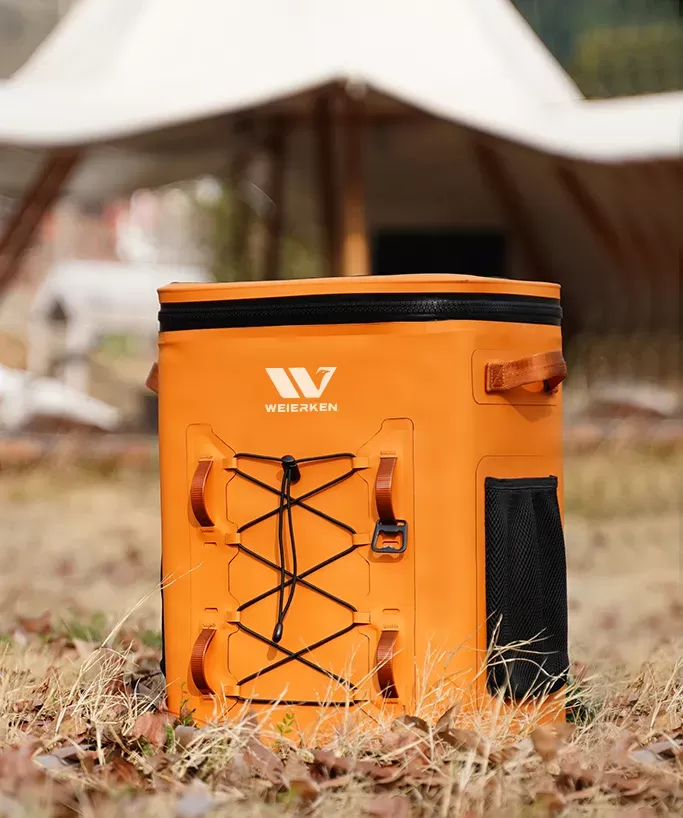

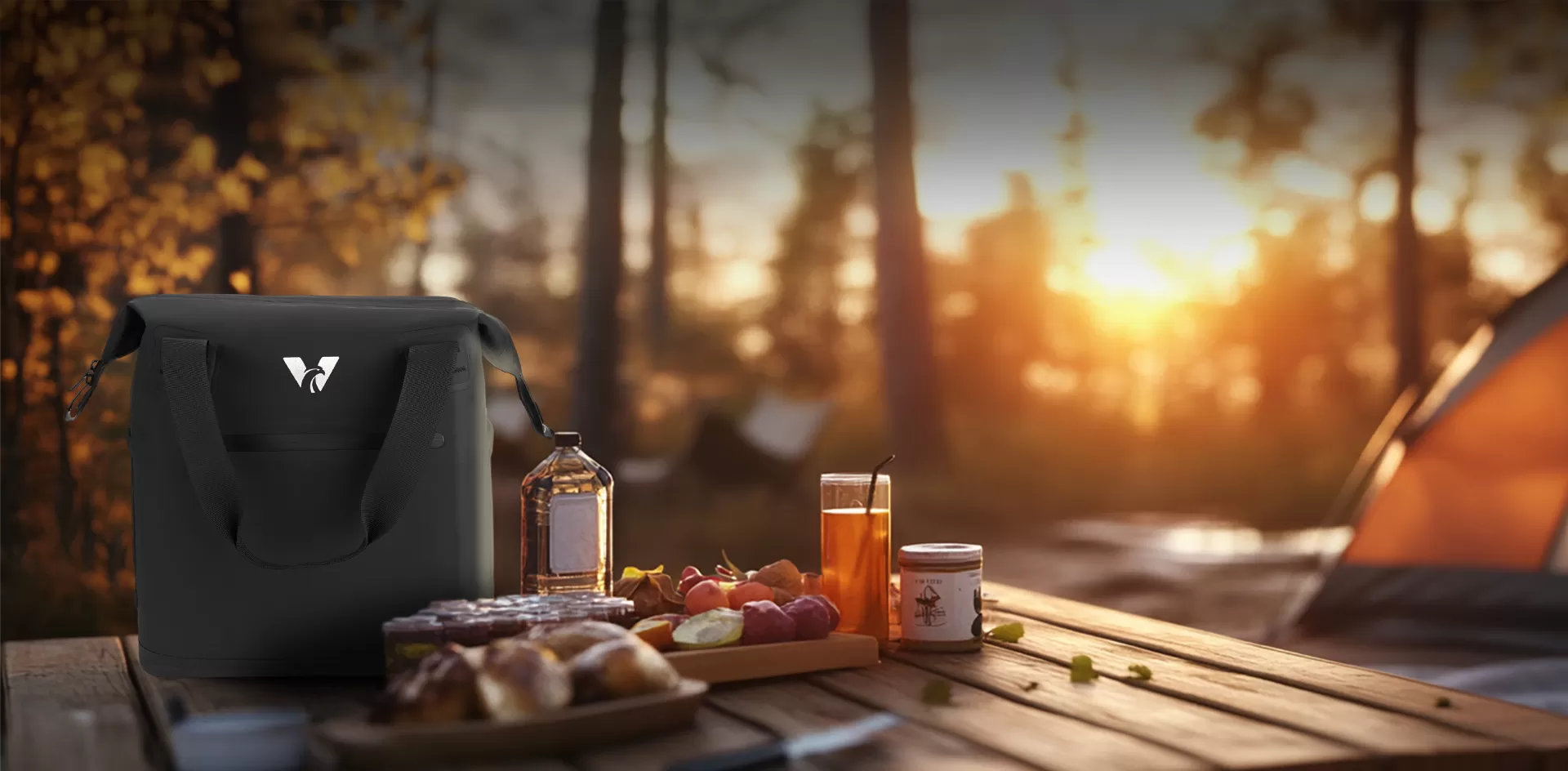
Heavy rotomolded cooler boxes are becoming a burden for modern outdoor enthusiasts. They weigh down kayaks, take up too much trunk space, and drive up ocean freight costs for importers.
As a result, demand for portable, high-insulation light coolers is surging across outdoor, beverage, and retail sectors. Buyers need products that drop weight without sacrificing ice retention or structural strength.
At Weierken, we manufacture high-performance soft coolers and ultralight insulated gear. This guide helps sourcing managers evaluate technical capabilities, seam-sealing engineering, and quality controls when choosing light cooler manufacturers.
The Market Shift: Why Lightweight Insulation Is Winning
Traditional rotomolded hard coolers offer impressive ice retention, but their heavy double-wall polyethylene construction makes them difficult to transport. High shipping costs also squeeze profit margins for brands and distributors.
Light coolers solve these logistics and usability problems. Whether utilizing collapsible TPU soft shells or expanded polypropylene (EPP) hard structures, modern light coolers offer high thermal efficiency at a fraction of the mass.
However, engineering lightweight thermal gear presents real manufacturing risks. Cheaper builds lead to leaking inner liners, sweat-covered outer shells, and fast-melting ice. Sourcing from experienced light cooler manufacturers eliminates these failure points.
Core Technology 1: Advanced Insulation Materials & Fabrics
Thermal performance relies heavily on core insulation materials and exterior laminates. Qualified suppliers select distinct raw materials based on whether the bag is soft-sided or hard-structured.
1. Soft-Sided Light Coolers: Materials & Foams
High-end soft coolers balance durability, low weight, and thermal resistance by combining technical outer shells with dense foam cores:
Closed-Cell NBR/PE Foam: Unlike cheap open-cell sponge foam, closed-cell Nitrile Butadiene Rubber (NBR) foam traps air within isolated pockets. It refuses to absorb moisture, weighs very little, and provides superior thermal insulation.
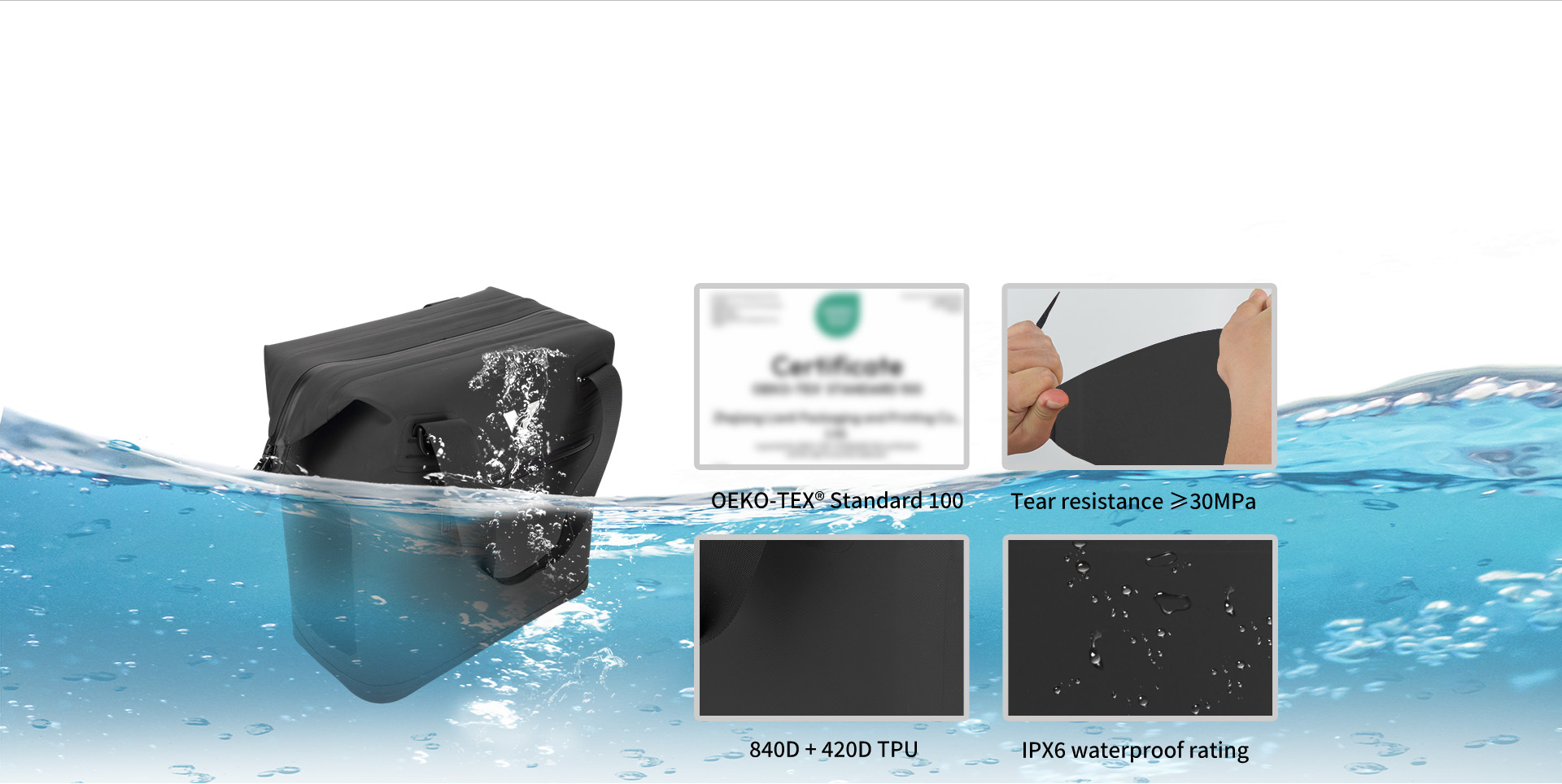
840D / 1000D TPU Laminated Fabrics: Thermoplastic Polyurethane (TPU) laminated nylon creates a puncture-resistant, waterproof outer shell. It withstands rough ground, ocean sand, and UV radiation without cracking.
Sourcing from an established custom TPU cooler bag OEM ensures your soft-sided products remain flexible in cold weather and completely sweat-proof on hot summer days.
2. Ultralight Hard Coolers: EPP & Vacuum Panels
When buyers require rigid structures without heavy plastic walls, specialized factories utilize modern polymer technologies:
Expanded Polypropylene (EPP): EPP consists of 95% air trapped inside molded polypropylene beads. An ultralight EPP cooler box manufacturer can produce rigid, shock-absorbing boxes that weigh up to 60% less than traditional hard coolers while maintaining solid ice retention.
Thin-Wall Injection with PU Foaming: Uses high-pressure polyurethane injection between thin outer plastic skins to achieve structural rigidity while cutting mass.
Vacuum Insulation Panels (VIP): Integrated into high-end coolers to deliver multi-day ice retention with minimal insulation thickness.
Core Technology 2: Leakproof Engineering & Airtight Sealing
A soft cooler that leaks melted ice water is useless. Top light cooler manufacturers use stitchless assembly methods to guarantee 100% leakproof performance.
1. High-Frequency (RF) Seamless Welding
Traditional sewing machine needles pierce thousands of holes through fabric panels. Even with taped seams, water eventually seeps out through stitch points under pressure.
An advanced airtight leakproof soft cooler factory uses High-Frequency (RF) welding machines. Electromagnetic energy fuses the inner TPU liner sheets at a molecular level, creating a continuous, seamless basin that cannot leak.
Figure 1: High-Frequency RF welding fuses TPU liners together, creating a 100% leakproof interior basin without sewing needle punctures.
2. Airtight & Hydro-Lock Zipper Systems
Thermal loss often occurs around zipper teeth. Premium soft coolers rely on specialized airtight closure systems:
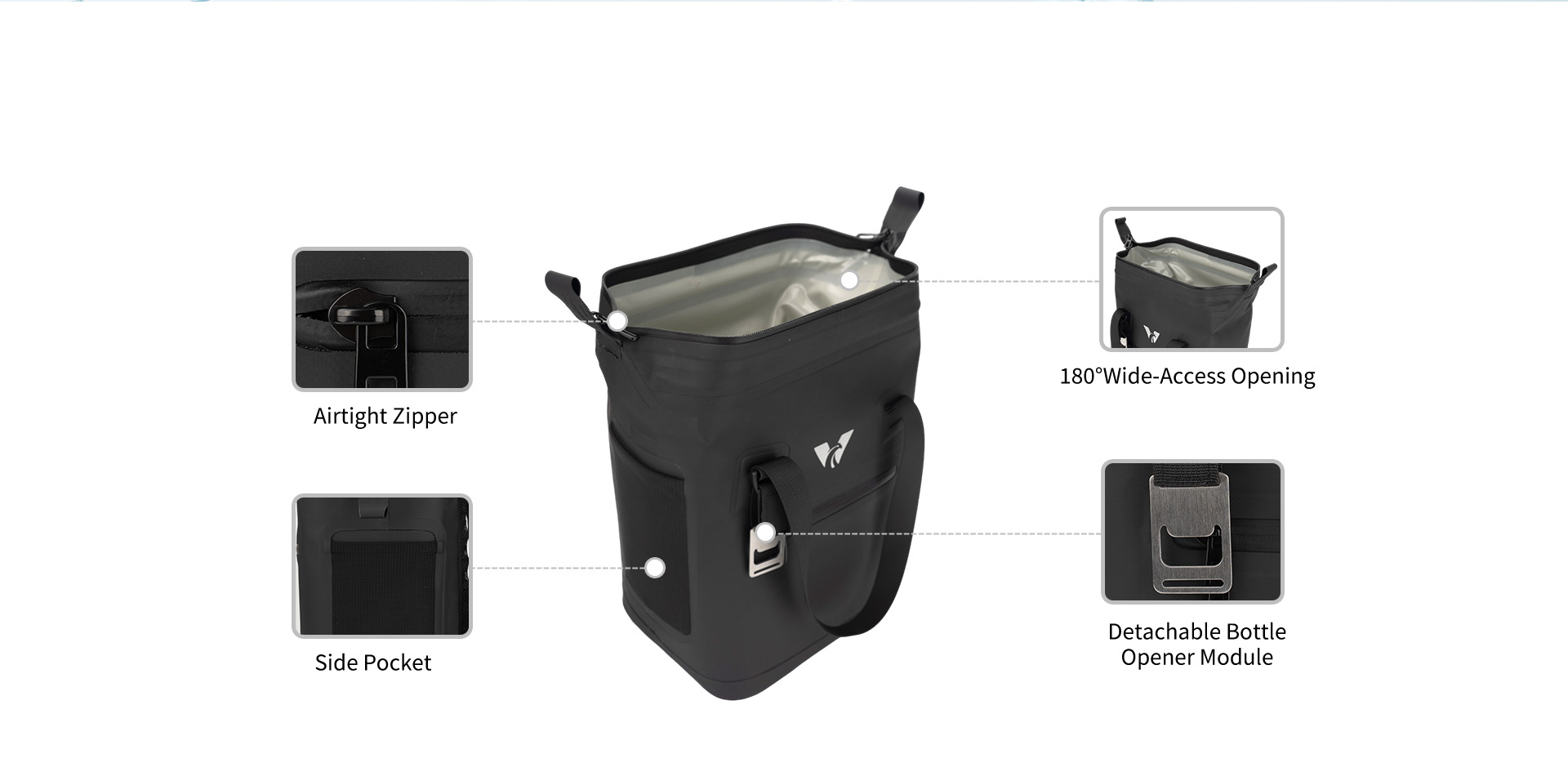
Pressure-Sealed Airtight Zippers: Rubberized teeth interlock tightly under pressure to block water leaks even when the cooler turns completely upside down.
Thermal Zipper Flaps: Insulated interior fabric lips sit beneath zipper tracks to reduce cold air escape.
Leakproof Drain Valves: Threaded or push-button valves welded directly into the liner allow easy water release without compromising shell integrity.
Quality Control & Performance Testing Standards
Relying on supplier promises is risky. Professional sourcing managers demand verified laboratory test reports to validate thermal claims and component durability.
1. Ice Retention Testing Protocols
Thermal efficiency is measured through standardized ice retention testing inside climate-controlled chambers:
Standardized Ice-to-Can Ratio: Tests fill the cooler using a strict 2:1 ice-to-can ratio (or 1:1 ratio depending on target market specs).
Temperature Data Logging: Internal thermal sensors track exact interior temperatures over 24-hour, 48-hour, or 72-hour test cycles at 32°C (90°F) ambient room temperatures.
Partnering with a reliable ice retention cooler bag supplier guarantees your finished marketing claims reflect real-world user conditions.
2. Food Safety & Chemical Compliance
Cooler liners directly contact food, ice, and beverages. All inner materials must pass strict international food contact standards:
FDA & LFGB Compliance: Guarantees TPU/EVA food-contact liners do not leach harmful chemicals or odors into melting ice.
BPA-Free & Heavy-Metal Free: Certified raw materials verified through REACH and RoHS testing protocols.
3. Component Durability Testing
Coolers undergo rough handling on boats, truck beds, and campsites. Quality manufacturers run thorough mechanical bench tests:
Zipper Fatigue Testing: Reciprocating mechanical arms pull airtight zippers open and closed over 3,000 times to check pull strength and teeth alignment.
Load-Bearing Drop Testing: Fully loaded coolers (packed with ice and liquid cans) are dropped from 1.2 meters onto concrete to verify strap attachment welds.
UV Resistance Testing: Outer TPU materials undergo accelerated weathering tests to prevent color fading and surface degradation.
How to Evaluate an OEM/ODM Light Cooler Factory
Finding qualified light cooler manufacturers requires inspecting production infrastructure, engineering depth, and customization policies.
1. Tooling & In-House R&D Capability
Does the supplier handle 3D structural modeling and custom mold development in-house? Developing custom TPU soft coolers or molded EPP boxes requires specialized tooling expertise.
Fast-moving factories deliver custom 3D CAD files within 3 days and functional samples within 7 to 10 business days.
2. Advanced Customization & Feature Integration
Distinguish your brand on retail shelves by choosing a soft-sided lightweight cooler bag supplier capable of deep feature customization:
Custom Pantone color matching for outer fabrics, zippers, and accent webbing.
Laser-etched, screen-printed, or 3D molded rubber logos.
Integrated accessory mounts, including laser-cut MOLLE webbing, stainless steel bottle openers, and dry-storage outer pockets.
Ergonomic padded shoulder straps and reinforced side haul handles for heavy loads.
At Weierken, our engineering team works directly with global brand managers to convert preliminary product concepts into fully certified, production-ready lightweight coolers.
Secure Your Light Cooler Supply Chain
Choosing the right production partner determines whether your product line succeeds in the field. By focusing on closed-cell insulation materials, RF welded seam construction, and verified ice retention testing, sourcing teams can build winning product offerings.
Avoid cheap sewn alternatives that leak water and ruin consumer trust. Working with experienced light cooler manufacturers ensures long-term quality, product safety, and strong brand growth.
Start Your OEM/ODM Light Cooler Project with Weierken
Looking for a trustworthy wholesale waterproof insulated bag OEM partner? Weierken brings advanced RF welding tech, certified food-grade TPU liners, and rigorous ice retention testing to every project.
Contact our technical engineering team today to request fabric swatches, review thermal test reports, or receive a factory-direct quote.
Frequently Asked Questions (FAQ)
Q1: How do light cooler manufacturers reduce weight without losing ice retention?
Manufacturers replace heavy solid plastic walls with dense closed-cell NBR/PE foam cores, lightweight TPU laminates, or expanded polypropylene (EPP). These materials trap insulating air pockets efficiently while cutting structural mass by up to 60%.
Q2: Why are RF welded seams better than stitched seams for soft coolers?
Stitching punctures thousands of needle holes through fabric, creating leak points for melting ice water. RF welding uses high-frequency energy to fuse TPU layers together, creating a 100% waterproof, seamless inner liner basin.
Q3: What food safety certifications should soft cooler liners have?
Inner liners must pass FDA (USA) or LFGB (Europe) food-contact testing. They should also carry certified BPA-free, phthalate-free, REACH, and RoHS compliance to ensure safe contact with food and ice.
Q4: What is the typical ice retention duration for a premium soft light cooler?
High-end soft coolers using 25mm to 30mm closed-cell foam and airtight zippers typically maintain ice for 24 to 48 hours under standard outdoor conditions (30°C/86°F), assuming a proper 2:1 ice-to-can ratio.
Q5: What is the average lead time for custom OEM light cooler prototyping?
Standard soft cooler prototype development takes 7 to 10 days. If the project requires custom injection molds or specialized EPP tooling, sample development usually takes 20 to 30 days.
Q6: Can Weierken customize soft coolers with low minimum order quantities (MOQs)?
Yes. Weierken supports growing brands with flexible MOQ structures starting at 500 units for standard stock fabric colors, while offering full OEM custom color and mold development for larger runs.