
Switching production partners is one of the most stressful decisions a product manager can make. It disrupts supply chains, delays inventory timelines, and burns engineering hours on new sampling cycles.
Yet, staying with an inadequate factory causes far worse damage. High return rates, negative customer reviews, and product failures at sea destroy years of brand equity overnight.
At Weierken, we regularly help water sports brands transition away from underperforming suppliers. This guide breaks down the five hidden technical risks that force outdoor brands to replace their kayaking bag manufacturers.
The Extreme Marine Environment: Why Standard Gear Fails
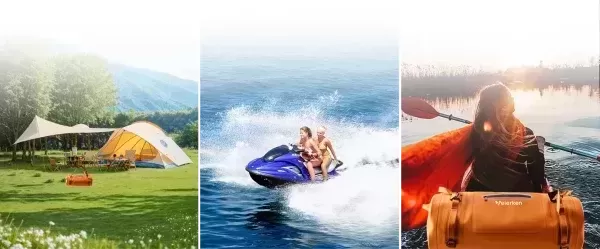
Kayaking places extreme physical stress on waterproof gear. Bags sit exposed on open decks, taking direct hits from crashing saltwater waves, relentless UV exposure, and heavy mechanical tension from tie-down bungees.
Standard waterproof bags built for camping or light commuting cannot survive these ocean conditions. When a factory lacks marine-grade manufacturing standards, structural failures show up quickly in the field.
Recognizing these hidden technical risks helps procurement teams identify when it is time to find a qualified manufacturing partner.
Hidden Risk 1: Micro-Leaking Under Dynamic Water Pressure
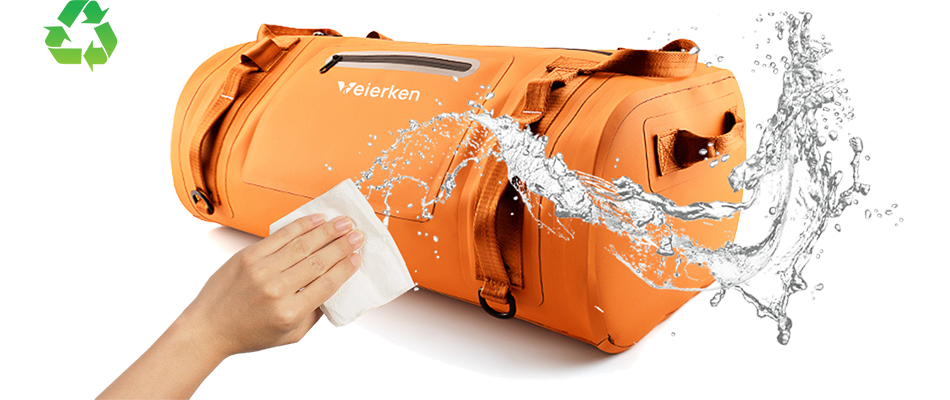
Static water immersion tests in a factory sink are misleading. A dry bag can sit motionless underwater for 30 minutes without leaking a drop, yet fail completely on a kayak deck.
When a kayak cuts through ocean swells, water impacts bag seams with high velocity. Dynamic water pressure forces micro-droplets through weak seam joints that static tests miss.
The Technical Root Cause
Micro-leaking occurs when high-frequency welding machines run with inconsistent thermal or pressure parameters. If the welding temperature drops even slightly, the polymer sheets fail to achieve complete molecular fusion.
Complex geometric transition points—such as bottom corner seams and zipper termination points—are especially prone to incomplete bonding.
The Engineering Solution
Leading kayaking bag manufacturers use automated high-frequency welding equipment with computerized temperature controls. Furthermore, top facilities subject finished bags to dynamic pressure spray chambers and 100% air-inflation leak checks before packing.
Working with a specialized custom kayak dry bag manufacturer guarantees every seam withstands pounding surf without allowing moisture ingress.
Hidden Risk 2: UV Degradation, Saltwater Corrosion, and Cold Cracking
Products often look perfect when leaving the factory floor. However, after three months on coastal waters, inferior materials break down rapidly.
Saltwater accelerates material hydrolysis, while equatorial UV rays yellow clear windows and turn outer coatings brittle. Cheap plastic buckles snap under moderate strain, and metal hardware corrodes into rust.
The Technical Root Cause
To reduce unit costs, budget factories use low-grade PVC or cheap TPU formulations that lack specialized chemical stabilizers. They omit UV inhibitors, anti-hydrolysis additives, and cold-crack plasticizers.
The Engineering Solution
High-performance gear requires specifying premium raw materials from verified supply chains:
Ether-Based Marine-Grade TPU: Offers vastly superior hydrolysis resistance compared to cheaper ester-based TPU materials.
UV-Stabilized Acetal Hardware: Engineered to endure long sun exposure without losing impact strength.
316 Marine-Grade Stainless Steel: Resists saltwater corrosion far better than standard 304 stainless steel or nickel-plated alloys.
Partnering with a dedicated marine grade waterproof bag factory prevents fabric delamination and component failure in harsh ocean settings.
Hidden Risk 3: Tear-Outs at Deck Anchor Points (D-Rings & Straps)
Kayakers secure deck bags and duffels tightly to bow bungees or rigging lines. When crashing waves hit a deck bag, anchor points take enormous instantaneous shock loads.
A common field failure occurs when D-ring patches or shoulder strap anchors tear completely off the main body fabric, spilling gear into the ocean.
Figure 1: High-frequency welded anchor patches distribute heavy shock loads across a wide surface area, preventing tear-outs.
The Technical Root Cause
Tier-two suppliers often stitch anchor patches directly onto waterproof fabric, then cover the needle holes with simple seam tape. Mechanical tension pulls on needle perforations, tearing the fabric like a sheet of postage stamps.
The Engineering Solution
Professional factories eliminate stitching at critical structural points entirely:
HF Welded Reinforcement Patches: Multi-layer TPU patches fused directly into the bag body using high-frequency welding tools.
Large-Surface Load Dispersion: Distributes pulling forces over a wider surface area to eliminate concentrated stress points.
Pull-Testing Protocols: Every tie-down design undergoes laboratory pull testing exceeding 50 kg of continuous tension before approval.
When sourcing an airtight kayak duffle bag OEM line, verifying welded anchor patch strength is critical for safety gear.
Hidden Risk 4: Seasonal Capacity Bottlenecks & Late Shipments
Water sports sales are highly seasonal. Spring and early summer account for the vast majority of retail revenue. Missing a May delivery window can ruin an entire year's sales strategy.
Brands frequently report that smaller suppliers take orders during winter, only to delay shipments by 45 to 60 days when peak spring production hits.
The Supply Chain Root Cause
Many factories lack dedicated climate-controlled welding workshops and automated cutting lines. During peak season, they run out of machine capacity and prioritize larger, domestic accounts, leaving mid-sized brands stranded.
The Engineering Solution
Reliable kayaking bag manufacturers operate flexible production lines and offer formal capacity reservation agreements. They maintain raw material buffers for high-tenacity nylon and TPU, ensuring smooth production flow during peak months.
Managing these kayaking gear supply chain risks requires partnering with a factory that owns sufficient high-frequency machinery to guarantee hard delivery dates.
Hidden Risk 5: Chemical Non-Compliance and Regulatory Violations
Importing gear into North America or Europe carries strict chemical compliance requirements. A single customs audit showing banned substances can result in seized shipments, heavy fines, or Amazon store suspensions.
Common regulatory pitfalls include excess phthalate plasticizers in soft PVC, illegal PFAS "forever chemicals" in water-repellent treatments, and heavy metals in plastic dyes.
The Compliance Solution
Top-tier suppliers maintain updated third-party lab test reports for all raw material lots. Ensure your manufacturing partner provides clean test documents for:
REACH & RoHS: European chemical safety standards covering heavy metals and SVHC substances.
California Proposition 65: Verifies zero harmful phthalates or toxic plasticizers.
GRS (Global Recycled Standard): Validates recycled eco-friendly TPU fabric claims.
Working with an established OEM TPU kayak bag supplier protects your brand from costly regulatory liabilities.
Transition Checklist: How to Switch Manufacturers Seamlessly
If your current supplier exhibits these red flags, planning a smooth factory transition becomes a top priority. Follow this practical checklist to minimize operational downtime:
1. Evaluate Prototyping Speed: Ensure the new factory delivers accurate structural samples and CAD patterns within 7 to 10 days.
2. Request Design for Manufacturability (DFM) Reviews: A capable engineering team will analyze your existing tech packs and suggest improvements to reduce seam stress and cut unit costs.
3. Audit Plant Infrastructure: Verify that the factory operates dedicated RF welding machines, automated laser cutters, and 100% online inflation testing setups.
4. Establish Phase-In Timelines: Run parallel sample testing before placing full mass production orders to ensure a seamless transition.
At Weierken, our technical team provides a streamlined transition program for brands switching suppliers, handling pattern migration, material sourcing, and stress testing with zero downtime.
Protecting Your Brand's Outdoor Reputation
Switching production partners requires effort, but staying with an unreliable factory is far more expensive. Eliminating micro-leaks, fabric cracking, anchor tear-outs, and delivery delays is essential for long-term brand success.
Partnering with specialized kayaking bag manufacturers equips your product line with verified marine-grade materials, precision RF welding, and guaranteed seasonal delivery times.
Make a Seamless Transition to Weierken
Frustrated by quality issues, leaking seams, or late shipments from your current supplier? Weierken delivers world-class RF welding precision, marine-grade materials, and reliable delivery schedules.
Contact our engineering experts today to request a free sample evaluation, tech pack audit, or custom production quote.
Frequently Asked Questions (FAQ)
Q1: Why do dry bags pass static leak tests but fail on kayak decks?
Static submersion tests apply uniform, low pressure. On a kayak deck, crashing waves impact seams with high velocity dynamic pressure, forcing water through micro-gaps in poorly fused welded seams.
Q2: What is the best fabric choice for heavy-duty kayaking dry bags?
Ether-based TPU laminated onto 840D high-tenacity nylon provides the ideal balance of abrasion resistance, tear strength, UV stability, and long-term hydrolysis resistance in saltwater environments.
Q3: How do factories test the strength of D-ring deck attachment points?
Engineers subject welded anchor patches to pneumatic tensile testing equipment. The patch must withstand continuous pulling loads exceeding 50 kg without fabric tearing or weld delamination.
Q4: How long does it take to transfer tech packs and tooling to Weierken?
Sample construction and pattern optimization typically take 7 to 10 days. Once prototypes are approved, full mass production setup takes between 30 and 40 days.
Q5: What compliance documents should a kayaking bag factory provide?
Manufacturers should provide third-party laboratory test reports for REACH, California Proposition 65, RoHS, and FDA food-grade compliance (if the bag includes hydration or cooler chambers).
Q6: What is the minimum order quantity (MOQ) when partnering with Weierken?
Our standard production MOQ starts at 500 units per style for standard fabric colors. We also offer flexible tiered MOQs to support growing brands launching new product lines.