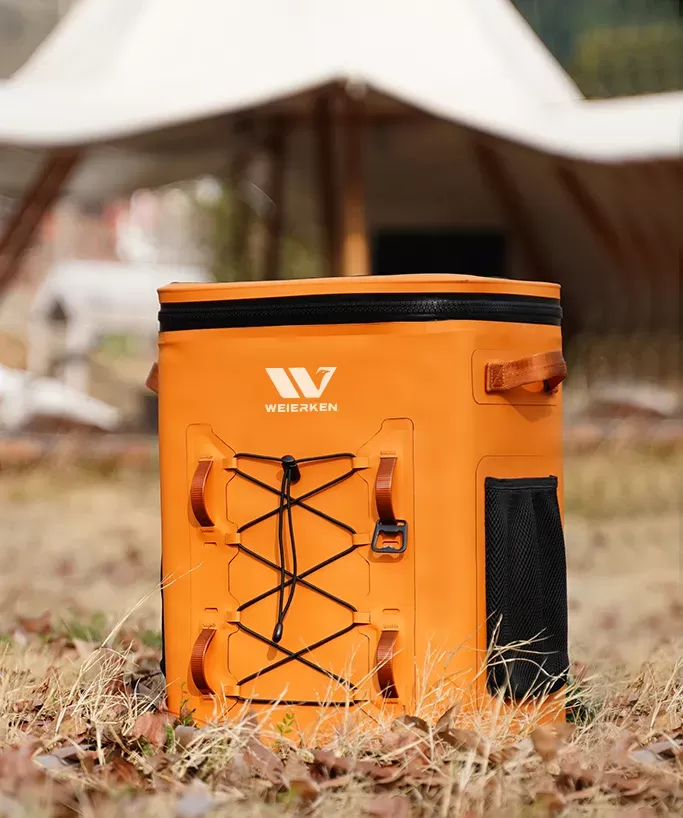


Commercial delivery, cold-chain logistics, and medical transport put insulated bags under constant physical stress. Couriers load and unload bags hundreds of times a week, scraping them against vehicle racks, concrete pavements, and metal doors. Standard thermal bags quickly tear at stress points, leading to ruined insulation and lost revenue.
For B2B buyers—such as food delivery platforms, cold-chain logistics managers, and clinical equipment suppliers—sourcing a durable product is essential. A reliable rip proof thermal bag maker does not rely on luck. They build durability into the bag using carefully selected materials and precise assembly techniques.
As a specialized manufacturer, Weierken designs and builds high-performance thermal bags that withstand rough handling. In this article, we will examine the four key materials that commercial manufacturers use to prevent tears, protect insulation, and extend product life.
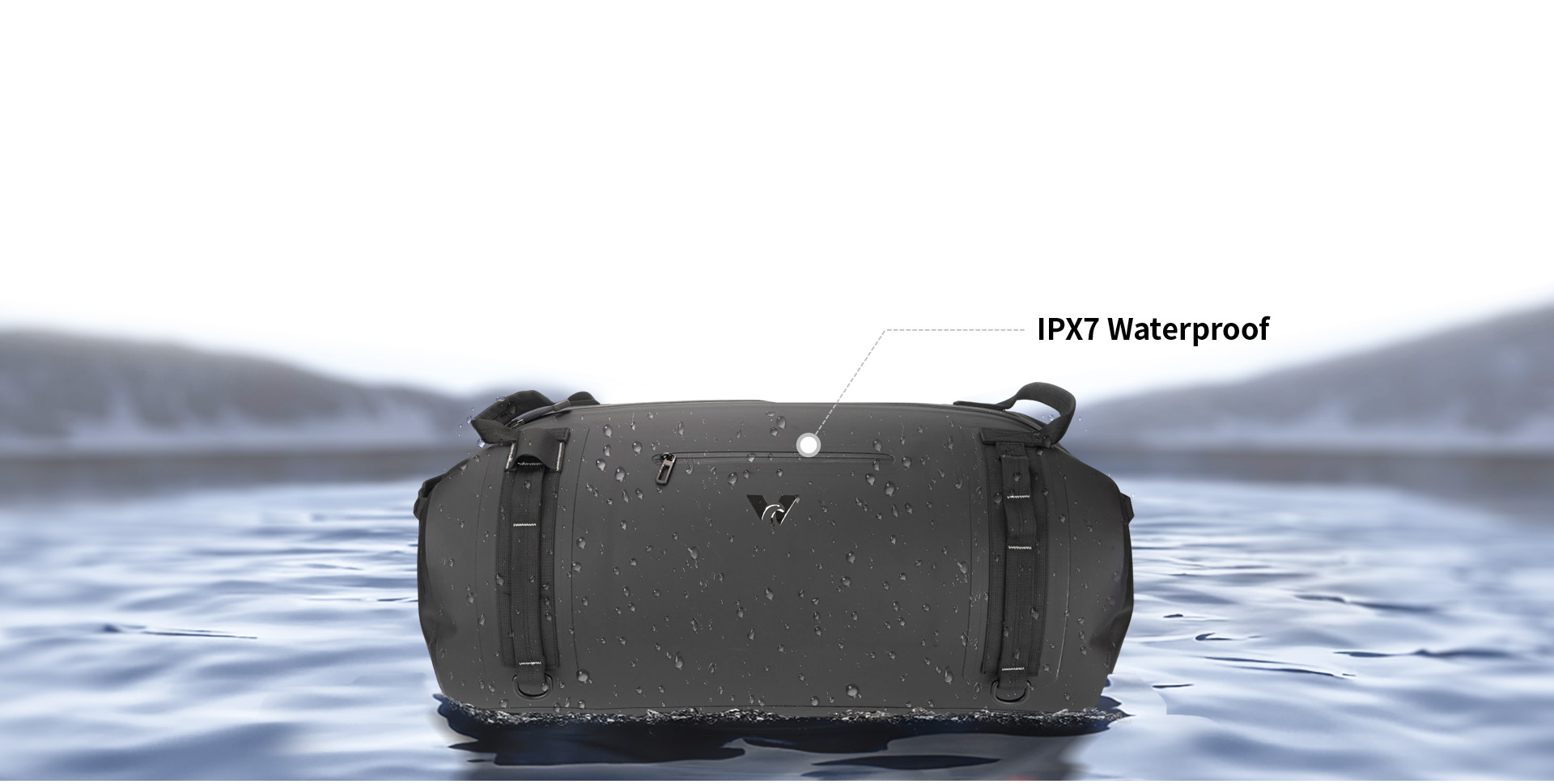
1. Ripstop Grid Fabrics for the Outer Shell
The outer shell is the first line of defense against punctures and scrapes. When a delivery bag is dragged across a rough surface, standard polyester or nylon fabrics can snag and tear easily. Once a tear starts, the tension from carrying heavy loads causes it to spread quickly across the bag.
To prevent this, a professional rip proof thermal bag maker uses specialized ripstop fabrics. These materials are engineered with a specific weave pattern:
Reinforcement Grid: Ripstop fabrics feature a cross-hatch pattern where thick reinforcement yarns are woven into the fabric at regular intervals (typically 5mm to 8mm apart).
Tear-Stopping Action: If a sharp object punctures the fabric, the tear is stopped when it reaches the thicker grid thread, preventing a small puncture from becoming a large rip.
High Denier Rating: Manufacturers often use 420D, 840D, or 1680D double-threaded ripstop nylon thermal bag fabrics for heavy-duty commercial applications.
Additionally, these fabrics are laminated with TPU (Thermoplastic Polyurethane) or PVC on the backside. This lamination provides excellent water resistance and further stabilizes the weave against tearing.
2. High-Density Foam for Thermal Control and Structure
The insulation layer does more than just maintain internal temperatures. It also provides the structural support that keeps the bag upright. If a thermal bag collapses under its own weight, the seams experience uneven stress, which can lead to tears near the zipper and handle attachments.
A professional durable thermal delivery bag manufacturer avoids cheap, low-density foam. Instead, they use high-density closed-cell foam insulation:
Structural Rigidity: High-density Expanded Polyethylene (EPE) or Nitrile Rubber (NBR) foam retains its shape under load, keeping the bag stable and reducing strain on the outer fabric.
Impact Absorption: The closed-cell structure absorbs impacts, protecting delicate items like medical samples or food containers from damage during transit.
Excellent R-Value: High-density high-density EPE foam insulation provides a strong thermal barrier, keeping food hot or medical supplies cold for hours.
By using dense, resilient foam, manufacturers ensure the bag maintains its shape and performance over thousands of delivery cycles.
3. Puncture-Resistant, Food-Grade Inner Linings
Internal damage can ruin a thermal bag just as quickly as external wear. Sharp container edges, spilled liquids, and ice packs can puncture or degrade the inner liner. If water leaks into the insulation layer, it can cause mold, odors, and reduce the bag's thermal efficiency.
To protect the bag's core, an experienced custom cold chain bag supplier uses durable, waterproof lining materials:
Thick TPU Film: TPU liners are highly resistant to punctures, grease, and cleaning chemicals. They remain flexible over a wide temperature range, preventing cracks.
Seamless Welding: Manufacturers use radio frequency (RF) welding to assemble the liner. This creates a seamless, leakproof TPU welded lining that prevents liquids from seeping into the foam.
Reinforced Aluminum Foil: For budget-friendly options, manufacturers use woven aluminum foil laminates. The woven backing prevents the foil from tearing when scraped by hard containers.
These linings are easy to wipe clean and comply with food-safety standards (such as FDA and LFGB), which is essential for commercial food and medical delivery.
4. High-Tensile Thread and Reinforced Webbing
Most structural failures in commercial bags occur at the stitching holes around the handles, shoulder straps, and zippers. When a courier lifts a heavily loaded bag, these areas experience high concentration of stress. Standard sewing thread can snap under this tension, causing the handles to tear away from the body.
To prevent these failures, a professional commercial insulated bag factory uses heavy-duty stitching and reinforcement materials:
Bonded Nylon Thread: Nylon thread is stronger and more elastic than polyester. The bonding process prevents the thread from untwisting or fraying under friction.
Seatbelt-Grade Webbing: Handles and shoulder straps are made from high-tensile polyester or nylon webbing that distributes weight evenly across the bag's frame.
Bartack Stitch Reinforcement: Factories use computerized stitching machines to apply dense, repetitive bartack stitch reinforcement patterns at all load-bearing points.
Weierken uses these structural reinforcements on all handle and strap attachment points. This ensure the bag can carry heavy, wet loads without tearing at the seams.
How a Professional Manufacturer Ensures Material Quality
Using premium materials is only half the battle. A professional industrial cooler bag OEM must also test these materials to ensure they meet commercial performance standards.
Before mass production begins, manufacturers perform several quality checks in their laboratories:
Tensile Strength Testing: Pulling fabrics and webbing to their breaking points to confirm they meet the required load capacities.
Elmendorf Tear Testing: Measuring the force needed to propagate an existing tear in the outer shell fabric.
Thermal Chamber Testing: Testing the insulation's performance in hot and cold chambers to verify temperature retention times.
Regulatory Compliance: Verifying that all materials are safe for food contact and meet international environmental standards (such as REACH and RoHS).
Partner with an Experienced Rip Proof Thermal Bag Maker
Investing in durable, high-quality delivery bags is a smart way to lower your long-term equipment costs. By selecting the right fabrics, insulation, liners, and reinforcements, a professional manufacturer can build bags that outlast standard alternatives.
At Weierken, we combine high-quality ripstop fabrics, dense EPE foam, and heavy-duty stitching to manufacture reliable, long-lasting thermal bags. Our team works closely with commercial delivery platforms, cold-chain logistics providers, and medical suppliers to deliver products that meet their specific requirements.
Are you looking to upgrade your delivery equipment or develop a custom thermal bag? Submit an inquiry today to speak with our technical team, request material samples, or get a detailed quote for your project.
Frequently Asked Questions
1. What is ripstop fabric and how does it prevent tears?
Ripstop fabric is woven with a special technique that integrates thick reinforcement threads at regular intervals in a grid pattern. If a sharp object punctures the fabric, the tear is stopped when it hits the thicker grid thread, preventing a small hole from spreading across the bag.
2. Can we customize the dimensions and interior dividers of our bags?
Yes. As an experienced OEM manufacturer, we can customize the dimensions, pocket layouts, shoulder straps, and interior dividers to fit your specific delivery needs, whether you are carrying food containers, pizza boxes, or medical supplies.
3. Are the inner lining materials safe for food and medical transport?
Yes. We use food-grade, non-toxic TPU and aluminum foil lining materials that comply with FDA, LFGB, and REACH standards. These materials are safe for direct food contact and are easy to clean and sanitize.
4. What is the typical life expectancy of a commercial-grade delivery bag?
The lifespan of a delivery bag depends on its usage frequency and how it is handled. However, by using high-density EPE foam, ripstop nylon, and reinforced stitching, our commercial-grade bags are built to last significantly longer than standard retail coolers under daily use.
5. What is your minimum order quantity (MOQ) for custom manufacturing?
Our standard MOQ for custom-designed rip-proof thermal bags typically starts at 500 units. This volume allows us to source specialized fabrics, set up production lines, and maintain efficient manufacturing costs.
6. How do you reinforce the load-bearing handles?
We use seatbelt-grade nylon webbing that wraps around the entire body of the bag. We secure the attachment points using heavy-duty bonded nylon thread and dense bartack cross-box stitching to ensure the handles do not pull loose under heavy loads.