

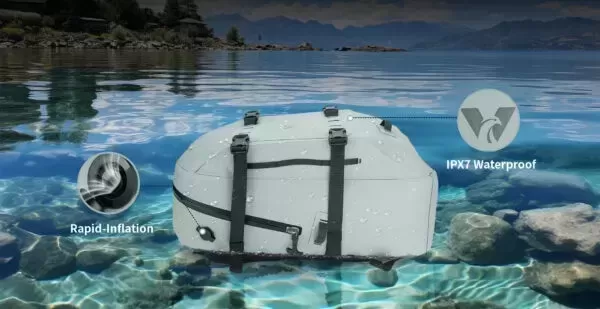
Water-based recreation, including kayaking, rafting, and stand-up paddleboarding, continues to grow in popularity worldwide. This shift has increased the demand for highly specialized outdoor gear. Consumers now expect their equipment to withstand harsh, wet environments without failing.
For outdoor brands, retail distributors, and sourcing managers, choosing the right manufacturing partner is a critical step. A standard outdoor pack will quickly fail when exposed to constant water spray, mud, and rough handling. Working with a specialized river life backpack maker is essential to ensure your products meet the demands of water sports enthusiasts.
Evaluating potential suppliers requires looking beyond simple pricing. Sourcing managers need a structured framework to assess a factory's technical capabilities, quality control, and compliance. Weierken assists global brands by manufacturing durable, waterproof packs built specifically for demanding river conditions.
1. High-Frequency Seam Welding Capabilities
Traditional sewing methods are not suitable for river-grade gear. Every stitch creates a hole where water can seep in, ruining the contents of the pack. A qualified river life backpack maker must use high-frequency (HF) or radio frequency (RF) welding instead of sewing.
RF welding uses electromagnetic energy to fuse polymer materials together under pressure. This process creates several key performance benefits:
Hermetic Seal: The fused seams are completely waterproof and airtight, preventing water from entering even during brief submersion.
Enhanced Strength: The welded joint is physically stronger than the surrounding fabric, reducing the risk of seam failures.
Consistent Quality: Automated RF welding machines deliver consistent results, reducing human error during assembly.
When selecting a supplier, verify that they have the equipment and expertise to produce a high-quality high-frequency welded dry bag.
2. Premium Waterproof Fabric Selection
The materials used in a river pack must resist punctures, tears, and water damage. While PVC (Polyvinyl Chloride) is a common low-cost option, it has notable performance drawbacks and faces environmental restrictions in many regions.
Experienced manufacturers recommend double-sided TPU (Thermoplastic Polyurethane) coated nylon or polyester. This fabric offers clear advantages for technical river gear:
Cold-Weather Flexibility: TPU remains soft and pliable in cold temperatures, while PVC can become stiff and crack.
Lightweight Durability: TPU provides excellent tear and abrasion resistance without adding unnecessary weight to the pack.
Environmental Compliance: TPU is non-toxic, recyclable, and free from hazardous plasticizers, helping your brand meet modern environmental standards.
Evaluating a supplier's access to quality materials is essential when sourcing a TPU waterproof backpack wholesale line.
3. Reliable Waterproof Closure Systems
A waterproof backpack is only as reliable as its closure system. River packs typically use two main designs to keep water out: roll-top closures and airtight zippers. Your manufacturing partner must be skilled at implementing both options.
Each closure method serves a specific purpose depending on the intended use of the pack:
Roll-Top Closures: These systems rely on folding a stiffened collar down three to four times and securing it with buckles. They are reliable for general wet-weather protection and float well.
Airtight Zippers: For fully submersible packs, manufacturers use specialized TPU zippers with interlocking teeth. These zippers prevent water ingress even under hydrostatic pressure.
Reinforced Buckle Mounts: Because roll-top buckles undergo constant tension, the attachment patches must be welded securely to the pack's body.
Working with an experienced river life backpack maker ensures these critical components are assembled correctly to prevent leaks.
4. Ergonomic Carrying Systems and Load Distribution
Wet gear is heavy, and river trips often require carrying equipment over rough terrain. A technical dry pack must have a supportive, comfortable carrying system. A factory that only produces simple dry bags may lack the expertise to build an ergonomic harness.
Look for a manufacturer that can integrate comfortable, supportive elements into their designs:
EVA-Molded Back Panels: Molded back panels provide structure, distribute weight evenly, and do not absorb water.
Quick-Drying Materials: Shoulder straps and hip belts should use hydrophobic, closed-cell foam and breathable mesh that sheds water quickly.
Adjustable Harness Systems: Load-lifter straps, adjustable sternum straps, and padded hip belts help keep the load stable on uneven ground.
Weierken integrates these ergonomic features into our custom designs to ensure the final product is comfortable to carry, even when fully loaded.
5. R&D Support and Customization Capabilities
Outdoor brands need unique, functional designs to stand out in a competitive market. Sourcing managers should partner with a factory that offers strong research and development support alongside basic manufacturing.
A professional factory should offer several key engineering services:
Technical Prototyping: The ability to translate 3D CAD files or paper patterns into functional, tested samples within 7 to 14 days.
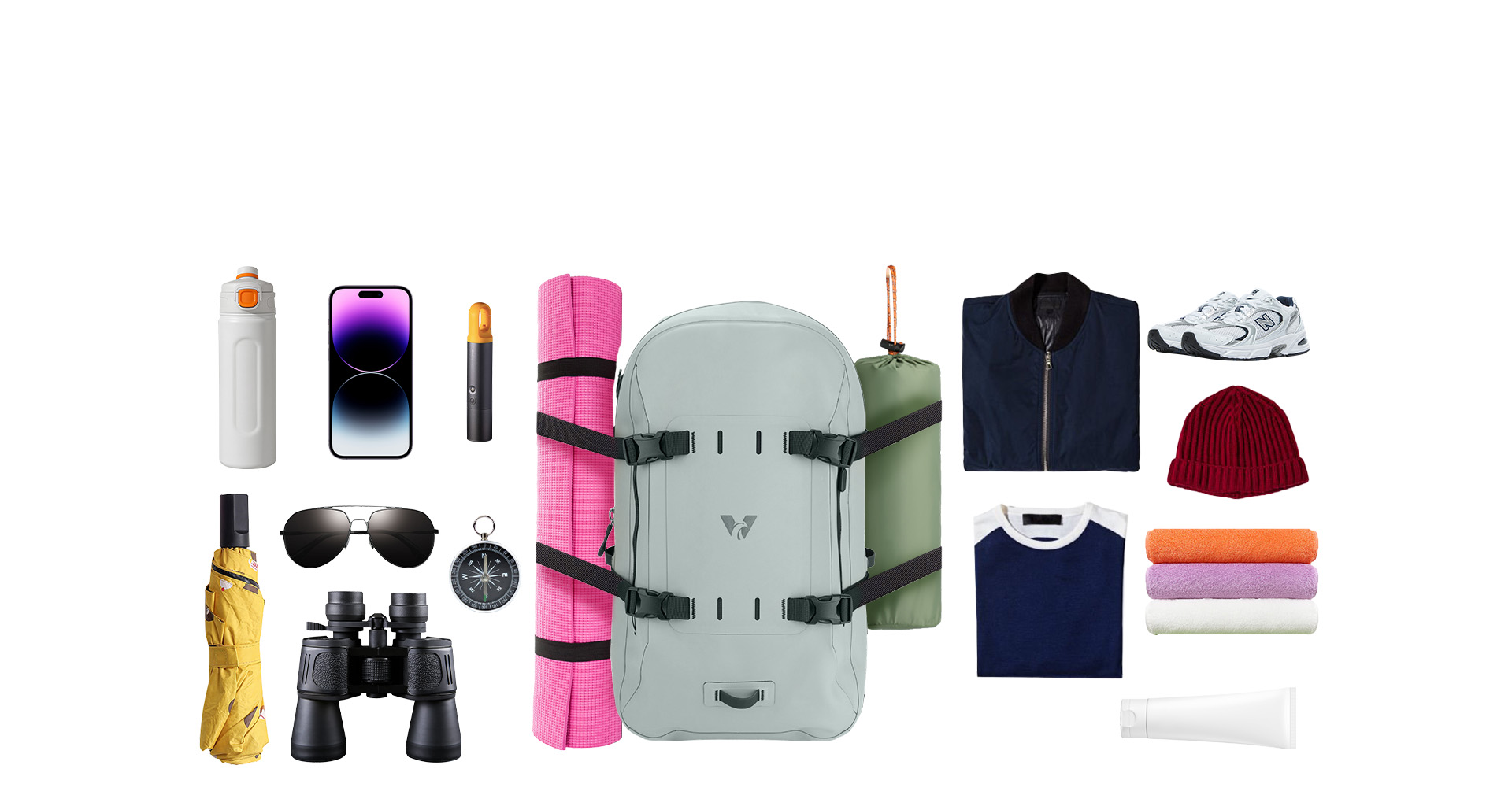
Modular Attachment Systems: Integrating laser-cut MOLLE slots, daisy chains, or bungee cords for securing external gear.
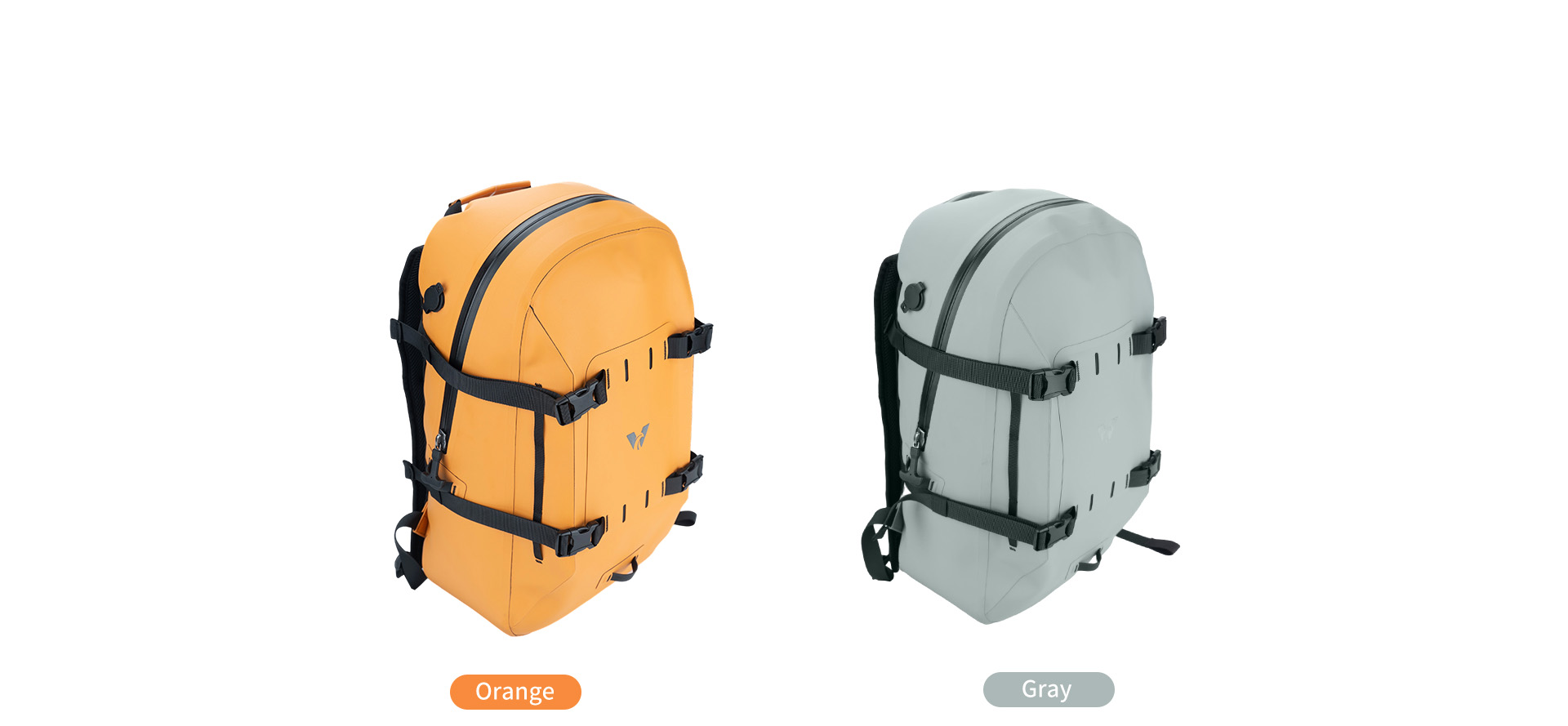
Custom Colorways: Matching fabrics, webbings, and plastic hardware to your brand's specific Pantone colors.
Partnering with a factory that offers comprehensive backpack OEM/ODM services simplifies the development process and helps bring your product to market more efficiently.
6. Rigorous Quality Control and Testing Protocols
Defective gear can ruin a customer's trip and damage your brand's reputation. A professional waterproof backpack factory must follow strict quality control procedures throughout the manufacturing process.
Ask potential suppliers about their quality management systems and standard testing protocols:
| Test Name | Methodology and Purpose |
|---|---|
| Submersion Leak Test | Inflating the pack and submerging it in water to check for air bubbles along seams and zippers. |
| Tensile Pull Test | Applying high tension to shoulder straps and grab handles to ensure they do not pull loose. |
| Abrasion Cycle Test | Testing fabrics against abrasive surfaces to measure their wear resistance over time. |
| Salt Spray Test | Exposing zippers and metal hardware to salt spray to verify corrosion resistance. |
Additionally, verify that the factory holds international certifications, such as ISO 9001 for quality management and BSCI for social compliance.
7. Reliable Supply Chain and Business Terms
The outdoor gear market is highly seasonal, with sales peaking in spring and summer. Your manufacturer must manage their production schedule and supply chain carefully to ensure your inventory arrives on time.
When evaluating a potential leakproof dry pack supplier, discuss their business terms and capacity planning:
Production Capacity: Ensure the factory has the monthly capacity to handle peak orders and rapid re-orders if a product sells well.
Flexible MOQ Options: Reasonable minimum order quantities (such as 500 units per style) help brands manage inventory risk when launching new designs.
Component Sourcing: A well-managed **outdoor gear supply chain** ensures that high-quality technical buckles and zippers are sourced on time, avoiding production delays.
Partner with an Experienced River Life Backpack Maker
Choosing a manufacturing partner is a long-term investment in your brand's product quality and reputation. By evaluating suppliers against these seven standards, you can find a partner that delivers reliable, high-performance gear.
Weierken is an experienced custom waterproof backpack factory. We combine premium materials, precise RF welding, and rigorous testing to produce durable, waterproof packs for the global outdoor market. Our team is ready to help you develop your next product line, from initial prototyping to final shipment.
Are you looking to develop a new waterproof river pack? Submit an inquiry today to discuss your technical specifications, request material samples, or get a detailed quote for your project.
Frequently Asked Questions
1. Why is RF welding preferred over stitching for waterproof backpacks?
Stitching pierces the fabric, creating small holes that allow water to leak in. RF welding uses high-frequency energy to fuse the fabric layers together without needles. This creates a solid, continuous seam that is completely waterproof and stronger than sewn seams.
2. What is the standard MOQ for a custom waterproof dry pack?
Our standard MOQ for custom orders typically ranges from 500 to 1,000 pieces per design. This volume allows us to set up RF welding machinery efficiently and source custom-colored TPU fabrics. We can sometimes adjust these quantities for established styles or open-mold designs.
3. Are TPU fabrics better than PVC for river backpacks?
Yes. TPU is lighter, more flexible in cold weather, and more resistant to tears and abrasions than PVC. It is also an environmentally friendly, non-toxic material that complies with REACH and RoHS standards, making it preferred by premium brands.
4. How do you test the waterproof integrity of each backpack?
We inflate finished packs with air, seal the closures, and submerge them in water. If any air bubbles escape, it indicates a leak. This test ensures that every backpack is completely waterproof before it leaves our factory.
5. Can we customize the harness and back panel design?
Yes. We offer complete OEM and ODM services. We can develop custom molded EVA back panels, adjust shoulder strap shapes, and incorporate adjustable hip belts to match your brand's ergonomic design requirements.
6. How do you protect metal zippers and buckles from rusting?
We use high-grade, corrosion-resistant plastic buckles and anodized aluminum hardware. For zippers, we select specialized plastic or TPU-coated designs that do not rust when exposed to fresh or salt water.