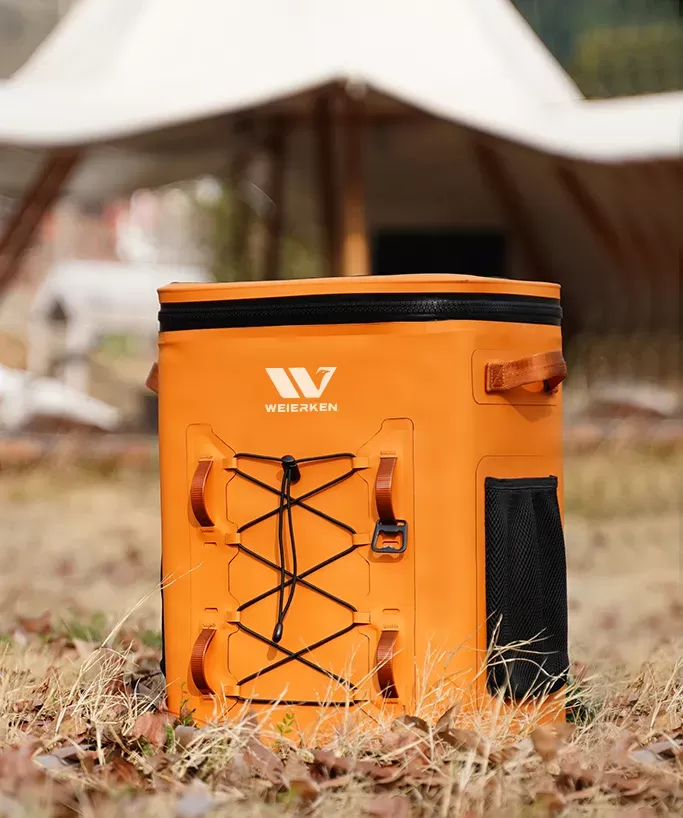

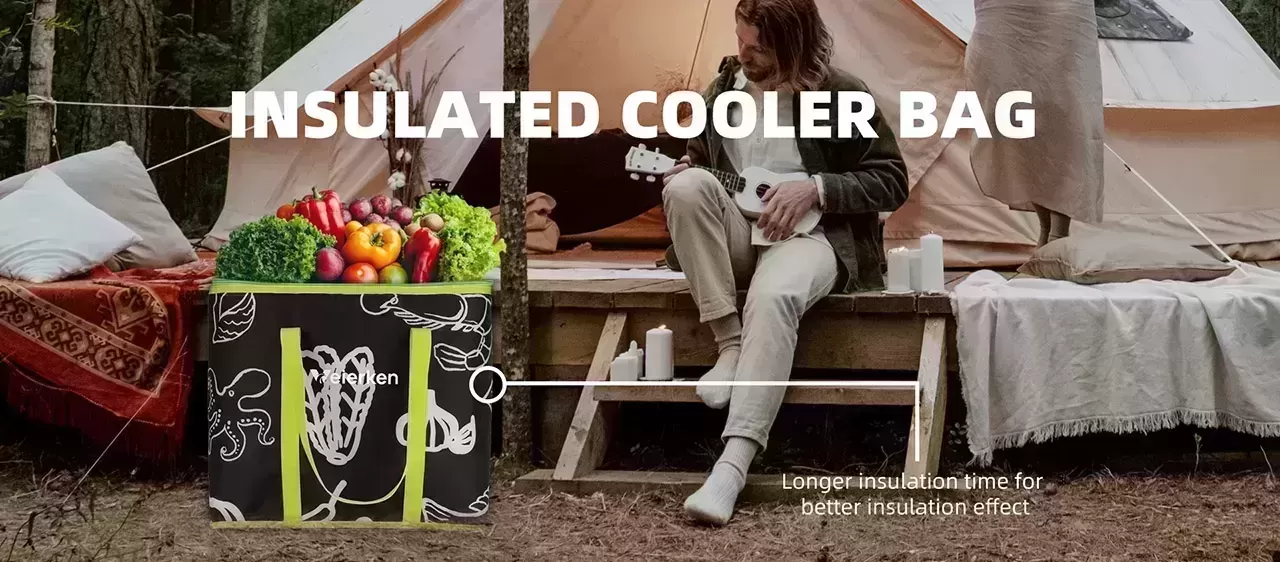
Maintaining the cold chain during fresh food delivery is a constant challenge. Salads, light meals, and fresh-cut greens require strict temperature control to prevent wilting, spoilage, and bacterial growth. If your packaging fails, your brand reputation suffers, and food waste costs rise quickly.
For B2B procurement managers, sourcing reliable thermal bags is a critical task. You need a partner who understands food safety, material durability, and thermal efficiency. This guide offers a practical checklist to help you evaluate and choose a qualified salad insulated tote maker like Weierken for your business needs.
1. Material Safety & Food-Grade Compliance
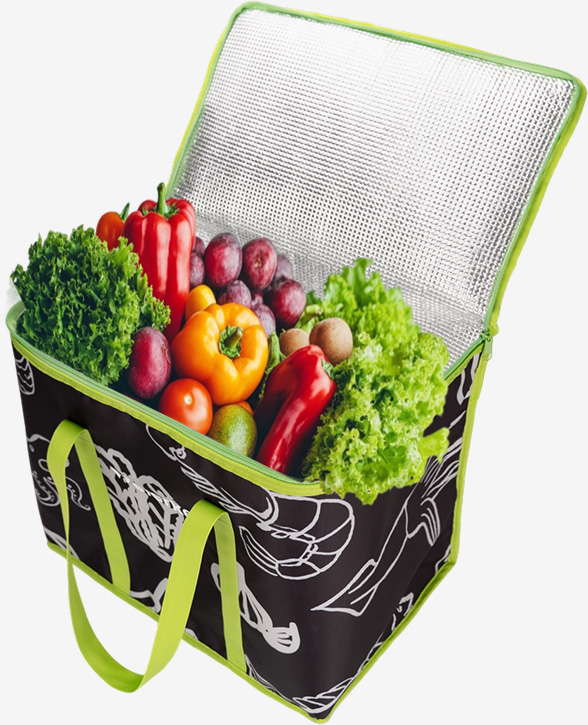
When sourcing food delivery gear, material safety is non-negotiable. The inner lining of a salad tote directly influences the safety of the packaged food. A reliable food-grade insulated bag manufacturer must provide clear documentation regarding the safety of all contact surfaces.
Verify the Lining Material
Low-grade cooler bags often use cheap, recycled PVC linings. These materials frequently emit strong chemical odors and may contain harmful phthalates. When vetting a partner, ask if they offer safer, food-safe alternatives:
PEVA (Polyethylene Vinyl Acetate): PVC-free, chlorine-free, and highly flexible even in cold environments. It is the standard for high-quality food bags.
TPU (Thermoplastic Polyurethane): Offers superior abrasion resistance and excellent tensile strength, though it carries a higher cost.
Aluminum Foil: Provides excellent heat reflection, is easy to clean, and remains a cost-effective option for light commercial use.
Check Compliance Certificates
Do not rely solely on a supplier's verbal promises. A professional FDA approved cooler bag factory must provide valid, third-party test reports. Look for credentials from recognized bodies like SGS, TÜV, or Intertek:
FDA & LFGB Reports: Confirming that the materials are safe for food contact.
REACH & RoHS compliance: Ensuring the bag is free from heavy metals and toxic substances.
Eco-Friendly Credentials: If your brand prioritizes sustainability, ask about eco-friendly salad tote wholesale options made from RPET (recycled PET) outer fabrics.
2. Thermal Performance & Workmanship Details
A good design on paper does not guarantee performance in the field. To keep salads crisp, the tote must maintain cold temperatures for several hours. This requires specific material thicknesses and construction techniques.
Assess the Insulation Foam
The middle layer of the tote determines its thermal resistance. Cheap bags use thin, low-density foam that collapses under weight. Professional manufacturers offer various grades of insulation:
EPE Foam (Expanded Polyethylene): The standard choice. Ensure the manufacturer uses a thickness of at least 5mm to 8mm for commercial delivery.
NBR/EVA Foam: High-density options that provide better structure, longer cold retention, and improved impact resistance.
Evaluate the Assembly Process
Salads often contain dressings, and condensation from ice packs can collect inside the bag. Traditional stitched seams create needle holes. Liquid easily leaks through these holes, making the bag difficult to sanitize.
A leading leakproof thermal tote manufacturer will use high-frequency welding or heat-sealing technology. This process fuses the PEVA or TPU lining pieces together, creating a completely seamless, leakproof interior basin. Ask your supplier about their seam-sealing machinery during your initial inquiry.
Inspect Zippers and Hardware
Zippers are the most common failure point on delivery bags. Repeated opening and closing put high stress on the track and slider. Ensure your manufacturer uses heavy-duty, water-resistant zippers or trusted brands like YKK or SBS. Double-stitched zipper paths and reinforced pull tabs prevent premature tearing at the corners.
During the design phase, Weierken works closely with clients to select the correct zipper gauges. This ensures the bags withstand daily commercial use without splitting.
3. Factory Qualifications & Production Capacity
A supplier might make a great sample, but consistent mass production is a different challenge. You must verify that the factory operates ethically and has the capacity to meet your delivery schedules.
Social Responsibility & Quality Audits
Large food brands and retail chains require strict compliance throughout their supply chains. Working with a BSCI certified bag factory or one with Sedex audits ensures that workers are treated fairly and safe working conditions are maintained. Additionally, look for ISO 9001 certification to verify their internal quality management systems.
Customization and R&D Capabilities
Standard off-the-shelf bags rarely fit specific salad container sizes perfectly. If containers slide around, food presentation is ruined. A capable custom insulated bag OEM/ODM should provide:
In-house pattern makers who can create samples from technical drawings or physical containers.
Custom internal dividers to keep salad bowls flat and upright.
Dedicated mesh compartments for ice packs, cutlery, and dressings to keep the main compartment organized.
Minimum Order Quantities (MOQ) and Volume
When searching for a bulk lunch cooler bag supplier, clarify their MOQ requirements early. Ask about their daily and monthly production capacity. A factory with multiple dedicated production lines can better absorb sudden spikes in your order volume during peak summer seasons.
4. Supply Chain Quality Control & Testing Processes
Defects in mass production can disrupt your business. A reliable manufacturer must have clear quality control gates at every stage of production, rather than just a final inspection before shipping.
In-Line Quality Inspections
Ask your supplier to detail their quality control steps. A transparent factory will show you their testing protocols, which should include:
Needle Detection: Running every bag through a metal detector to ensure no broken sewing needles remain in the fabric.
Tensile & Load Testing: Verifying that the handles and shoulder straps can support weights well beyond the typical mass of a salad meal.
Seam Strength Tests: Pulling sample seams to verify the heat-sealing process was completed at the correct temperature.
Performance Testing
Before signing off on a production run, request a sample for cold retention testing for cooler bags. A professional manufacturer can perform these tests in a controlled environmental chamber, simulating real-world summer delivery conditions to map how temperature changes inside the bag over time.
The table below outlines the key differences between standard retail-grade bags and professional-grade salad delivery totes:
| Feature | Retail-Grade Cooler Bags | Professional Salad Delivery Totes |
|---|---|---|
| Lining Material | Thin PVC or low-grade foil | Thick, food-safe PEVA or TPU |
| Seam Technology | Stitched (prone to leaking) | High-frequency heat-welded (leakproof) |
| Insulation | 2mm - 3mm EPE foam | 5mm - 8mm high-density EPE/EVA foam |
| Zipper Quality | Standard nylon zippers | Water-resistant, heavy-duty zippers (YKK/SBS) |
| Certifications | Rarely available | FDA, LFGB, BSCI, ISO 9001 audited |
5. Summary Checklist for Buyers
Use this quick checklist during your next meeting with a potential manufacturing partner:
Are the inner lining materials food-grade and certified by SGS or TÜV?
Does the factory use high-frequency welding to guarantee a leakproof interior?
What is the density and thickness of the insulation foam?
Can the supplier provide a recent BSCI or Sedex audit report?
Does the factory have an in-house R&D team to customize sizes and compartments?
What are the quality control steps during the sewing and assembly stages?
As an experienced manufacturer, Weierken helps B2B clients design, test, and manufacture high-performance thermal bags that protect food quality. Our team ensures that your custom specifications are met with reliable, repeatable quality.
Frequently Asked Questions
Q1: Why is PEVA preferred over PVC for salad insulated totes?
PEVA is a non-chlorinated vinyl that does not contain phthalates or chemical odors. This makes it safer for direct and indirect food contact. It remains flexible at colder temperatures, whereas PVC can become stiff and crack over time.
Q2: How do heat-welded seams prevent bacterial growth?
Stitched seams allow moisture and organic food particles to seep into the insulation layer. This creates a breeding ground for bacteria and mold that is almost impossible to clean. Heat-welded seams seal the edges completely, leaving a smooth surface that can be wiped clean and sanitized easily.
Q3: What is the average lead time for a custom insulated bag order?
For custom OEM/ODM orders, sample development typically takes 7 to 10 days. Once the pre-production sample is approved, bulk production generally takes between 30 and 45 days, depending on the order volume and material availability.
Q4: How can I verify if a factory's BSCI certificate is authentic?
You can request the factory's DBID (Database Identifier) number and the full audit report. This report can be verified directly on the amfori BSCI platform to ensure the audit is current, valid, and registered to the correct manufacturing facility.
Q5: Can these totes maintain cold temperatures without ice packs?
While high-density insulation slows heat transfer, passive cooling bags require an internal cooling source, such as gel packs, to keep food below 4°C (40°F) for extended periods. We recommend designing custom mesh pockets to hold these packs securely away from direct contact with the food containers.
Let's Discuss Your Next Project
Finding a reliable salad insulated tote maker requires balancing material safety, manufacturing quality, and factory compliance. If you are looking for a trusted partner to produce durable, food-safe thermal bags, Weierken is here to help.
Contact our team today to request a quote, order a sample, or download our complete packaging catalog.