


Consumers today think carefully about what they buy, especially when purchasing organic salads, plant-based meals, and health foods. These consumers expect a brand's packaging to match the natural values of the food inside. If you pack an organic, pesticide-free salad into a single-use plastic bag, you create a confusing brand message that can turn conscious buyers away.
For food distributors, health food chains, and corporate gift buyers, sustainability is no longer just a trend. It is a valuable corporate asset. Working with a dedicated salad thermal bag maker allows your business to offer practical, reusable packaging that reduces waste. A thoughtful thermal bag design does more than just transport cold greens safely; it acts as a walking billboard for your brand's green values.
At weierken, we believe that true sustainability requires a balance of clean materials and long-lasting utility. Choosing the right salad thermal bag maker helps your brand move past simple green marketing slogans. Instead, you can provide real, measurable environmental benefits that build long-term trust with your target market.
The Eco-Friendly Material Checklist (A Manufacturing Perspective)
Before you design your bag, you need to understand the materials in your supplier's inventory. True environmental responsibility starts in the supply chain. A professional salad thermal bag maker will help you evaluate materials based on their carbon footprint, durability, and raw sourcing.
Let us look at the primary materials used to manufacture high-performance, eco-friendly insulated bags.
1. Outer Fabric: Recycled PET (RPET)
RPET is a durable polyester fabric made from post-consumer plastic bottles. Instead of letting plastic bottles end up in oceans or landfills, manufacturers clean, shred, and spin them into strong yarn. This process uses less energy and water than producing virgin polyester fabrics.
When you source RPET bags, make sure your supplier uses materials certified by the global recycling standard (GRS). This certification allows you to share clear, honest metrics with your customers. For example, you can print a message on your bag that says: "This insulated lunch bag is made from 5 recycled plastic bottles." This simple statement makes your environmental impact clear and easy to understand.
2. Lining Material: Biodegradable PEVA
The interior lining must keep food safe and prevent leaks. In the past, many factories used PVC (polyvinyl chloride) because it was cheap and waterproof. However, PVC contains harmful chlorine and phthalates, and it is difficult to recycle. It poses serious environmental risks during production and disposal.
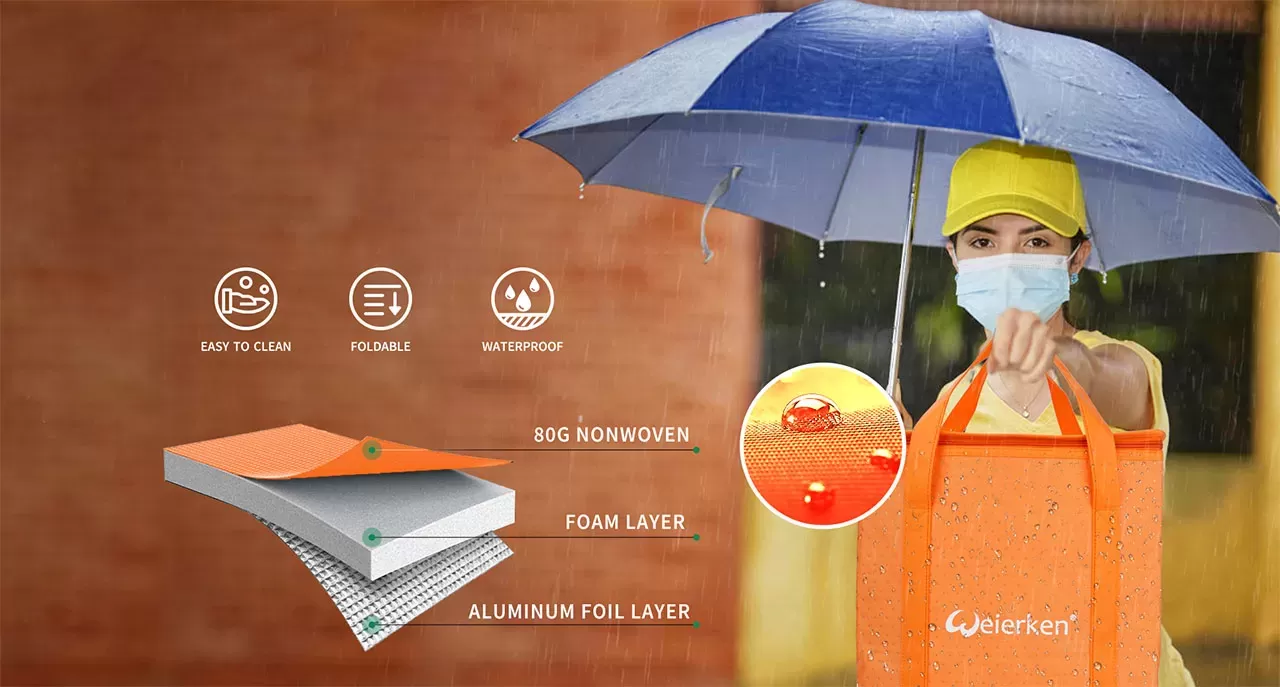
A responsible salad thermal bag maker uses biodegradable PEVA (Polyethylene Vinyl Acetate) instead. PEVA is a non-toxic, chlorine-free material that is safe for food contact. It provides excellent moisture resistance and naturally degrades much faster than PVC if it ends up in a landfill, making it a much safer choice for food packaging.
3. Middle Insulation Layer: Recycled Cotton or Bamboo Fiber
Most standard cooler bags use Expanded Polyethylene (EPE) foam to keep food cold. While EPE foam is effective, it is a synthetic material. If your brand wants to minimize its use of plastics, you can ask your manufacturer for natural insulation alternatives.
Recycled cotton and natural bamboo fiber are excellent options for food-grade insulation. These natural fibers provide good thermal resistance while supporting a green supply chain. They biodegradable easily and reduce your reliance on petrochemical products without compromising the cold temperature your salads require.
Designing for High Reusability: Branding Ideas That Last
The best way to reduce waste is to stop making single-use items. If your customers reuse your salad bag for months or years, you prevent plastic waste and get continuous brand exposure. Designing reusable lunch bags that people actually want to carry requires a mix of good style and practical utility.
Here are three practical design strategies that a professional salad thermal bag maker can use to help you build brand value.
1. Minimalist Design and Subtle Branding
Many companies make the mistake of printing a massive corporate logo right in the middle of their bags. While this might seem like a good way to get attention, it often backfires. Most consumers do not want to carry a loud corporate advertisement during their daily commute or weekend trips.
Instead, choose a clean, minimalist style. You can place your logo on a small woven side label, a stylish shoulder strap, or a subtle leather badge. By focusing on modern aesthetics, you create a fashionable accessory that your customers will gladly carry to the office, the gym, or outdoor picnics.
This subtle design approach keeps your brand visible in public spaces while showing respect for your customer's personal style.
2. Multifunctional Construction for Daily Use
To encourage daily use, your bag must be highly practical. Work with your design team to add features that go beyond simply carrying a salad bowl. Useful additions can help integrate your bag into your customer's daily routine:
Dry and Wet Compartments: Keeps cold salad bowls separate from dry utensils, keys, or electronic tablets.
Removable Waterproof Liners: Allows users to easily take out, wash, and dry the inner lining if dressing spills.
Expandable Side Pockets: Provides dedicated space to carry reusable water bottles or travel coffee mugs.
As a custom manufacturer, weierken helps brands design these structural features to ensure your custom bags are useful for everyday life.
3. Storytelling Hangtags and Supply Chain Transparency
Your packaging should tell your brand's environmental story. Avoid using standard plastic tags, and choose FSC-certified recycled paper instead. You can print the story of your bag's sustainable materials directly on these hangtags.
Adding a simple QR code to the tag is a great way to share your eco-friendly marketing message. The code can link to a simple page that shows how the bag was made, including carbon footprint data and factory certifications. This transparency shows your customers that your sustainability claims are backed by real data.
How to Verify a Compliant Eco-Friendly Manufacturer
With so many companies claiming to be green, you must take steps to verify their claims. Sourcing your products from an unverified salad thermal bag maker can lead to quality issues or legal risks if their materials fail third-party safety audits.
Use these two steps to make sure your manufacturing partner meets high environmental and safety standards.
1. Verify Official Material Certificates
Never rely on verbal promises alone. A reputable manufacturer must provide official, third-party certificates for every material they use. When planning your order, ask to see these essential documents:
GRS (Global Recycled Standard): This certificate tracks recycled materials through every step of the supply chain to verify the exact recycled content of your RPET fabric.
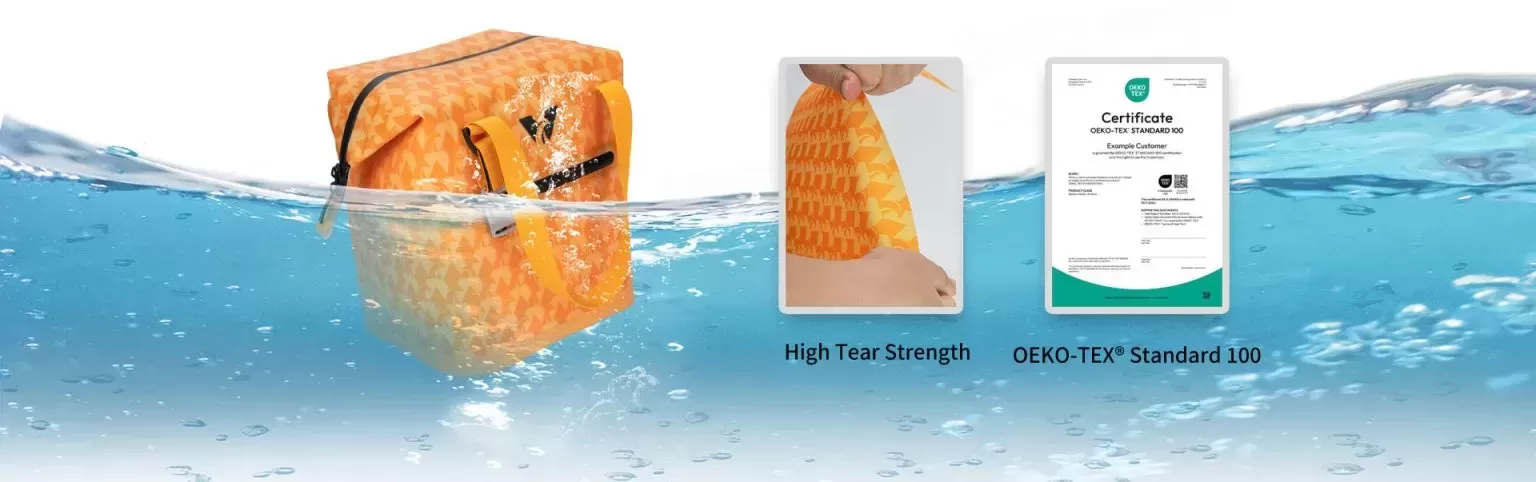
OEKO-TEX Standard 100: This standard verifies that your textiles are free from harmful chemicals, heavy metals, and toxic dyes.
FSC (Forest Stewardship Council): Necessary for any paper hangtags or cardboard packaging to prove they come from responsibly managed forests.
2. Check for Clean Printing Processes and Non-Toxic Inks
Traditional screen printing often uses solvent-based inks. These inks release harmful Volatile Organic Compounds (VOCs) that can damage the environment and leave chemical smells on your delivery bags.
Make sure your salad thermal bag maker uses clean printing methods. Ask them to use eco-friendly water-based inks or soy-based inks. These alternatives produce bright, durable prints without releasing toxic chemicals, keeping your bags safe for everyday food contact.
| Ink Type | Environmental Impact | Safety for Food Packaging | Print Durability on RPET |
|---|---|---|---|
| Solvent-Based Ink | High VOC emissions; chemical waste issues | Not recommended for close food contact | Excellent resistance to scratches |
| Water-Based Ink | Low VOC emissions; biodegradable components | Highly safe; odorless and chemical-free | Very good; matches daily use needs |
| Soy-Based Ink | Zero VOCs; made from renewable agricultural crops | Extremely safe; clean and non-toxic | Excellent clarity and color accuracy |
Partner for a Sustainable Future
Investing in eco-friendly thermal bags is a great way to protect your cold foods while building real brand value. By choosing recycled fabrics, non-toxic linings, and highly reusable designs, you show your customers that you share their commitment to a cleaner planet.
Working with a professional salad thermal bag maker like weierken helps you create functional, stylish, and sustainable packaging. We help you choose certified materials, design practical features, and maintain consistent quality throughout production.
Ready to start your next green project? Contact our team today to ask for a material sample, verify our certifications, or request a custom quote. Let us build a sustainable brand together.
Frequently Asked Questions
1. How does a salad thermal bag maker verify the authenticity of RPET materials?
A reliable manufacturer verifies RPET materials through a GRS (Global Recycled Standard) Transaction Certificate (TC). The TC tracks the recycled plastic raw materials from the initial processing facility all the way to the final fabric mill. You should always ask your supplier to provide this document to verify their recycled content claims.
2. Is biodegradable PEVA as durable and leakproof as standard PEVA?
Yes. Biodegradable PEVA is specifically engineered to perform just like standard PEVA during its daily useful life. It maintains the same tensile strength, cold resistance, and waterproof sealing qualities. It only begins to break down when exposed to active landfill conditions over a long period, so it will not degrade during normal commercial use.
3. Can we customize the thermal lining color to match our brand's aesthetic?
Yes. While standard PEVA linings are usually white, grey, or silver foil, a custom salad thermal bag maker can dye the lining to match your brand's Pantone colors. Keep in mind that custom material runs usually require a higher minimum order quantity (MOQ) than standard colors.
4. What printing methods are best for maintaining a low carbon footprint?
Heat transfer printing using water-based inks is the most eco-friendly option for detailed, multi-colored logos. For simpler designs, water-based silkscreen printing works best. Both methods reduce toxic waste and keep the manufacturing process as clean as possible.
5. What is the standard lifespan of a reusable salad bag made from recycled materials?
A well-made bag constructed from high-quality GRS-certified RPET and 8mm foam can easily last for over 500 to 1,000 daily uses. Ensuring the bag is built with reinforced stitching, water-resistant fabrics, and heavy-duty zippers will extend its lifespan, giving your brand long-term visibility while reducing single-use waste.