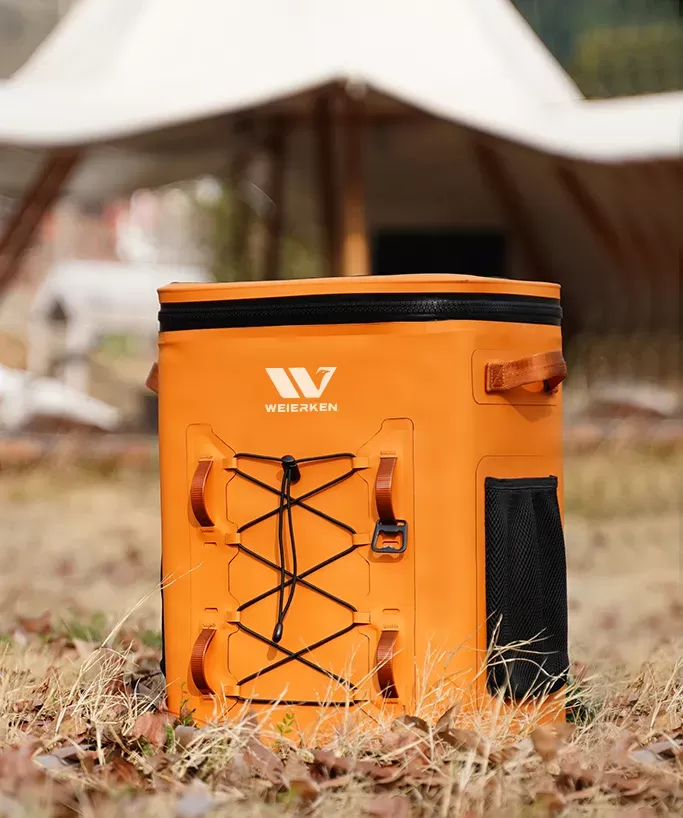

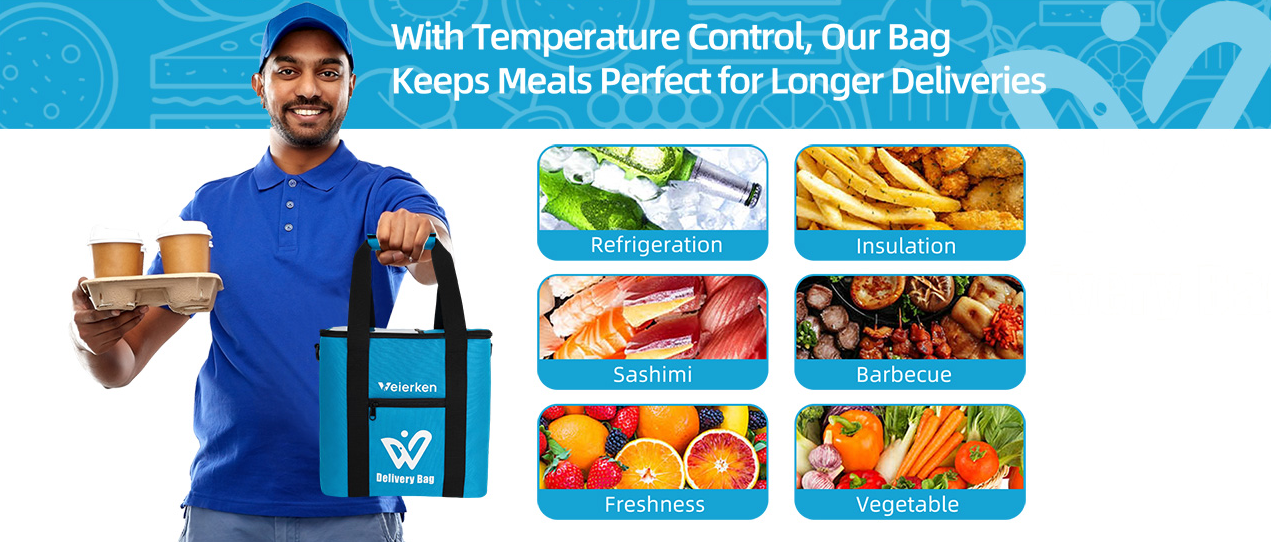
The direct-to-consumer (D2C) pet food sector is undergoing a massive transformation. Subscription fresh-cooked meals, raw frozen BARF diets, and oversized dry kibble bags have taken over front porches nationwide. Pet owners now expect human-grade presentation, freshness, and speed with every drop-off.
This rapid shift creates major distribution hurdles for procurement teams. Standard restaurant takeout bags tear under 15-kilogram dry kibble loads. Meanwhile, generic parcel boxes fail to maintain safe internal temperatures for raw meats during summer delivery runs. When packaging fails, goods spoil, customers churn, and profit margins dissolve.
To scale reliably, subscription brands, vet networks, and pet platforms must bypass generic middlemen. Sourcing custom pet food delivery bags OEM directly from an established manufacturing plant secures the structural durability, precise thermal control, and unit-cost economics your business needs. Manufacturers like Weierken engineer custom industrial packaging designed specifically around modern pet logistics.
Product Engineering and Material Selection Guide
A reliable delivery bag starts with purposeful material selection. Factory patternmakers look at cargo weight, transit duration, moisture exposure, and handling abuse to determine the right textile stack.
Cold-Chain and Perishable Pet Food Deliveries
Fresh and raw pet food subscriptions require continuous cold-chain management between 0°C and 4°C, or sub-zero freezing for raw cuts. Achieving this without refrigerated vans requires a high-performance, three-layer composite build:
Outer Shell: 600D or 900D waterproof Oxford polyester with a polyurethane (PU) backing blocks ambient moisture and shrugs off concrete scuffs.
Thermal Core: 8mm to 12mm high-density closed-cell EPE foam or lightweight PU insulation. This core prevents conductive heat transfer while holding its shape under heavy ice packs.
Hygienic Interior: Food-grade aluminum foil or heat-sealed PEVA and TPU liners. We eliminate stitch holes using high-frequency seamless welding, which stops melted water and raw meat juices from leaking out.
In thermal chamber tests with an ambient room temperature of 35°C (95°F), a properly engineered insulated pack with phase-change coolants maintains internal cargo temperatures below 4°C for 24 to 36 hours.
Heavy-Duty Bulk Dry Food and Cat Litter Logistics
Shipping 10kg to 25kg dry kibble sacks or dense clay cat litter introduces mechanical stress that tears ordinary totes apart. These heavy payloads require industrial-grade structural textiles:
Laminated PP Woven Fabric: Outstanding tensile strength with high puncture resistance at an attractive baseline cost.
Reinforced Heavyweight Canvas or 1680D Ballistic Polyester: Maximum tear resistance, built for multi-year reusable logistics programs.
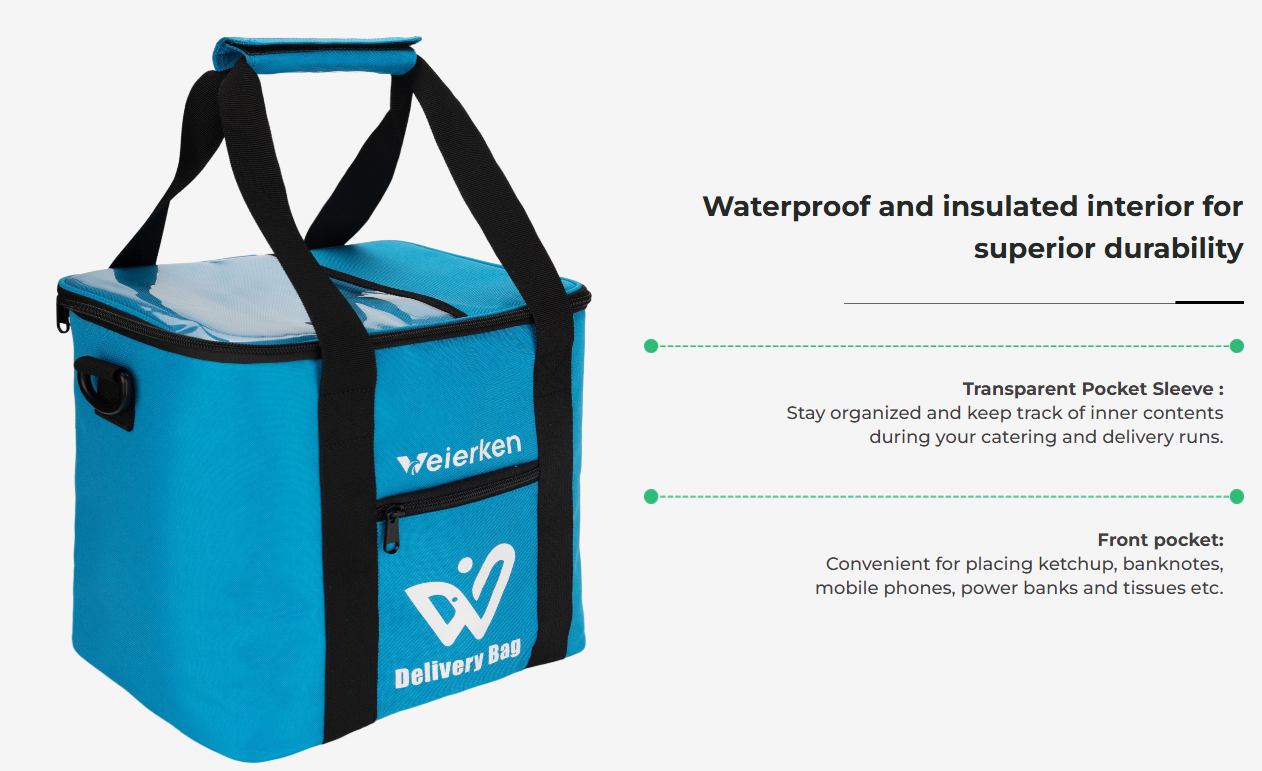
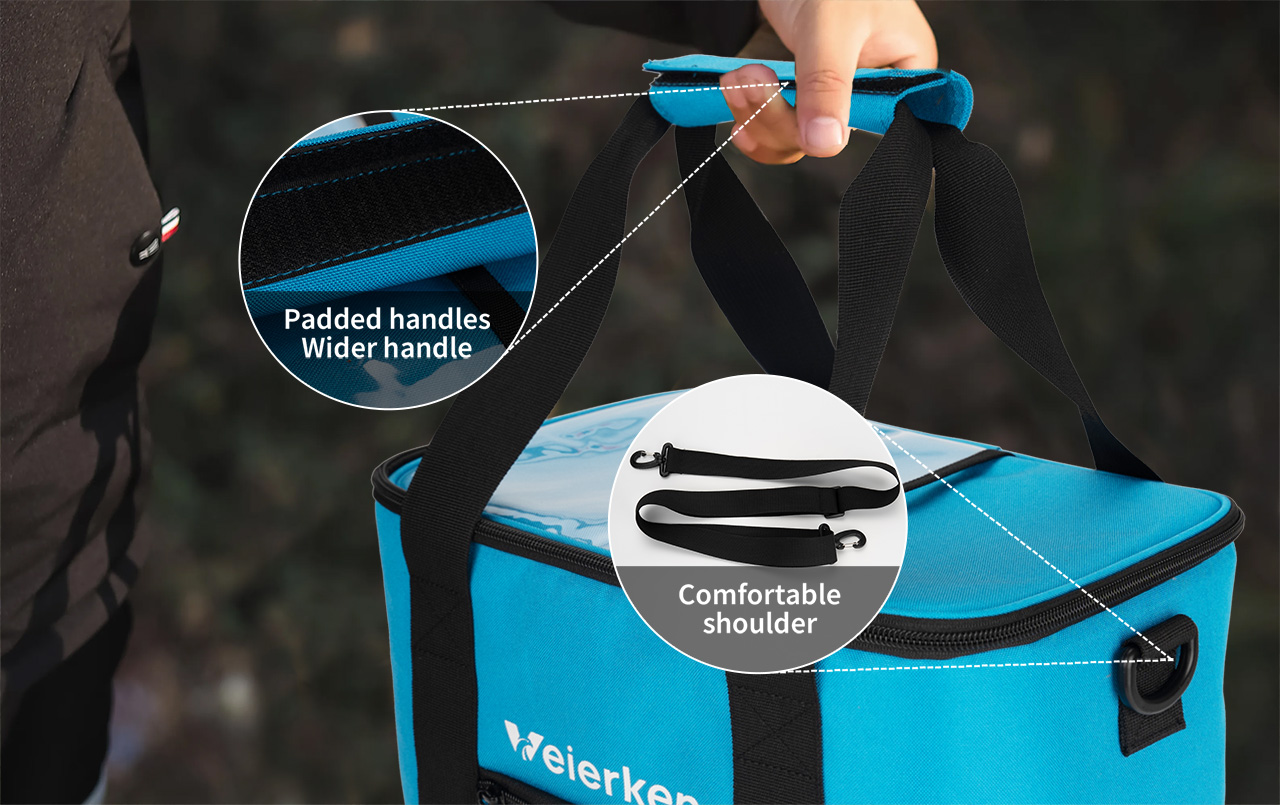
Load-Bearing Stitching: "Box-X" reinforced stitching along the entire webbing handle path. We wrap webbing under the base of the bag to support the payload from below rather than pulling on top seams.
Reinforced Dual-Layer Bottom: Rigid, removable PP or PE base inserts distribute weight evenly and prevent the bottom from sagging or scraping against rough asphalt.
Branding and Functional Customization Matrix
Your delivery bag is a visible customer touchpoint that sits on doorsteps and travels inside courier vans. Direct factory customization lets you match utilitarian durability with clean, modern branding.
Industrial Printing Capabilities
Different production runs, fabrics, and branding requirements demand specific printing approaches:
Screen Printing: The most cost-effective process for bold, single-color or dual-color logos on small to medium manufacturing runs.
Heat Transfer & Dye Sublimation: Delivers photographic, full-color reproduction for detailed pet graphics and vibrant brand gradients without peeling.
Rotogravure Printing: Perfect for large-volume laminated PP woven totes, providing complete edge-to-edge full-wrap graphics with scratch-resistant finishes.
Functional Hardware and Add-Ons
Custom OEM engineering adds functional details that save time for warehouse pack-out lines and delivery drivers:
Clear Waybill & Invoice Pockets: Transparent exterior PVC windows allow delivery staff to slide shipping manifests or return labels in quickly without extra tape.
Modular Internal Dividers: Insulated, removable partition walls keep cold meat packs away from ambient canned goods or freeze-dried supplements inside the same carrier.
Reflective Safety Accents: High-visibility piping around the exterior perimeter protects couriers during early-morning or evening drop-offs.
Flat-Pack Collapsible Construction: Integrated hook-and-loop compression straps fold bags completely flat, saving valuable warehouse space and cutting return-freight costs.
Sourcing Checklist: Vetting an OEM Factory and Avoiding Pitfalls
Working directly with an overseas or domestic production line requires clear communication and clear technical guidelines. Use this checklist during your supplier vetting phase.
Understanding True Factory MOQs by Material
Minimum order quantities (MOQs) depend on upstream textile supply chains rather than arbitrary factory limits. Buyers looking for custom pet food delivery bags OEM should expect these standard manufacturing minimums:
Custom-Laminated PP Woven Bags: 3,000 to 5,000 units. The lamination cylinder setup requires significant initial film runs.
Technical Multi-Layer Insulated Coolers: 500 to 1,000 units. Readily available stock fabrics like 600D polyester allow for lower batch runs.
Custom Fabric Pantones: Typically requires 2,000+ meters of fabric dyeing, raising the finished bag MOQ accordingly.
The Two-Stage Prototyping Process
Never approve full-scale mass production from a simple digital rendering. Insist on a two-step physical prototype approval workflow:
Structural Dummy Sample: A raw, unprinted mockup produced within 5 to 7 days. This allows your operations team to test internal volume, inspect handle positions, and check packaging line clearance.
Pre-Production Sample (PPS): A finished sample featuring final dyed fabrics, printed logos, insulation, and hardware. Put this sample through drop-impact testing from 1.2 meters, fully loaded with weight, before issuing final manufacturing approval.
Odor-Free and Chemical Safety Compliance
Pets possess a sense of smell thousands of times more sensitive than humans. Cheap solvent glues, recycled PVC liners, or industrial chemical odors can cause pets to reject their food outright.
Verify that your factory works with odorless, food-contact-grade raw materials. Liners should comply with standard food-contact benchmarks, and exterior materials must meet REACH or Prop 65 chemical guidelines. For brands targeting sustainable operations, request Global Recycled Standard (GRS) certified rPET options with transparent transaction records.
Supply Chain Management and Direct Factory Cost Optimization
Landed costs determine packaging viability. True factory partners understand how container economics and factory cycle times affect your operational bottom line.
CBM Optimization and Vacuum Packing
Insulated delivery bags hold plenty of air inside their foam walls. If shipped loosely in cartons, you spend thousands of dollars shipping trapped air across oceans. Experienced manufacturers optimize packing density:
Carton dimensions matched precisely to standard 40-foot High Cube (40HC) container layouts to remove dead space.
Automated pneumatic vacuum bundling, compressing insulated coolers by 30% to 40% before boxing.
Direct reduction of overall cubic meter (CBM) volume, lowering both ocean freight and onshore domestic pallet storage costs.
Production Lead Time Planning
A typical factory cycle runs between 25 and 35 business days once your pre-production sample is approved. Raw material sourcing, custom fabric weaving, and hardware plating take roughly 15 days, while automated cutting, sewing, inspection, and packing require another 15 to 20 days. Plan your inventory replenishment points at least 60 to 75 days ahead of busy seasonal surges.
Why Partner with Weierken for Custom Pet Food Delivery Bags OEM
Navigating technical manufacturing challenges requires an experienced partner. Since 2006, Weierken has built high-performance soft goods, waterproof coolers, and specialized thermal carriers for leading international brands.
Weierken operates three advanced production centers across China and Cambodia, spanning more than 80,000 square meters with over 3,000 skilled workers. This multi-country footprint shields your business from tariff swings while providing the throughput needed to handle rapid subscriber growth. Backed by in-house thermal testing labs, strict AQL 2.5 quality control, and proven compliance records, we help pet food brands build stable, scalable packaging lines.
Frequently Asked Questions
Q1: What is the typical factory MOQ for custom pet food delivery bags
OEM?
A1: Our baseline MOQ for custom insulated technical bags starts
at 500 to 1,000 units per style, depending on fabric selections. For promotional
non-woven or PP woven shoppers, minimum runs typically begin at 3,000 units due
to industrial printing and laminating setups.
Q2: How do you verify the bag can carry 15kg to 20kg of dry pet food
without tearing?
A2: We reinforce handle roots using double box-X
stitching and continuous bottom-cradling webbing. In our quality lab, we load
prototypes with steel weights up to 1.5 times the target weight and perform
cyclic drop tests alongside static hang tests to confirm seam durability.
Q3: How do we keep interior liners clean from meat condensation and
juices?
A3: We build the interior liner using heavy-gauge, BPA-free
PEVA or TPU films, joining the seams with high-frequency radio frequency (RF)
welding. This process creates a watertight inner basin with zero needle
punctures, allowing fulfillment workers or pet owners to sanitize the interior
with standard disinfectant wipes.
Q4: Can we order custom bags made from certified recycled
plastics?
A4: Yes. We can manufacture your bags using GRS-certified
rPET fabrics derived from recycled bottles. We provide full chain-of-custody
Transaction Certificates (TC) for your auditing and consumer marketing
needs.
Q5: What import advantages does sourcing from Weierken's Cambodia
facility offer?
A5: Our Cambodia production facility offers
favorable tariff treatment for shipments bound for the United States and Europe.
Sourcing through Cambodia helps brands avoid high Section 301 punitive tariffs,
protecting gross margins on high-volume delivery programs.
Request a Direct OEM Factory Quote and Engineering Review
Your delivery packaging directly protects your product freshness, brand image, and operational profit margins. Moving from generic stock totes to custom-engineered bags prevents messy package failures, secures your temperature windows, and keeps pet parents subscribed.
Weierken’s technical team is ready to evaluate your logistics requirements. Send us your payload weights, cold-chain targets, or CAD drawings today. We will deliver a detailed engineering review, structural feedback, and a tiered factory-direct quote within 24 hours.