

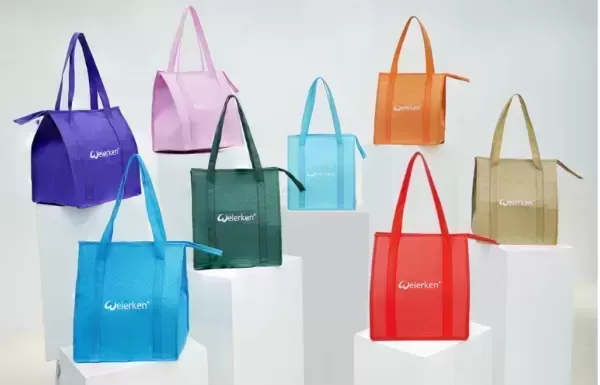
Operating a professional groceries freezer factory requires a unique focus. We do not just ask if a bag can maintain a temperature. We ask how it can keep products frozen while reducing the environmental burden. At weierken, we face this challenge every day as we balance thermal retention with sustainable manufacturing.
For B2B buyers, selecting a supplier is no longer just about the lowest price. It is about ESG compliance and material innovation. In the current retail market, your packaging must reflect your brand's commitment to the planet. This guide breaks down what a truly sustainable factory looks like from a technical and service perspective.
When you partner with a groceries freezer factory, you need to look beyond the surface. Sustainability is not a buzzword. It is a measurable set of practices that involve circular economy principles and low-carbon production. Let us explore how we achieve this at weierken.
1. What Defines a "Sustainable Freezer Bag"?
Many people assume that "sustainable" only means biodegradable. In the context of a groceries freezer factory, the definition is much broader. Freezer bags must maintain temperatures between -18°C and 0°C. This requirement makes pure biodegradability difficult because the materials must be durable and moisture-resistant.
True sustainability in this industry includes four key dimensions:
Recyclability and Circularity: Designing bags using mono-material structures. This makes them much easier to process in existing recycling streams.
Eliminating Virgin Plastics: Using recycled polyester (RPET) and ensuring the product is PFC-free and free from heavy metals or phthalates.
Long-Life Design: Creating bags that are rugged and reusable hundreds of times. This reduces the need for single-use plastic alternatives.
Low-Carbon Operations: Implementing energy-saving processes and closed-loop waste management within the factory.
A professional groceries freezer factory integrates these four points into their ODM and OEM solutions. This helps your brand lead the way in environmental responsibility while keeping your frozen goods perfectly preserved.
2. Core Material Selection: From Traditional to Eco-Friendly
The transition to sustainable materials is the biggest shift in the groceries freezer factory landscape. We are moving away from traditional petrochemical-based fabrics toward bio-based and recycled alternatives. Each part of the bag has a sustainable substitute that maintains high performance.
Outer Fabrics
The traditional choice is virgin polyester or heavy-duty Oxford cloth. A sustainable groceries freezer factory now offers RPET (Recycled PET), recycled nylon, or even organic cotton canvas with a TPU coating. These materials provide the same tensile strength and water resistance but with a fraction of the carbon footprint.
Insulation Cores
Standard EPE (Expanded Polyethylene) foam is difficult to recycle. Modern factories now use recycled EPE, aerogel felt, or even natural wool felt for insulation. These materials offer high thermal resistance. Aerogel felt, in particular, provides incredible insulation with very little thickness, which is a major advantage for last-mile delivery.
Inner Linings and Accessories
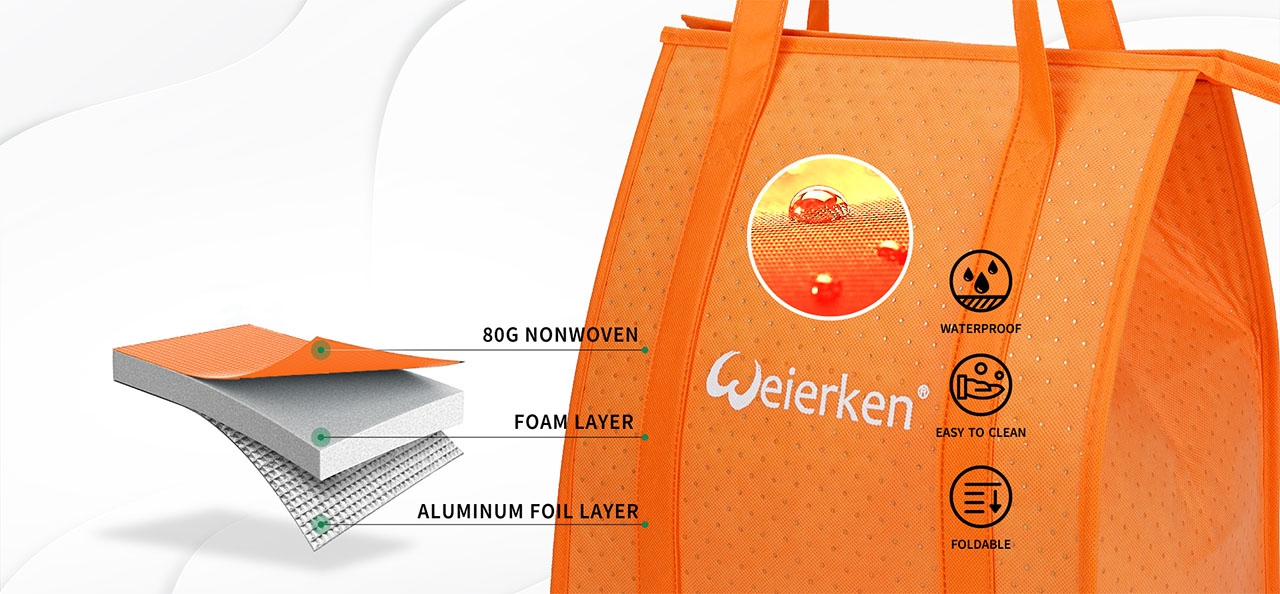
The inner layer usually features aluminum foil with a PE composite. We now offer peelable aluminum foil that users can separate for recycling. For accessories, we replace standard plastic zippers with bio-based zippers or recycled plastic hardware. Even the sewing thread can be switched to recycled polyester to ensure the entire product is eco-conscious.
At weierken, we provide a Life Cycle Assessment (LCA) summary for our sustainable designs. This data often shows a 30% to 50% reduction in CO₂ emissions compared to traditional freezer bags, giving our clients clear data for their corporate social responsibility reports.
3. Performance vs. Sustainability: Solving the Conflict
A common concern for B2B procurement is that eco-friendly materials might compromise thermal performance. In a groceries freezer factory, we use structural optimization to bridge this gap. You do not have to sacrifice quality for the sake of the environment.
We use several advanced techniques to maintain frozen temperatures:
Vacuum Insulation Panels (VIP): These have an extremely low thermal conductivity. Even when using a recycled outer shell, these panels can keep items frozen for 6 to 8 hours.
Multi-Layer Reflective Structures: We use three layers of aluminized film with air gaps. This design mimics a thermos, reflecting heat away without relying on heavy, non-recyclable foams.
Phase Change Materials (PCM): These inserts can absorb and slowly release thermal energy. This helps maintain a stable internal temperature even if the bag is opened frequently during a delivery route.
Our lab tests show that a sustainable bag using recycled EPE and an aluminum-free lining performs remarkably well. In a test with -18°C frozen food, the temperature rise was only 8% faster than traditional bags. We can completely offset this minor difference by adding just 2mm of extra insulation thickness.
4. How We Verify Technical and Green Claims
A reliable groceries freezer factory must back up its claims with hard data. We provide three types of verification to our B2B partners. This ensures transparency and prevents greenwashing.
Thermal Performance Testing
We place bags in an environmental chamber set to mimic a hot summer day. We fill them with a standard thermal load, like frozen meat or ice cream at -18°C. We record how long it takes for the core temperature to reach -5°C. A bag is considered successful if it maintains these temperatures for at least three hours under stress.
Durability and Stress Tests
A sustainable bag must last a long time to be truly eco-friendly. We perform zipper fatigue tests (5,000 cycles) and load-bearing drop tests (10kg from 1 meter). We also conduct low-temperature bending tests at -20°C to ensure the lining does not crack or peel in freezer environments.
Third-Party Certifications
We hold several key certifications that prove our standing as a high-quality groceries freezer factory:
GRS (Global Recycled Standard): This verifies the recycled content in our fabrics and foams.
ISO 14001: This confirms our factory follows a strict environmental management system.
OEKO-TEX: This ensures our materials are free from harmful substances and safe for food contact.
Weierken provides all these documents with our bulk orders. This allows your quality control team to rest easy knowing the product is both safe and compliant with global packaging regulations.
5. ODM/OEM: Customizing Your Sustainable Strategy
As a specialized groceries freezer factory, we provide a complete path from concept to mass production. We specialize in turning your sustainability goals into a tangible product. Every supermarket and delivery platform has different needs, and our customization service reflects that diversity.
Our Collaborative Workflow
The process starts with a requirement alignment. You provide your target frozen duration, the typical delivery scenario, and your budget. We then create a material proposal tailored to your ESG targets. We might suggest a "High Recycled Content" model or a "Long-Life Repairable" model.
Within 5 to 7 days, we provide a 1:1 physical sample. This sample comes with its own thermal curve report and durability data. We also assist with certification support, helping you apply for GRS labels or product carbon footprint stickers. Once the design is locked, we move to production with an MOQ starting at 1,000 units.
Success Cases in Sustainability
We recently worked with a European supermarket chain that required a 100% RPET exterior and an aluminum-free, recyclable interior. Our groceries freezer factory developed a bag using recycled polyester Oxford and a metalized film lining. We reduced the total weight by 12% and the carbon footprint by 40% while passing all internal quality audits.
In another case, a fresh food e-commerce platform needed a "last-mile" bag that consumers could recycle at home. We developed a mono-material PP (Polypropylene) bag. Because the outer fabric, the foam, and the lining were all PP-based, the bag could be placed directly into standard soft-plastic recycling bins.
6. Three Questions to Ask Your Groceries Freezer Factory
If you are looking for a new supplier, use these three questions to separate the professionals from the imitators. These are designed from a B2B procurement perspective to ensure supply chain security.
Are your sustainable materials third-party certified? Demand to see GRS or SCS certificates. A professional factory should have a clear chain of custody for their recycled raw materials.
What is the TCO (Total Cost of Ownership)? While sustainable bags may have a higher unit price, their longevity and brand value often make them cheaper over the long term. Ask for a durability analysis to see the cost-per-use.
How do you handle future regulatory changes? Ask about their regulatory foresight. A mature groceries freezer factory should already have alternatives ready for potential bans on certain PFAS or requirements for higher recycled content in the EU or North America.
Weierken stays ahead of these trends. We constantly update our material library to ensure our clients are never caught off guard by changing laws or consumer expectations.
Frequently Asked Questions (FAQ)
Is it possible to have a 100% biodegradable freezer bag?
While some bio-plastics exist, they often struggle with the extreme moisture and low temperatures of a freezer environment. Most a professional groceries freezer factory will recommend high-recycled content and mono-material designs as a more practical and durable sustainable solution for heavy-duty use.
How long will a sustainable bag keep ice cream frozen?
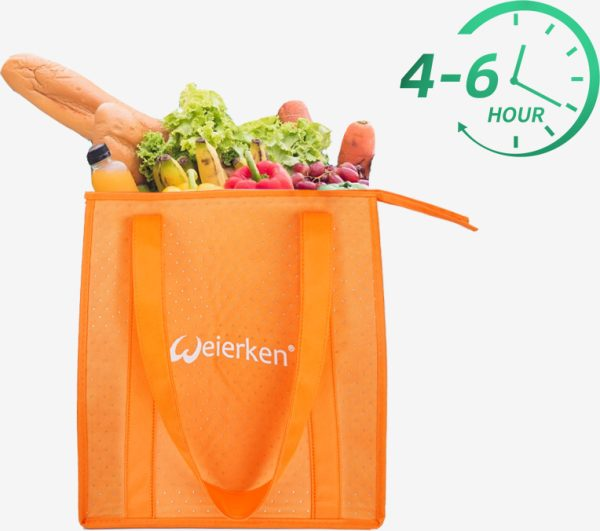
With high-quality vacuum insulation panels (VIP) and proper thermal sealing, our bags can maintain a frozen state for 4 to 6 hours even in 30°C ambient temperatures. The performance depends heavily on the thickness of the insulation core and the quality of the reflective lining.
Does using recycled materials affect the strength of the bag?
Not if the materials are sourced correctly. GRS-certified RPET has almost identical tensile strength to virgin polyester. Our groceries freezer factory conducts rigorous load-bearing tests to ensure that recycled bags can handle the weight of bulk groceries without tearing.
Can I get a custom color with recycled fabrics?
Yes. Recycled polyester can be dyed to almost any Pantone color. However, some sustainable dyes are more eco-friendly than others. We can provide options for waterless dyeing or low-impact pigments to further enhance your product's green credentials.
What is the typical lifespan of a reusable freezer bag?
A well-constructed bag from a reputable groceries freezer factory should last for 200 to 500 uses. This depends on how it is cleaned and stored. We design our bags with reinforced handles and heavy-duty abrasion-resistant bases to maximize their service life.
How do I clean a sustainable freezer bag?
Most bags feature a leak-proof PEVA or TPU lining that can be wiped down with a damp cloth and mild soap. For sustainability, we recommend air drying. Some designs are machine washable, but this should be confirmed during the design phase to ensure the insulation is not damaged.
Partner with weierken for Your Eco-Friendly Needs
Choosing the right groceries freezer factory is a strategic decision for your business. It impacts your operational efficiency, your customer satisfaction, and your brand's environmental legacy. At weierken, we provide the technical expertise and the sustainable materials you need to succeed.
We invite you to explore our range of thermal solutions and see how we can customize a bag for your specific cold chain requirements. Our team is ready to provide the data, the samples, and the production capacity you need to reach your goals.
Request a Quote for Sustainable Bags
Do you have a specific sustainability target or a challenging thermal requirement? Contact weierken today. Our engineers will help you select the right materials and provide a Total Cost of Ownership (TCO) analysis for your project.
Learn how we can transform your cold chain packaging. Reach out for a consultation now.
Contact Our Factory