

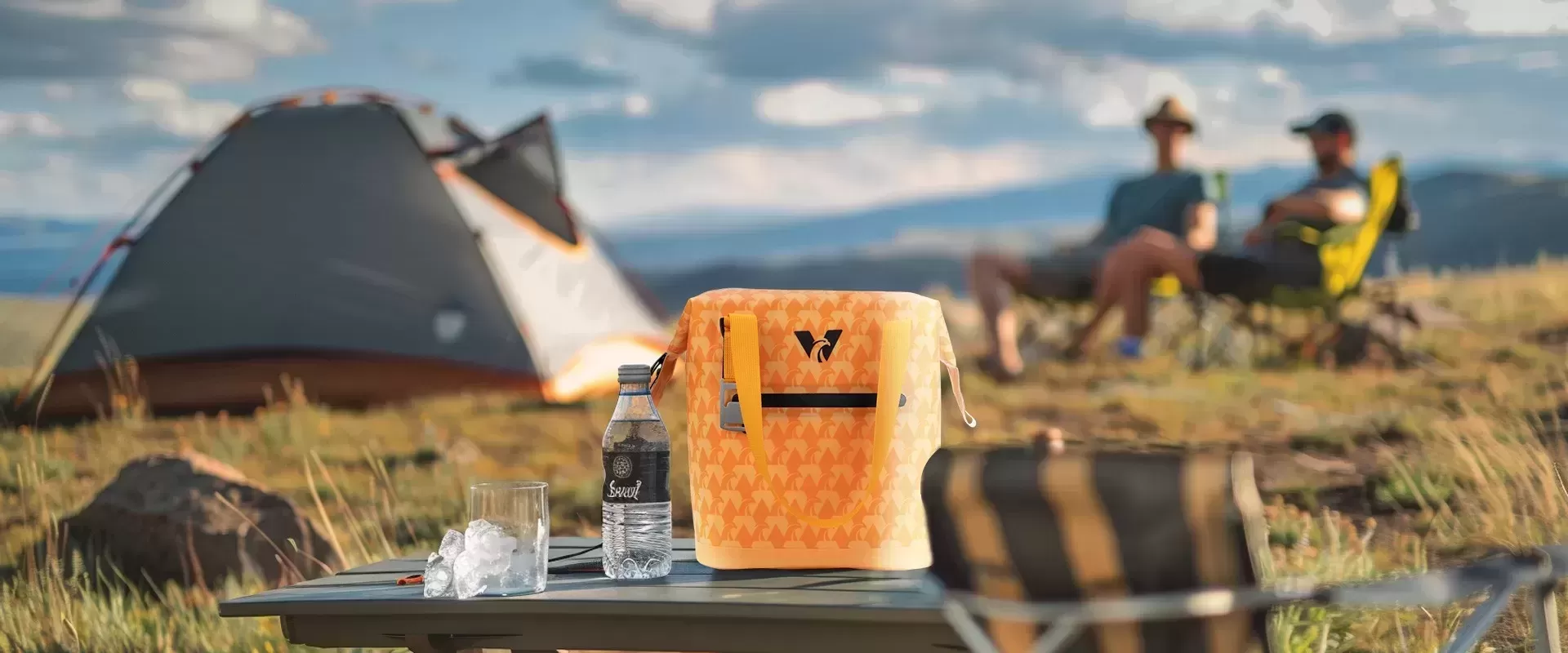
Outdoor lifestyles have shifted dramatically over the past few years. Consumers no longer view picnics as simple park outings. Instead, glamping, outdoor dining, and curated weekend getaways dominate consumer social feeds.
By 2026, buyers expect picnic gear to combine high fashion, extreme thermal performance, and eco-friendly materials. For brand managers, Amazon top sellers, and retail buyers, meeting these demands requires speed and design precision.
This guide breaks down how utilizing a professional picnic bag odm strategy helps you bring innovative products to market quickly. Learn how partnering with an industry leader like Weierken can transform your product line while protecting your profit margins.
Chapter 1: Why Choose Picnic Bag ODM Over Traditional OEM in 2026?
Selecting the right manufacturing model dictates your product's market success. While Original Equipment Manufacturing (OEM) requires you to supply complete tech packs, Original Design Manufacturing (ODM) delivers a complete solution from initial concept to finished goods.
Here is why forward-thinking brands prefer the ODM route for their 2026 strategy:
Faster Time-to-Market: Developing a bag from scratch takes six to twelve months. A specialized custom picnic bag manufacturer offers pre-engineered structural templates, cutting development timelines in half.
Reduced R&D Costs: Designing leak-proof thermal compartments and ergonomic harness systems requires heavy testing. Partnering with a skilled picnic bag odm supplier lets you leverage proven engineering without expensive trial and error.
Direct Access to Trend Insights: Established factories see global market movements early. They integrate current market data into ready-to-brand designs that resonate with modern consumers.
Working with experienced partners like Weierken allows your internal team to focus entirely on marketing and sales while leaving structural engineering to experts.
Chapter 2: Top 4 Design & Function Trends for 2026 Picnic Bags
To dominate the market in 2026, your product catalog must align with modern lifestyle values. Below are the core picnic bag design trends 2026 shaping global buyer demand.
1. Sustainability and Certified Eco-Materials
Environmental responsibility is now a strict purchasing requirement. Modern consumers scrutinize material origin before purchasing premium gear.
GRS-Certified rPET: Fabrics made from recycled plastic bottles significantly lower carbon footprints.
Organic Cotton Canvas: Delivers a classic, rustic aesthetic while avoiding toxic agricultural chemicals.
PFC-Free Water Repellents: Waterproof coatings must meet strict global chemical compliance standards.
Choosing an eco-friendly picnic cooler bag built with sustainable materials strengthens your brand authority and attracts premium shoppers.
2. Minimalist and Timeless Aesthetics
Loud prints and overly complex patterns are giving way to refined, timeless styling. Consumers want gear that looks at home in both a city park and a high-end campsite.
Subdued earth tones, Morandi palettes, and clean lines dominate current consumer preferences. Neutral colors like sage green, warm sand, and charcoal gray offer long-lasting market appeal.
3. Advanced Thermal Performance & Leak-Proof Tech
Form must follow function. A stylish bag fails if ice melts into a leaking mess within two hours.
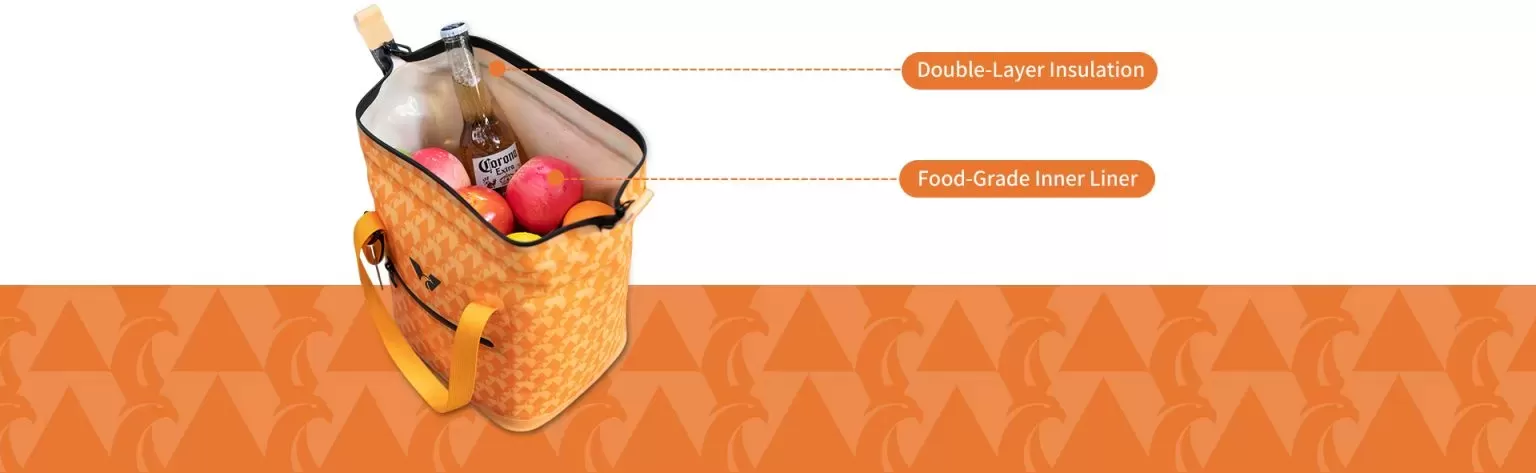
Top-tier manufacturing relies on high-frequency welding. Heat-sealed PEVA or TPU liners create a 100% leak-proof interior. Paired with thick, multi-layer EPE foam insulation, these bags keep food and drinks cold for over 24 hours.
4. Modular and Functional Integration
Versatility wins sales conversions. Today's consumers look for smart organization features tailored to modern outdoor activities.
Detachable, padded wine bottle holders.
Removable organizer pouches for bamboo utensils and cloth napkins.
Dedicated dry ice compartments and dry/wet separation pockets.
Ergonomic shoulder straps engineered to balance heavy loads evenly.
Chapter 3: The Step-by-Step Picnic Bag ODM Process
Launching a custom line using a picnic bag odm framework involves a streamlined, proven workflow. Here is how your concept turns into a finished product ready for retail shelves.
Step 1: Concept Briefing & Market Alignment
Everything starts with a detailed briefing session. You define your target buyer, preferred retail price bracket, target Minimum Order Quantity (MOQ), and mandatory feature set.
Step 2: 3D Modeling and Tech Pack Development
Using your initial ideas, the factory R&D team drafts structural 3D renders and technical packs. They select suitable shell fabrics, insulation layers, and hardware based on your performance targets.
Step 3: Material Sourcing and Compliance Testing
Before sample creation, raw materials undergo strict testing. Inner linings must meet FDA or LFGB food-grade safety standards to ensure zero toxic chemical transfer to food items.
Step 4: Prototyping and Performance Validation
The engineering team creates physical samples for hands-on review. These prototypes undergo rigorous testing:
Thermal Retention Tests: Measuring temperature changes over 12 to 24-hour cycles.
Weight Capacity Tests: Stress-testing handles, zippers, and strap connection points.
Leakage Inspections: Filling internal compartments with liquid to verify seamless construction.
Step 5: Pilot Production and Quality Control
Once you approve the prototype, mass production begins. Strict quality control (QC) inspectors review raw materials (IQC), monitor active assembly lines (IPQC), and perform final shipment inspections (FQA).
Chapter 4: Dual-Base Manufacturing Strategy: Mitigating Tariffs and Supply Chain Risks
Global trade shifts require strategic manufacturing locations. Sourcing outdoor bags from a single region leaves your business vulnerable to sudden tariff increases and shipping disruptions.
Smart procurement managers now prioritize dual-base manufacturing models. By combining production centers in China and Southeast Asia, brands maintain operational flexibility and control landed costs.
To protect global clients from fluctuating tariffs, Weierken operates three state-of-the-art manufacturing hubs across China and Cambodia.
80,000+ Square Meters: Sprawling facility footprints handle huge seasonal production spikes effortlessly.
3,000+ Skilled Workers: Expert craftsmanship ensures precise stitching on technical bags.
Tariff Optimization: Utilizing our Cambodia bag factory ODM setup allows North American and European buyers to significantly reduce or eliminate import duties.
This dual-base strategy grants you access to China's deep raw material supply chains alongside Cambodia's competitive duty-free export advantages.
Chapter 5: Why Partner with Weierken for Your 2026 Collection?
Choosing the right manufacturing partner shapes your product quality and business reputation. Since 2006, Weierken has led the industry as a premier outdoor soft goods manufacturer.
Here is why top international brands rely on our manufacturing ecosystem:
20 Years of Deep Expertise: Two decades focusing on cooler bags, waterproof backpacks, and custom picnic solutions.
Trusted by 2,000+ Global Brands: We supply major outdoor labels, global retail giants, and fast-growing e-commerce sellers.
In-House Design & Innovation: Our dedicated R&D division creates market-ready original designs every season.
Rigorous Quality Assurance: Every production batch passes strict multi-point inspections to ensure total structural integrity.
Whether you need an insulated picnic backpack wholesale solution or a completely custom luxury picnic tote, our team delivers high performance at competitive price points.
Summary: Ready to Launch Your 2026 Collection?
Building a successful outdoor bag line requires high-performance design, certified materials, and resilient manufacturing. Leveraging a structured picnic bag odm process reduces product launch risks and accelerates market reach.
By partnering with Weierken, you gain direct access to award-winning R&D teams, certified eco-friendly materials, and strategic duty-free production facilities.
Take the next step in building your product collection. Contact our senior product specialists today to request sample prototyping, view our 2026 product catalog, or receive a fast project quote!
Email Us: service@weierkenbag.com
Website: www.weierken.com
Frequently Asked Questions (FAQ)
1. What is the typical MOQ for a picnic bag ODM order?
Our standard Minimum Order Quantity (MOQ) generally starts at 500 to 1,000 units per style, depending on fabric selections and custom hardware requirements. Contact our sales team to discuss flexible options for your target order size.
2. How long does the custom ODM process take from design to delivery?
Concept design and 3D rendering take 3 to 5 days. Sample production usually takes 7 to 10 days. Mass production requires roughly 35 to 45 days after prototype approval, depending on order volume and factory scheduling.
3. Are all materials used in Weierken picnic bags food-safe certified?
Yes. All internal lining materials, including PEVA, TPU, and aluminum foil, pass strict FDA, LFGB, and REACH food-contact safety standards. We guarantee non-toxic, BPA-free, and phthalate-free construction across all food-related compartments.
4. How does production at your Cambodia factory help lower import tariffs?
Cambodia benefits from preferential trade arrangements with several Western nations. Importing goods produced in our Cambodian facilities allows US and European buyers to significantly lower or clear import tariffs compared to goods shipped directly from China.
5. Can we modify an existing Weierken ODM design with our own branding?
Absolutely. You can select any existing design from our product library and customize shell colors, interior lining textures, zipper pulls, and branding patches. We support silkscreen printing, rubber patches, woven labels, and debossed leather logos.
6. What testing procedures do you perform on insulated picnic cooler bags?
Every design undergoes strict thermal performance testing using digital temperature loggers, static load tests up to double the rated capacity, seam pull strength testing, and full liquid submersion tests to verify leak-proof performance.