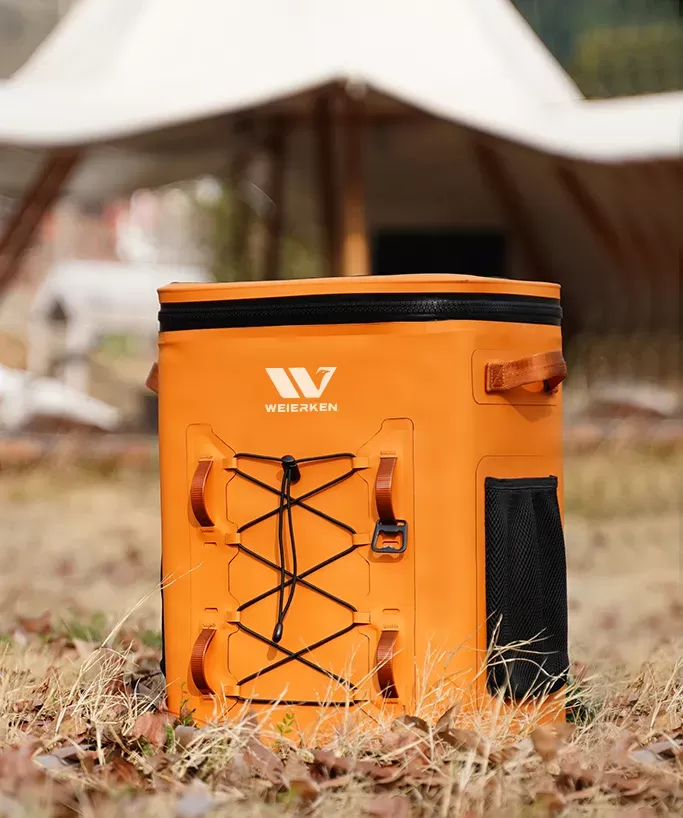

Outdoor enthusiasts demand more from their gear than ever before. Modern hikers, alpine climbers, and campers want packs that weigh next to nothing. At the same time, they expect 100% waterproof protection during severe downpours and rugged abrasion resistance against sharp rocks.
For outdoor brand managers and sourcing directors, meeting these demands creates a serious engineering dilemma. Traditional stitching cuts holes into waterproof fabrics. Heavy-duty abrasion coatings add unnecessary weight. Stripping down materials can lead to catastrophic tears in the field.
Solving this dilemma requires more than a simple assembly factory. Brands need a specialized outdoor bag ODM partner that understands advanced material science, seam-welding physics, and functional bag design.
Since 2006, Weierken has helped global gear brands bridge this technical gap. With 20 years of focused expertise in technical pack production, we engineer outdoor bags that balance lightness, strength, and weatherproof performance.
Deconstructing the "Holy Trinity" Technical Pillars
Achieving waterproofness, ultralight weight, and long-term durability in a single pack requires precise manufacturing techniques. A top-tier outdoor bag ODM must master three distinct core engineering areas.
1. Waterproof Mastery Beyond Traditional Stitching
Standard needle stitching creates thousands of micro-punctures in fabric. Even with basic seam tape, heavy rain and water submersion eventually seep through sewn seams. Experienced bag factories use advanced bonded construction methods instead.
High-Frequency (HF) Welding: This process uses electromagnetic energy to fuse TPU-coated fabrics at the molecular level. It creates a solid, permanent bond that easily achieves IPX7 and IPX8 waterproof ratings.
Hot-Air Seam Taping: For structured backpacks requiring complex geometry, precise hot-air tape application seals every internal stitch line against water pressure.
TPU vs. PVC Laminates: Modern dry bags rely on Thermoplastic Polyurethane (TPU). TPU is lighter, eco-friendly, remains flexible in sub-zero temperatures, and will not crack over time like traditional PVC.
2. Ultralight Engineering Without Sacrificing Volume
Trimming weight from an outdoor pack requires smart material choices and efficient structural design. Every gram matters on long trips, but stripping out crucial support leads to early pack failure.
High-Tenacity Technical Fabrics: Leading manufacturers use Dyneema (UHMWPE), 40D/70D Cordura ripstop nylon, and custom micro-grid weaves to cut weight while preserving high tensile strength.
Minimalist Hardware Selection: Replacing heavy metal buckles with lightweight Duraflex or ITW plastic hardware reduces overall pack weight.
Pattern Optimization: Smart pattern engineering minimizes seams, slashes off excess material trim, and reduces labor costs while maximizing structural integrity.
3. Uncompromised Structural Durability
A light bag is useless if a shoulder strap pulls out deep in the wilderness. High-stress points require dedicated reinforcement engineered into the bag structure.
Bar-Tack Stitching: Heavy multi-needle bar-tack stitching secures load points like harness attachments, haul loops, and daisy chains.
Reinforced High-Wear Base Plates: Dual-layer fabrics or high-abrasion 840D TPU panels protect pack bottoms against rough rock surfaces and gravel.
Anti-Scratch Exterior Coatings: Modern outer coatings protect face fabrics from bushwhacking scratches, dirt buildup, and UV damage.
Beyond OEM: 4 Standards to Evaluate R&D Capabilities
Many factories call themselves an outdoor bag ODM, but they only offer basic cut-and-sew services. True Original Design Manufacturing requires complete engineering support from concept to mass production.
1. Turning Rough Sketches into Production Tech Packs
Product managers often start with hand-drawn concepts, initial mood boards, or simple feature lists. A skilled ODM partner turns these ideas into detailed technical packages.
This includes 3D CAD modeling, precise pattern drafting, stress point planning, and detailed Bill of Materials (BOM) creation. This work prepares your design directly for reliable factory production.
2. Deep Material Supply Chain Integration
A strong original design manufacturer maintains direct relationships with elite material suppliers. Brands gain instant access to reliable functional materials without long sourcing delays.
GRS Certified Recycled Fabrics: Global Recycled Standard nylons and polyesters cater to eco-conscious consumers.
PFC-Free DWR Coatings: Fluorocarbon-free water-repellent treatments meet strict environmental standards across North America and Europe.
Watertight Zippers: Direct integration with YKK AquaGuard and specialized airtight pressure zippers ensures leak-free bag enclosures.
3. Rapid Functional Prototyping
Speed to market determines success in retail and ecommerce. A top-tier manufacturer runs an independent R&D sample room to turn concepts into physical samples quickly.
At Weierken, our dedicated R&D team builds fully functional, high-precision prototypes in just 5 to 7 days. This allows brand managers to conduct field testing and make fast adjustments before committing to mass production runs.
4. Sustainable Design Practices
Modern consumers actively buy from brands that prioritize environmental responsibility. Leading ODM partners build sustainability into every stage of pack design.
By minimizing fabric waste during cutting, using low-VOC bonding adhesives, and sourcing recycled post-consumer plastics, we help outdoor brands meet ESG targets naturally.
The Quality Control Lifeline: Lab Testing Standards
Outdoor gear failures ruin brand reputations fast. A single leaking dry bag or torn shoulder strap can prompt negative customer reviews across Amazon or retail networks. Professional ODM manufacturers prevent these issues with systematic laboratory testing.
Hydrostatic Head Water Pressure Test
Waterproof fabrics and welded seams undergo hydrostatic pressure testing to verify water resistance. Technical outdoor dry packs must withstand at least 10,000mm to 20,000mm of water column pressure before production approval.
Tensile Strength and Load Endurance Testing
Specialized machine rigs pull strap connections, top handles, and main seam lines to test break points. Dynamic load machines bounce loaded packs thousands of times to simulate years of heavy trail use.
Salt Spray and Accelerated UV Aging
Bags designed for kayaking, fishing, or alpine use face harsh salt air and strong sunlight. Environmental test chambers expose fabrics, zips, and TPU films to salt fog and continuous UV rays. This process ensures fabrics will not yellow, crack, or delaminate over time.
Weierken's Complete QC Protocol
We maintain strict quality control across three distinct production checkpoints:
Incoming Quality Control (IQC): Testing all raw fabrics, webbing, zippers, and TPU films before cutting starts.
In-Process Quality Control (IPQC): Checking welding temperature, seam tape adhesion, and stitch counts on active lines.
100% Finished Goods Inspection: Inflating and submerging airtight and waterproof packs to guarantee zero leak defects before final packaging.
Supply Chain Resilience: The Dual China-Cambodia Advantage
Global brand buyers face evolving challenges including shifting import tariffs, shipping delays, and regional supply chain bottlenecks. Relying on a single manufacturing origin introduces clear business risk.
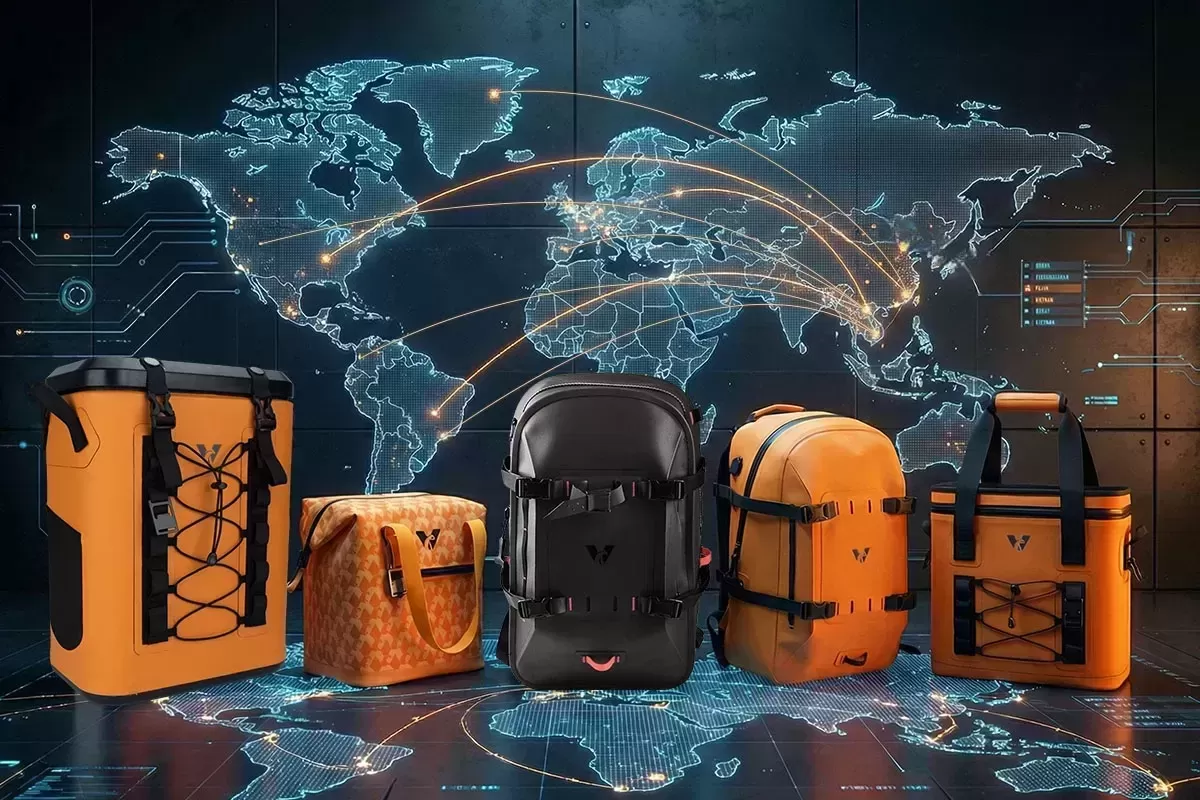
To give client partners a competitive edge, Weierken operates a strategic dual-manufacturing base across China and Cambodia.
Combined Scale: Three self-owned factory facilities spanning over 80,000 square meters of production space.
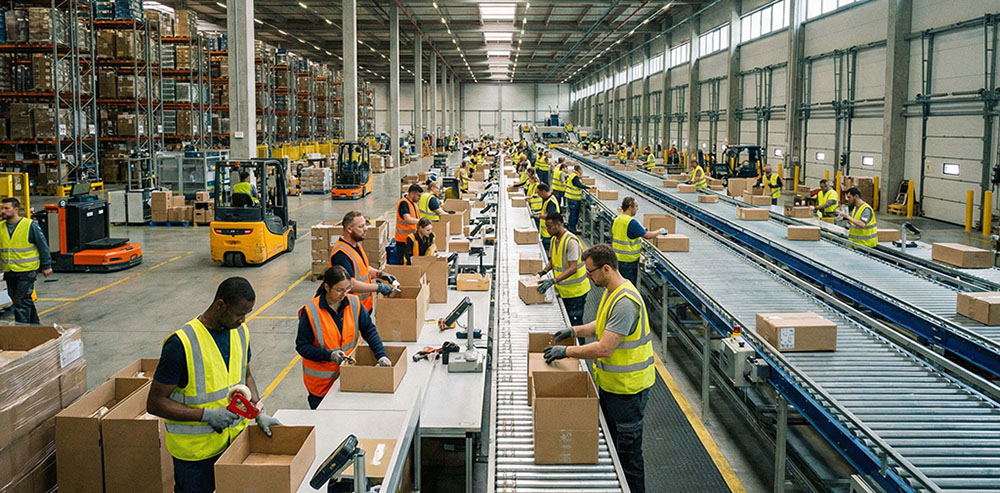
Workforce Capacity: Over 3,000 skilled workers operating advanced high-frequency welding machines and automated sewing systems.
Tariff Savings: Our Cambodia facility offers duty-free or low-tariff export options to North American and European markets, cutting total sourcing costs.
Optimized Operations: Our China facilities handle complex technical R&D, rapid sampling, and specialized fabric sourcing. Mass production shifts smoothly to Cambodia for cost efficiency and low import duties.
Partner with Weierken for Commercial Success
Selecting the right outdoor bag ODM manufacturer sets the foundation for your brand's market expansion. Weierken provides deep technical expertise to ensure your product line succeeds across all sales channels.
With 20 years of manufacturing experience, we have earned the trust of over 2,000 global brands, retail chains, and outdoor equipment specialists. Our development principles remain simple: Innovation, Timeless Design, Functional Simplicity, and Environmental Responsibility.
Whether you need an ultra-lightweight roll-top dry pack, an ergonomic alpine trekking backpack, or a high-frequency welded waterproof cooler bag, our engineering team brings your ideas to market reliably.
Frequently Asked Questions
What is the primary difference between an OEM and an ODM outdoor bag supplier?
An OEM (Original Equipment Manufacturer) simply builds bags according to your precise, pre-existing tech pack and factory patterns. An outdoor bag ODM (Original Design Manufacturer) provides full end-to-end support, helping you develop concepts, engineer patterns, source specialized fabrics, and optimize designs for efficient mass production.
How do you test if a waterproof outdoor bag is truly leakproof?
We use hydrostatic head pressure testers on raw fabrics and welded seams. For completed dry bags and airtight backpacks, we inflate the bag with air, submerge it fully under water, and check for micro-bubbles during final quality control inspections.
Can your Cambodia factory manufacture high-frequency welded waterproof bags?
Yes. Our Cambodia manufacturing facility features automated high-frequency welding units, hot-air seam taping lines, and trained technical staff. This allows global brands to source technical waterproof packs duty-free without losing quality.
What is the typical turnaround time for tech packs and working prototypes?
Once our engineering team reviews your design sketch or functional requirement sheet, we complete a detailed CAD model, paper pattern, and working prototype within 5 to 7 business days.
Do you offer GRS certified recycled materials for custom outdoor bag manufacturing?
Yes. We offer a broad range of GRS-certified recycled nylons and polyesters, PFC-free water repellent coatings, and recyclable TPU films. These choices help your brand meet strict global sustainability standards.
Scale Your Outdoor Brand with Weierken
Building high-performance, waterproof, and ultralight outdoor packs requires an experienced manufacturing team. Avoid production delays, quality claims, and tariff risks by working with an established industry leader.
Contact Weierken today to consult with our technical engineers, request functional samples, or receive a competitive factory-direct quote for your next collection.
Email us now or submit your inquiry below to jumpstart your product development!