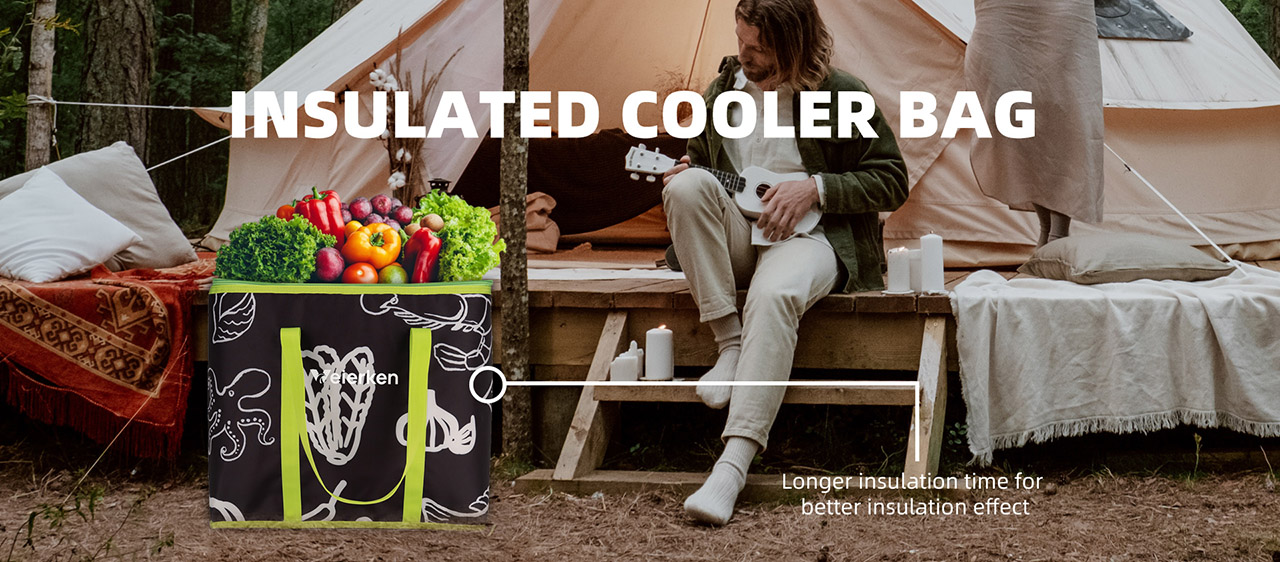
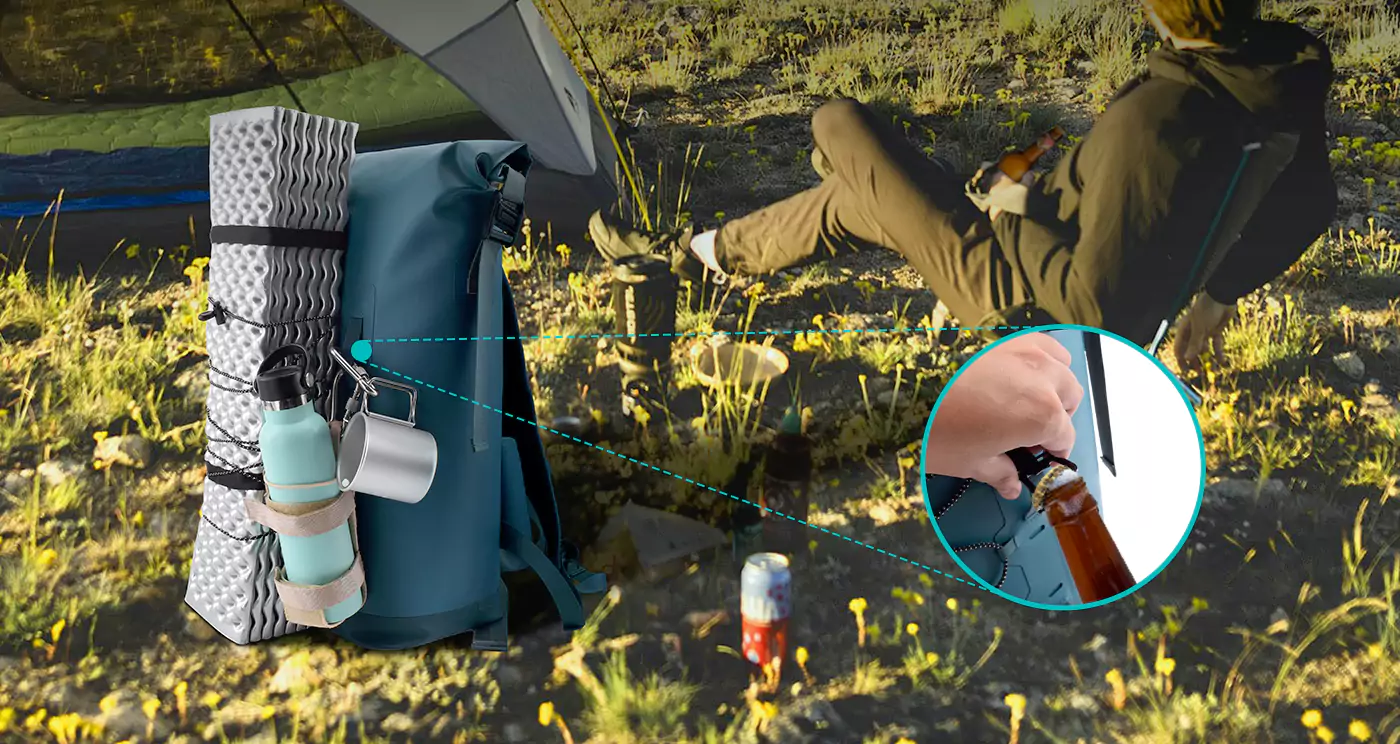
Modern delivery systems move quickly, but speed is nothing without safety. When a restaurant sends out an order, they trust their packaging to maintain quality. A professional takeaway bag fabricator like weierken knows that the choice between a thermal bag and a standard bag is not just about price. It is about protecting the consumer from foodborne illness.
Selecting the right carrier determines how well food survives the journey from the kitchen to the doorstep. Temperature fluctuations can turn a premium meal into a safety hazard within minutes. This article examines why top-tier manufacturers emphasize specific designs for different food categories.
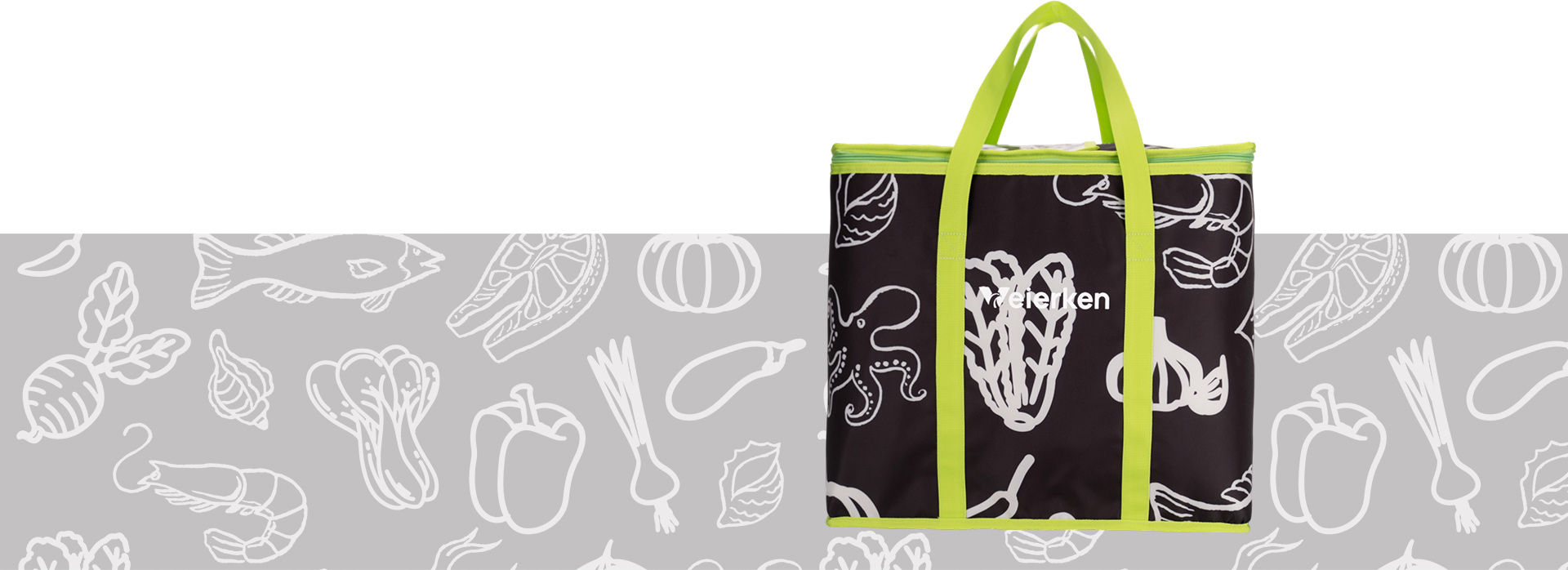
Core Functionality and the Link to Food Safety
The primary goal of any delivery container is to bridge the gap between production and consumption. However, the methods used by a takeaway bag fabricator to achieve this vary significantly. Safety is the common thread that connects these choices.
Thermal Bags: The Guard Against Bacteria
Thermal bags act as a barrier against heat loss or gain. They use specialized insulation to slow down the transfer of energy. Most experts agree that food must stay out of the “Danger Zone.” This zone ranges from 5°C to 60°C. Bacteria multiply rapidly in this environment.
A high-quality insulated food bag supplier uses materials like expanded polyethylene (EPE) foam. This foam, paired with a reflective inner layer, keeps hot food above 60°C. For cold items, it maintains temperatures below 5°C. This makes thermal bags essential for long-distance deliveries.
Standard Bags: Basic Protection for Low-Risk Items
Standard bags focus on containment and basic shielding. They usually consist of a single layer of fabric or paper. While they protect food from dust or light rain, they offer almost zero thermal resistance.
A takeaway bag fabricator usually recommends these for non-perishable goods. Think of room-temperature pastries, packaged snacks, or bottled water. They also serve well as secondary packaging inside a larger insulated carrier. If your delivery time exceeds ten minutes, a standard bag is rarely enough for hot meals.
Material Safety and Global Compliance
Every takeaway bag fabricator must follow strict rules regarding material safety. The inner lining of a bag touches the food container directly. Sometimes, it even touches the food itself. This makes chemical migration a serious concern for brands like weierken.
Common Standards for Food Contact
Reliable manufacturers ensure their products meet international benchmarks. These include:
- FDA 21 CFR: The US standard for food contact substances.
- EU No 10/2011: European regulations for plastic materials intended for food contact.
- GB 4806: The Chinese national standard for food safety.
When you work with a professional delivery bag manufacturer, you should ask for compliance certificates. These documents prove that the plastics, foils, and foams used do not leak harmful chemicals when heated.
Insulation Materials and Safety
The core of a thermal bag involves multiple layers. The outer shell is often heavy-duty nylon or polyester. Inside, the “sandwich” layer contains EPE or EVA foam. The innermost layer is usually an aluminum foil or a specialized PVC film.
A responsible takeaway bag fabricator ensures even these internal layers are non-toxic. If the foil peels or the foam outgasses, the food safety is compromised. Quality manufacturers perform stress tests to ensure these materials remain stable under high heat and humidity.
Structural Design and Its Impact on Hygiene
The way a bag is built affects how clean it stays. Food delivery is a messy business. Spills, condensation, and crumbs are inevitable. A well-designed bag makes it easy for delivery riders to maintain a sanitary environment.
Sealing Mechanisms
Thermal bags require tight seals to work. Most use heavy-duty zippers, large Velcro strips, or magnetic buckles. These closures prevent heat from escaping. They also act as a shield against outdoor pollutants and insects.
A takeaway bag fabricator often recommends “flap” designs. This prevents rainwater from seeping through the zipper teeth. Keeping the interior dry is vital to preventing mold and mildew growth between shifts.
Cleaning and Maintenance
Standard bags are often disposable or difficult to deep clean. In contrast, professional thermal bags feature wipeable interiors. A smooth inner lining allows the user to sanitize the bag with a simple disinfectant spray.
Leading manufacturers often avoid deep seams where food particles can hide. Instead, they use heat-pressing techniques. This creates a seamless interior. It is much easier to keep a seamless bag hygienic than one with many exposed fabric edges.
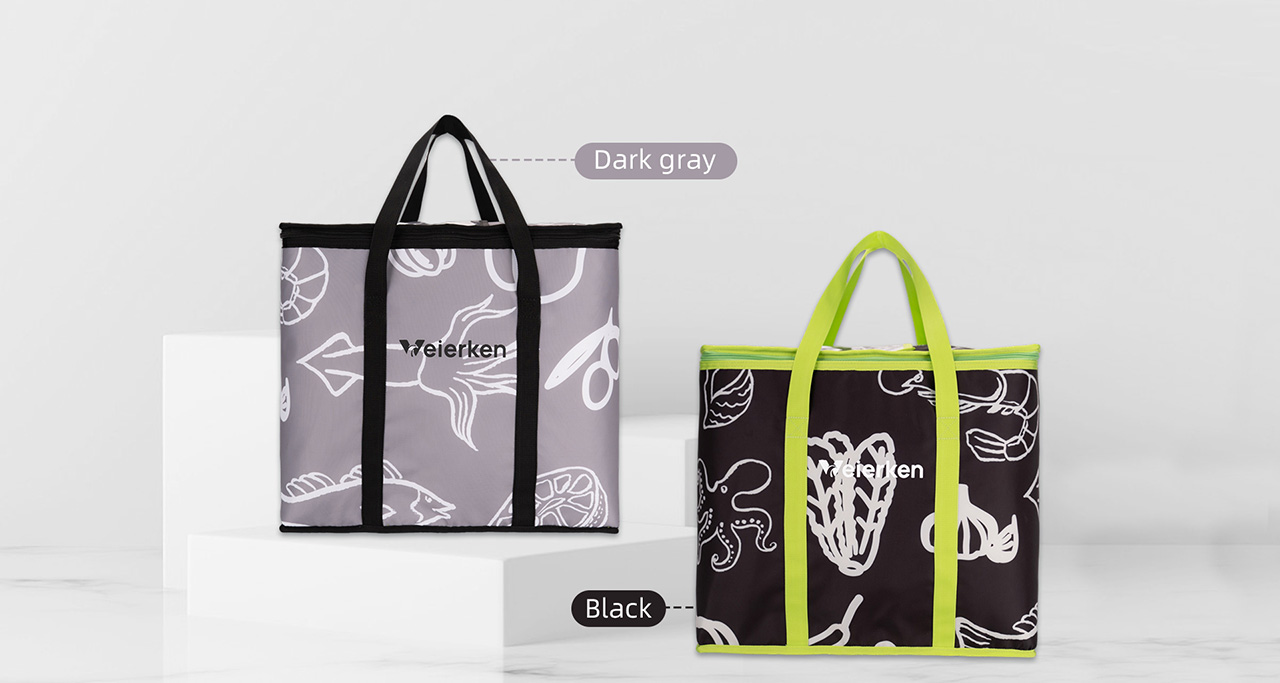
OEM vs ODM: Choosing the Right Partnership
How you work with your takeaway bag fabricator influences the final safety level of your product. There are two main paths: OEM and ODM. Each has its own benefits for food safety and brand growth.
The OEM Approach
In the OEM (Original Equipment Manufacturer) model, the brand provides the design. You give the fabricator the exact specs, materials, and dimensions. The manufacturer then builds it to your standard.
This works best for established brands with their own R&D teams. If you already know which insulation density works for your menu, an OEM partnership ensures consistency. The focus here is on mass production and strict quality control during the assembly process.
The ODM Approach
The ODM (Original Design Manufacturer) model is more collaborative. Here, the takeaway bag fabricator uses their own expertise to design a solution for you. Weierken often works in this capacity to help brands optimize their delivery kits.
An ODM can suggest innovations you might not have considered. They might propose a new type of anti-bacterial lining or a window for temperature sensors. For businesses looking to improve their safety ratings, the ODM model provides access to the manufacturer’s deep technical knowledge.
Manufacturer Recommendations for Specific Food Categories
Not all foods require the same level of care. A seasoned takeaway bag fabricator will categorize your menu to determine the best bag type. This ensures you don’t overspend on simple items while underspending on high-risk ones.
When Thermal Bags are Mandatory
If your menu includes the following, you must use high-performance insulation:
- Hot Soups and Noodles: These lose heat fast and can become a breeding ground for bacteria if they go lukewarm.
- Seafood and Sushi: Raw fish must stay cold to prevent scombroid poisoning or bacterial spikes.
- Ice Cream and Frozen Desserts: Without a high-quality thermal bag fabricator, these will melt before they reach the customer.
- Grilled Meats: Maintaining temperature preserves the texture and prevents fats from congealing.
When Standard Bags Suffice
You can save costs by using standard bags for:
- Bakery Items: Cookies, bread, and muffins usually stay at room temperature.
- Dry Goods: Pre-packaged snacks or meal kits that require cooking later.
- Short-Distance Pizza: While pizza benefits from heat, a standard box inside a basic bag is sometimes acceptable for trips under three minutes. However, most professionals still prefer a dedicated pizza sleeve.
Balancing Cost, Compliance, and Sustainability
Every business wants to save money. However, cutting corners on your takeaway bag fabricator can lead to expensive lawsuits or brand damage. A single case of food poisoning can cost a restaurant its entire reputation.
The True Cost of Quality
Thermal bags have a higher upfront cost than standard bags. But they are durable. A good thermal bag lasts for hundreds, if not thousands, of deliveries. Standard bags often tear or wear out quickly.
When you calculate the cost per delivery, a high-quality thermal bag is often more economical. It also acts as a marketing tool. Customers notice when their food arrives steaming hot. It reflects well on your brand’s commitment to quality.
Responsibility in the Supply Chain
Compliance is a shared responsibility. In an OEM setup, the brand must ensure their design meets local laws. In an ODM setup, the takeaway bag fabricator usually takes the lead on material certification.
Weierken suggests that all brands, regardless of size, verify the testing reports of their suppliers. Do not take “food-grade” at face value. Ask for the specific lab results that match the current batch of materials.
Final Advice for Food Brands
Your delivery bag is an extension of your kitchen. If you wouldn’t serve food on a dirty plate, don’t send it out in a substandard bag. Think of your takeaway bag fabricator as a partner in food safety, not just a vendor.
Whether you choose a standard bag for light snacks or a heavy-duty thermal carrier for hot meals, focus on the user experience. Ensure the bag is easy for the rider to carry and easy for the customer to open.
Invest in the best technology your budget allows. As your business grows, your needs will change. Starting with a manufacturer like weierken allows you to scale from simple designs to complex, temperature-controlled systems seamlessly.
Frequently Asked Questions
1. How long can a thermal bag keep food above 60°C?
Typically, a high-quality bag from a professional takeaway bag fabricator can maintain safe temperatures for 45 to 90 minutes. This depends on the initial food temperature, the ambient air temperature, and the quality of the EPE foam used in the bag.
2. Are all silver-lined bags considered food-safe?
No. Some cheap bags use metallic paints or low-grade films that can flake off. A reputable delivery bag manufacturer uses certified food-grade aluminum foil or PET films that are tested for chemical migration and durability.
3. What is the minimum order quantity (MOQ) for a custom takeaway bag?
MOQs vary by the takeaway bag fabricator. For standard designs, it might be as low as 100 units. For fully customized ODM projects involving unique molds or specialized fabrics, MOQs typically range from 500 to 1,000 units.
4. How often should delivery bags be replaced?
For daily use, we recommend inspecting bags every three months. Look for cracked linings, broken zippers, or compressed insulation. A professional-grade bag should last 6 to 12 months under heavy use before the thermal performance begins to degrade.
5. Can I use the same bag for both hot and cold items?
It is not recommended to put them in the same compartment. The temperatures will neutralize each other. However, many manufacturers design bags with dual compartments or removable dividers specifically for this purpose.
6. Is it possible to get eco-friendly thermal bags?
Yes. Many fabricators now offer recycled polyester (rPET) outer shells and biodegradable or recyclable insulation options. Discuss these “green” requirements with your takeaway bag fabricator during the design phase.
Ready to enhance your food safety standards with professional delivery solutions?
At weierken, we specialize in high-performance thermal and standard bags tailored to your brand’s specific needs. Whether you require a robust OEM production line or an innovative ODM design, our team is ready to help you deliver excellence.
Contact us today for a custom quote and material safety consultation!
[Inquiry Now]