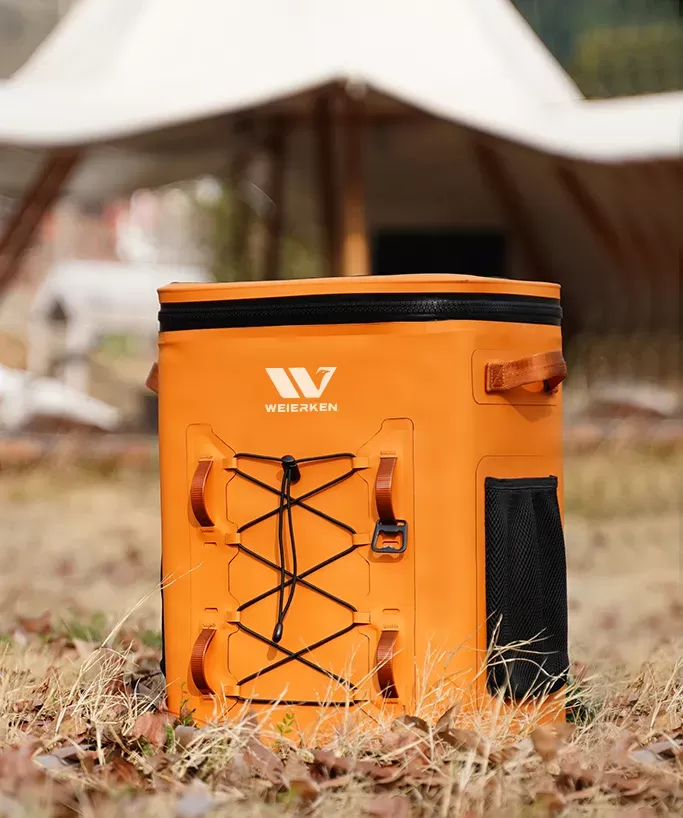

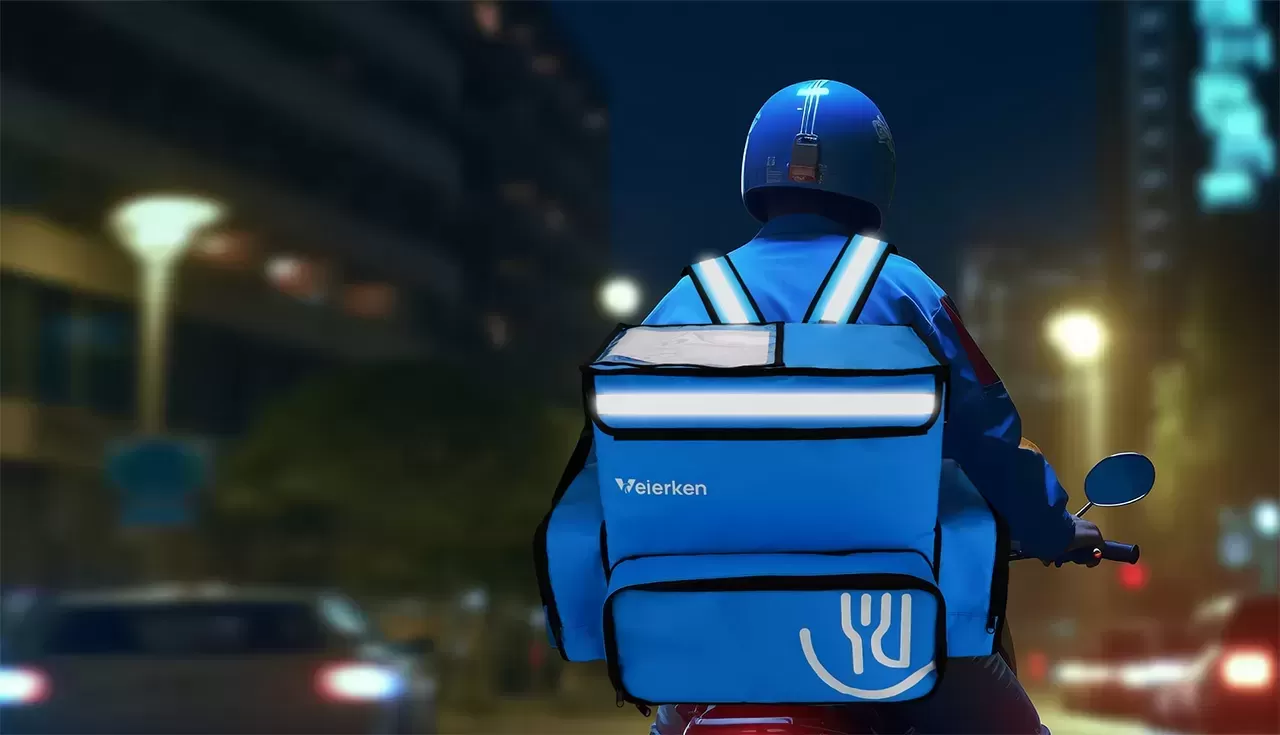
The raw pet food and fresh frozen pet nutrition market has outgrown makeshift logistics. Shipping frozen BARF (Biologically Appropriate Raw Food) diets, gently cooked meats, and raw meaty bones requires strict temperature management. You cannot simply throw frozen patties into standard food delivery bags and hope for the best.
For years, direct-to-consumer (D2C) brands relied on expanded polystyrene (EPS) foam coolers inside corrugated boxes. That approach no longer works. High disposal fees, rising freight volumes, and strict packaging regulations across North America and Europe are forcing procurement teams to pivot toward heavy-duty, reusable insulated shippers.
To scale sustainably, you need a dedicated frozen pet food delivery bag supplier who understands the physics of ultra-low temperature maintenance, leak containment, and loop logistics. Companies like Weierken have reshaped this category by engineering industrial-grade, multi-trip insulated coolers tailored precisely to the rigorous demands of raw pet food logistics.
Below is an assessment of the top 10 manufacturers and suppliers supplying the cold-chain pet food industry in 2026.
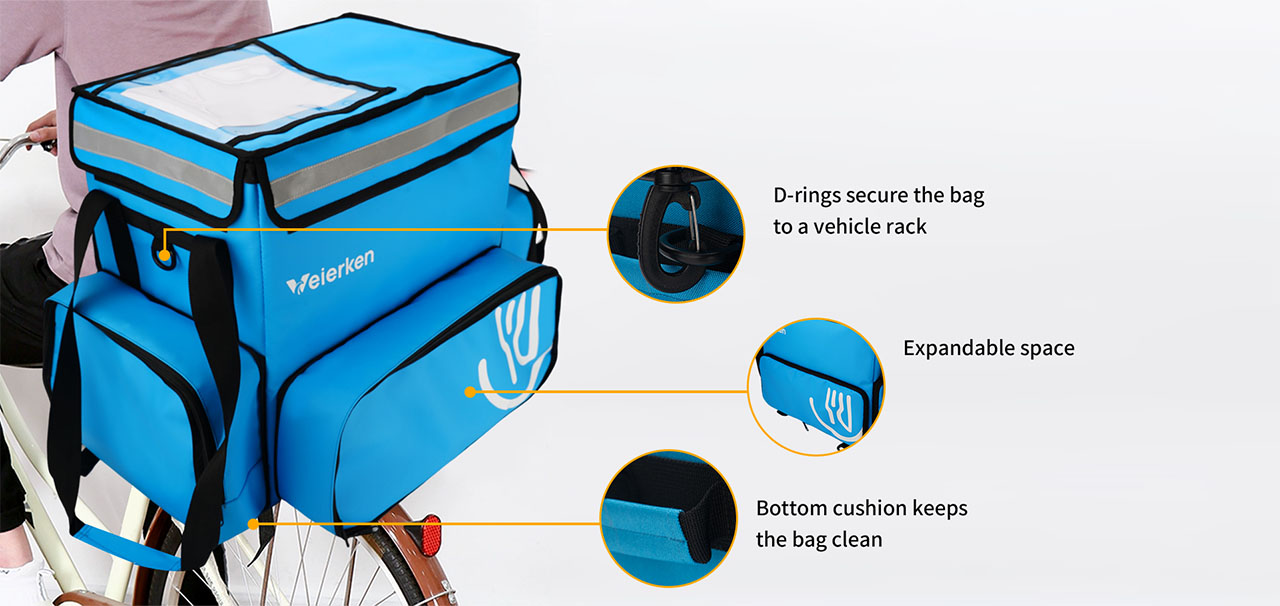
The Technical Challenges of Raw Pet Food Cold Chain Packaging
Transporting raw meat requires far stricter packaging standards than standard meal kits. If you source commercial thermal delivery bags for pet food, your bags must solve three engineering hurdles:
Sub-Zero Retention and Dry Ice Tolerance: Raw pet food must stay below -18°C (0°F) to stop bacterial proliferation like Salmonella and Listeria. When using dry ice (-78.5°C / -109.3°F) for multi-day routes, standard PVC liners turn brittle and fracture. Liners must use cold-crack resistant TPU or modified PEVA.
Hermetic Leak-Proofing Against Thaw Purge: When raw meat thaws slightly during transit, it releases blood and purge fluids. Traditional stitched seams create needle punctures that leak, contaminating doorsteps and generating customer complaints. Liners require seamless, high-frequency (HF) welded construction.
Closed-Loop Durability: Reusable pet food delivery bags must endure at least 40 to 60 transit cycles. They must resist puncture from bone fragments, withstand commercial detergent washes, and feature heavy-duty, dirt-resistant exterior fabrics like 900D or 1680D recycled Oxford polyester.
Our 2026 evaluation ranks suppliers based on thermal performance (maintaining sub-zero temps for 48–72 hours), physical barrier integrity, tariff optimization, and landed delivery capabilities.
Top 10 Frozen Pet Food Delivery Bag Suppliers for 2026
1. Weierken (China & Cambodia) — Best Overall Custom OEM/ODM Manufacturer
Weierken leads the market as the premier high-durability frozen pet food delivery bag supplier for D2C subscription brands and commercial cold-chain operators. Backed by 20 years of manufacturing experience, Weierken designs custom insulated bags specifically engineered to transport frozen raw meats, organs, and bones.
The company addresses pet food supply chain challenges directly. Weierken utilizes seamless high-frequency welding technology for interior linings, preventing fluid leakage even if packages thaw during transit. Their materials are tested down to -40°C to prevent interior cracking under dry ice use.
Weierken operates a strategic dual-facility setup across China and Cambodia. The Cambodian production lines give US and European brands an avenue to bypass heavy Section 301 tariffs, reducing overall import costs. The factory operates with a 99.5% first-pass yield and holds BSCI, ISO9001, GRS (Global Recycled Standard), and REACH certifications.
For custom product launches, Weierken delivers rapid physical prototypes in 3 to 7 days for standard delivery bags, and 12 to 30 days for complex, technical insulated shippers. They also manage full DDP (Delivered Duty Paid) door-to-door shipping directly to client fulfillment centers.
2. Softbox Systems (CSafe) (UK / Global) — Best for Ultra-Strict Temperature Validation
Softbox Systems, part of CSafe, serves the global pharmaceutical and high-end temperature-control market. If your raw pet food brand sells veterinary-prescribed frozen diets that require strict audit trails and laboratory-verified temperature curves, Softbox provides reliable options.
Their products focus heavily on clinical-grade polyurethane insulation and phase-change materials (PCM). While their systems provide exceptional 72-hour thermal stability, their unit costs are noticeably higher than standard commercial packaging, making them a fit primarily for high-margin specialized pet diets.
3. TemperPack (USA) — Best for Single-Use Curbside Recyclable Liners
TemperPack is a leading American producer of sustainable single-use cold chain packaging. Their flagship product, ClimaCell, serves as a direct, paper-based replacement for EPS foam coolers.
For raw pet food businesses dedicated to standard curb-side paper recycling, TemperPack provides moisture-resistant, customizable box liners. However, they focus exclusively on single-use paper materials rather than multi-trip fabric bags. Brands seeking reusable loop delivery systems will need a fabric-based manufacturer instead.
4. Cryopak (USA & Canada) — Best for Integrated Phase Change Material (PCM) Solutions
Cryopak designs complete thermal packaging systems, manufacturing both insulated containers and temperature-modifying coolants. They specialize in integrating phase change materials directly with insulated envelopes and soft-sided delivery bags.
Cryopak excels at seasonal pack-out design. They supply pre-configured coolant and bag pairings designed to keep frozen raw pet food solid during hot summer lanes. Their off-the-shelf catalog is extensive, though deep cosmetic customization for consumer-facing branding requires high minimum orders.
5. Woolcool (UK) — Best for Natural Biodegradable Insulation
Woolcool manufactures thermal packaging using pure sheep wool fibers sealed inside food-grade liners. Based in the UK, they are popular among European organic, natural, and raw pet food brands looking to reinforce an earth-friendly brand identity.
Natural wool fibers match the thermal performance of polystyrene through natural air-trapping pockets and moisture-wicking properties. While Woolcool offers custom printed sleeves and box systems, they concentrate primarily on natural liners inside corrugated outer boxes rather than heavy-duty reusable tote bags.
6. Thermal Bags by Vega (USA) — Best for Local Last-Mile Food Delivery Bags
Thermal Bags by Vega manufactures heavy-duty commercial thermal delivery bags for food service, catering, and local grocery routes. Their products are made from thick, industrial vinyl and dense closed-cell foams.
For pet food companies running their own direct local courier fleets (such as same-day metropolitan delivery vans), Vega provides rugged, wipe-clean delivery totes. Their production is largely domestic within North America, offering rapid turnaround times, though at a higher per-unit manufacturing cost than offshore options.
7. PAC Worldwide (USA) — Best for Lightweight Single-Day Insulated Mailers
PAC Worldwide dominates the flexible, protective packaging industry. They manufacture high-volume insulated bubble mailers and lightweight thermal envelopes suited for short transit times.
If your brand distributes frozen, shelf-stable freeze-dried, or air-dried pet food on same-day or overnight regional routes, PAC provides low-cost, space-efficient packaging. These envelopes do not hold sub-zero temperatures past 24 hours, so they are unsuited for cross-country frozen transit.
8. Hydropac (UK) — Best for UK/EU Integrated Ice Packs and Box Systems
Hydropac operates out of the UK, manufacturing specialized water-based ice packs, gel packs, and insulated shipping boxes. They work closely with raw pet food startups across Britain and mainland Europe.
Hydropac manufactures high-burst-strength ice sheets engineered to sit flush against raw meat chubs and tubs. They offer both single-use foil-faced bubble solutions and collapsible insulated boxes. However, their primary production remains localized in the UK, limiting their supply-chain reach for North American brands.
9. Insulated Products Corporation (IPC) (USA) — Best for Collapsible Space-Saving Liners
IPC develops engineered packaging for shipping temperature-sensitive perishables. Their signature designs include patented collapsible thermal packaging like the CooLiner, an insulated foil-bubble liner that ships flat to preserve inbound pallet space.
IPC provides reliable thermal protection for frozen meats when paired with dry ice. Their multi-layer reflective materials reflect radiant heat during transport. While they focus largely on disposable and short-cycle insulated box liners, their engineering support for calculating dry ice sublimation rates is top-tier.
10. Polar Tech Industries (USA) — Best for Stock EPS Coolers and Thermal Shippers
Polar Tech Industries is a legacy American manufacturer providing an extensive range of off-the-shelf cold chain supplies. Their catalog includes rigid EPS foam coolers, corrugated shippers, and insulated shipping pads.
For young pet food brands shipping low order volumes, Polar Tech offers low minimum order requirements on stock inventory. As subscription volumes scale, however, brands often transition from Polar Tech's bulky stock foam boxes to fully custom, brand-tailored bags to lower shipping volume and reduce warehouse storage footprints.
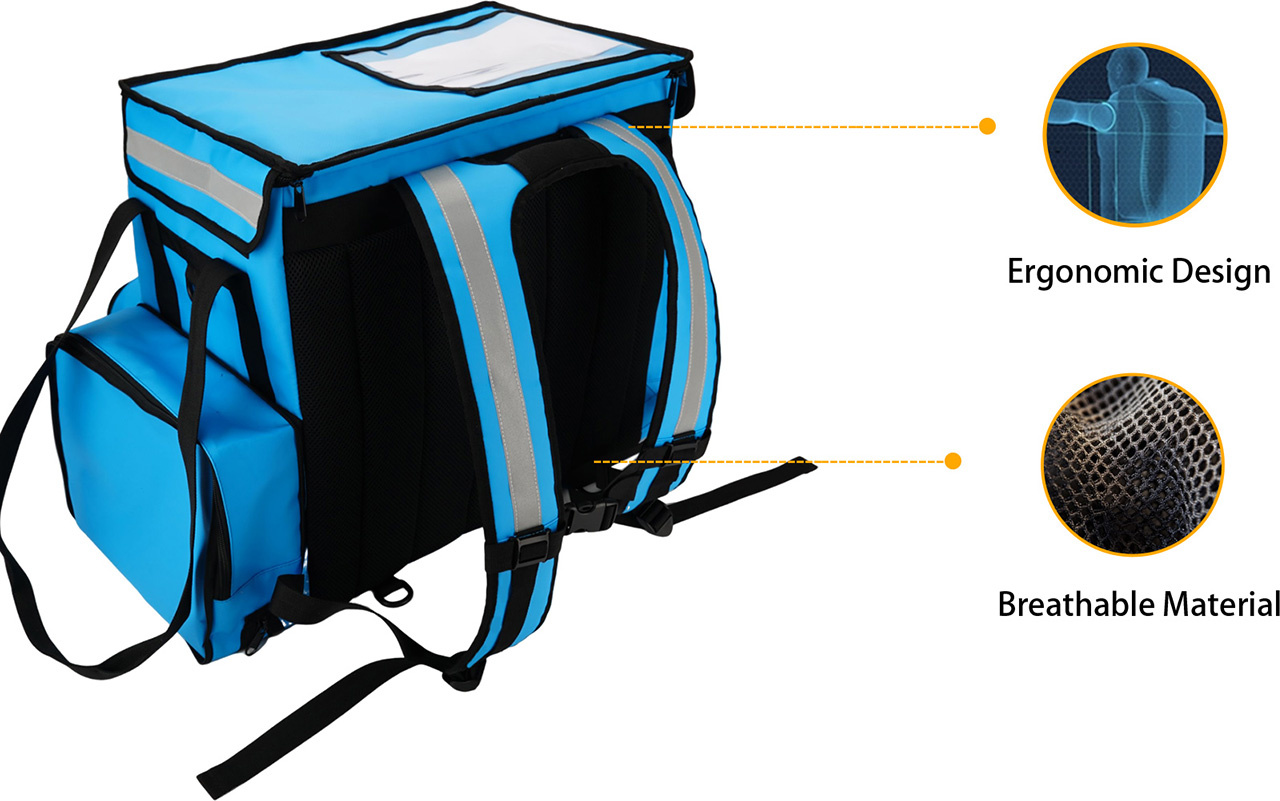
Why Cold-Chain Pet Food Brands Partner with Weierken
Selecting a wholesale cold chain bag manufacturer requires balancing technical engineering with landed unit economics. Weierken has become a key strategic partner for fast-growing pet food businesses due to three specific manufacturing strengths:
1. Targeted Engineering for Raw Meat Delivery
Weierken does not simply repurpose generic catering bags for pet food. They build bags to match raw cold-chain demands. Their engineering team solves raw meat distribution challenges through:
Leak-Proof Welded Liners: High-frequency heat-sealed TPU and PEVA basins that contain accidental juice thaw, making cleaning straightforward for customers.
Dry Ice Compatible Insulation: Dense, non-outgassing EPE or EVA closed-cell foam cores that retain their flexural properties without cracking at -78.5°C.
Reinforced Load Anchors: Raw pet food orders are heavy. Weierken incorporates cross-stitched box-X webbing straps around the bag base to support frozen payloads over 25 kg (55 lbs).
2. Dual-Country Manufacturing and Tariff Mitigation
Trade tariffs can substantially erode profit margins for consumer brands. Weierken maintains fully operational facilities in both China and Cambodia.
Prototyping, material sourcing, and initial engineering happen quickly at their main China hub. High-volume export production runs can then be routed through their Cambodian factory. This gives North American and European brands access to favorable duty rates, protecting unit margins without sacrificing quality.
3. Turnkey OEM/ODM Service with Fast Prototyping
Weierken operates as an extension of your internal procurement team. Their English-fluent engineering staff reviews CAD drawings, offers DFM (Design for Manufacturing) insights, and turns around custom design prototypes in as few as 3 to 7 business days.
From custom phase-change pocket layouts and exterior branding to DDP delivery directly into your regional distribution centers, Weierken manages the entire manufacturing workflow.
The Cold-Chain Buyer's Decision Checklist for 2026
Before issuing an RFP to a frozen pet food delivery bag supplier, evaluate these three core operational factors:
1. The ROI of Reusable Loops vs. Single-Use Packaging
Evaluate your real packaging cost-per-shipment. A heavy-duty, reusable insulated pet food delivery bag costs roughly $14 to $22 to manufacture, depending on specifications and materials. If recovered through a deposit or return-label loop system, that bag averages 40 trips, reducing your packaging cost to $0.35 – $0.55 per delivery.
By contrast, an EPS foam cooler, corrugate box, and single-use film assembly costs between $3.80 and $6.20 per shipment. For a brand shipping 15,000 subscription boxes a month, moving to reusable delivery bags can save hundreds of thousands of dollars annually while eliminating tons of landfill waste.
2. Mandatory Thermal Chamber Testing Protocols
Never approve a production run based solely on marketing claims. Require your thermal packaging vendor to provide real temperature-chamber log data. Your test protocol should specify:
A 48 to 72-hour validation run at 35°C (95°F) ambient summer profiles.
Calibrated temperature loggers placed directly between pet food packages at the top, center, and bottom corners.
Confirmation that core product temperatures remain consistently below -18°C (0°F) for the entire target delivery window.
3. Factory Compliance and Material Certifications
Ensure your supplier maintains rigorous, audited quality standards. High-volume brands should require the following certifications:
ISO9001: Verifies structured quality control systems from raw material inspection through packaging.
BSCI / SMETA: Confirms ethical manufacturing, safe working conditions, and fair labor practices.
GRS (Global Recycled Standard): Validates that exterior fabrics are made from genuine post-consumer recycled plastics (rPET).
REACH / FDA Food Contact: Ensures interior liner materials are free from toxic phthalates and heavy metals.
Frequently Asked Questions
Q1: How do reusable frozen pet food shippers handle dry ice without cracking?
A1: Standard PVC and thin vinyl become brittle and crack when exposed to the -78.5°C temperatures of dry ice. Commercial raw pet food bags solve this by using specialized cold-resistant TPU (Thermoplastic Polyurethane) or low-density PEVA liners combined with dense EVA or EPE closed-cell foams. These materials remain flexible at extreme sub-zero temperatures, preventing fractures and containment failures.
Q2: Can a frozen pet food delivery bag supplier provide custom sizing for our subscription boxes?
A2: Yes. Leading OEM/ODM manufacturers like Weierken build custom delivery bags around your exact payload footprint. Sizing the bag tightly to your tubs, rolls, or vacuum-sealed chubs minimizes internal air pockets, reducing the amount of refrigerant required and extending thermal retention times.
Q3: What makes welded liners essential for raw pet food delivery bags?
A3: Stitched seams create tiny needle punctures throughout the fabric. If raw meat thaws slightly and releases purge fluid, that moisture seeps through the needle holes into the internal insulation, breeding bacteria and causing persistent odors. High-frequency (HF) welded seams fuse the liner material together hermetically, creating a seamless barrier that retains fluids and can be washed and sanitized repeatedly.
Q4: How do dual-factory production lines (China + Cambodia) reduce procurement costs?
A4: Shipping goods directly from China to the United States often incurs significant Section 301 tariffs on luggage, bags, and packaging products. Manufacturing in an established facility in Cambodia allows brands to import under lower tariff classifications or duty-free status. This reduces landed costs by 15% to 25% while maintaining access to advanced engineering capabilities.
Q5: What is the typical lifespan of a reusable cold chain bag?
A5: A well-engineered bag made with heavy-gauge exterior fabrics (such as 900D or 1680D polyester) and reinforced base webbing easily lasts 40 to 60 shipment cycles. Brands clean and sanitize the bags between deliveries using commercial sanitizing sprays or automated wash lines before repacking them with new orders.
Upgrade Your Cold-Chain Packaging with Weierken
In 2026, packaging plays a central role in your bottom line, customer experience, and sustainability goals. Settling for leaky, single-use boxes or brittle delivery bags risks inventory losses, customer cancellations, and brand damage.
Work with an experienced frozen pet food delivery bag supplier that understands sub-zero logistics. Weierken delivers custom, fully branded, leak-proof insulated bags designed specifically for raw and frozen pet diets. Take advantage of their dual China-Cambodia manufacturing network to optimize your tariff exposure and landed costs.
Ready to elevate your pet food delivery logistics? Contact the engineering team at Weierken today to review your cold-chain specifications, discuss custom sizing, and request a functional prototype in as few as 3 to 7 days.