
Direct-to-consumer raw pet food companies face a difficult logistics challenge. You ship frozen raw meat, bone broths, and fresh patties that must remain at or below 0°F (-18°C) until delivery. For years, the default packaging has been expanded polystyrene (EPS) foam coolers inside heavy cardboard boxes.
These foam containers generate enormous volumes of non-biodegradable waste. Modern pet owners actively despise them. When customers pay premium rates for organic, pasture-raised dog meals, receiving a bulky, landfill-bound plastic crate ruins the unboxing experience.
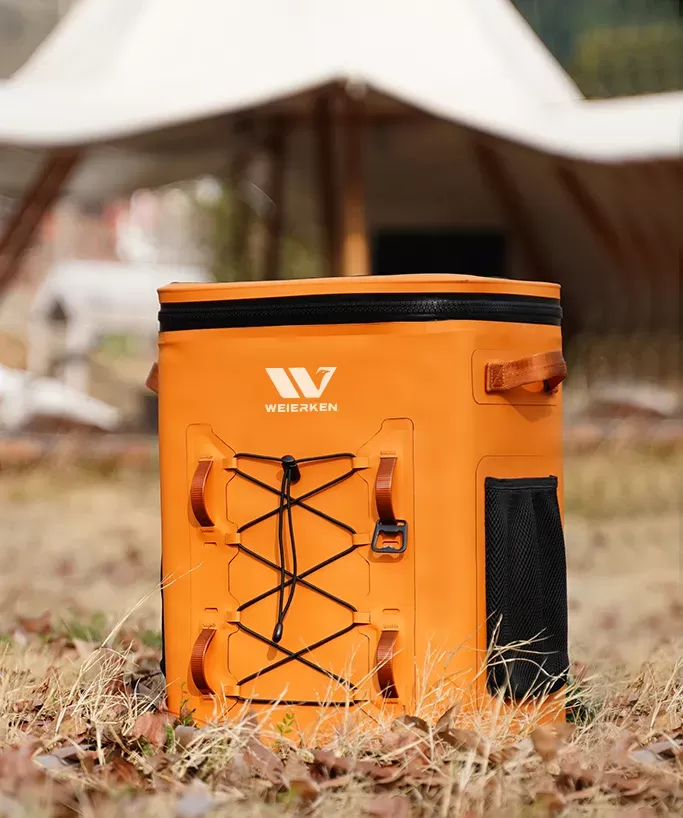
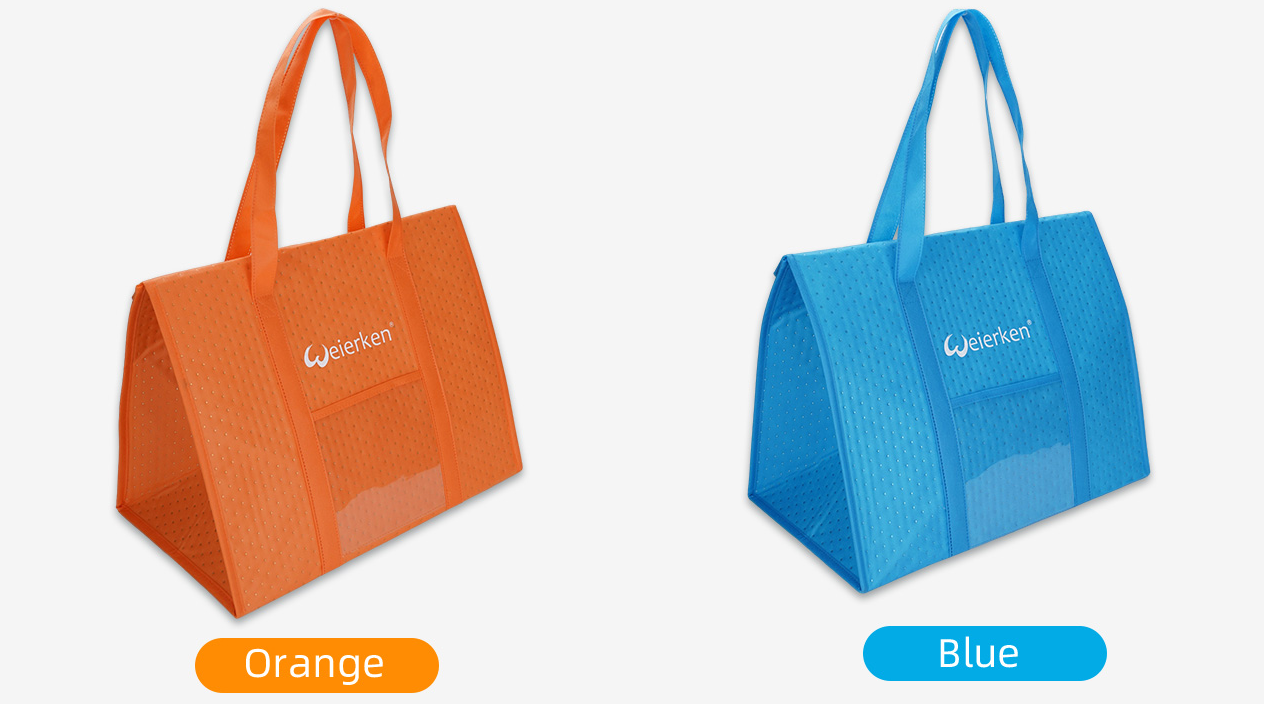
Brands are shifting toward sustainable insulated frozen dog food bags. Modern textile engineering now allows packaging designers to build cold-chain shippers from recycled plastic bottles (rPET) and compostable plant fibers. Contract manufacturers like Weierken lead this transition, building reusable, thermally stable packaging that satisfies both cold-chain audits and eco-conscious dog owners.
Why Traditional Cold Chain Packaging Fails Fresh Pet Food Brands
Expanded polystyrene served the refrigerated shipping industry well for fifty years. However, changing consumer demands and rising freight costs have exposed its structural weaknesses.
Storage Inefficiencies: Rigid foam coolers consume massive warehouse space. They ship empty on full truckloads, forcing brands to pay to transport trapped air.
High Breakage Rates: Rigid EPS cracks under shock during last-mile courier handling. A single fracture destroys the thermal boundary and causes premature thawing.
Severe Customer Backlash: Pet parents prioritize canine wellness and planetary health. Forcing customers to break down squeaky, toxic foam coolers drives subscription cancellations.
Municipal Disposal Bans: Cities and states across North America and Europe continue to outlaw single-use polystyrene packaging in commercial waste streams.
Transitioning to flexible insulated frozen dog food bags solves these warehouse and retention bottlenecks. Soft-sided thermal pouches store flat, taking up to 75% less footprint on warehouse racks compared to rigid coolers.
Material Science: RPET vs. Biodegradable Solutions
Building an eco-friendly thermal barrier requires selecting the right core substrate. Today's commercial markets rely on two main green alternatives to petroleum-based plastics.
1. Recycled Polyethylene Terephthalate (rPET)
RPET takes discarded single-use plastic water bottles and cleans, flakes, and melts them into polymer chips. Mills spin these chips into heavy-duty yarn to weave abrasion-resistant fabrics such as 600D or 900D polyester.
Using rPET for the outer shell of insulated frozen dog food bags yields tangible environmental and structural benefits:
Global Recycled Standard (GRS) Verification: Brands can certify the exact origin and percentage of recycled ocean-bound and post-consumer plastics.
Mechanical Strength: Woven rPET provides high puncture and tear resistance, essential for containing frozen bone fragments and sharp pouch edges.
Closed-Loop Reusability: An rPET bag can survive dozens of delivery cycles in a circular return-and-refill delivery system.
2. Biodegradable and Compostable Plant Liners
For brands operating traditional one-way delivery routes where package returns are not practical, biodegradable thermal liners offer an effective option. These mailers rely on agricultural byproducts and plant polymers.
Cornstarch-Based PLA: Polylactic acid films provide water-resistant barriers that break down in commercial composting environments within 90 to 180 days.
Recycled Cotton and Jute Batting: Repurposed denim and natural plant fibers provide thermal resistance comparable to synthetic foams while remaining completely compostable.
FSC-Certified Kraft Honeycomb Paper: Traps dead air pockets between paper layers to create a surprisingly effective barrier against heat radiation.
Thermal Retention: Keeping Pet Food Below Freezing
Can an eco-friendly fabric match the thermal insulation of an EPS foam wall? Yes, provided the manufacturer optimizes the internal insulation stack.
Fresh-frozen dog diets must withstand transit windows lasting between 24 and 72 hours. During this period, heat enters packaging through three primary mechanisms: conduction, convection, and radiation. High-performance insulated frozen dog food bags counter all three.
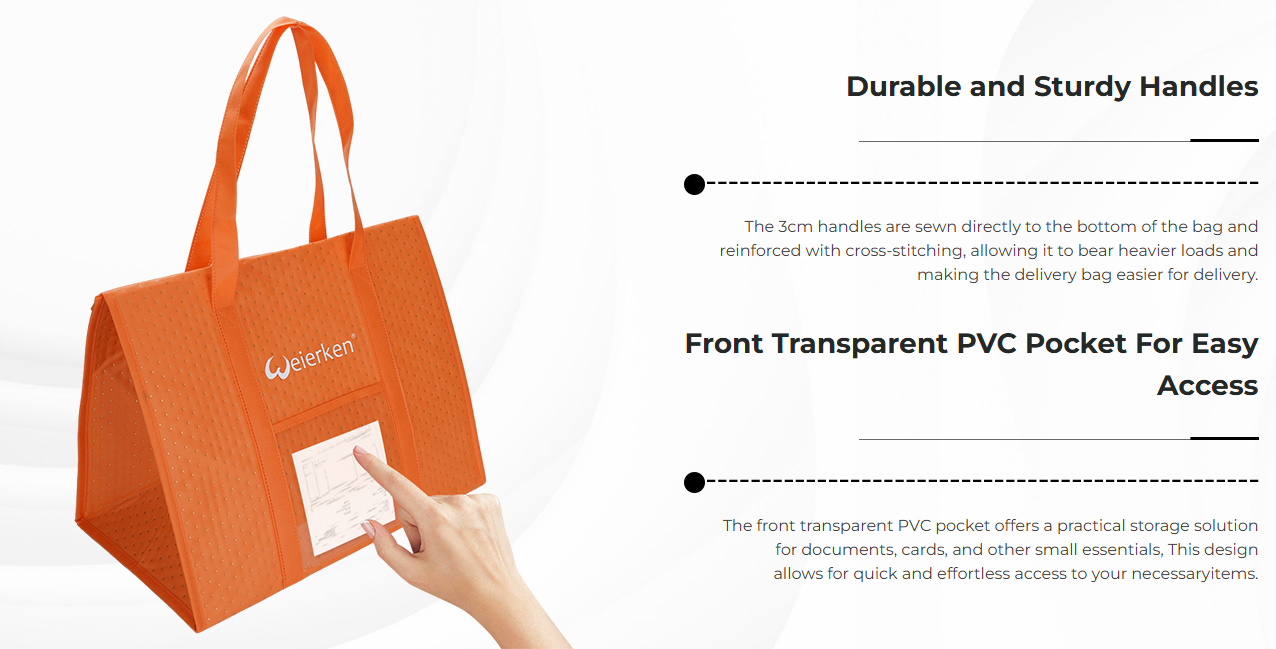
Thermal Radiation Barrier: A metallized inner lining reflects up to 97% of radiant heat waves away from the frozen contents.
Conduction Control: High-density closed-cell foams (including recycled EVA and EPE) minimize heat transfer between ambient air and the interior pack.
Convection Sealing: Airtight closures, including heavy-duty hook-and-loop flaps and waterproof zippers, prevent ambient air drafts from penetrating the package.
When combined with calculated amounts of dry ice or sub-zero phase change gel packs (PCMs), a properly engineered insulated frozen dog food bag reliably maintains temperatures below -4°F (-20°C) across extreme seasonal transit routes.
Engineering Defrost-Proof and Leakproof Enclosures
Raw pet food packaging demands far stricter sanitation rules than human ready-to-eat meals. Raw beef, poultry, and fish portions shed moisture and organic juices when condensation forms on pouch surfaces.
If bloody fluids seep into regular stitched seams, bacterial growth begins inside the bag walls. This causes dangerous odors and health hazards that ruin packaging for reuse.
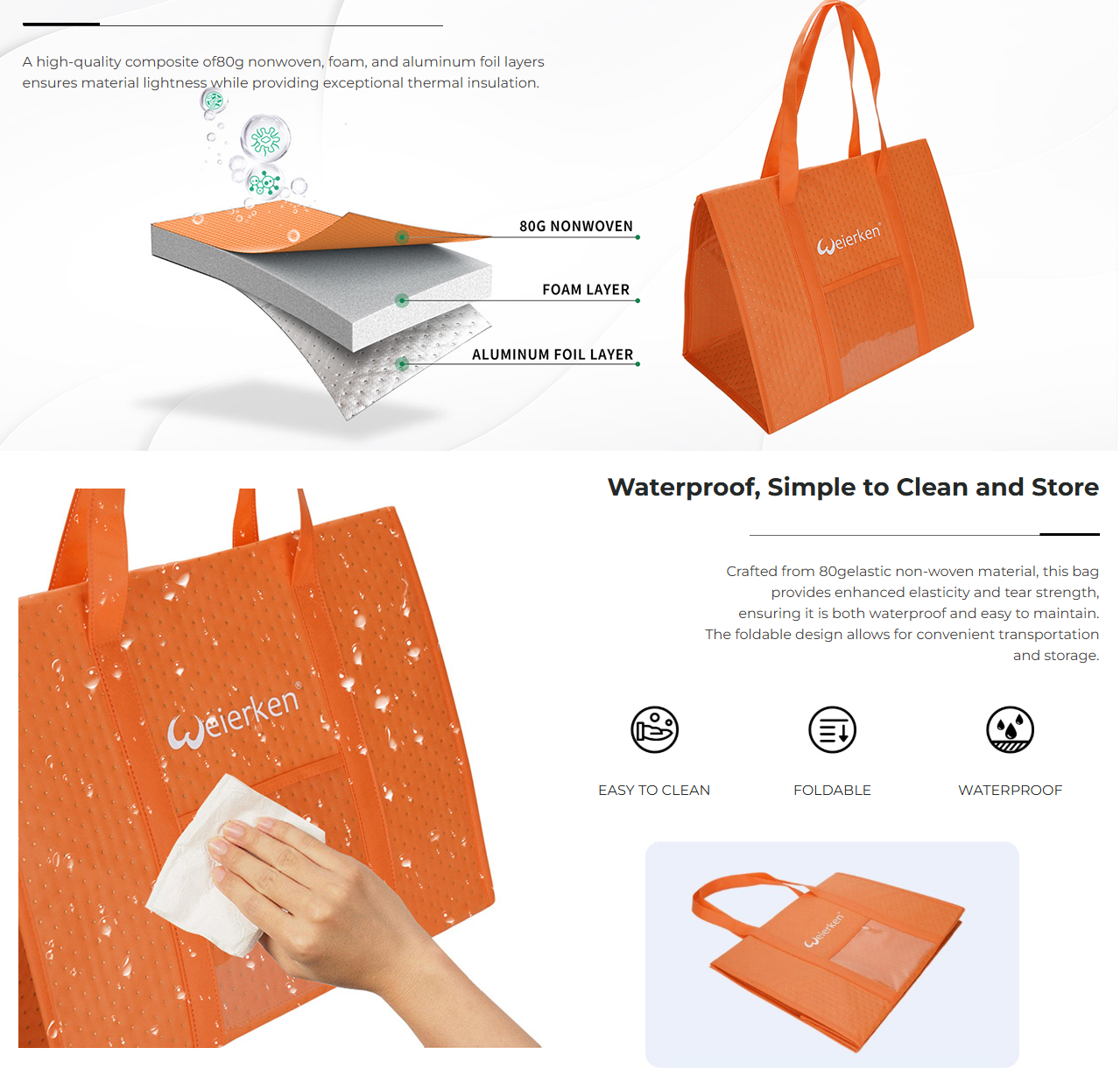
High-frequency (HF) ultrasonic welding solves this problem. Specialist manufacturers, including Weierken, heat-seal the interior liners rather than puncturing them with sewing needles. Using heavy-duty, food-grade PEVA or TPU films creates a continuous tub that holds defrost run-off without leaking a single drop into transit trucks.
These interior liners wipe clean with food-safe sanitizing sprays in seconds, preparing the container for immediate repacking and redeployment.
The Unit Economics of Circular Packaging Programs
Many procurement teams hesitate when looking at the upfront unit cost of premium insulated frozen dog food bags. A heavy-duty rPET bag costs significantly more to manufacture than a basic cardboard box paired with a low-grade foam cooler.
However, calculating the total cost per delivery trip reveals that circular systems provide superior return on investment (ROI):
Single-Use Packaging: A corrugated box, foam cooler, and liner cost approximately $4.00 to $6.00 per shipment. That money is discarded with every delivery.
Reusable rPET Cooler Bags: A custom, durable bag might cost $14.00 to $20.00 to produce. In a managed loop system that achieves 40 delivery cycles, the packaging cost drops to roughly $0.35 to $0.50 per shipment.
Beyond packaging savings, circular bags lower storage fees. Reusable bags collapse flat, reducing inbound transport costs and warehouse handling hours. Customers simply leave the flattened bag on their doorstep for the local courier to collect during the next delivery drop.
Key Testing Protocols for Pet Food Thermal Bags
Before launching a commercial fleet of custom bags, run rigorous laboratory and field stress tests. Never risk inventory on unverified supplier claims.
ISTA-7D Thermal Testing: Subject packaged test bags to simulated seasonal temperature curves inside calibrated environmental chambers to verify 48-hour cold hold times.
Low-Temperature Flex Cracking: Dry ice hits -109.3°F (-78.5°C). Sub-zero temperatures make poor plastics brittle. Ensure your supplier tests liner materials to verify they will not crack under dry ice exposure.
Tensile and Drop Validation: Fill bags to maximum capacity (often 20 to 40 pounds of frozen pet food) and execute consecutive drops from 4 feet onto flat concrete to confirm handle and seam strength.
Sourcing from Certified Manufacturing Partners
Scaling a reliable cold-chain packaging program requires a capable manufacturing partner with verified technical expertise and diversified factory locations.
Working with a supplier that maintains dual facilities in China and Southeast Asia (such as Cambodia) helps brands manage global trade risks. This setup provides legal tariff exemptions for exports shipped to North American and European markets while maintaining large-scale production capacity.
Look for suppliers holding third-party certifications including BSCI for ethical labor, GRS for verified recycled plastics, and ISO 9001 for quality control. Precision prototyping facilities should deliver structural sample bags within 3 to 7 business days, allowing you to test fitments before placing volume purchase orders.
Frequently Asked Questions (FAQ)
Q1: Can insulated frozen dog food bags keep raw meat solid for 48 hours?
A1: Yes. When built with high-density closed-cell insulation (8mm to 10mm thickness), radiant barrier foils, and paired with the correct ratio of dry ice or -16°C phase change gel packs, these bags keep raw pet food completely frozen for 48 to 72 hours across hot summer conditions.
Q2: What is the minimum order quantity (MOQ) for custom branded rPET cooler bags?
A2: Standard factory production runs for fully customized insulated frozen dog food bags generally start between 500 and 1,000 units. This volume allows full pantone fabric dyeing, custom dimension molding, and multi-color logo printing while maintaining low unit production costs.
Q3: Are rPET cooler bags safe for direct contact with frozen pet food?
A3: Yes. While outer bag shells use recycled rPET yarn, the inner waterproof lining uses virgin, food-grade PEVA, TPU, or aluminum films that comply fully with FDA and REACH chemical safety standards. These materials are free from BPA, phthalates, and harmful heavy metals.
Q4: How do subscription brands sanitize reusable delivery bags between customer drop-offs?
A4: Seamless, heat-welded liners allow warehouse staff to clean bags quickly. Fulfillment centers use food-safe quaternary ammonium sanitizers or peroxide-based sprays, wipe the surface dry with a microfiber cloth, and restock. The smooth liner surfaces prevent bacteria and meat fluids from sinking into internal padding.
Q5: How do biodegradable liners compare to rPET fabric bags in cost and performance?
A5: Biodegradable liners (such as cotton batting or starch films) work best for one-way nationwide parcel shipping where collecting empty bags is impossible. They carry lower upfront costs per unit than reusable fabric bags, but they are single-use. Reusable rPET bags have a higher upfront cost but deliver a substantially lower cost per shipment over multi-turn delivery cycles.
Q6: Can dry ice be placed directly inside insulated frozen dog food bags?
A6: Direct dry ice contact can freeze-burn and crack standard low-grade PVC linings. Specify cold-resistant TPU or multi-layer PEVA liners designed for cryo-temperatures, or wrap dry ice packs in protective craft sleeves to avoid direct surface abrasion.
Scale Your Cold-Chain Logistics with Weierken
Moving away from single-use polystyrene foam is one of the most effective ways to lower overhead, satisfy sustainability mandates, and improve subscriber retention for fresh pet diets. Modern pet parents notice the details. Upgrading to durable, environmentally responsible packaging turns routine deliveries into a powerful brand statement.
Weierken designs and manufactures commercial-grade, custom insulated frozen dog food bags for leading cold-chain brands worldwide. Backed by twenty years of bag engineering expertise, a dual-factory production footprint in China and Cambodia, and an average 99.5% quality inspection pass rate, our team provides turn-key manufacturing from rapid 3-day prototyping to door-to-door (DDP) freight delivery.
Stop wasting money on bulky, breakable foam shippers. Contact the Weierken engineering team today to request a quote and order custom sample bags built for your frozen dog food products.