
In the world of pharmaceutical logistics, there is zero margin for error. When transporting vaccines, biological reagents, or clinical samples, a temperature deviation from the required 2~8°C or -15~-25°C range can be catastrophic. Even a few minutes of exposure to ambient heat can render a life-saving drug useless, leading to massive financial losses and patient risks.
A standard insulated bag is simply not enough for these high-stakes applications. You need a medical cooling bag factory that understands the rigors of the cold chain. Weierken specializes in bridging the gap between basic insulation and medical-grade thermal protection. Choosing an OEM partner with certifications like ISO 13485 and GMP ensures your products remain safe from the laboratory to the patient.
Here are the five primary benefits of partnering with a certified medical cooling bag factory for your specialized OEM needs.
1. Verified Thermal Performance and Data-Driven Validation
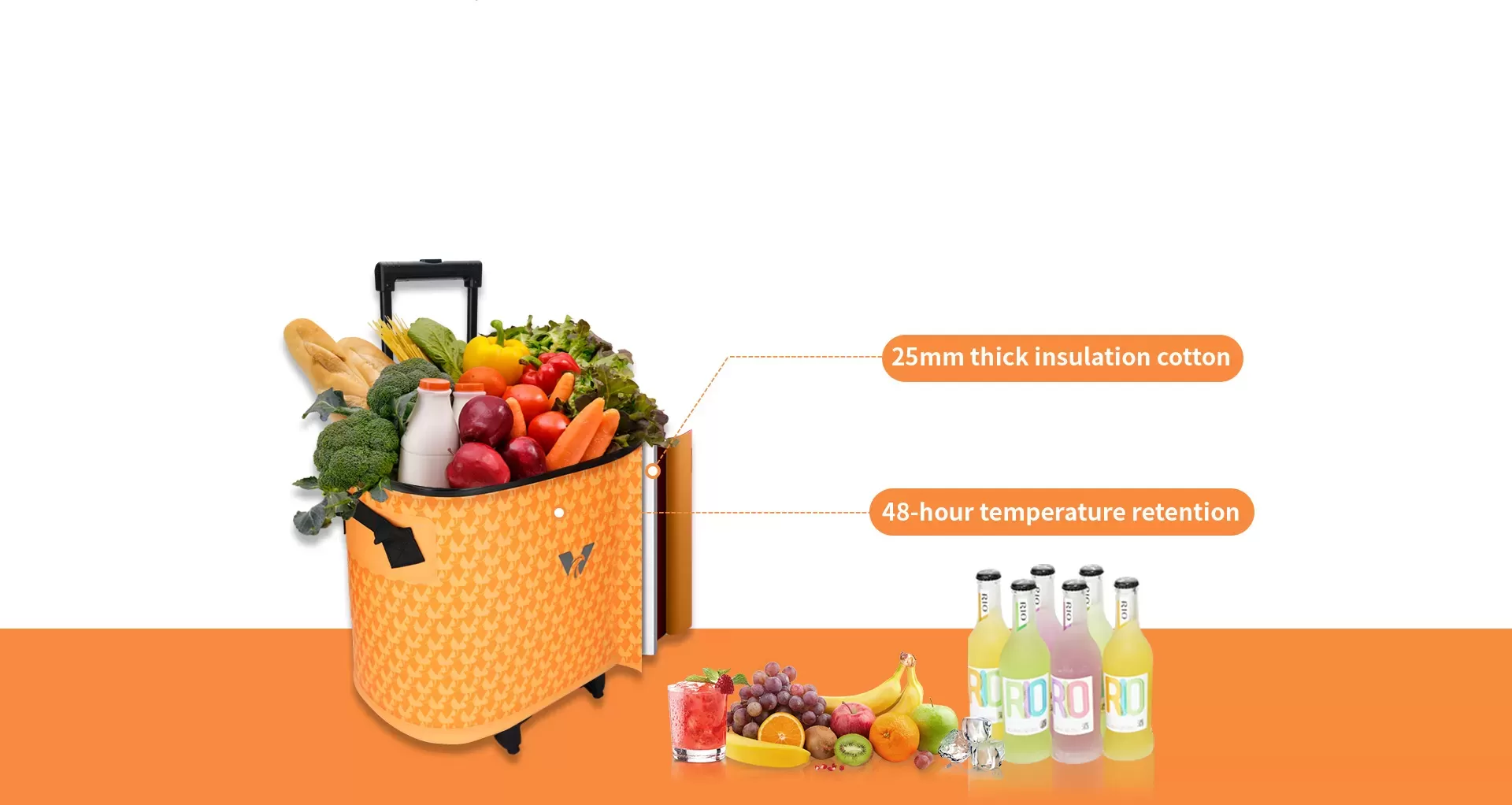
A certified medical cooling bag factory does not rely on guesswork. They provide "validated performance" rather than "estimated insulation." When you order a custom cooling solution, you receive documented evidence that the bag performs under stress. This data is critical for quality assurance and regulatory audits.
Professional factories utilize sophisticated testing protocols, including:
Temperature Curve Testing: Using environmental chambers to simulate extreme summer and winter conditions. The factory records how long the internal temperature stays within the target range (e.g., 2~8°C for over 24 hours).
Phase Change Material (PCM) Integration: Instead of simple ice packs, they use Phase Change Materials with specific melting points like 5°C or -20°C. The factory provides enthalpy reports to prove the energy storage capacity.
ISTA 7D Simulation: High-end manufacturers offer third-party simulation tests that combine vibration, shock, and temperature cycling. This mimics the actual journey of a package through global courier networks.
For B2B clients, this service is invaluable. It eliminates the need for you to conduct expensive internal thermal testing. By receiving a validation data package with every batch, you reduce the risk of insurance claims resulting from temperature excursions. Weierken ensures that every design meets these rigorous analytical standards before mass production begins.
2. Compliance with Medical Industry Quality Systems (ISO 13485 & GMP)
General bag suppliers might claim their quality is "good," but a specialized medical cooling bag factory has the certifications to prove it. These standards are not just trophies; they dictate every step of the manufacturing process. Working with a factory that adheres to ISO 13485 means they prioritize risk management and product safety above all else.
Key compliance advantages include:
GMP Cleanroom Production: Manufacturing takes place in controlled environments to prevent dust, microbes, or particulates from contaminating the medical cooling bags. This is essential for products used in surgical or clinical settings.
GDP (Good Distribution Practice) Alignment: The factory maintains records that align with GDP standards, ensuring that the materials used are handled correctly throughout the supply chain.
Strict Change Control: A certified factory cannot swap materials without your written consent. If they change the supplier for the TPU lining or the EPE foam, it must go through a formal approval process.
For your brand, this level of oversight simplifies the vendor auditing process. Many pharmaceutical giants require their partners to use ISO 13485 certified suppliers. By partnering with a medical cooling bag factory like Weierken, you bypass many of the hurdles involved in medical-grade procurement.
3. Robust Traceability and Batch Management Systems
If a batch of biological samples is compromised, you must be able to trace the root cause. A certified medical cooling bag factory maintains a comprehensive traceability system. Every component, from the zipper to the PCM coolant, has a digital footprint.
This systematic approach includes:
Unique Batch Coding: Every cooling bag or shipping carton is marked with a lot number and production date. This allows for rapid identification in the event of a quality inquiry.
Raw Material Tracking: Through the batch number, the factory can pull IQC (Incoming Quality Control) records for the specific roll of fabric or the chemical composition of the thermal insulation used.
Retention Sample Policy: High-quality factories keep 3 to 5 samples from every order in a controlled environment for a specified period. If a customer reports a failure months later, the factory can re-test the original sample to determine if the issue was a manufacturing defect or user error.
This level of accountability protects your brand's reputation. It allows you to provide clear answers to your clients if a cold chain failure occurs. Knowing that your medical cooling bag factory tracks every stitch and seal gives you peace of mind during large-scale distributions.
4. Specialized Medical Features and Custom Hardware
Clinical environments present unique challenges that standard bags cannot handle. An experienced medical cooling bag factory designs features specifically for doctors, nurses, and lab technicians. These ergonomic and functional details improve the efficiency of last-mile delivery.
Consider these medical-specific OEM customizations:
Anti-Tip and Securing Straps: Internal compartments designed to keep vaccine vials upright. This prevents the vials from coming into direct contact with frozen PCM packs, which could accidentally freeze the medicine.
Integrated Data Logger Pockets: Pre-sewn windows or internal sleeves specifically for Bluetooth or USB temperature loggers. This ensures the sensor is placed in the optimal position for accurate readings.
Low-Temperature Resilience: Standard zippers and plastics become brittle and crack at -20°C. A medical cooling bag factory uses cold-resistant TPU and specialized zippers that remain flexible even in deep-freeze conditions.
Autoclave Compatibility: For reusable clinical bags, the factory can provide materials that withstand steam sterilization at 121°C without losing structural integrity.
Weierken works closely with clients to integrate biohazard symbols and multi-language instructional labels directly into the fabric. These details ensure that the insulated vaccine carrier is used correctly and meets international safety standards for biological sample transport.
5. Global Regulatory Support and Export Documentation
Exporting medical devices or pharmaceutical accessories involves complex paperwork. A medical cooling bag factory with global experience acts as a consultant for these regulations. They help you navigate the MDR (Medical Device Regulation) in Europe or FDA requirements in the United States.
Your OEM partner should assist with:
Certification Packs: Providing CE marks and Declaration of Conformity documents required for customs clearance in various regions.
Chemical Safety Compliance: Ensuring all materials meet REACH and RoHS standards. This proves that the bag contains no hazardous substances that could leach into the medical environment.
FDA Master Files: Assisting with the Drug Master File (DMF) or providing equipment lists that help you complete your import declarations in the US.
WHO PQS Standards: For international aid projects, the factory can produce bags that comply with World Health Organization PQS specifications for cold chain equipment.
By leveraging the regulatory expertise of your medical cooling bag factory, you reduce the risk of shipments being seized by customs. You also significantly shorten the time it takes to bring a new product to a global market. Weierken provides the technical files necessary to satisfy the most stringent international inspectors.
A Strategic Partnership for Life-Saving Logistics
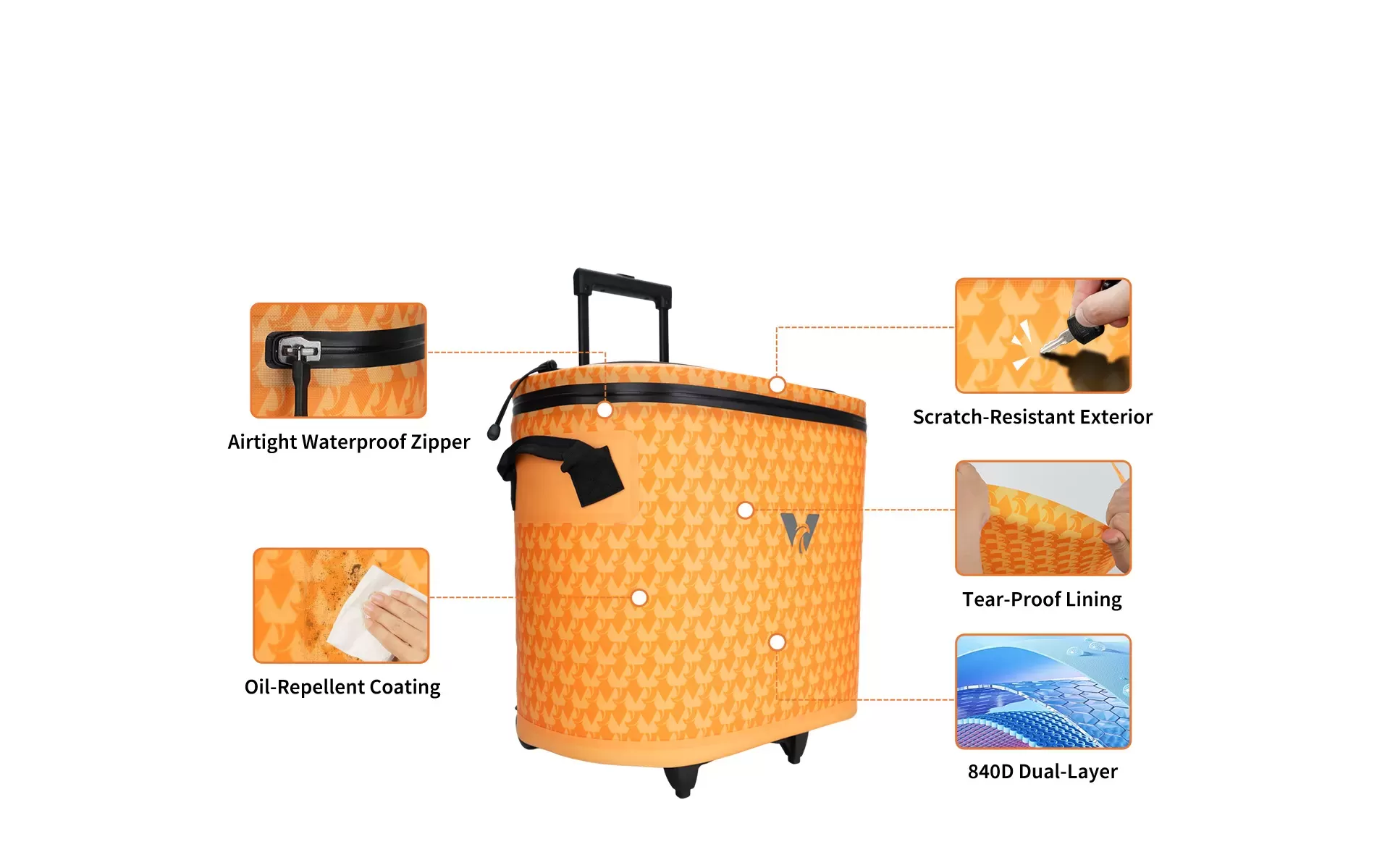
Choosing the right medical cooling bag factory is a strategic decision that affects the safety of your products and the health of the end-user. The benefits of certified OEM services go far beyond simple manufacturing. You are investing in thermal validation, regulatory compliance, and a traceable supply chain.
Whether you are transporting sensitive biologicals across the city or shipping vaccines across the ocean, Weierken provides the engineering excellence required for medical cold chain success. We don't just make bags; we build thermal barriers that protect lives. Partnering with a specialist ensures that your temperature-sensitive shipments arrive in perfect condition, every single time.
Request a Professional Consultation
Are you looking for a medical cooling bag factory that can provide documented validation and ISO 13485 compliance? Weierken is ready to support your next pharmaceutical project with custom-engineered solutions.
Contact our technical team today to discuss your specific temperature requirements and request an OEM quote.
Send Your Inquiry NowFrequently Asked Questions (FAQ)
1. How long can a medical cooling bag maintain 2-8°C?
The duration depends on the thermal insulation thickness and the volume of Phase Change Materials used. A high-performance bag from a professional medical cooling bag factory can typically maintain 2-8°C for 24 to 72 hours, even in ambient temperatures of 35°C. We can customize the design to meet your specific transit times.
2. What is the difference between a standard cooler bag and a medical one?
Medical bags are built to GMP standards and undergo thermal validation. They use medical-grade linings that are easy to disinfect and high-enthalpy PCMs that provide much more stable temperature control than standard ice packs. They also feature pockets for data loggers and specialized hardware for clinical use.
3. Can the factory help me with FDA or CE certification?
Yes. A specialized medical cooling bag factory provides the technical documentation, material safety data sheets (MSDS), and biocompatibility reports needed for these certifications. Weierken assists clients in preparing the technical files required for medical device registration in various global markets.
4. Do you offer custom sizes for biological sample transport?
Absolutely. As an OEM-focused medical cooling bag factory, we can manufacture bags ranging from small handheld insulin pouches to large-scale vaccine transport chests. We can also customize the internal configuration with partitions designed for specific test tubes or blood bags.
5. Is it possible to integrate digital temperature monitoring?
Yes, we specialize in data logger integration. We can design the bag with external clear windows for easy viewing of digital displays or internal pouches that protect Bluetooth-enabled sensors. This allows for real-time monitoring of the cold chain without opening the bag and compromising the internal temperature.
6. What materials are used for the insulation core?
We typically use High-Density EPE Foam, PU (Polyurethane), or for ultra-high performance, Vacuum Insulation Panels (VIP). The choice depends on your required thermal resistance and the weight constraints of your logistics model.