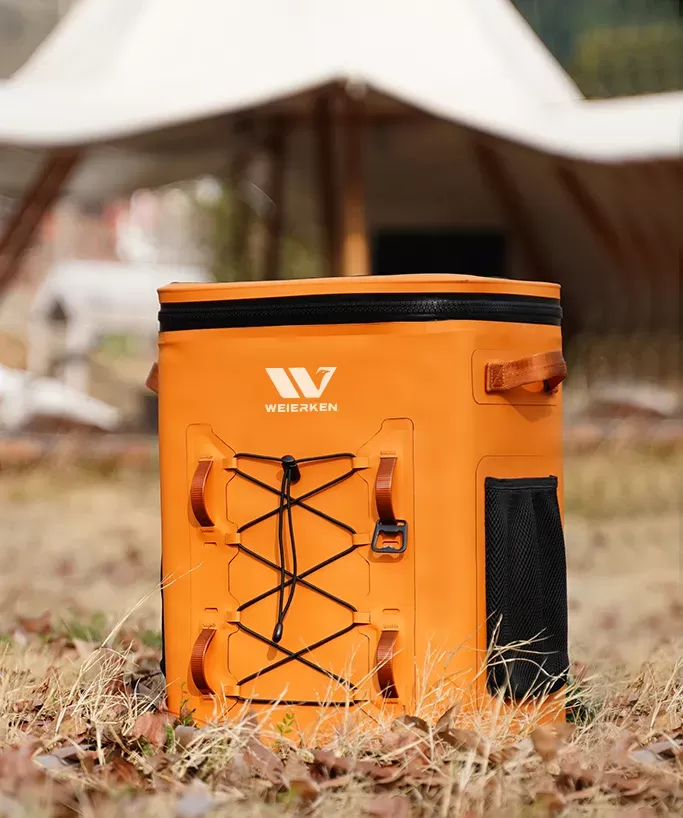

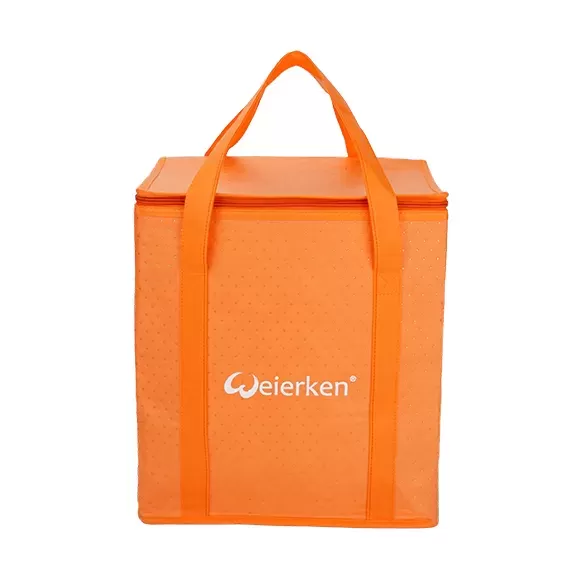
Rising packaging costs and strict corporate sustainability mandates are forcing direct-to-consumer (D2C) food services to rethink single-use materials. Gel packs, bubble mailers, and corrugated boxes pile up in consumer homes, creating friction and driving up unit costs.
Forward-thinking meal delivery companies are switching to closed-loop pickup and return models. By 2026, the success of these programs relies directly on procurement choices. Brands need carriers that survive repeated washings, protect delicate food containers, and comply with international trade rules.
Sourcing reliable reusable bags for prepared meal brands requires balancing thermal retention, circular materials, and customs duties. With two decades of custom bag manufacturing experience, Weierken operates production facilities in both China and Cambodia to deliver durable, cost-effective commercial packaging to global markets.
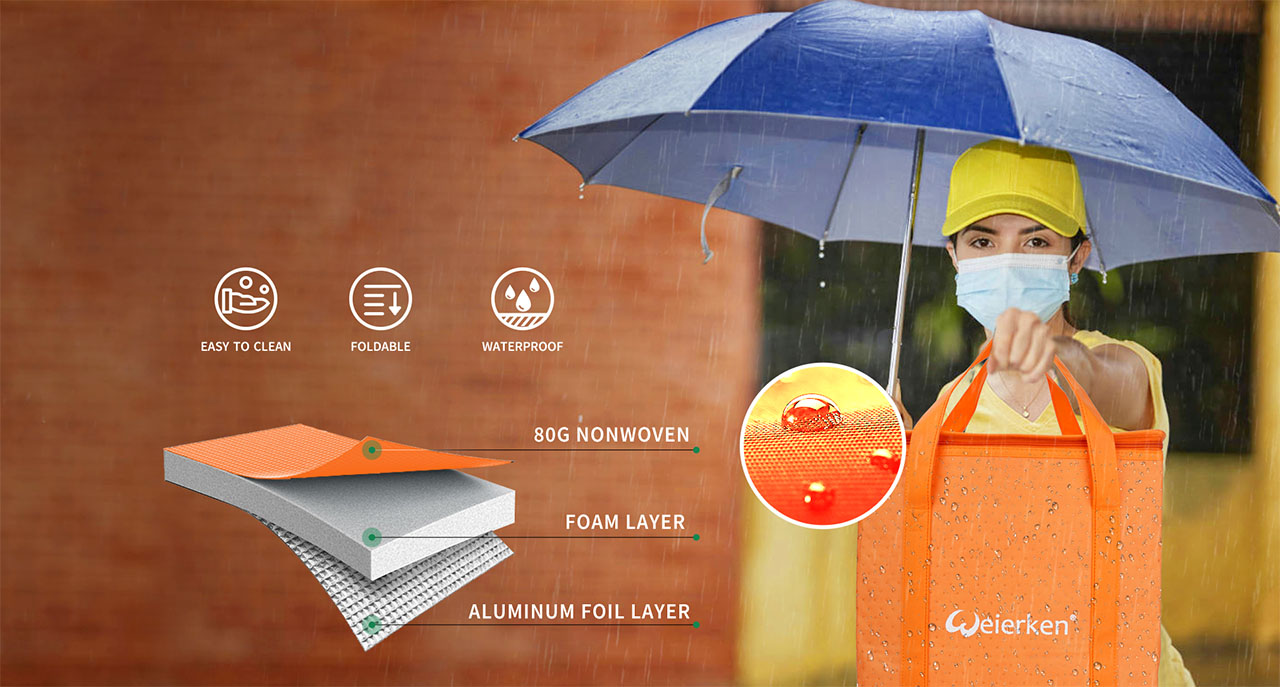
Key Trends Driving Meal Delivery Packaging for 2026
The transition from single-use packaging to reusable thermal carriers is no longer an experiment. It is a margin-protection strategy driven by three structural market shifts:
Extended Producer Responsibility (EPR) Laws: Regulatory bodies across North America and the European Union now penalize excessive single-use waste, making durable transport containers cheaper over 50 delivery cycles.
Strict Temperature Compliance: Maintaining cold chain integrity between 32°F and 40°F (0°C to 4°C) for up to 36 hours requires advanced insulation and airtight seals.
Supply Chain Geopolitics: Shifting tariffs mean packaging buyers must look beyond single-country sourcing to secure reliable, duty-advantaged manufacturing lines.
Below are the top five commercial insulated bag styles prepared meal providers should evaluate for their 2026 packaging programs.
Top 5 Insulated Reusable Bags for Prepared Meal Brands
1. The Eco-Flagship rPET Thermal Tote
Modern consumers inspect their packaging closely. This sustainable tote targets meal subscription brands that want visible environmental credentials without sacrificing cold chain safety.
Materials and Build:
Outer Shell: 100% GRS-certified post-consumer recycled PET (rPET) fabric with a water-resistant fluorocarbon-free coating.
Insulation: 8mm to 10mm high-density thermal foam engineered to resist compression.
Lining: Seamless, heat-sealed food-grade PEVA that stops liquids from penetrating the insulation core.
Performance: Maintains safe internal temperatures for 4 to 6 hours when paired with standard ice blankets.
Weierken Advantage: Weierken provides full chain-of-custody documentation under Global Recycled Standard (GRS) and REACH compliance. This ensures your sustainability claims stand up to third-party audits and consumer scrutiny.
2. Multi-Compartment Stackable Meal Prep Bag
Subscription models that mix hot meal trays with chilled juices or crisp salads face constant cross-temperature challenges. This multi-zone bag solves that problem through flexible internal organization.
Materials and Build:
Modular Interior: Removable, insulated dividers secured by commercial-grade hook-and-loop fasteners to create custom thermal zones.
Anti-Tilt Stability: Integrated elastic hold-down straps lock meal containers in place, preventing sauces from spilling during transit.
Exterior: Abrasion-resistant 600D polyester with heavy-duty bound perimeter seams.
Spill Control: Heat-welded inner pockets prevent sauce leaks from spreading between compartments.
Weierken Advantage: Complex interior layouts often suffer from weak anchor points. Weierken’s engineering team reinforces divider joints and stress seams to ensure they withstand commercial dishwashing and daily field use.
3. Commercial Heavy-Duty Courier Backpack
For brands operating in-house delivery fleets or partnering with urban bike couriers, lightweight retail totes will not survive the job. This bag functions as industrial transport equipment designed for high-frequency daily routes.
Materials and Build:
Outer Shell: 500D waterproof PVC tarpaulin that cleans with a simple surface wipe.
Ergonomics: Padded mesh shoulder straps, chest stabilizers, and breathable lumbar padding to reduce courier fatigue.
Safety: 360-degree reflective piping for night visibility in heavy traffic.
Structure: Rigid internal composite panels prevent the pack from collapsing onto fresh food packages.
Weierken Advantage: Courier bags face extreme handling. Weierken maintains a 99.5% first-pass inspection rate, reinforcing all handle mounts with box-X stitching to eliminate ripped straps during rush-hour deliveries.
4. Foldable & Collapsible Cold-Chain Bag
Reverse logistics can double the cost of closed-loop systems if empty bags take up too much volume on return trips. This collapsible design solves the return-freight puzzle for direct-to-consumer meal brands.
Materials and Build:
Space Savings: Engineered fold creases let the bag collapse to under 30% of its expanded volume.
Insulation: Closed-cell micro-cellular foam laminated with radiant heat barrier foil.
Return Ready: Built-in transparent document sleeves display return shipping labels for postal or courier pickups.
Durability: Flexible perimeter frames spring back into shape after hundreds of folding cycles.
Weierken Advantage: Our rapid sample workshop produces high-precision prototypes within 3 to 7 days. This lets your operations team run physical pack-out and return trials before you commit to bulk production.
5. Rigid-Base Family-Size Catering Carrier
Delivering corporate group lunches or full weekly family meal kits requires wide, unyielding bases. Soft-bottom bags sag under load, crushing lower trays and ruining meal presentation.
Materials and Build:
Base Reinforcement: Removable, high-impact polyethylene (PE) base board distributes weights exceeding 25 kg.
Stacking Strength: Reinforced internal side battens allow multi-bag stacking in delivery vans without container damage.
Handles: Continuous wrap-around seatbelt webbing handles support heavy lifting from beneath the base.
Access: Dual-zipper, three-sided lid opens fully for quick loading on commercial pack lines.
Weierken Advantage: Drawing on 20 years of technical bag-making, Weierken calibrates the balance between base rigidity and bag weight, giving you structural stability without adding unnecessary shipping mass.
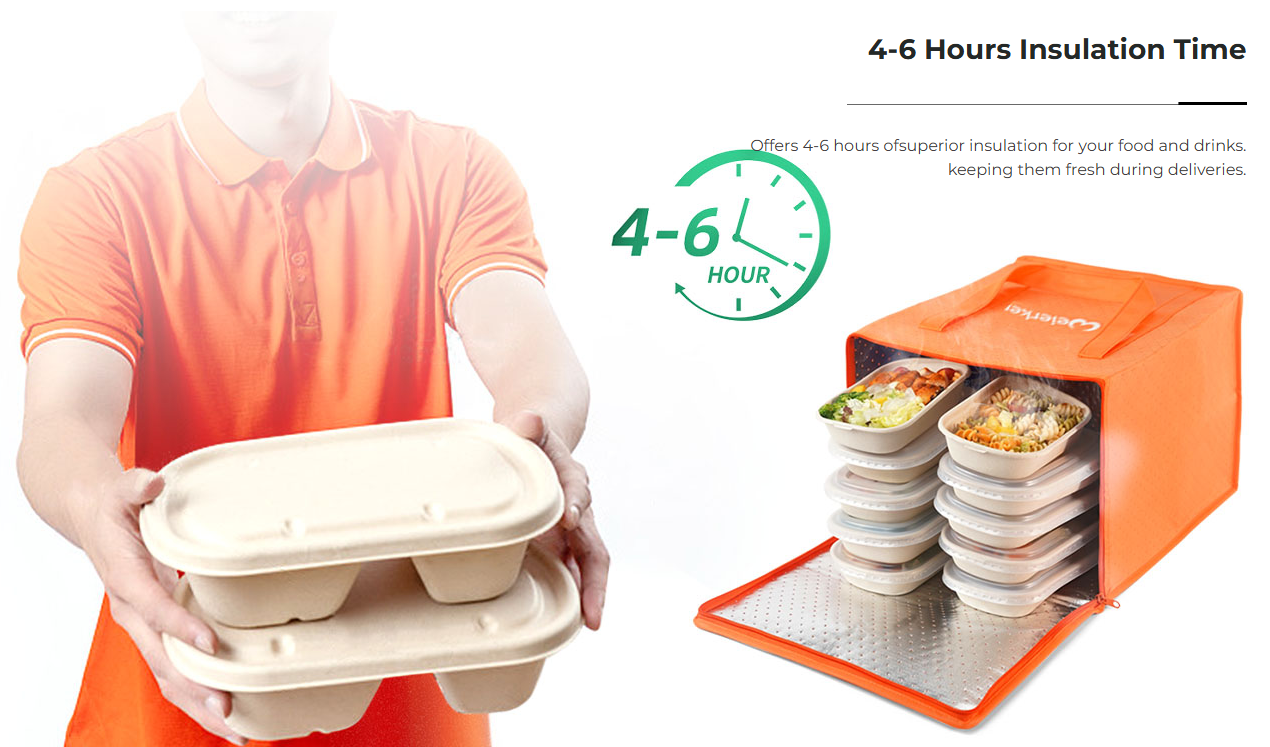
Why Global Brands Source Reusable Bags from Weierken
Selecting custom cooler bags for meal prep is an operational investment. A packaging failure interrupts the customer experience and spoils expensive food. Meal prep companies choose Weierken because our production model directly supports commercial operations.
1. Dual-Factory Resiliency & Tariff Mitigation
Trade tariffs can instantly erode procurement budgets. Weierken operates two fully equipped manufacturing hubs to shield your bottom line:
China Factory: Best for rapid product development, component sourcing, complex prototyping, and fast, flexible production runs.
Cambodia Factory: Offers strategic tariff advantages for shipments heading to the US and Europe, helping you lower landed packaging costs.
We manage full DDP (Delivered Duty Paid) shipping logistics, handling customs clearance, sea freight, and domestic drop-shipping directly to your distribution centers.
2. Market-Driven Product Engineering
Weierken does not simply sew cut fabric. Our engineering team actively resolves common meal-delivery packaging failures:
Eliminating thermal bridging along zipper lines through insulated storm flaps.
Applying leakproof, food-safe high-frequency welding to PEVA liners.
Testing tear resistance on high-stress handle joints up to 50,000 cycles.
Using anti-microbial fabric treatments that reduce lingering odors after repeated use.
Our rapid prototype workshop turns design concepts into physical test bags in 3 to 7 days, cutting your time-to-market significantly.
3. Certified Factory Standards
Food brands cannot risk their reputation on uncertified production lines. Weierken facilities run under strict quality management systems and third-party ethical accreditations, including:
ISO 9001 (Quality Management)
BSCI & SEDEX (Ethical labor standards)
GRS (Global Recycled Standard for rPET materials)
REACH & FDA compliance for food-contact materials
Frequently Asked Questions (FAQ)
Q1: How do reusable bags for prepared meal brands reduce packaging costs compared to cardboard boxes?
A1: While single-use corrugated boxes, foil liners, and bubble packs cost less upfront, brands buy them for every delivery. A durable insulated bag costs more initially but survives 40 to 80 reuse cycles. Factoring in recovery rates, brands typically lower their per-drop packaging costs by 30% to 50% over a 12-month period.
Q2: Can these custom cooler bags keep meals food-safe for over 24 hours?
A2: Yes. For extended delivery windows, we build bags with thicker closed-cell foam cores (up to 15mm), internal radiant barrier linings, and specialized ice pack pockets. When packed with the correct ratio of frozen gel packs, these multi-layer bags keep meals below 40°F (4°C) for 24 to 36 hours.
Q3: What makes rPET food delivery packaging compliant with ESG requirements?
A3: rPET fabric repurposes post-consumer plastic bottles, reducing landfill waste, oil consumption, and greenhouse gas emissions during production. Weierken provides verified GRS transaction certificates proving that the yarn used in your bags matches stated recycled-content claims.
Q4: How does sourcing through Weierken’s Cambodia factory reduce import tariffs?
A4: Shipments entering North America or European ports from China often face substantial trade tariffs. Manufacturing finished bags at our Cambodia facility qualifies your orders for lower duty rates under standard international trade programs, substantially reducing your landed costs.
Q5: How do brands manage commercial cleaning for reusable bags?
A5: Bags designed for closed-loop systems use seamless, heat-welded linings without exposed fabric stitching. This allows fulfillment teams to sanitize interiors quickly using industrial disinfectant sprays, dry steam, or antimicrobial wash-downs without trapping moisture inside the insulation.
Q6: What is the typical MOQ and lead time for custom production runs?
A6: Our typical Minimum Order Quantity (MOQ) starts at 500 to 1,000 units depending on material customization. Custom design samples take 3 to 7 days, while full bulk production runs generally ship within 30 to 45 days after design sign-off.
Prepare Your Brand for Circular Delivery in 2026
Switching to reusable bags for prepared meal brands protects your profit margins, satisfies customer demand for less waste, and safeguards your cold chain. Winning in this space requires bags engineered specifically for the rough reality of commercial delivery cycles.
Whether you need custom rPET thermal totes, modular stackable carriers, or heavy-duty courier backpacks, Weierken delivers the design precision, factory compliance, and tariff-free shipping options your business needs to grow.
Ready to upgrade your delivery packaging? Contact the packaging engineers at Weierken today to review your designs, request custom samples within 3 to 7 days, and receive a competitive DDP quote tailored to your distribution network.