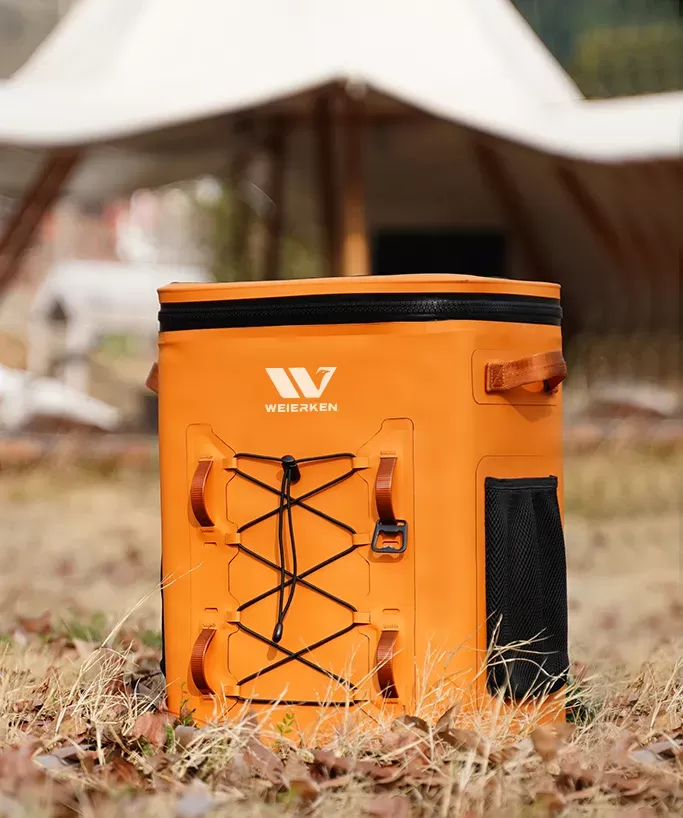

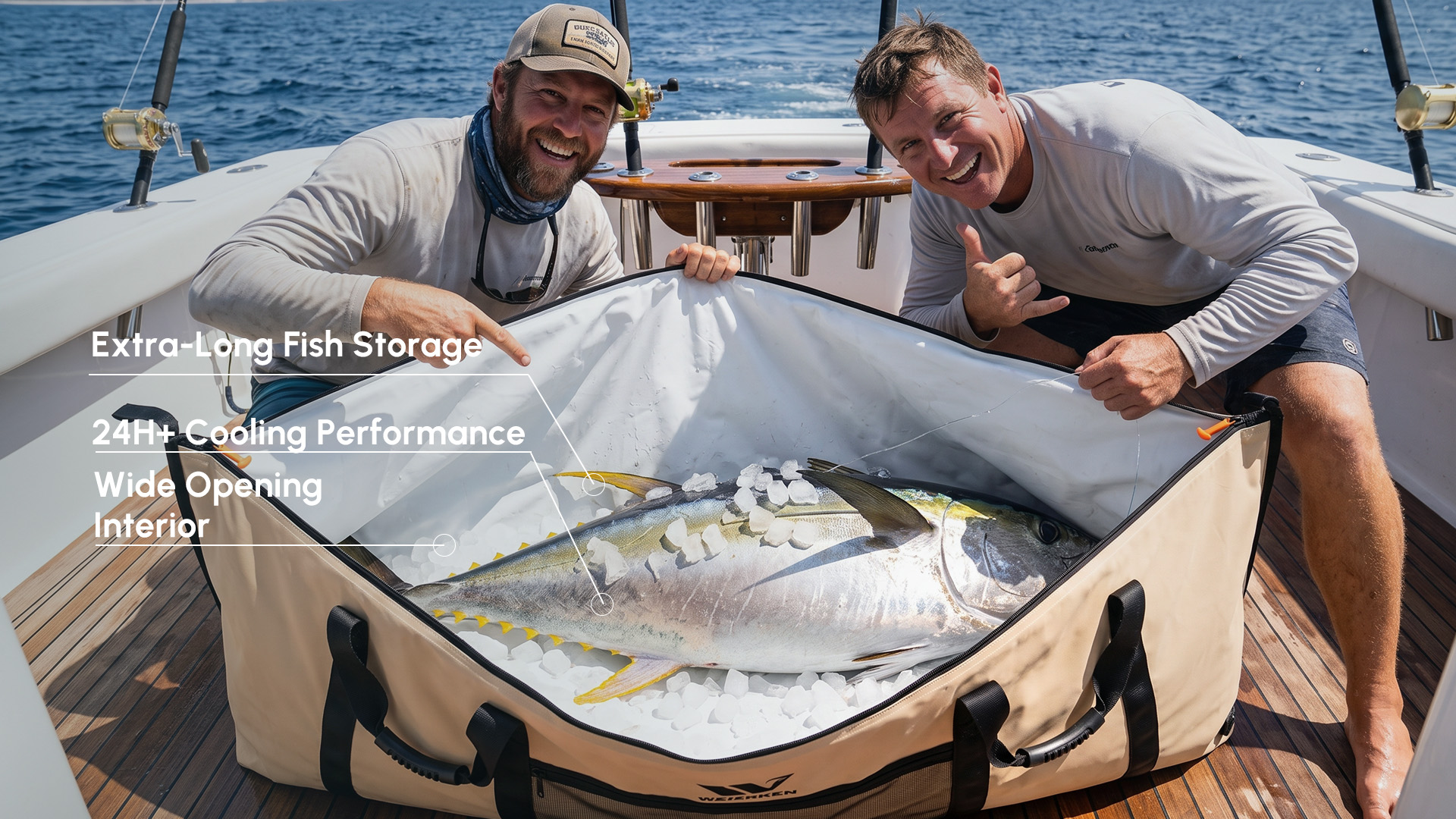
Sourcing marine-grade soft goods comes with unique risks. Unlike standard promotional coolers, an insulated fish catch bag—often called a fish kill bag—must endure some of the harshest conditions on the planet. It sits on baking boat decks under direct UV radiation, gets tossed around in saltwater washdowns, and carries heavy, thrashing game fish with razor-sharp fins and spines.
When an offshore angler buys an insulated catch bag, they expect it to hold ice for days and keep blood, brine, and odors strictly contained. If stitched seams blow out, zip closures leak into the bilge, or the insulation absorbs water and rots, the customer blames your brand, not the factory that made it.
Choosing the wrong factory can lead to disastrous warranty claims, damaged retail relationships, and expensive product recalls. For outdoor brands, marine retailers, and tackle distributors, partnering with a dependable insulated catch bag supplier is the most critical step in product line development. Leading manufacturing partners like Weierken set the benchmark for technical construction in this demanding category.
This guide highlights the five non-negotiable signs of a reliable OEM catch bag manufacturer, helping you protect your margins and build a durable product line.
1. Mastery of High-Frequency Radio Frequency (RF) Welding
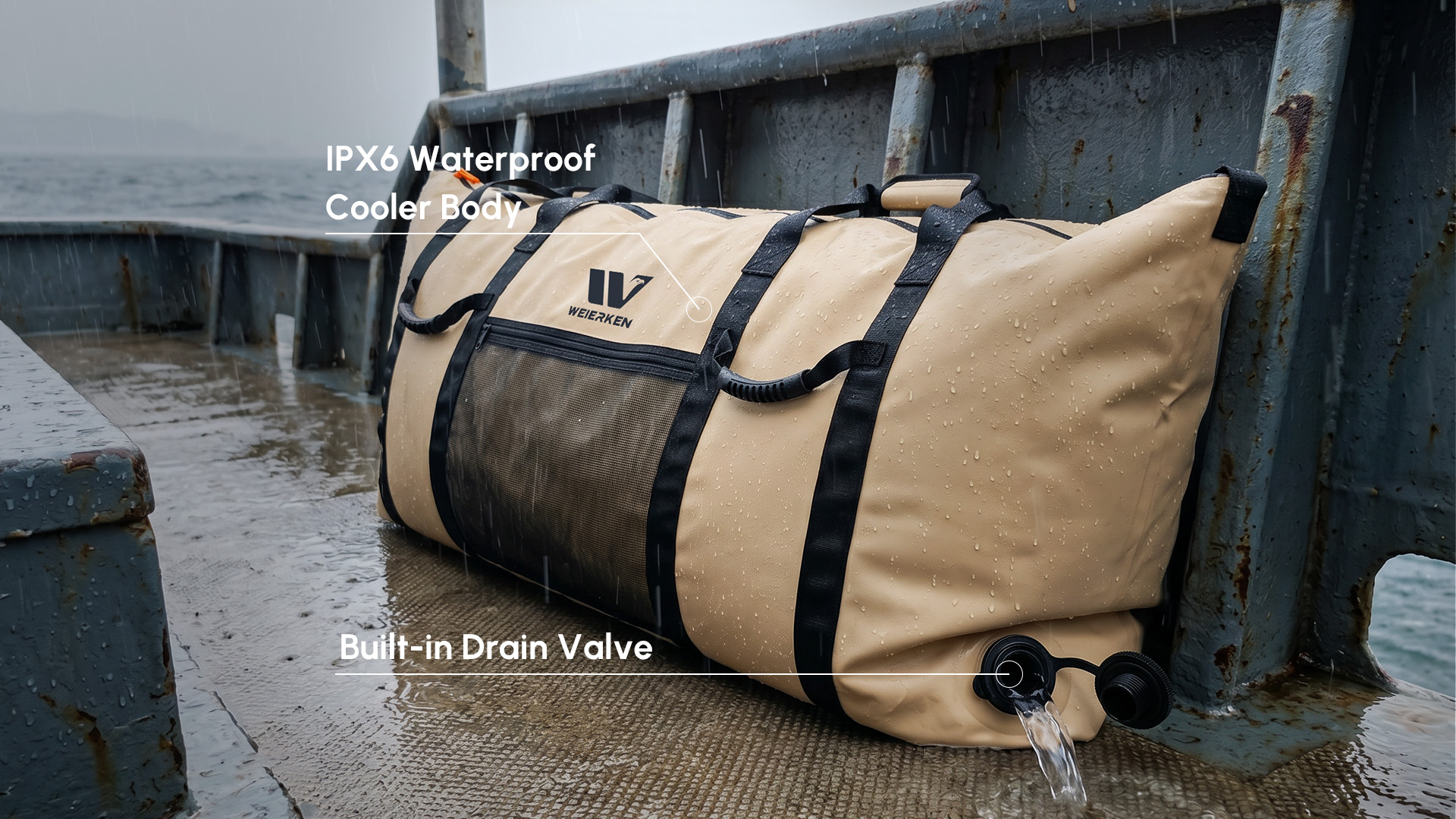
Traditional cut-and-sew manufacturing uses needles that punch thousands of tiny holes through the fabric. While stitched seams work fine for standard backpacks, they are fundamentally flawed for holding melting ice, sea brine, and fish blood. Water will eventually find those needle holes, soak into the insulation, and leak onto boat decks or car trunks.
A professional fish kill bag manufacturer relies on High-Frequency (HF) or Radio Frequency (RF) welding rather than standard sewing machines.
Molecular Fusion: RF welding uses electromagnetic energy and pressure to fuse technical fabrics—such as thermoplastic polyurethane (TPU) or heavy-gauge PVC tarpaulin—at the molecular level. This creates a permanent, monolithic bond that is 100% leakproof.
Airtight Zipper Integration: Reliable suppliers know how to weld heavy-duty, submersible IPX7 or IPX8-rated waterproof zippers directly to the bag body without relying on glue or secondary stitching.
Reinforced Stress Points: High-stress transition zones—such as drain plug housings and handle attachment anchors—require specialized high-frequency tooling to prevent delamination under heavy dynamic loads.
When auditing potential manufacturing partners, always inspect their welding machinery. A factory with dedicated high-tonnage RF welding stations and custom tooling molds can produce a truly airtight, hermetically sealed catch bag that will never leak liquid.
2. Advanced Material Engineering and Thermal R&D Capabilities
A reliable custom insulated catch bag OEM does not just buy generic off-the-shelf fabrics. They act as material consultants who understand hydrostatic head ratings, puncture resistance, and thermodynamic performance.
Closed-Cell Foam vs. Open-Cell Sponge
Low-cost factories often cut corners by using cheap open-cell polyurethane foam. Open-cell foam acts like a household sponge: once a tiny pinhole appears in the liner, the foam drinks in fish blood and water. Within weeks, the bag becomes heavy, starts breeding bacteria, and develops foul odors that are impossible to wash out.
A trustworthy supplier exclusively specifies high-density Closed-Cell Foam (such as NBR, EVA, or closed-cell polyethylene) ranging from 12mm to 25mm in thickness:
Closed-cell structures cannot absorb moisture, even if the inner lining suffers a deep puncture from a wahoo tooth or tuna fin.
It provides superior thermal resistance (R-value), maintaining ice retention for 24, 48, or even 72 hours under direct sunlight.
It maintains structural rigidity, preventing the bag from collapsing into a sloppy pile when partially filled.
Technical Fabrics and Regulatory Compliance
A reliable supplier provides verified spec sheets for both outer shells and inner liners:
Outer Shells: 840D to 1000D marine-grade TPU or heavy-duty 0.6mm-0.9mm PVC tarpaulin with anti-UV, anti-cracking, and salt-fog resistant coatings.
Inner Liners: Food-contact safe, smooth-finish TPU or puncture-resistant PVC that cleans easily and complies with FDA, REACH, and RoHS standards.
Antimicrobial Treatments: Mildew-inhibiting additives integrated directly into the polymer coatings to stop bacterial growth after long trips.
3. Multi-Factory Global Footprint and Supply Chain Resilience
Global supply chains face frequent disruptions, including shifting tariffs, port congestion, and fluctuating freight rates. Relying on a single-region factory leaves your business exposed to sudden cost increases and delivery bottlenecks.
Top-tier manufacturing operations maintain a diversified, multi-country footprint. For example, Weierken operates three modern manufacturing facilities across China and Cambodia, covering over 80,000 square meters and supported by more than 3,000 skilled workers.
Partnering with a waterproof marine bag supplier that has multi-region capacity offers distinct strategic advantages:
Tariff Optimization: Sourcing production through Southeast Asian hubs like Cambodia allows US and European brands to mitigate Section 301 tariffs, significantly lowering total landed costs.
Scalable Output: Large manufacturing footprints prevent capacity bottlenecks during peak pre-season production runs (Q4 and Q1), ensuring on-time delivery before spring fishing seasons kick off.
Vertical Material Integration: Established manufacturers maintain direct raw material pipelines, shielding your brand from unexpected fabric shortages or sudden price spikes.
4. Rigorous In-House Laboratory Testing and Strict Quality Control
Quality control for technical marine gear cannot rely on simple visual checks at the end of the line. A reputable heavy-duty catch cooler bag factory maintains an internal testing laboratory to validate materials and finished assemblies before they ship.
Ask your potential supplier if they perform the following standardized tests in-house:
Hydrostatic and 100% Water Immersion Tests: The bag is filled to maximum capacity with water and suspended for 24 to 48 hours to check every welded seam, drain valve, and zipper weld for micro-seepage.
Tensile Strength and Handle Drop Tests: Large game fish like tuna or kingfish can push bag weights past 50kg to 100kg. Reliable factories use automated tensile testing rigs to test webbing, D-rings, and heavy-duty box-stitched or welded handle patches under extreme static and dynamic loads.
Thermal Retention Chamber Tests: Calibrated environmental test chambers simulate sweltering deck conditions (35°C to 45°C) to measure exact ice-melt curves over 24- to 72-hour windows, ensuring marketing claims match real-world performance.
Salt Spray & Hardware Corrosion Tests: Zippers, drain plugs, and strap buckles are exposed to continuous salt fog (ASTM B117) to ensure they will not seize or corrode after months of saltwater exposure.
5. Proven Industry Longevity and a Strong OEM Track Record
Working with heavy-gauge PVC, technical TPU, and RF welding equipment requires specialized technical know-how. Brand-new factories often struggle with high scrap rates, uneven welds, and poor temperature control on their heat-sealing lines.
Look for an OEM partner with decades of dedicated experience in technical outdoor gear and waterproof bags. Longevity in this space proves that the manufacturer has refined its production processes, minimized manufacturing defects, and built reliable tooling libraries.
Suppliers with over 15 to 20 years in business—such as Weierken, which has specialized in technical waterproof luggage and cooler production since 2006—bring valuable engineering insights to the table. They have solved complex design challenges for hundreds of global outdoor brands, helping you refine product concepts, reduce mold costs, and avoid common design flaws before production starts.
Comparison Matrix: Reliable OEM vs. Low-Cost Factory
The table below summarizes the key technical differences between an industrial-grade catch bag supplier and a low-cost cut-and-sew workshop:
| Key Feature | Low-Cost Cut-and-Sew Workshop | Tier-1 OEM Supplier (e.g., Weierken) |
|---|---|---|
| Seam Technology | Stitched seams with taped backing (Prone to leaking) | 100% Seamless High-Frequency RF Welding |
| Insulation Type | Open-cell PU sponge (Absorbs water and blood) | High-density Closed-Cell Foam (Waterproof & anti-microbial) |
| Outer Shell | Thin 420D/600D polyester or low-grade PVC | 840D/1000D Marine-Grade TPU or Heavy Tarpaulin (UV-treated) |
| Testing Protocols | Basic visual inspection at packing | Hydrostatic leak testing, pull testing, thermal chamber validation |
| Manufacturing Base | Single small workshop (High tariff exposure) | Dual-hub footprint (China & Cambodia for tariff relief) |
Frequently Asked Questions (FAQs)
Q1: What is the main difference between a standard cooler bag and an insulated catch bag?
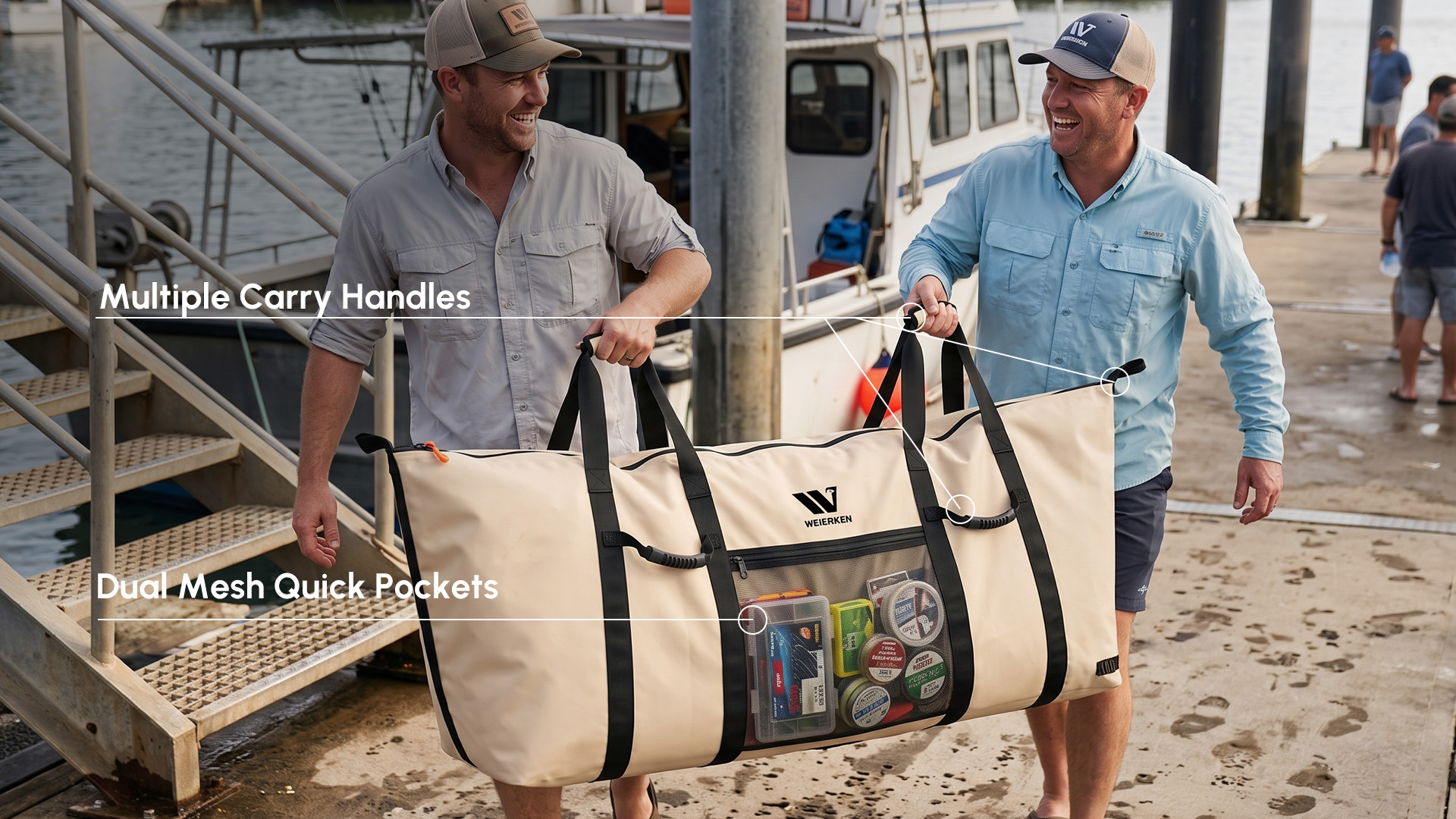
A standard cooler is designed for light food and beverage transport. An insulated catch bag is built for harsh marine use: it must resist heavy abrasion, sharp fish fins, UV exposure, and saltwater corrosion. It also requires heavy-duty closed-cell insulation that will not absorb water, high-frequency welded seams that prevent fluid leaks, and a high-flow drain valve for easy washing.
Q2: Why is RF welding necessary for a fish kill bag?
Traditional stitched seams puncture the outer shell and inner liner with thousands of needle holes. Under the weight of ice, water, and fish, stitched seams stretch and leak fluids onto boat decks. RF welding fuses technical fabrics together at the molecular level, creating a continuous, seamless, and completely leakproof barrier.
Q3: What thickness of closed-cell foam is ideal for 48-hour ice retention?
For high-performance marine catch bags, a closed-cell foam thickness between 15mm and 20mm provides the optimal balance of thermal retention, flexibility, and foldability. For extreme commercial-grade bags, insulation can be increased up to 25mm to maintain ice in tropical climates.
Q4: How does a dual-country (China + Cambodia) manufacturing setup benefit OEM buyers?
A dual-country footprint gives brands supply chain flexibility. High-complexity prototyping, tooling development, and urgent orders run efficiently in advanced facilities in China. Meanwhile, high-volume production can shift to Cambodia to take advantage of favorable import duties, mitigating US Section 301 tariffs and optimizing overall landing costs.
Q5: Are the inner liners of your catch bags certified for food contact?
Yes. Reputable manufacturers use inner liners made from premium TPU or heavy-duty PVC that meet international food safety standards, including FDA 21 CFR, REACH, and RoHS. This ensures that fish stored directly against the liner remain uncontaminated and safe for consumption.
Q6: What is the typical lead time for custom OEM insulated catch bag prototypes?
Standard custom sample development takes between 7 to 14 business days, depending on whether new high-frequency tooling molds or custom colors are required. Once the golden sample is approved, bulk production generally takes 35 to 50 days.
Build Your High-Performance Marine Line with Weierken
When engineering high-ticket marine gear, cutting corners on manufacturing is a recipe for brand damage. The ideal insulated catch bag supplier should act as an extension of your product development team, bringing technical material expertise, advanced high-frequency welding lines, and dependable global manufacturing capacity.
Weierken combines two decades of technical manufacturing expertise, advanced in-house testing labs, and large-scale facilities across China and Cambodia. Whether you are expanding an existing marine product line or developing a custom-engineered fish kill bag from scratch, our engineering team provides complete support from CAD drawings to final shipment.
Ready to elevate your product line? Contact the Weierken OEM engineering team today to request a quote, schedule a technical design review, or order functional product samples.