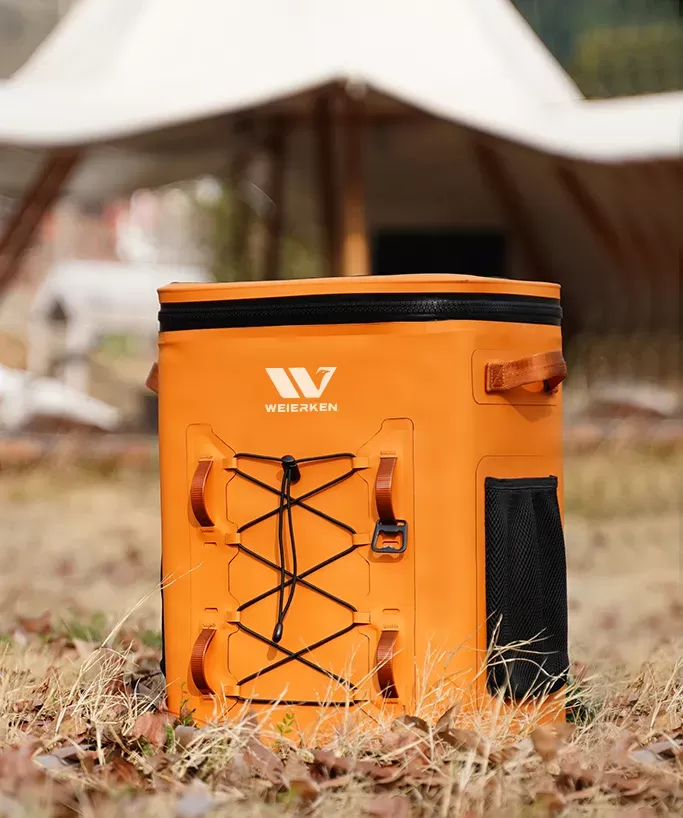

For brand procurement managers, military equipment buyers, and e-commerce sellers, finding reliable marine bag manufacturers remains a top operational priority. A single seam failure at sea ruins valuable electronics and damages brand reputation.
At Weierken, we manufacture high-performance waterproof bags built for punishing aquatic conditions. This technical guide breaks down the materials, seam-welding technologies, testing protocols, and sourcing strategies that separate world-class marine gear from low-grade alternatives.
The Marine Environment: Why Standard Waterproof Bags Fail
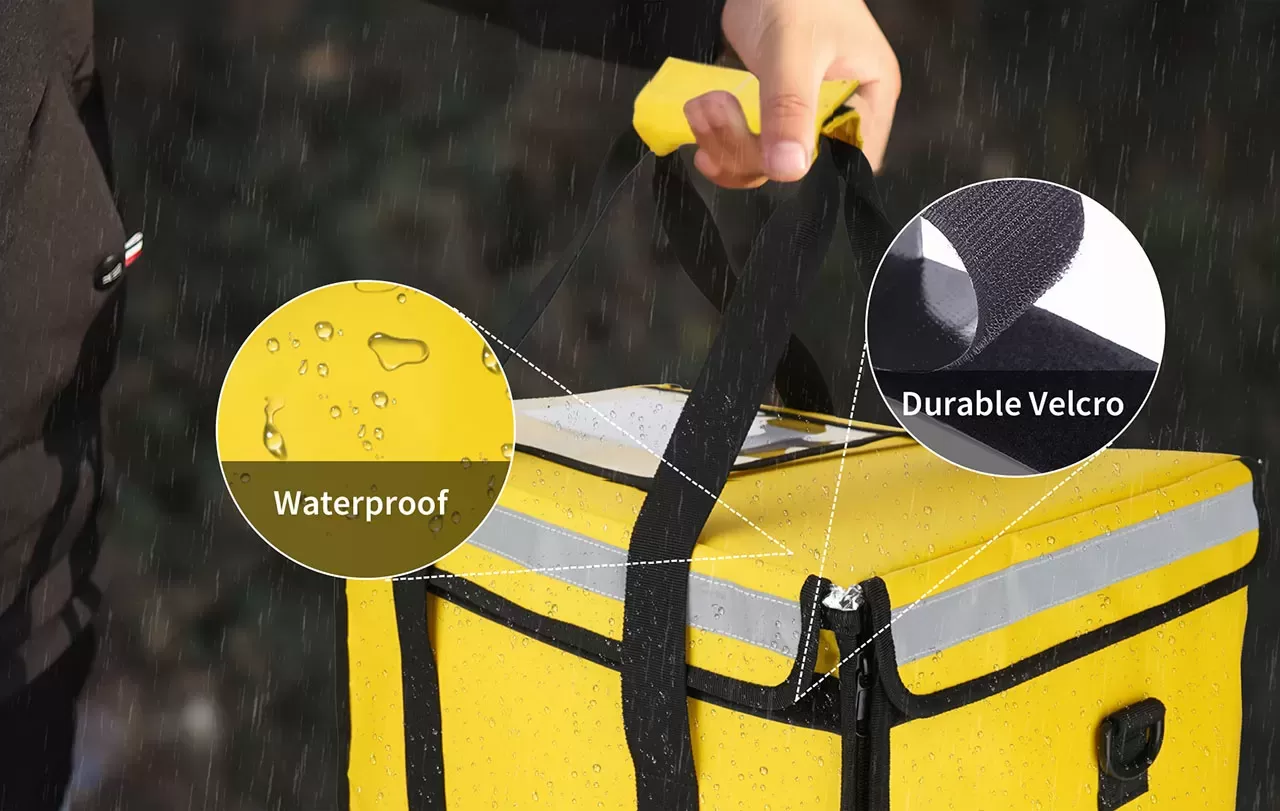
Standard dry bags often rely on light polyurethane coatings stitched together with sewn seams. While suitable for light rain or camping, they fail quickly on ocean vessels and open water rescue craft.
Ocean salt crystallizes inside traditional needle holes, degrading seam tape over time. High humidity accelerates hydrolysis, causing cheap plastic coatings to peel, crack, and leak. Furthermore, intense UV exposure turns substandard materials brittle within months.
Professional marine gear must withstand continuous submersion, high mechanical stress, and aggressive chemical exposure without losing air or watertight integrity. Top-tier suppliers solve these issues through advanced polymer science and stitchless assembly.
Core Waterproof Technologies & Materials
Evaluating marine bag manufacturers requires a deep understanding of raw materials and manufacturing technologies. Premium construction starts with selecting the right polymer substrate and bonding method.
1. Material Selection: TPU vs. PVC
The choice between Thermoplastic Polyurethane (TPU) and Polyvinyl Chloride (PVC) shapes bag durability, weight, and environmental compliance.
TPU (Thermoplastic Polyurethane): The premium standard for professional marine gear. TPU offers exceptional abrasion resistance, superior cold-crack resistance down to -30°C, and outstanding resistance to oil and hydrolysis. It remains flexible, lightweight, and eco-friendly.
PVC (Polyvinyl Chloride): A cost-effective heavy-duty option. PVC delivers solid waterproofing and tear strength, but it weighs significantly more than TPU, stiffens in cold weather, and releases hazardous toxins during thermal processing.
For high-end technical lines, sourcing from a specialized TPU marine bag OEM ODM partner like Weierken ensures maximum longevity and compliance with modern global environmental standards.
2. Heavy-Duty Substrates
Coated polymers require a strong structural core. Manufacturers laminate TPU or PVC onto woven fabrics to create structural strength:
500D Polyester/Nylon Mesh: Offers an ideal balance of weight, flexibility, and tear resistance for general dry sacks.
840D High-Tenacity Nylon: Designed for demanding commercial applications, resisting heavy drag, ocean rocks, and sharp boat deck hardware.
1000D Premium Nylon: Used in military-grade transport duffels and commercial offshore gear requiring maximum tensile strength.
3. Stitchless Joining: High-Frequency (RF) Welding
Traditional sewing punctures thousands of holes into fabric. Sewing machine needles destroy watertight integrity. Professional marine bag manufacturers eliminate needles entirely using Radio Frequency (RF) or High-Frequency welding.
An advanced high frequency welding bag factory uses electromagnetic energy to agitate the polymer molecules in TPU or PVC materials. The heated molecules fuse together under mechanical pressure, creating a molecular bond.
This process creates a single, continuous sheet of material across the seam line. The resulting weld matches or exceeds the tensile strength of the raw fabric itself, preventing water entry even under high hydrostatic pressure.
Figure 1: RF welding fuses TPU materials at a molecular level, creating seamless, air-tight structural bonds.
4. Hardware & Hermetic Closures
Waterproof fabric means little if water leaks through zippers or hardware attachments. Technical marine bags rely on two main closure systems:
Roll-Top Closures: Simple, reliable, and highly effective against splashes. Rolling the stiffened vinyl or TPU top three to four times creates a functional seal against heavy surface spray.
Airtight Waterproof Zippers: Necessary for true submersion gear. Premium manufacturers integrate airtight zippers (such as TIZIP or specialized YKK AquaSeal designs) with toothless, pressure-sealed teeth that block air and water up to 0.5 bar pressure.
All load-bearing buckles, D-rings, and carabiners must utilize marine-grade 316 stainless steel or UV-stabilized acetal plastics. Standard hardware corrodes rapidly when exposed to saltwater mist.
Quality Control & Testing Standards for Marine Bags
High-reliability manufacturing requires strict lab testing at every stage of production. A reputable marine grade dry duffle bag supplier verifies performance through internationally recognized test protocols.
IPX Waterproof Ratings Explained
Ingress Protection (IP) ratings tell buyers exactly how much water pressure a finished bag can handle:
IPX6 (Heavy Sea Protection): Protects against high-pressure water jets from any direction. Essential for deck bags and kayak storage.
IPX7 (Temporary Submersion): Prevents ingress when submerged in water up to 1 meter deep for 30 minutes.
IPX8 (Continuous Deep Submersion): Hermetically sealed construction. As a leading IPX8 dry bag manufacturer, Weierken designs submersibles capable of maintaining dry interior chambers below 1.5 meters for extended periods.
Essential Laboratory Testing Protocols
Before mass production begins, raw materials and sealed prototypes undergo rigorous laboratory verification:
Hydrostatic Pressure Testing: Measures the exact amount of water pressure the fabric and welded seams can withstand before leaking.
Salt Spray Chamber Testing (ASTM B117): Exposes metal components, zipper pulls, and plastic buckles to continuous salt mist for 72 to 120 hours to verify corrosion resistance.
Tensile & Tear Resistance Tests: Evaluates strap attachment points, grab handles, and main seam tear thresholds under sudden mechanical shock.
UV Yellowing & Xenon Aging Tests: Simulates months of direct equatorial sunlight to ensure TPU coatings do not turn yellow, fade, or crack.
Compliance with global environmental directives remains non-negotiable. Qualified factories maintain updated REACH, RoHS, and California Proposition 65 test certifications for all raw materials.
How to Evaluate and Select a Marine Bag OEM/ODM Factory
Selecting the wrong partner causes expensive production delays, low product yield, and customer returns. Procurement managers should evaluate potential partners using a structured audit checklist.
1. Engineering Capability and Prototyping Speed
Does the factory maintain an in-house engineering team? Look for suppliers capable of reading 3D CAD files, generating custom paper patterns, and delivering finished prototypes within 7 to 14 days.
Top factories provide structural advice on load dispersion, custom mold development for TPU handles, and ergonomic shoulder strap geometry.
2. Production Infrastructure
In-person or virtual factory audits should focus closely on the factory floor equipment:
Number of high-frequency welding machines and hot-air taping lines.
Dedicated laser-cutting equipment for precise fabric panel alignment.
Automated testing stations for 100% inflation testing on airtight bags.
Temperature and humidity-controlled storage areas for raw TPU rolls.
At Weierken, our modern manufacturing facility houses specialized RF welding equipment and automated cutting tables. This setup ensures consistent seam quality across large-scale production runs.
3. Tiered MOQs and Customization Depth
Building a custom line requires flexible manufacturing strategies. Evaluate how the supplier handles custom Pantone color matching, logo application techniques (such as silk screening, TPU molding, or laser etching), and minimum order quantities (MOQs).
An ideal custom waterproof marine dry bag supplier provides tiered MOQ options, letting brands launch initial market runs before scaling up production volume.
Secure Your Marine Supply Chain
Building successful marine products demands uncompromised quality, advanced material selection, and precise seam-welding techniques. Partnering with experienced marine bag manufacturers helps protect your brand reputation, lower defect rates, and deliver reliable performance on the water.
Whether you need an ultra-durable IPX8 submersible backpack, a heavy-duty boat duffel, or custom waterproof deck gear, having an expert partner makes all the difference.
Partner with Weierken for Your Next Marine Project
Looking for a reliable OEM/ODM partner for your marine line? Weierken brings extensive technical expertise, state-of-the-art RF welding technology, and strict quality control to every project.
Contact our technical engineering team today to discuss your design requirements, request custom fabric samples, or get a competitive factory-direct quote.
Frequently Asked Questions (FAQ)
Q1: Why is TPU preferred over PVC for marine bag manufacturing?
TPU provides superior resistance to saltwater hydrolysis, UV radiation, and low temperatures compared to PVC. It is lighter, resists abrasion better, does not release toxic fumes during high-frequency welding, and remains flexible in extreme environments.
Q2: What is High-Frequency (RF) welding, and why is it essential for dry bags?
RF welding uses high-frequency electromagnetic energy to melt and fuse thermoplastic materials at a molecular level without traditional needle stitches. This process creates a continuous, 100% air and watertight seam that matches the strength of the surrounding fabric.
Q3: What is the average lead time for custom OEM marine bag samples?
Standard design prototypes usually take 7 to 10 days. Complex custom bags featuring brand-new hardware molds, custom color dyes, or technical airtight zippers generally take 12 to 18 days for complete sample delivery.
Q4: How does Weierken test the waterproof integrity of mass-produced bags?
We perform rigorous quality checks on every production batch. Airtight and IPX8 dry bags undergo 100% air-inflation pressure testing for 24 hours to detect micro-leaks. Standard roll-top bags undergo hydrostatic head pressure tests and water immersion testing.
Q5: What is the typical Minimum Order Quantity (MOQ) for custom marine bag manufacturing?
MOQs vary depending on material specs and customization requirements. Standard production MOQs typically start between 500 to 1,000 units per colorway. Weierken offers flexible tiered MOQ options to support growing premium brands.
Q6: Can you manufacture submersibles using specialized airtight zippers?
Yes. As an experienced airtight waterproof backpack manufacturer, Weierken integrates pressure-rated waterproof zippers (like TIZIP and YKK AquaSeal) into custom TPU bags to achieve IPX7 and IPX8 waterproof ratings.