

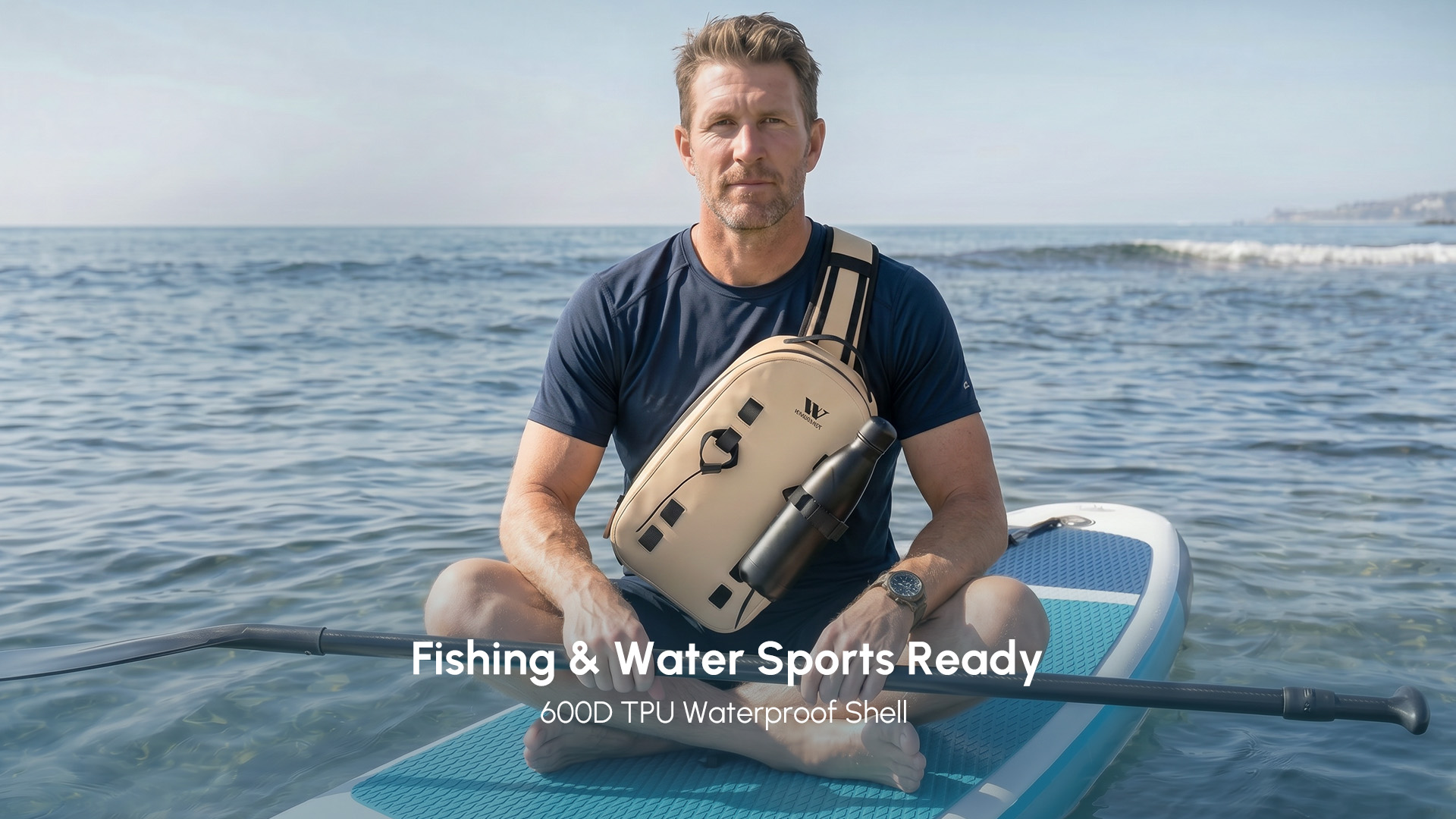
The global watersports market is expanding rapidly. Kayaking, stand-up paddleboarding, diving, and canyoning draw millions of new consumers every year. As demand grows, expectations for durable gear rise.
At the same time, international regulations are tightening fast. European and North American authorities continue to enforce strict limits on phthalates, heavy metals, and PFAS chemicals. Importing compliant products is no longer optional.
Choosing the wrong fabric for your odm watersports bag collection can cripple your business. High warranty claims, customs delays, and unsold inventory will eat your profit margins quickly. Industry partners like weierken help brand owners navigate these material trade-offs before starting mass production.
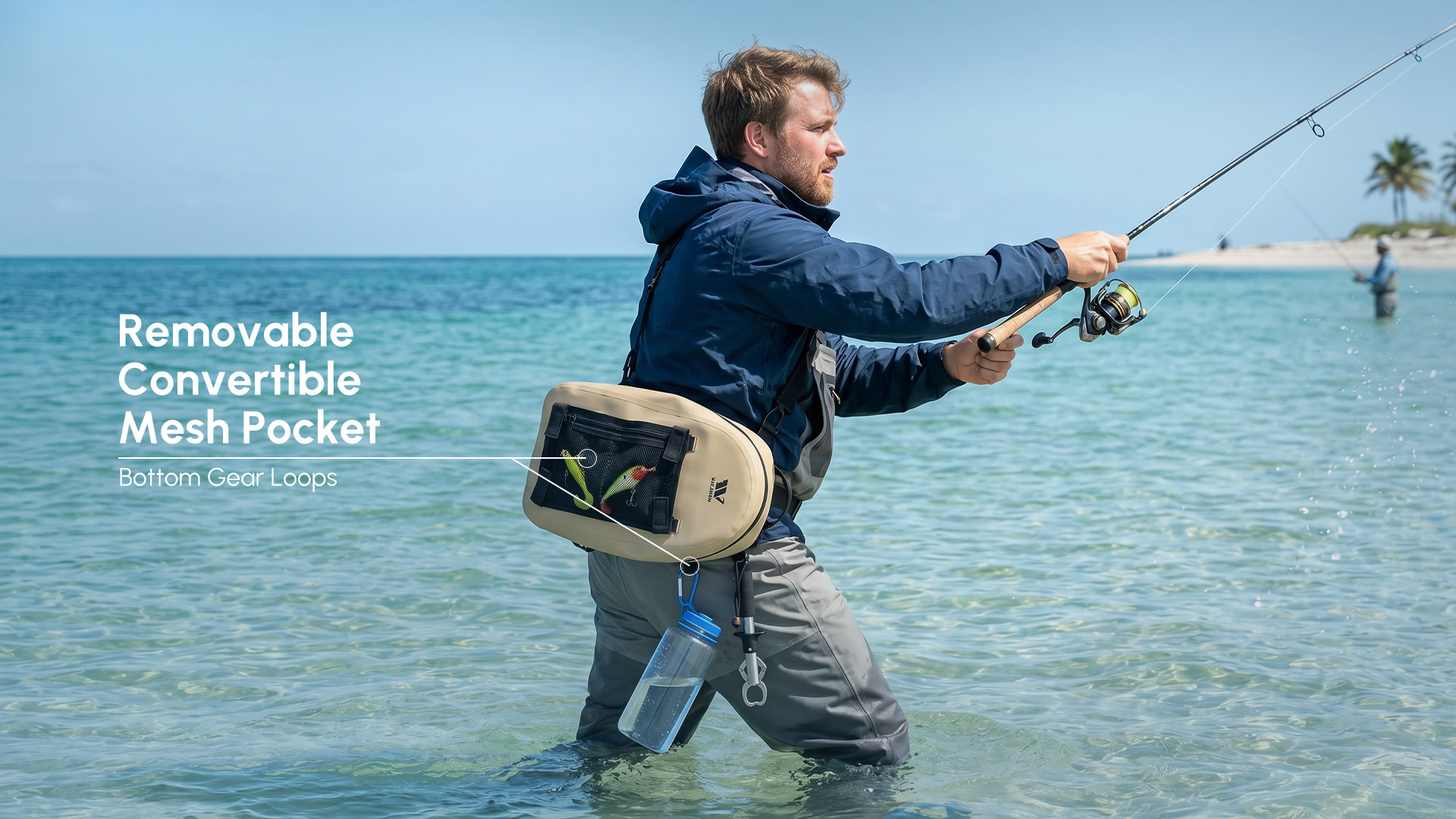
TPU vs. PVC: The B2B Decision Matrix
To build a profitable product line, you must evaluate fabrics beyond simple surface aesthetics. You need to understand physical limits, processing efficiency, and total cost of ownership.
Durability and Physical Performance
Thermoplastic Polyurethane (TPU) offers exceptional mechanical strength. It flexes smoothly at freezing temperatures down to -30°C without cracking. TPU resists abrasion, punctures, and continuous friction exceptionally well.
Because TPU is lighter than standard plastic compounds, it slashes finished product weight. This weight reduction directly cuts your international air and ocean freight expenses.
Polyvinyl Chloride (PVC) remains a reliable industry classic. It provides strong structural rigidity and keeps manufacturing costs low. However, cold weather turns standard PVC stiff and brittle over time.
Environmental Compliance and Market Acceptability
Modern consumers actively avoid toxic plastics. TPU contains no plasticizers and yields a non-toxic profile. It complies fully with REACH, RoHS, and California Proposition 65 requirements.
You can recycle TPU easily, making it the preferred material for premium Western outdoor markets. It protects your brand against accusations of greenwashing.
Traditional PVC relies on phthalates to achieve flexibility. While 6P-free and REACH-compliant PVC formulations exist, regulators monitor the material closely. Selling PVC gear in strictly regulated markets carries higher long-term compliance overhead.
Manufacturing Process and Yield Rates
Both materials require High-Frequency Welding (RF Welding) or Hot Air Taping to create seamless waterproof bonds. However, their thermal behavior differs significantly on the factory floor.
TPU Processing: Requires narrow temperature windows and precise pressure control. Once calibrated, TPU yields low defect rates and creates clean, sleek seams.
PVC Processing: Forgiving melt temperatures lead to fast setup times. PVC welds quickly, making it ideal for high-speed automated production runs.
Weight Consideration: TPU reduces raw material mass by up to 20% compared to PVC of similar thickness.
2026 Commercial Strategy: Matching Material to Market Segment
A single fabric cannot serve every consumer group. Smart brands structure their product portfolio using a tiered material strategy.
Entry-Level and Mass Market Lines
For budget-conscious retail channels, select 6P-free or recycled PVC. This choice lowers raw material costs and keeps factory minimum order quantities (MOQ) manageable.
It allows you to sell volume dry sacks, basic deck bags, and rental fleet gear at aggressive price points without sacrificing essential waterproofing.
Premium and Technical Watersports Lines
Targeting serious outdoor enthusiasts requires polyether-based TPU. Polyether TPU offers superior hydrolysis resistance, meaning it will not rot, smell, or delaminate when stored wet.
Use TPU for high-end waterproof backpacks, submersible duffels, and technical dry bags. This positions your product line in the high-margin premium price bracket.
Hybrid Design Strategy
Mix materials to balance performance with factory unit costs. Experienced production teams, such as the engineers at weierken, often recommend hybrid constructions.
Heavy-Duty TPU Base: Protects high-wear bottom panels from sharp rocks and rough boat decks.
Eco-PVC Upper Body: Reduces overall fabric cost while maintaining full waterproofing for lower-impact areas.
Result: An affordable, durable dry bag that hits strict target profit margins.
Sourcing Guide: 5 Technical Criteria for Vetting Your ODM Factory
Partnering with the right odm watersports bag manufacturer guarantees consistent quality and smooth delivery schedules. Audit prospective factories against these five crucial technical metrics.
1. Specialized RF Welding Lines
Ensure the facility operates dedicated high-frequency welding lines tailored for both TPU and PVC. TPU requires precise voltage adjustment to prevent burn marks along the welded seams.
2. Lab Test Reports
Demand verified third-party laboratory reports. Inspect tensile strength, tear resistance, seam burst pressure, and hydrostatic head ratings (minimum 10,000 mm water column).
3. Supply Chain Traceability
Work with an eco-friendly waterproof bag OEM that provides certified raw material sources. Look for Global Recycled Standard (GRS) documentation if you market recycled fabrics.
4. Substrate Base Fabric Quality
The inner mesh grid dictates long-term tear resistance. Verify whether the supplier uses high-density 500D or 1000D polyester/nylon mesh beneath the coating.
5. Quality Control Capabilities
Confirm the factory conducts 100% air-leak testing on finished submersibles. They should inflate every sealed compartment for 24 hours before final packaging.
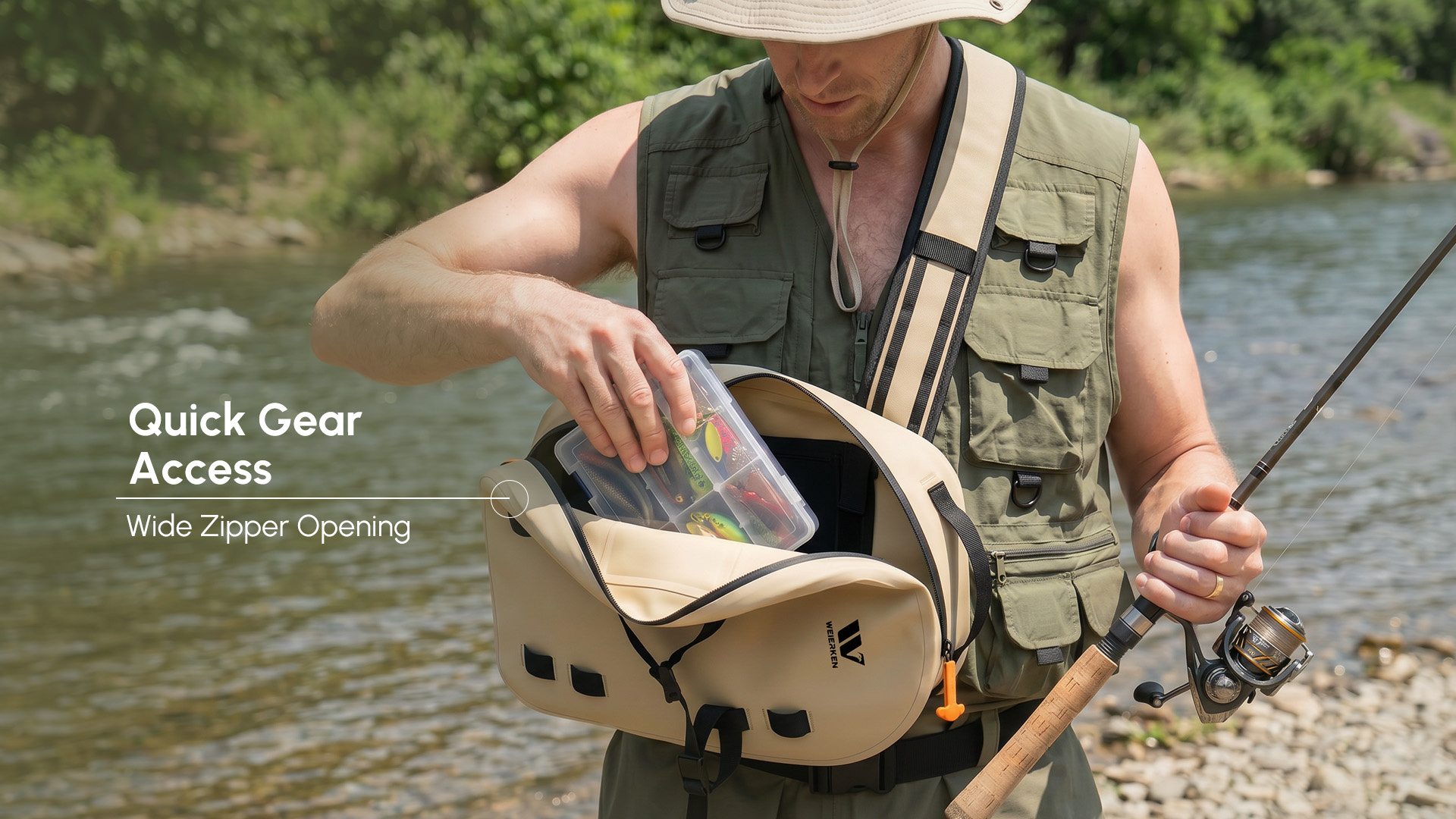
Final Outlook: Scaling Your Brand in 2026
TPU represents the future of premium watersports gear due to its low weight, environmental compliance, and cold-weather durability. Meanwhile, upgraded PVC retains a solid foothold in cost-sensitive market segments.
Aligning with a capable production partner simplifies material selection, custom sample development, and bulk manufacturing. Establish your line early to dominate the market in 2026.
Planning your next product release? Partner with weierken to turn technical concepts into market-ready gear. Contact our expert team today to discuss your project requirements, verify custom waterproof backpack MOQ details, and accelerate your time to market.
Ready to elevate your product line? Contact our ODM expert team right now to receive a complimentary TPU & PVC sample kit and a full 2026 product development cost evaluation sheet!
Frequently Asked Questions
What is the typical custom waterproof backpack MOQ for TPU versus PVC?
PVC dry bags generally carry lower factory minimum order quantities (often around 500 to 1,000 units) because the fabric is widely stocked. Custom-dyed TPU fabrics usually require higher MOQs (typically 1,000 to 2,000 units) due to raw material batch processing limits.
Why is polyether-based TPU preferred over polyester-based TPU for dry bags?
Polyether-based TPU resists moisture, fungi, and long-term water contact without breaking down. Polyester-based TPU suffers from hydrolysis over time, causing the material to sticky-crack when exposed continuously to damp marine environments.
Can an RF welded dry bag factory use the same tooling for both materials?
While the basic high-frequency welding machinery is similar, the brass welding dies require different pressure settings, power outputs, and cycle times. Skilled technicians adjust parameters when switching production runs between TPU and PVC.
How do TPU dry bags help lower international shipping costs?
TPU delivers high strength at thinner gauges. A finished TPU bag weighs significantly less than an equivalent PVC bag. Lower overall carton weight drops air cargo fees and ocean freight container costs per unit.
Are PVC watersports bags still legal to sell in North America and Europe?
Yes, provided the PVC uses phthalate-free, non-toxic plasticizers that comply with REACH and California Proposition 65 standards. You must confirm that your manufacturer uses certified non-toxic raw material inputs.