
A standard casual backpack sells on visual style. A high-performance trekking pack sells on physics, structural balance, and long-range comfort. When a hiker carries a 20-kilogram load across rugged mountain trails, minor flaws in backpanel construction cause severe physical strain. This directly leads to product returns, bad reviews, and lost brand trust.
Building technical gear requires specialized technical knowledge. At Weierken, we serve as a dedicated technical hiking backpack manufacturer for growing outdoor brands. We turn complex CAD designs into retail-ready outdoor products that withstand extreme weather and heavy stress.
Selecting a qualified trekking bag odm partner requires evaluating backpanel engineering, high-tenacity fabric selection, and lab testing standards. This article explores how professional outdoor manufacturers build reliable technical packs that protect your brand reputation.
1. Ergonomic Suspension Systems: The Core ODM Engineering Barrier
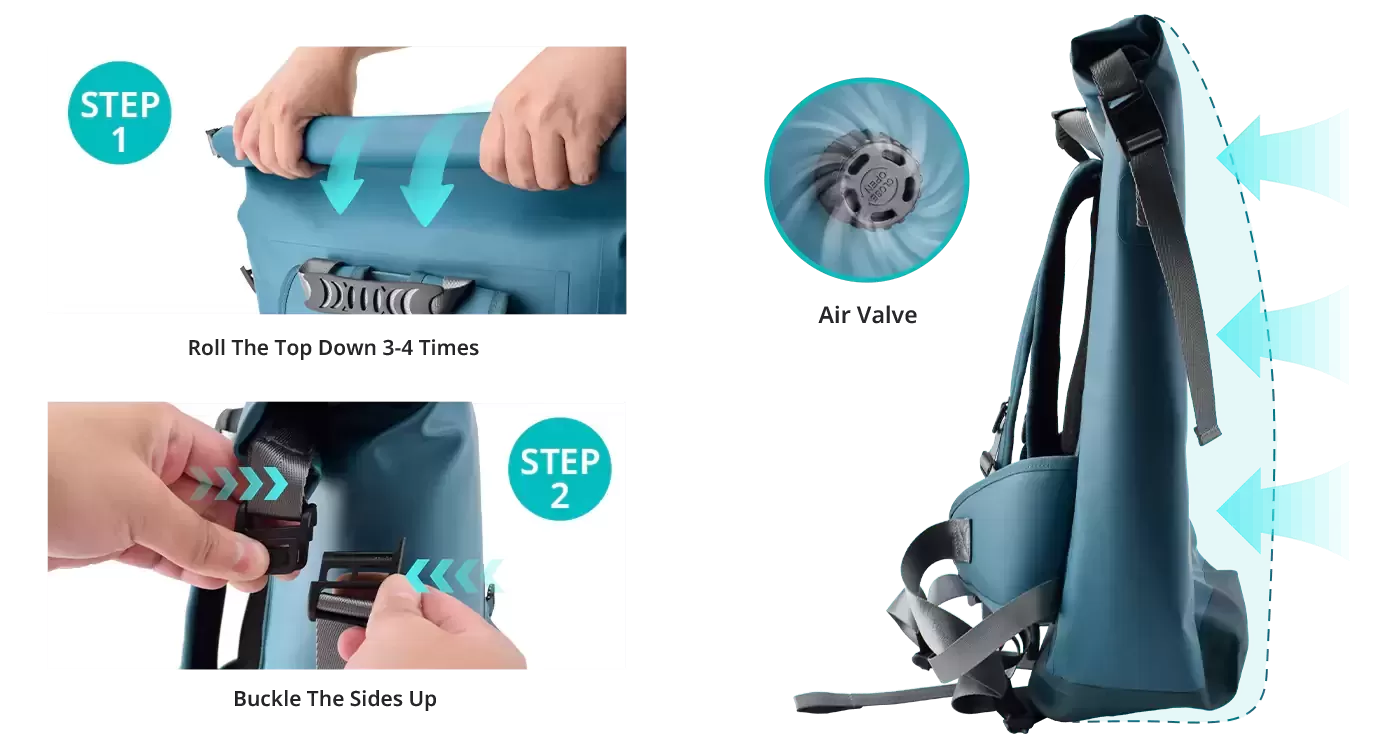
The suspension system forms the structural backbone of any technical backpack. An experienced trekking bag odm factory focuses heavily on frame geometry and load distribution before touching exterior aesthetics.
Frame Architecture and Weight Distribution
Heavy loads pull downward and backward on the user's shoulders. To counter this, custom packs use internal frame architectures engineered to shift weight dynamically.
6061-T6 Aluminum Stays: Pre-curved aluminum stays contour to the natural shape of the human spine, providing longitudinal stiffness without excess weight.
High-Density PE Framesheets: Polyethylene sheets prevent sharp items inside the pack body from poking through the back wall while maintaining torsional flexibility.
Lumbar Weight Transfer: This dual-component frame structure transfers over 70% of the total pack weight directly to the hip structure, reducing shoulder muscle fatigue.
Ventilation and Torso Length Adjustment
Hikers generate substantial body heat during long ascents. Managing heat output and accommodating various user body sizes are major design requirements for any trekking bag odm project.
Trampoline Mesh Systems: Suspended open-mesh backpanels create an active air gap between the wearer's back and the main storage chamber. This gap speeds up sweat evaporation on long trips.
Sliding Rail Adjusters: Sliding dynamic rail setups allow users to adjust torso length across a 10 to 15-centimeter range.
Velcro Ladder Harnesses: Reinforced ladder systems enable quick micro-adjustments in the field, helping brands market a single pack size to broad consumer demographics.
Ergonomic Shoulder Straps and Hip Belts
Contact points require careful material selection. Standard soft foam collapses under continuous pressure, causing raw friction against the body.
Weierken uses dual-density foam layering in shoulder straps and hip belts. A soft inner EVA (Ethylene-Vinyl Acetate) layer cushions body contact zones. Meanwhile, a firm outer EPE (Expanded Polyethylene) layer preserves structural shape under heavy tension.
Load-lifter straps positioned above the shoulders anchor at a 45-degree angle. Pulling these straps draws the pack's center of gravity closer to the body, stabilizing the load on steep terrain.
2. Technical Fabrics and Weatherproofing Standards
Selecting outer shell materials requires balancing tear resistance, total pack weight, and long-term weather resistance. As an experienced custom trekking bag supplier, Weierken sources and tests technical textiles built for punishing environments.
Tear-Resistant and Sustainable Fabrics
Trekking packs face harsh treatment from sharp granite, dense brush, and rough airport conveyors. Outer shell fabrics must resist tears and abrasions over years of heavy use.
Ripstop Nylon (210D / 420D / 600D): High-tenacity nylon woven with reinforced cross-hatch threads stops small tears from spreading.
Cordura Nylon Fabrics: Placed on the bottom panel and side stress zones, high-dtex Cordura delivers superior abrasion resistance.
GRS-Certified Recycled Polyester: Global Recycled Standard (GRS) fabrics allow outdoor brands to meet sustainable sourcing goals without dropping tear-strength specifications.
Waterproofing and Seam Sealing Technology
Water penetration ruins down sleeping bags and electronics. Protecting internal gear requires layered waterproofing treatments across all exterior surfaces.
We apply fluorocarbon-free C0 DWR (Durable Water Repellent) coatings to outer fabrics to make rain bead up and roll off. The underside of the fabric receives a multi-pass Polyurethane (PU) or Thermoplastic Polyurethane (TPU) coating, achieving hydrostatic resistance ratings between 1,500mm and 10,000mm.
For fully waterproof compartments, Weierken uses ultrasonic welded seams and hot-melt seam-sealing tape. An integrated, high-visibility raincover stows inside a dedicated bottom pocket for fast deployment during sudden rainstorms.
Cold-Resistant Hardware and Trims
Standard plastic hardware becomes brittle and snaps in cold mountain climates. Professional outdoor equipment demands heavy-duty trim components engineered for low temperatures.
Duraflex Acetal Buckles: Specialized hardware retains impact strength and flexibility at temperatures down to -20°C.
YKK AquaGuard Zippers: Polyurethane-laminated zipper tapes prevent moisture penetration through exterior pockets.
Extended Glove-Friendly Pulls: Molded zipper pullers allow hikers to open compartments easily without taking off winter gloves.
3. Quality Control and Laboratory Testing
Engineering claims must be backed up by lab data. Every trekking bag odm project at Weierken undergoes multi-stage outdoor backpack quality testing to uncover potential failure points before mass production.
Dynamic Jerk and Drop Testing
The jerk test simulates the intense mechanical shocks a full pack experiences when dropped onto hard ground or jostled during aggressive hiking.
Our technicians load the pack with 20 to 25 kilograms of dead weight. A pneumatic test rig lifts and drops the pack by its shoulder straps and top handle for tens of thousands of continuous cycles. This test confirms that critical bar-tack stitching holds firm under extreme dynamic stress.
Hydrostatic Head Pressure Testing
We test fabric swatches and sealed seams using specialized hydrostatic head testers. Water pressure increases continuously against the fabric face until drops penetrate the coating.
This procedure verifies that waterproof coatings meet brand specifications and resist degradation from repeated folding and packing.
Martindale Abrasion and Tensile Testing
Bottom panels and backpanels experience constant friction. Martindale abrasion machines rub abrasive materials against fabric samples for thousands of cycles to evaluate surface wear and pill resistance.
Tensile testing equipment pulls fabric swatches and sewn seams apart to measure peak breaking force. This data helps our structural engineers optimize stitch counts per inch (SPI) and thread choices for heavy-duty load zones.
4. Weierken's Strategic B2B ODM Solutions
Translating complex backpack designs into dependable production requires structured project management and flexible factory setups. Weierken offers full-service manufacturing support for established and growing outdoor gear brands.
Advanced Design and Prototyping
Our R&D center converts rough design concepts, hand sketches, or tech packs into precise 3D digital patterns and working prototypes.
We refine frame geometry, optimize fabric utilization, and run pre-production stress tests. This upfront engineering process eliminates design flaws, keeps sample revisions low, and speeds up time-to-market for your brand.
China + Cambodia Dual-Base Manufacturing Model
Global trade conditions require flexible supply chain options. Weierken operates production facilities across two regions to optimize technical capabilities and production costs:
China R&D and Production Base: Focuses on advanced product engineering, complex sample creation, specialized fabric sourcing, and low-volume high-complexity production runs.
Cambodia Mass Production Base: Features over 80,000 square meters of modern factory floor space and 3,000 skilled workers. This facility handles large-scale manufacturing runs while offering duty-free or reduced-tariff access to major European and North American markets.
This dual-base setup offers brand partners strong technical development capabilities along with cost-effective, scalable production capacity.
Build Reliable Technical Packs with Weierken
Developing a successful outdoor pack line requires balancing ergonomic support systems, resilient materials, and reliable quality control. Working with an experienced trekking bag odm partner helps you bring technical gear to market faster while reducing product defect risks.
Weierken brings technical expertise, modern testing facilities, and flexible dual-region production options to every client project. Our engineering team works directly with your product managers to deliver durable gear that meets demanding outdoor standards.
Contact the engineering team at Weierken today to discuss your technical pack specifications, review fabric options, or request a quote for your next production run.
Frequently Asked Questions (FAQ)
1. What is the difference between OEM and ODM services for technical trekking bags?
OEM (Original Equipment Manufacturer) services focus on building bags directly from complete tech packs provided by the client. ODM (Original Design Manufacturer) services involve the factory taking a more active role in design, backpanel frame engineering, material selection, and pattern creation based on the client's high-level brand requirements.
2. What is the typical Minimum Order Quantity (MOQ) for custom trekking bag ODM orders?
Standard MOQs for technical trekking bags generally start at 500 to 1,000 units per style or colorway. Minimums depend on custom fabric dye requirements, specific hardware colors, and frame customization needs. Contact our team to review custom project minimums.
3. How does Weierken ensure shoulder straps and hip belts do not tear under full load?
We apply high-density bar-tack stitching at all primary load-bearing points. We also use internal webbing reinforcements inside the main body seams to distribute stress across larger fabric areas. Every new design undergoes dynamic shock and drop testing with 20kg+ loads before production approvals.
4. Can Weierken source sustainable or GRS-certified recycled fabrics for custom pack builds?
Yes. We regularly source Global Recycled Standard (GRS) recycled nylon and polyester options, bluesign®-approved fabrics, and C0 fluorocarbon-free DWR coatings. These eco-friendly materials meet strict environmental standards while maintaining structural durability.
5. How does Weierken's China + Cambodia dual-base manufacturing strategy benefit buyers?
Our China facility manages complex product development, material sourcing, and rapid sample turns. Mass production then moves smoothly to our Cambodia facility, which offers expanded production capacity, competitive labor costs, and reduced import tariff rates for major North American and European markets.