


Stand-up paddleboard (SUP) yoga has taken water sports communities by storm. Enthusiasts head out onto lakes, bays, and oceans to practice balance and mindfulness. They move from wet board decks to sandy beaches throughout the day. Naturally, their gear needs absolute protection from splashing water, ocean spray, and unexpected rain.
Standard dry sacks often lack proper structure or dedicated straps for carrying mats. Meanwhile, standard gym totes fail instantly when sitting on a wet paddleboard. Building a successful product line in this niche requires finding a specialized manufacturing partner. If you plan to launch or expand your line, choosing the right SUP yoga bag ODM partner makes all the difference.
Experienced factories like Weierken help outdoor brands translate creative concepts into market-ready, heavy-duty waterproof gear. This guide covers five essential criteria you must evaluate before choosing an original design manufacturer for your paddleboard yoga bags.
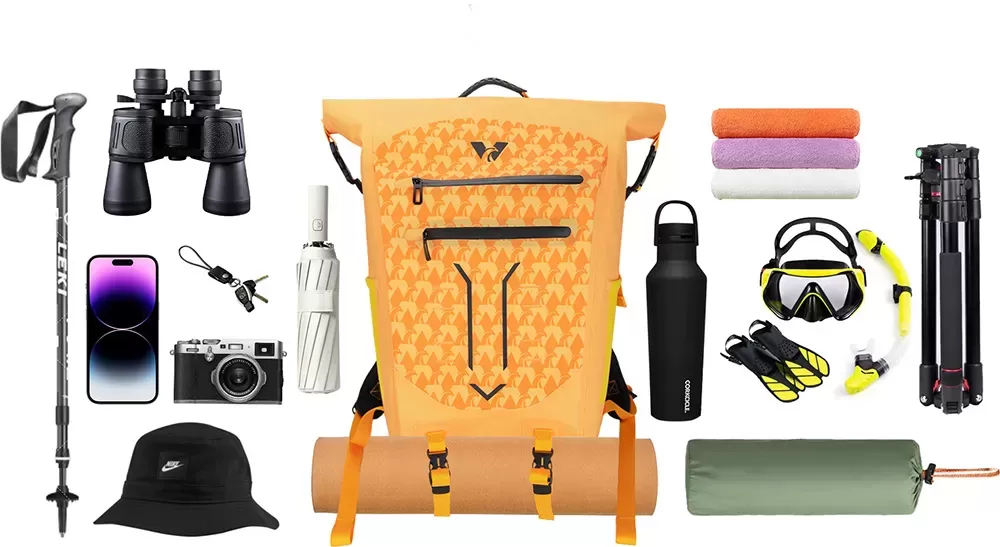
1. Advanced Waterproofing & Seamless Welding Technology
Water destroys ordinary fabrics and standard stitched gear quickly. A bag designed for stand-up paddleboarding spends hours on wet board decks. Choosing a capable outdoor waterproof bag ODM means inspecting their technical bonding machinery and sealing methods.
Needles create tiny holes in fabric during traditional sewing processes. Even coated fabrics will leak through stitched seams under pressure. High-quality waterproof gear relies on advanced heat or radio frequency bonding methods instead.
High-Frequency (RF) Welding
High-frequency welding uses electromagnetic energy to fuse TPU or PVC coated fabrics at the molecular level. This creates a permanent, seamless bond. Water cannot penetrate welded joints, even during long immersion periods.
Heat-Sealed Seams
For complex pocket layouts, heat-sealed seam taping provides reliable backup protection. This technique seals interior joining points, preventing water seepage through construction joints.
TPU Coatings vs. Standard PVC
Thermoplastic Polyurethane (TPU) represents the gold standard for modern water sports gear. Unlike cheap PVC, TPU stays soft and flexible in cold weather. It offers higher tear strength, superior abrasion resistance, and better environmental safety profiles.
Ingress Protection (IPX) Ratings
Ask your potential waterproof yoga bag supplier about their product testing levels. Top-tier factories engineer bags to hit IPX6 (protection against powerful water jets) or IPX7 (protection against temporary immersion) standards.
IPX6 Rated: Resists heavy splashing, rain, and board spray.
IPX7 Rated: Keeps interior gear completely dry even if submerged accidentally in water.
Airtight Zippers: Uses toothless or rubberized seal zippers to block moisture completely.
2. Innovative R&D and Functional Design Capabilities
A SUP yoga bag is not just a standard dry cylinder with handles. It must solve specific spatial and physical problems for athletes moving between land and water. A skilled custom SUP yoga bag manufacturer brings deep ergonomic knowledge to the drawing board.
Your ODM partner should offer strong R&D support, helping you refine functional details before cutting fabric. They must understand how users interact with their boards and gear.
Wet/Dry Separation Compartments
Yoga practitioners bring dry clothes, dry towels, and sensitive mobile devices to their sessions. After practice, they need a safe place to stash wet swimwear. Internal waterproof barrier pockets keep dry items completely separated from damp towels.
Integrated Board Attachment Systems
Paddleboards move constantly on water. Bags must stay firmly attached to the board's deck rigging. Look for built-in side loops, carabiner attachment points, or quick-release buckle straps designed to hook onto standard D-rings.
Secure Yoga Mat Carry Straps
Securing a rollable yoga mat to an outdoor bag requires balanced weight distribution. Adjustable webbing straps or expandable mesh panels should hold thin or thick mats firmly without slipping during movement.
Ergonomic Backpack Conversions
Walking from parking lots down to the shore requires comfortable carry options. Padded, breathable shoulder straps help convert heavy gear totes into hands-free backpacks easily.
At Weierken, product design teams combine clean aesthetics with practical outdoor utility. They design layouts that look elegant on retail displays while performing reliably on rough open water.
3. Sustainability & Eco-Friendly Material Sourcing
Outdoor enthusiasts and yoga practitioners care deeply about ecological protection. They actively support brands that protect rivers, oceans, and natural ecosystems. Choosing an eco-friendly paddleboard bag factory strengthens your brand appeal and aligns your business with global sustainability standards.
Modern consumers inspect material tags closely before buying. Your manufacturing partner must offer sustainable material supply chains that meet international environmental criteria.
Recycled PET (RPET): Fabric woven from recycled post-consumer plastic bottles reduces petroleum consumption and diverts waste from marine habitats.
Non-Toxic TPU Formulations: Modern TPU coatings bypass harmful phthalates, heavy metals, and toxic plasticizers.
GRS Certification: The Global Recycled Standard verifies recycled content tracking across the whole production chain.
PFC-Free DWR Coatings: Durable water repellent finishes formulated without toxic fluorocarbons protect against moisture without harming water ecosystems.
An experienced ODM supplier provides full material traceability. Offering eco-certified gear gives your marketing team genuine claims that build long-term customer trust.
4. Strict Quality Control & Global Factory Certifications
Defective gear ruins outdoor experiences and damages brand reputations fast. A single leaking bag can trigger negative online reviews that crush a new product launch. Your supplier must enforce multi-stage quality control checks throughout the factory floor.
Professional ODM factories do not wait until final packing to check quality. They evaluate incoming raw materials, monitor active welding lines, and test finished goods systematically.
Essential Quality Control Tests
Request proof of standard factory testing procedures during early vendor evaluations:
Hydrostatic Head Testing: Measures exact water pressure resistance levels across bonded seams and body fabrics.
Tensile & Tear Strength Tests: Ensures bag handles, shoulder straps, and attachment D-rings survive heavy loads without ripping.
Zipper Fatigue Testing: Pulls airtight zippers thousands of times under load to ensure smooth operation in marine environments.
Salt Spray Corrosion Tests: Verifies that metallic buckles, snap hooks, and zipper sliders resist saltwater corrosion over time.
International Factory Audits
Verify that your supplier holds recognized global certifications. Standards like ISO9001 ensure consistent quality management workflows. BSCI (Business Social Compliance Initiative) audits prove that the factory operates under safe, fair, and ethical labor conditions.
5. Flexible Customization & Agile Supply Chain Support
Market trends shift rapidly across the outdoor lifestyle sector. Brands need suppliers who offer agile manufacturing, low initial order risks, and comprehensive design support.
Whether you are an established brand, an Amazon seller, or a specialized water sports distributor, your supplier must adapt to your unique scale and business pace.
3D Prototyping and Fast Sampling
Turning concept sketches into physical samples takes time. Advanced ODM suppliers use 3D pattern modeling software to accelerate sample development. Fast physical prototyping allows you to test functional fit and water tightness in days rather than months.
Low MOQ Options for Market Testing
High minimum order quantities (MOQs) trap capital in unproven inventory. Flexible suppliers offer manageable MOQs for new product launches, letting you test custom colorways or features without excessive financial risk.
Comprehensive Branding Customization
A true ODM partner offers wide-ranging branding capabilities, including:
Custom screen printing and durable UV transfer logos.
Molded 3D rubber and silicone brand patches.
Custom zipper pullers, branded webbing patterns, and unique color-matched fabrics.
Custom retail hangtags, recycled packaging bags, and display-ready boxes.
Why Partner with Weierken for Your SUP Yoga Bag ODM Projects?
Selecting the right production partner defines your brand’s growth speed and product reliability. Weierken operates as a premier manufacturer of high-performance outdoor bags, specializing in specialized waterproof packs, cooler bags, and lifestyle travel gear.
We bring deep practical expertise to every manufacturing stage, ensuring your technical water sports gear performs flawlessly under pressure.
Deep Waterproof Heritage
Our facility houses modern high-frequency welding machines and automated seam sealing equipment. We specialize in working with TPU coatings, RPET materials, and airtight marine-grade closures.
End-to-End ODM R&D Support
Our experienced in-house design team turns your functional ideas into high-performing physical products. We blend classic simplicity with rugged functionality, creating bags that look great and last for years.
Uncompromising Quality Control
Every single batch undergoes strict stress checks, seam strength tests, and full water immersion evaluations. We preserve your brand reputation by delivering consistent, defect-free shipments on time, every time.
Scalable Global Supply Chain
We serve international outdoor brands, online retailers, and regional distributors. With flexible order structures and reliable lead times, Weierken helps you expand your market share with complete confidence.
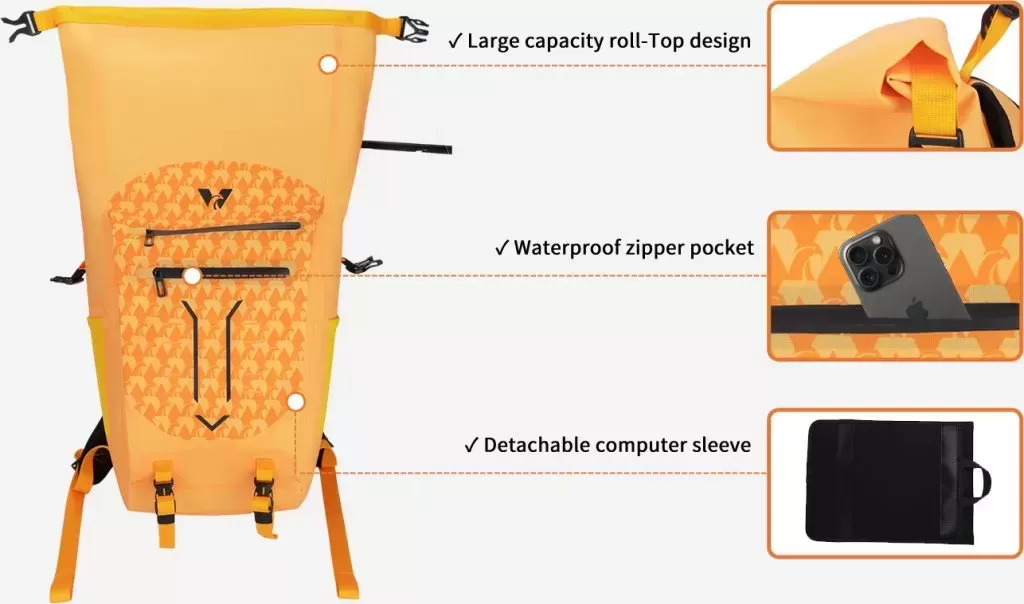
Build Your Next Product Line with Confidence
Finding a trustworthy SUP yoga bag ODM partner requires evaluating more than just price per unit. Focus on seamless welding capabilities, smart functional design, eco-friendly material sourcing, and proven quality management systems.
The right supplier acts as an extension of your own brand team. They mitigate production risks, elevate product functionality, and protect your profit margins.
Are you ready to develop high-performance waterproof bags for your growing brand? Contact the Weierken team today to discuss your custom project specifications, request design consultations, or order factory-direct samples!
Frequently Asked Questions (FAQ)
1. What is the difference between OEM and ODM services for SUP yoga bags?
OEM (Original Equipment Manufacturer) means you provide complete tech packs, detailed blueprints, and exact material specifications for the factory to produce. ODM (Original Design Manufacturer) means the supplier offers pre-designed bag concepts, functional structures, and material recommendations. You can customize these existing designs with your own branding, colors, and feature tweaks, saving significant design time and R&D costs.
2. Which waterproof rating is best for stand-up paddleboard bags?
For bags that sit directly on paddleboard decks exposed to heavy ocean spray, light rain, and splashing water, an IPX6 rating is usually sufficient. However, if the bag holds sensitive electronic gear, dry clothing, or personal valuables, an IPX7 rating (capable of surviving full temporary submersion in water) provides much safer protection.
3. Can Weierken manufacture SUP yoga bags using eco-friendly recycled materials?
Yes. Weierken actively supports sustainable manufacturing. We can construct custom waterproof bags using GRS-certified RPET (recycled polyethylene terephthalate) fabrics paired with non-toxic, eco-friendly TPU coatings. This approach ensures high waterproof performance while meeting modern environmental standards.
4. What is the average lead time for custom sample development and mass production?
Initial design concepts and 3D mockups take roughly 3 to 5 business days. Once patterns are finalized, physical prototype samples take around 7 to 14 days depending on custom hardware needs. Mass production lead times generally range between 30 and 45 days after sample approval and deposit confirmation.
5. How does Weierken test the waterproof integrity of welded bag seams?
We conduct strict multi-stage quality testing on every production lot. We use hydrostatic pressure testers to measure the water resistance of bonded seams and fabrics. Finished bags also undergo pneumatic pressure tests and full water submersion checks to confirm that airtight zippers and welded joints remain completely leak-free under real-world conditions.