

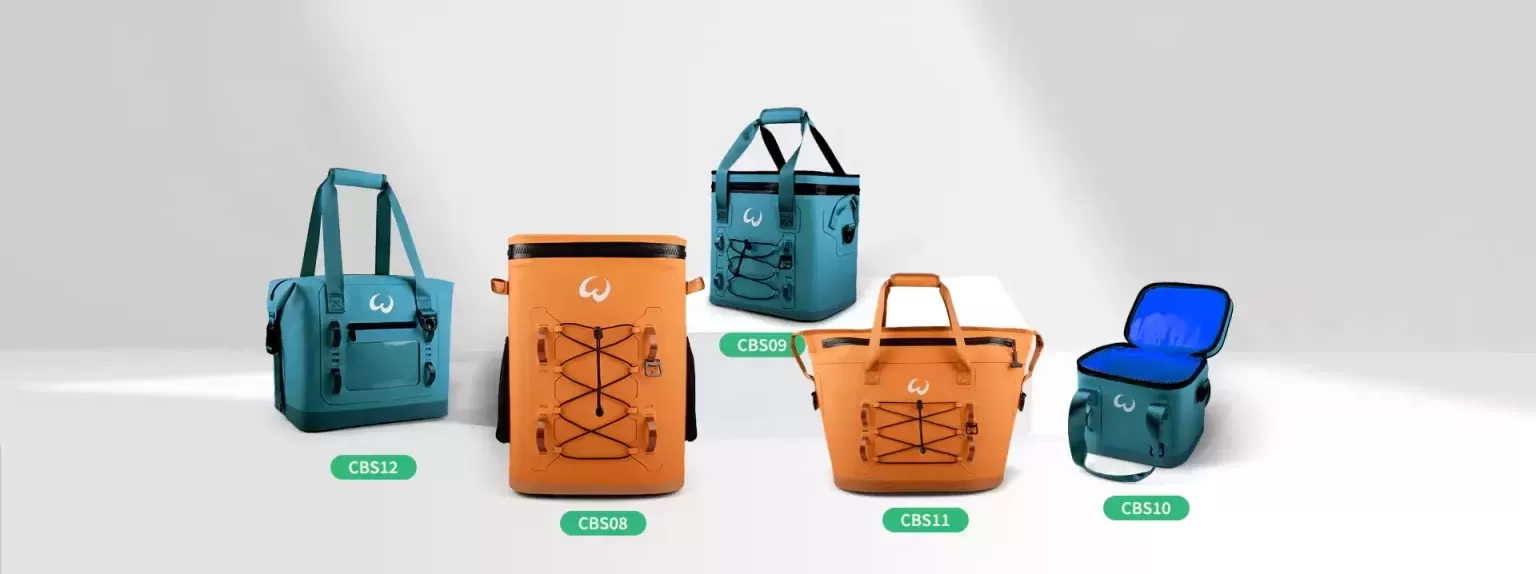
Outdoor recreation continues to experience explosive growth. Camping, kayak fishing, paddleboarding, and weekend tailgating now drive massive consumer demand for reliable gear.
Among outdoor accessories, soft-sided coolers have quickly overtaken heavy plastic ice chests. They are lighter, easier to carry, and surprisingly durable. Consequently, brand managers and e-commerce directors are racing to expand their lines.
However, launching a new product line brings a tough strategic choice. Should you build a custom product from zero using an OEM model? Or should you leverage a soft cooler ODM partner like Weierken to fast-track your launch?
This guide analyzes both manufacturing models across financial, operational, and engineering dimensions to help you choose the path that delivers maximum return on investment (ROI).
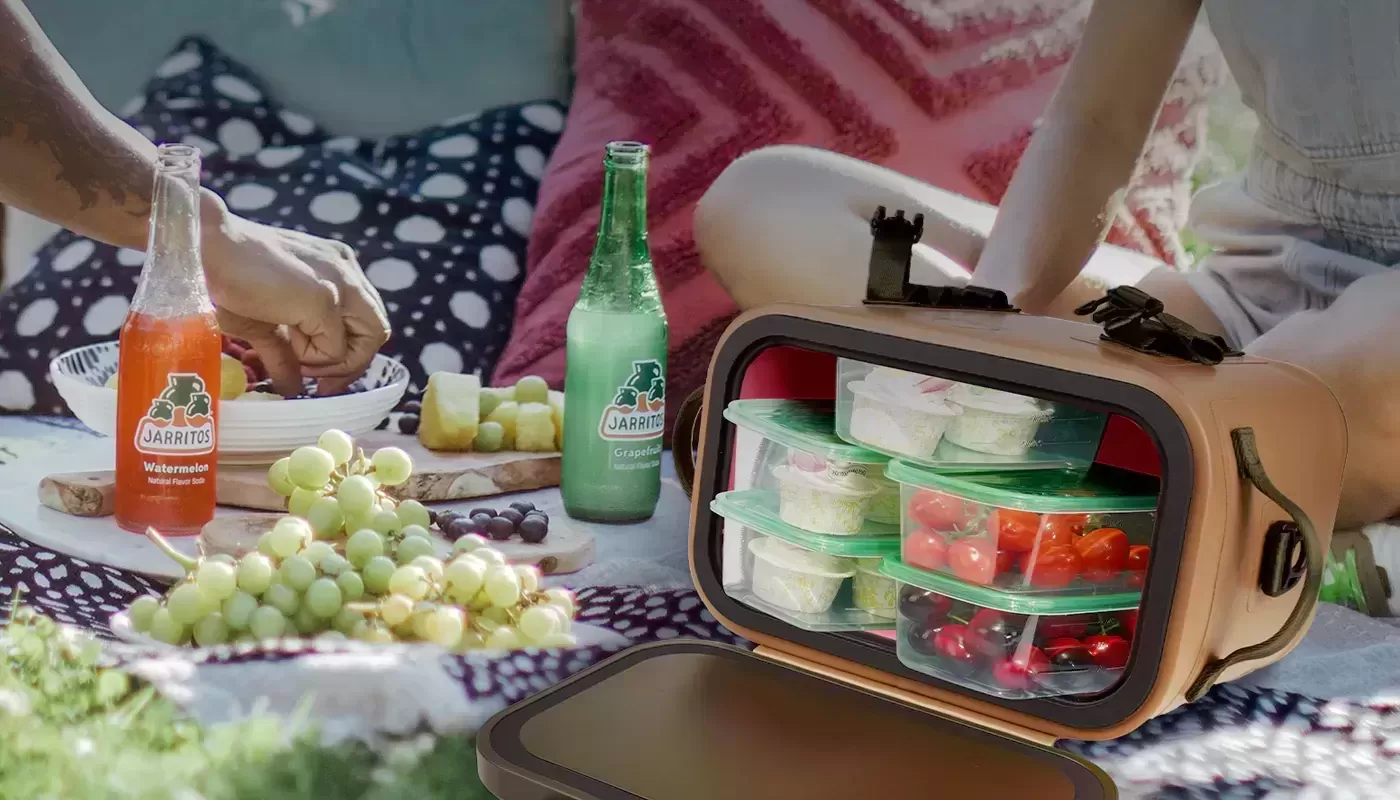
The Technical Complexity of Soft Coolers
Many brand managers assume a soft cooler bag is just a padded backpack with a waterproof lining. In reality, modern performance coolers require specialized engineering and advanced manufacturing processes.
To keep ice solid for 48 to 72 hours, a soft cooler must integrate several complex components:
Radio Frequency (RF) Welding: High-frequency heat sealing fuses TPU or PVC fabrics at the molecular level, creating 100% leakproof seams without stitch holes.
Airtight & Water-Tight Zippers: Heavy-duty pressure zippers prevent meltwater from spilling out and stop warm ambient air from entering.
High-Density Closed-Cell Foam: Thick NBR or EVA insulation blocks conductive and convective heat transfer without adding excessive weight.
Heavy-Duty Exterior Shells: Laminated TPU fabrics offer tear resistance, UV protection, and mildew resistance for harsh outdoor environments.
Developing these features independently involves high technical risk. A single failure in seam alignment or zipper sealing ruins thermal performance, leading to bad customer reviews and high return rates. Selecting a mature soft cooler odm provider helps you bypass these costly engineering pitfalls.
OEM Model ROI Analysis: High Capital, Long Horizon
Original Equipment Manufacturing (OEM) means your brand creates every detail from scratch. You provide complete 3D CAD files, tech packs, material specifications, and structural blueprints. The factory simply cuts, seals, and sews according to your instructions.
Upfront Capital Expenditures (CapEx)
The OEM approach requires significant initial spending. You must fund custom tooling, specialized RF welding dies, custom zipper pull molds, and proprietary hardware. Initial tooling costs frequently range between $15,000 and $50,000 before you produce a single sellable unit.
Extended R&D Timelines
Creating custom tooling takes time. Prototyping, thermal testing, drop testing, and mold revisions can add 6 to 12 months to your development cycle. Every delay increases your holding costs and delays your revenue generation.
The OEM ROI Outcome
While OEM manufacturing offers complete structural exclusivity and unique design patents, it pushes your breakeven point far into the future. For mid-sized brands or fast-moving e-commerce sellers, this long payback period ties up critical working capital.
Soft Cooler ODM Model ROI Analysis: Lower Risk, Faster Returns
Original Design Manufacturing (ODM) flips the traditional formula. An established custom soft cooler manufacturer designs, tests, and perfects structural templates in advance. As the brand owner, you select a field-proven template and customize its visual identity, exterior fabrics, color schemes, logo applications, carrying straps, and pocket layouts.
Zero or Minimal Tooling Costs
Choosing a soft cooler odm solution allows you to use pre-existing RF welding dies and production tooling. This slashes your upfront CapEx to near zero, freeing up budget for marketing, brand building, and customer acquisition.
Rapid Speed-to-Market
Time-to-market often dictates profitability in seasonal outdoor industries. Rather than waiting a year for custom molds, an ODM workflow can move from artwork approval to retail-ready inventory within 30 to 60 days. You capture seasonal demand immediately.
Proven Field Performance
A soft cooler odm design template has already undergone extensive laboratory testing. The insulation thickness, airtight zipper placements, and seam bonds are fully field-proven. This reliability reduces product warranty claims, shields your brand's reputation, and maximizes long-term customer value.
Comparison Matrix: OEM vs. Soft Cooler ODM ROI
The table below breaks down the key trade-offs between OEM manufacturing and a soft cooler odm model:
| Evaluation Metric | OEM Manufacturing Model | Soft Cooler ODM Model |
|---|---|---|
| Upfront Tooling & R&D Costs | High ($15,000 – $50,000+) | Zero to Minimal ($0 – $3,000) |
| Time-to-Market | 6 to 12 Months | 1 to 3 Months |
| Leakproof & Thermal Risk | High (Brand bears design risk) | Very Low (Factory-proven structures) |
| Production MOQs | Higher (To offset custom tooling setup) | Flexible & Lower |
| 1-Year ROI Potential | Lower (Heavy early investment) | Significantly Higher (Fast cash turn) |
| Ideal For | Enterprise brands with deep capital | Growing brands, e-commerce & outdoor labels |
Why Choose Weierken for Your Soft Cooler ODM Needs?
When searching for a trusted leakproof soft cooler supplier, manufacturing capability and design vision matter equally. Weierken specializes in high-performance waterproof bags, outdoor dry bags, and premium cooler bags built for demanding environments.
1. Advanced Technical Capabilities
At Weierken, we operate state-of-the-art high-frequency RF welding machinery alongside automated cutting systems. Our engineering team tests every design for hydrostatic pressure resistance, seam tensile strength, and multi-day ice retention. We build our soft-sided cooler bag factory processes around precision quality control.
2. Innovation Meets Sustainability
We believe outdoor gear should protect the environment we explore. Our design team creates classic, minimalist, and functional cooler platforms using eco-friendly TPU materials, recycled fabrics, and non-toxic EVA foam options. Working with Weierken means offering your customers top-tier thermal performance with a lower environmental footprint.
3. Flexible Customization & Higher Margins
Our soft cooler odm programs offer extensive white-label flexibility. Whether you need a compact 12-can hatch cooler, a rugged 24-can tote, or an ergonomic backpack cooler, Weierken delivers custom branding, unique color palettes, tailored attachment points, and custom packaging. We help you achieve premium retail price points while keeping your unit costs highly competitive.
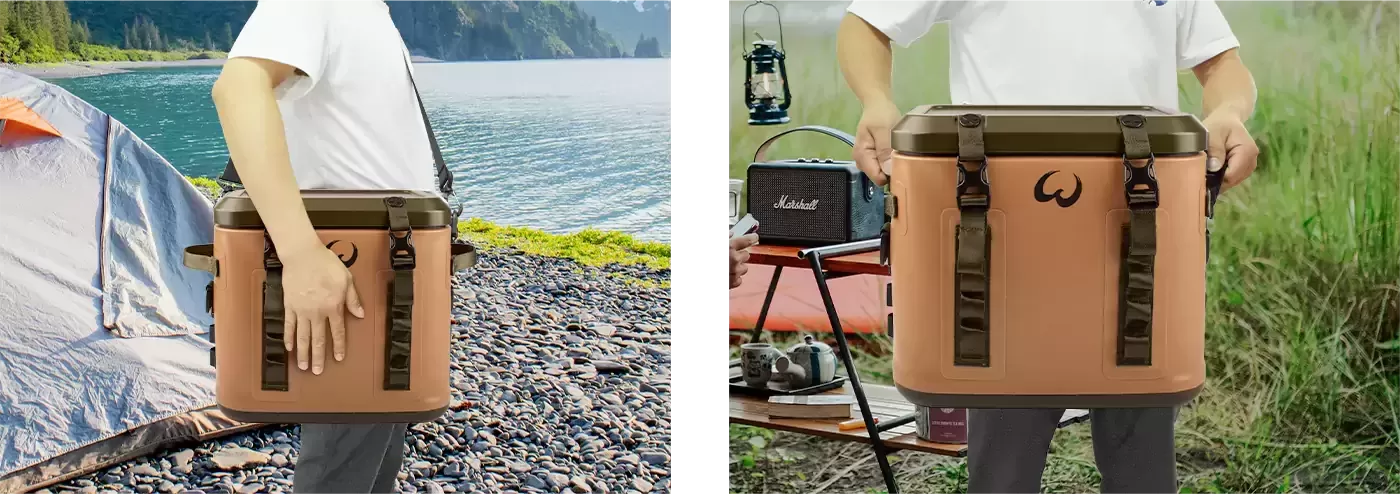
The Smart Path to High ROI
Building a soft cooler line from scratch via OEM offers absolute custom exclusivity, but it comes with high financial friction, engineering risks, and lengthy launch delays. For brands seeking fast market entry, strong gross margins, and low development risk, the soft cooler odm model offers a far superior ROI.
Partnering with a specialized factory like Weierken lets you bypass expensive tooling costs, dodge technical errors, and bring a high-performance cooler line to market in weeks rather than months.
Ready to launch your next high-margin outdoor product line? Contact the Weierken engineering team today to request a quote, discuss custom branding options, or order test samples!
Frequently Asked Questions (FAQ)
1. What is the primary difference between OEM and Soft Cooler ODM?
OEM requires your brand to provide full original designs, tech packs, and funding for custom manufacturing tools and molds. Soft cooler ODM provides pre-engineered, factory-tested cooler structures that you can easily customize with your brand's colors, logo, features, and styling.
2. How quickly can we launch a custom product using a soft cooler ODM service?
Because structural molds and welding dies already exist, most soft cooler odm projects move from initial logo design approval to finished mass production within 30 to 60 days. In contrast, OEM development often takes 6 to 12 months.
3. Can we customize the thermal performance and materials of an ODM cooler?
Yes. While the overall shape and structural seam lines remain standardized to save tooling costs, you can select different insulation foam densities, exterior fabric weights (such as 420D TPU vs 840D TPU), liner materials, zipper types, and shoulder strap ergonomic designs.
4. What is the typical ice retention capability of a Weierken soft cooler ODM model?
Depending on the foam thickness and fabric specifications you choose, Weierken cooler bags maintain ice for 24 to 72 hours. Our high-end airtight zipper and thick NBR foam models regularly achieve top-tier multi-day thermal retention in hot outdoor conditions.
5. How does choosing a soft cooler ODM model reduce overall business risk?
An ODM model eliminates the need for heavy upfront capital investment in custom molds. Furthermore, because the factory has already field-tested the seam sealing and waterproof construction, you avoid product failures, negative reviews, and expensive inventory recalls.
6. What is the process for requesting a sample from Weierken cooler bags?
Simply reach out to our sales and engineering team with your project outline. We will review your branding requirements, help you select the ideal soft cooler odm base model, and ship a physical sample directly to your office for quality and performance evaluation.