

The global food delivery sector is undergoing a major shift toward environmental responsibility. Bans on single-use plastics and packaging waste force catering businesses to rethink their logistics. Consequently, enterprises must find reusable, durable, and recyclable thermal transport systems to keep food fresh and safe.
Finding a reliable partner starts with auditing a catering thermal bag factory. However, green transit solutions must not sacrifice thermal performance. A reusable delivery bag must keep hot meals warm and cold desserts chilled while handling daily wear and tear.
At Weierken, our experience as a catering thermal bag factory has shown us that true sustainability works hand-in-hand with functional performance. This sourcing checklist will help you evaluate a manufacturer's sustainable materials, production efficiency, and design durability.
Checklist Item 1: Verify Sustainable and Safe Material Alternatives
The first step in green sourcing is evaluating raw material supply chains. Traditional delivery bags rely on virgin nylon and PVC linings. These materials require significant fossil fuel resources to produce and create toxic residues during disposal.
When visiting a catering thermal bag factory, check if they offer certified eco-friendly materials that match standard durability metrics.
Sustainable Material Alternatives to Request:
RPET (Recycled Polyester): Ensure the factory sources fabric made from post-consumer recycled plastic bottles. This process diverts plastic waste away from landfill sites.
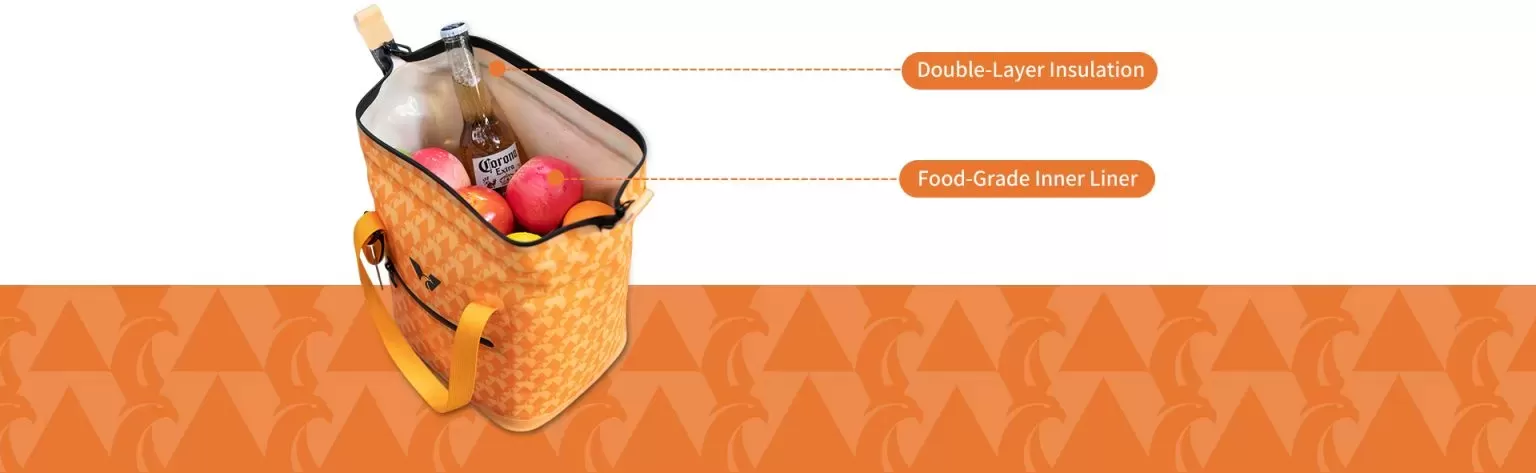
PEVA Linings: Replace toxic PVC with food-safe PEVA. PEVA does not contain chlorinated compounds or phthalates, and it remains waterproof and easy to clean.
Natural Cotton or Flax Fibers: For premium catering services, organic canvas outers provide a natural, high-end appearance with a low carbon footprint.
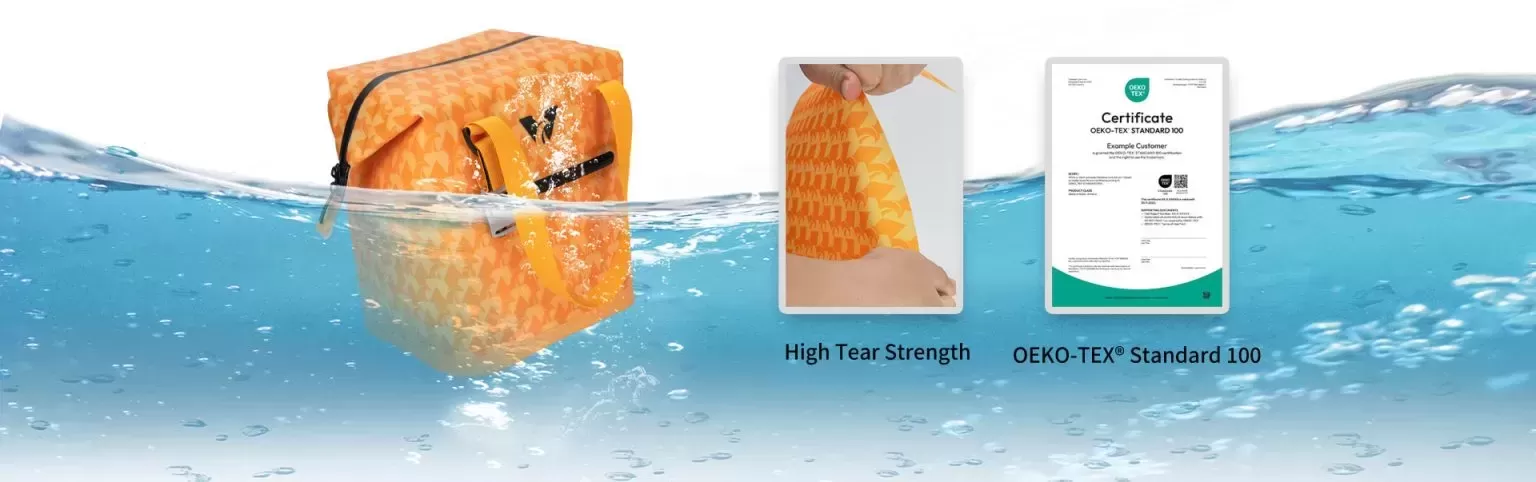
A certified catering thermal bag factory should provide verifiable material certificates. Always ask for Global Recycled Standard (GRS) or OEKO-TEX Standard 100 documentation to confirm the authenticity of recycled fabrics during your audit.
Checklist Item 2: Assess Durability and Product Lifespan Design
If an eco-friendly bag breaks after only five delivery cycles, it is not sustainable. Frequent replacements waste resources and increase a caterer's long-term procurement costs. High-frequency delivery demands rugged construction, which is why a top-tier catering thermal bag factory prioritizes durability.
Look for these design and manufacturing details during your evaluation:
Double-Needle Lockstitching: Ensure the factory reinforces stress areas like handles, shoulder straps, and bottom corners.
Removable Inner Linings: Ask if the inner lining can be detached via zippers or snaps. This allows users to clean or replace the liner without discarding the outer bag.
Corrosion-Resistant Hardware: Check that zipper tracks and pull tabs are made from heavy-duty polymers or rustproof alloy metals.
By purchasing durable bags, your business reduces waste and minimizes repeated shipping costs. Request cycle-test data from the factory to see how many delivery trips their bags can withstand before showing wear.
Checklist Item 3: Audit Clean Production and Waste Reduction Processes
An eco-friendly bag should come from a green manufacturing environment. A factory's internal waste management and energy usage contribute significantly to the overall carbon footprint of your delivery bags.
At the Weierken catering thermal bag factory, we integrate lean manufacturing processes to minimize scrap material and energy consumption.
Key Manufacturing Aspects to Audit:
Digital Pattern Nesting: Look for factories using CAD nesting systems. This software automatically arranges cutting layouts to minimize fabric waste.
Production Waste Recycling: Verify if the factory collects plastic and textile offcuts. These scraps should go to specialized recycling facilities for pelletization.
Eco-Friendly Ink: Ensure the factory uses water-based printing inks for branding. These inks release far fewer Volatile Organic Compounds (VOCs) than solvent-based options.
A modern catering thermal bag factory should reduce its carbon footprint. Inquire about the factory's energy sources, wastewater treatment, and carbon-reduction targets during your inspection.
Checklist Item 4: Evaluate Modular Designs and Recyclability
Traditional thermal bags are extremely difficult to recycle at the end of their life. They combine fabrics, insulation foam, and plastic buckles into one sewn structure. Separating these materials for recycling is expensive and time-consuming.
Ask your catering thermal bag factory if they design for disassembly (DfD). Modular design allows end-users to break the bag down into easily recyclable components.
Circular Design Features:
Velcro or Snap Assembly: Using mechanical fasteners instead of permanent stitching allows users to separate the metal hardware, foam core, and fabric shell easily.
Mono-Material Construction: Some factories are developing bags made almost entirely of polyester, including the shell, insulation, and thread. This simplifies the recycling process.
Collapsible Frameworks: Modular internal shelves can be removed and stored flat, reducing shipping volume and transport emissions during empty return trips.
These modular solutions help catering brands establish their own closed-loop recovery networks. You can collect worn-out bags and easily separate the parts for local recycling programs.
Customization Balance: Durable vs. Biodegradable
Before signing a contract with a catering thermal bag factory, balance your specific delivery scenarios. We discourage buyers from choosing 100% biodegradable materials for high-volume delivery fleets. These materials degrade too quickly when exposed to rain, sunlight, and constant scrubbing.
Instead, choose the material configuration that fits your operational model. The guide below helps you select the correct material balance.
| Catering Delivery Scenario | Key Durability Requirement | Recommended Material Combination |
|---|---|---|
| Daily Hot Food Trays (Corporate Office Delivery) | Excellent thermal retention, heavy weight support, structural stiffness. | GRS-certified RPET outer fabric, thick high-density EPE foam, and leakproof PEVA lining with welded seams. |
| Organic Meal Kits (Direct to Consumer) | Eco-friendly aesthetic, natural branding, medium durability. | Heavy organic cotton canvas, recycled wool felt insulation, and food-grade TPU lining. |
| Occasional Large-Scale Events (Weddings / Banquets) | Large volume capacity, collapsible shape, affordable pricing. | Reinforced non-woven polypropylene (PP) fabric with aluminum foil inner laminate. |
Our team at the catering thermal bag factory can help you design a bag that achieves your carbon reduction goals while matching your daily operating budget.
Frequently Asked Questions
1. What environmental certifications should a catering thermal bag factory hold?
Look for factories that have Global Recycled Standard (GRS) certification for recycled polyester. Other reliable certifications include OEKO-TEX Standard 100 for non-toxic textiles, and standard ISO 14001 certification for environmental management systems.
2. Can PEVA inner linings keep food as hot as traditional PVC linings?
Yes. PEVA provides comparable heat retention and moisture barrier properties to PVC. When paired with high-quality insulation foam, PEVA linings hold hot food temperatures safely without emitting toxic fumes or chemical plasticizers.
3. How does a catering thermal bag factory minimize production waste?
Modern factories use computerized CAD cutting machines to optimize layout patterns. They also collect and sort fabric offcuts, which are sent to textile recycling plants to be processed into industrial stuffing or plastic pellets.
4. Why is a durable bag considered more sustainable than a biodegradable bag?
Many biodegradable fabrics break down quickly when exposed to moisture, grease, and daily cleaning. A durable bag made of recycled materials lasts much longer. This reduces the energy, water, and resources needed to manufacture replacements.
5. Can a catering thermal bag factory help us create a customized circular program?
Yes. Many professional factories offer design consultations to help you build modular bags. These bags use removable components, making it easier for you to recycle parts or replace single sections instead of throwing away the entire bag.
---
Inquire About Our Sustainable Sourcing Solutions
Moving toward sustainable packaging requires a reliable, certified manufacturing partner. Sourcing from a specialized catering thermal bag factory like Weierken ensures your delivery fleet uses compliant, safe, and long-lasting materials.
We work closely with logistics businesses to develop thermal packaging that reduces waste and carbon emissions. We constantly refine our production methods to help you achieve your corporate social responsibility targets.
If you need material test reports, customizable options, or a design prototype, our team is ready to assist you. Request a quote or contact us with your specifications today.