

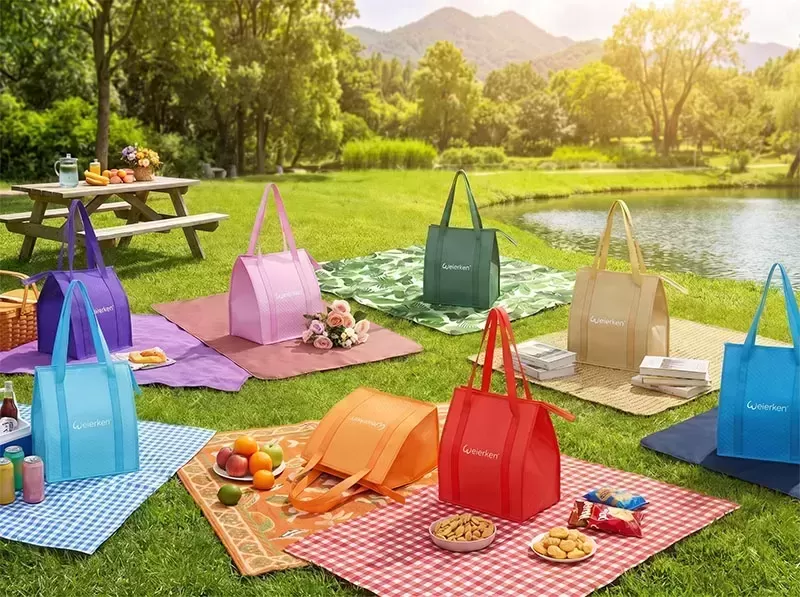
Floor space is precious in outdoor retail. Bulky roto-molded coolers consume massive square footage, carry exorbitant inbound freight fees, and yield slim dealer margins after aggressive price matching against national chains.
Because of this, experienced store buyers now turn to high-performance soft coolers and technical cooler packs. Sourcing bulk insulated bags for outdoor retailers provides a practical answer to heavy freight costs while doubling profit margins across peak camping seasons.
Forward-thinking contract manufacturers like Weierken enable independent shops and regional chains to stock custom-branded, waterproof coolers that easily rival premium brands at half the wholesale acquisition cost.
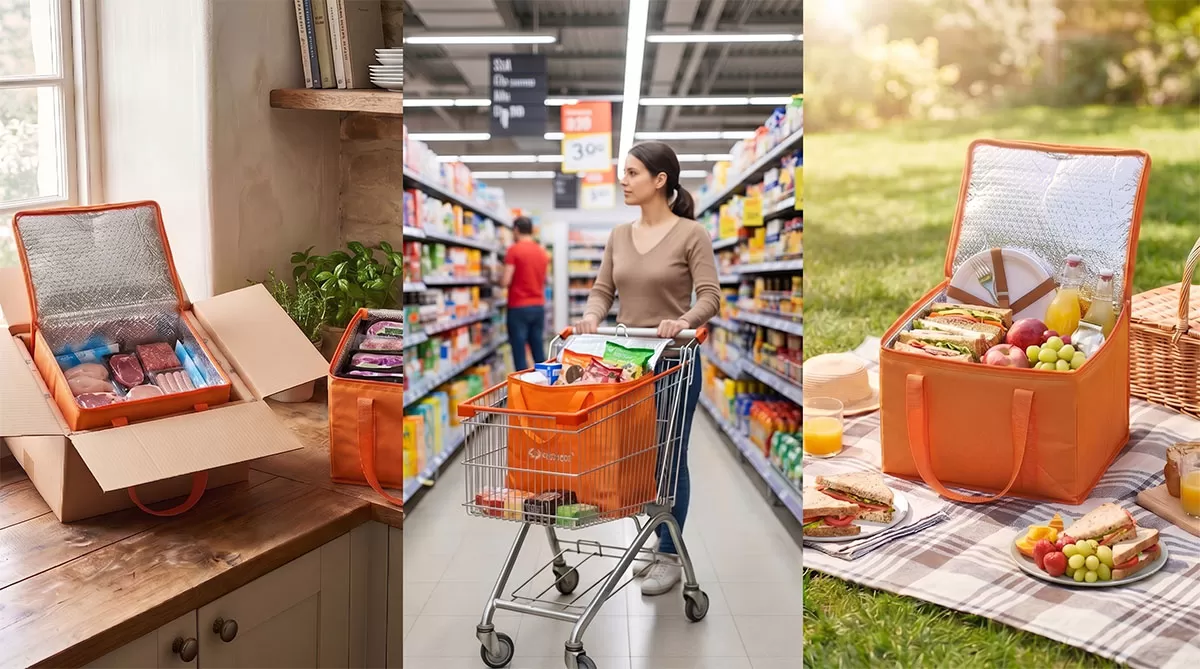
1. Why Insulated Bags Are a Retail Goldmine for Outdoor Shops
Outdoor shoppers actively seek portable thermal management. They want cold drinks during trail walks, preserved fresh food on weekend car camps, and spoiled-meat protection on fishing trips.
1.1 High Markup Potential vs. Hard Coolers
Hard-sided coolers burden store balance sheets. Their rigid walls force you to pay for shipping empty air, which erodes operational profits before inventory even hits the sales floor.
Conversely, soft coolers yield superior metrics:
- Better Gross Margins: While heritage cooler brands squeeze
dealer markups to 30% or 35%, private label or factory-direct soft coolers
command healthy 60% to 75% markups.
- Reduced Freight Overhead: Foldable or collapsible designs
let you pack up to four times as many units onto a single standard shipping
pallet.
- Flexible Price Points: Retail price tiers between $45 and
$160 create accessible upsells for weekend campers without intimidating budget
shoppers.
1.2 Cross-Merchandising Power Across Departments
Thermal bags integrate naturally into multiple store displays. You can merchandise them next to freeze-dried meals, hang them near camp stoves, or position them beside paddleboards.
This cross-category versatility drives impulse sales. When customers pick up a camp skillet or kayak paddle, a properly merchandised insulated tote bag acts as an intuitive add-on purchase.
Overview: High-Margin Bulk Insulated Bags at a Glance
| Bag Model | Primary Customer Base | Avg. Wholesale Cost | Suggested Retail Price (MSRP) | Target Margin |
|---|---|---|---|---|
| Ergonomic Backpack Cooler | Day Hikers & Trail Walkers | $18.00 - $26.00 | $65.00 - $89.00 | 70% |
| Submersible TPU Duffel Cooler | Overlanders & Boaters | $35.00 - $48.00 | $120.00 - $160.00 | 70% |
| Collapsible Flat-Pack Tote | Car Campers & Picnickers | $8.50 - $13.00 | $29.00 - $39.00 | 67% |
| SUP / Kayak Deck Cooler | Paddlers & Kayakers | $14.00 - $20.00 | $49.00 - $69.00 | 71% |
| Bikepacking Handlebar Cooler | Gravel & Bike Tourers | $9.00 - $14.00 | $32.00 - $45.00 | 69% |
| Freeze-Dried Food Cozy | Ultralight Backpackers | $2.50 - $4.00 | $12.00 - $16.00 | 75% |
| Heavy-Duty Fishing Kill Bag | Inshore & Offshore Anglers | $28.00 - $42.00 | $95.00 - $135.00 | 69% |
| Insulated Multi-Can Sling | Festival & Beachgoers | $4.00 - $6.50 | $18.00 - $24.00 | 73% |
| Modular Camp Kitchen Caddy | Family & Basecampers | $16.00 - $23.00 | $55.00 - $75.00 | 70% |
| Recycled RPET Lunch Bag | Eco-Daypackers & Commuters | $5.50 - $8.00 | $22.00 - $30.00 | 74% |
2. The 10 High-Margin Bulk Insulated Bags for Outdoor Retailers
Curating an effective inventory mix requires balancing specialized outdoor utility with broad consumer appeal. Below are ten proven insulated bag formats that generate exceptional wholesale-to-retail returns.
2.1 The Ergonomic Backpack Cooler
Day hikers want cold beverages and fresh trail lunches without carrying an awkward tote by hand. The backpack cooler solves this with contoured shoulder harnesses, chest sternum straps, and breathable back mesh.
High-end versions feature closed-cell EVA foam along the back panel and food-safe, welded TPU liners. This prevents meltwater from dripping down the hiker's lower back. Position this pack directly beside hydration bladders and hiking poles to maximize conversion.
2.2 The Submersible Heavy-Duty TPU Duffel Cooler
Designed for multi-day raft expeditions, overlanding rigs, and open-bed utility trucks, this duffel represents the premium tier of soft cooling. It replaces cheap stitched seams with high-frequency RF welds and pressure-rated airtight zippers.
With an IPX7 waterproof rating, it keeps ice solid for up to 48 hours while bouncing around a dusty truck bed. Retailing this bag at $130 yields substantial cash profit per transaction while undercutting brand-name hard boxes by over $100.
2.3 The Collapsible "Flat-Pack" Insulated Tote
Car campers and beachgoers love simple, functional storage that folds flat when camp breaks. This tote uses flexible closed-cell PE foam panels wrapped in abrasion-resistant 600D ripstop fabric.
Because these bags fold flat into cartons, your inbound sea-freight and warehouse storage fees drop dramatically. Sell them near checkout stands as high-utility family picnic gear.
2.4 The Kayak / SUP Deck Cooler Bag with Tie-Down Straps
Paddleboarding and flatwater kayaking continue to attract millions of participants. Conventional boxy coolers tip over on paddle crafts, making low-profile deck coolers a preferred choice.
Key features include four corner D-rings with bungee cords, water-resistant exterior zippers, and a water-shedding tarpaulin skin. It straps down securely on board noses, giving paddlers one-handed access to cold drinks on the water.
2.5 The Bikepacking Insulated Handlebar Bag
Gravel touring and off-grid bikepacking demand compact, vibration-resistant luggage. An insulated barrel bag mounts directly onto bicycle handlebars or front forks with anti-slip hook-and-loop straps.
These compact bags hold cold drinks, energy gels, or heat-sensitive electronics during sweltering summer rides. It carries a low unit cost and appeals strongly to younger, active bikepacking enthusiasts.
2.6 The Backpacking Meal Pouch & Freeze-Dried Food Cozy
Ultralight distance hikers treat thermal management differently. When rehydrating freeze-dried camping pouches in cold mountain winds, food cools down before fully cooking, wasting valuable stove fuel.
An ultralight reflective foil cozy solves this problem. It weighs less than 2 ounces, folds down into a pocket, and keeps meal pouches boiling hot for 20 minutes. Due to its minimal wholesale cost, this item serves as a profitable impulse buy next to backpacking freeze-dried meals.
2.7 The Kill Bag / Fishing Insulated Catch Bag
Anglers fishing from small center consoles, kayaks, or jetties rarely have room for gigantic fiberglass fish boxes. Technical kill bags provide deep insulation, puncture-proof interior PVC or TPU skins, and screw-on threaded drain valves.
The heavy vinyl handles allow two anglers to lift heavy catches together, while the flat design slides cleanly into boat holds. This bag delivers dependable seasonal revenue for coastal and lake fishing retailers.
2.8 The Multi-Can Insulated Beer Sling
A fun, social outdoor accessory, this tubular cooler carries a six-pack of beverage cans vertically across the back. It appeals directly to concertgoers, disc golfers, and casual day adventurers.
The construction requires minimal fabric, keeping purchase prices low. Display them on slatwall spinner racks near register counters to catch impulse foot traffic during warm spring and summer weekends.
2.9 The Modular Camp Kitchen Insulated Caddy
Basecamp cooks need organized food storage rather than a chaotic pile of groceries floating in slushy meltwater. This caddy includes movable insulated hook-and-loop dividers, mesh condiment pockets, and a fold-out prep mat.
It cleanly separates raw steaks from beverages and condiments. Family campers and glamping fans gladly pay premium retail prices for this level of camp-kitchen organization.
2.10 The Eco-Conscious RPET Insulated Lunch Sack
Environmentally conscious hikers and daily commuters look for verified post-consumer recycled fabrics. This compact day cooler uses 100% recycled PET outer textiles paired with bio-based PEVA interior linings.
Highlighting clear sustainability tags (such as GRS certification) allows retailers to justify solid margins while addressing growing consumer demand for circular outdoor gear.
3. Key Technical Specifications to Vet Before Buying in Bulk
Not all factory samples perform well under real outdoor conditions. When auditing bulk insulated bags for outdoor retailers, evaluate three core hardware categories to prevent customer returns.
3.1 Insulation Core: NBR vs. PE Foam
The density of the internal foam determines thermal retention. Avoid low-density open-cell polyurethane foam; it absorbs water like a sponge if the inner skin tears, breeding foul odors and mildew.
- Closed-Cell NBR (Nitrile Butadiene Rubber): Offers superior
thermal retention and flexible bounce-back. Retains ice for 36 to 48 hours in
premium builds.
- Dense Closed-Cell EVA/EPE: Reliable, cost-efficient, and
lightweight. Provides 12 to 24 hours of cold retention, making it perfect for
day totes and sling bags.
3.2 Leakproof Tech: Welded Seams vs. Stitched Liners
Stitched internal liners always leak once melted ice accumulates. Professional manufacturing partners like Weierken utilize high-frequency radio frequency (RF) welders to seal TPU and PEVA liners seamlessly.
Radio frequency bonding fuses synthetic panels at the molecular level. This creates a solid, watertight tub that prevents melted ice from penetrating the insulation core or leaking onto vehicle upholstery.
3.3 Exterior Fabric Resistance
Campers drop their gear onto sharp granite, gravel paths, and splintered wooden picnic benches. Your bag shells must resist rough abrasions and heavy UV rays.
Standard retail offerings should feature at least 600D polyester with an internal polyurethane backing. For technical expedition duffels, specify 840D double-sided TPU-laminated nylon, which resists punctures, scuffs, and long-term grease contamination.
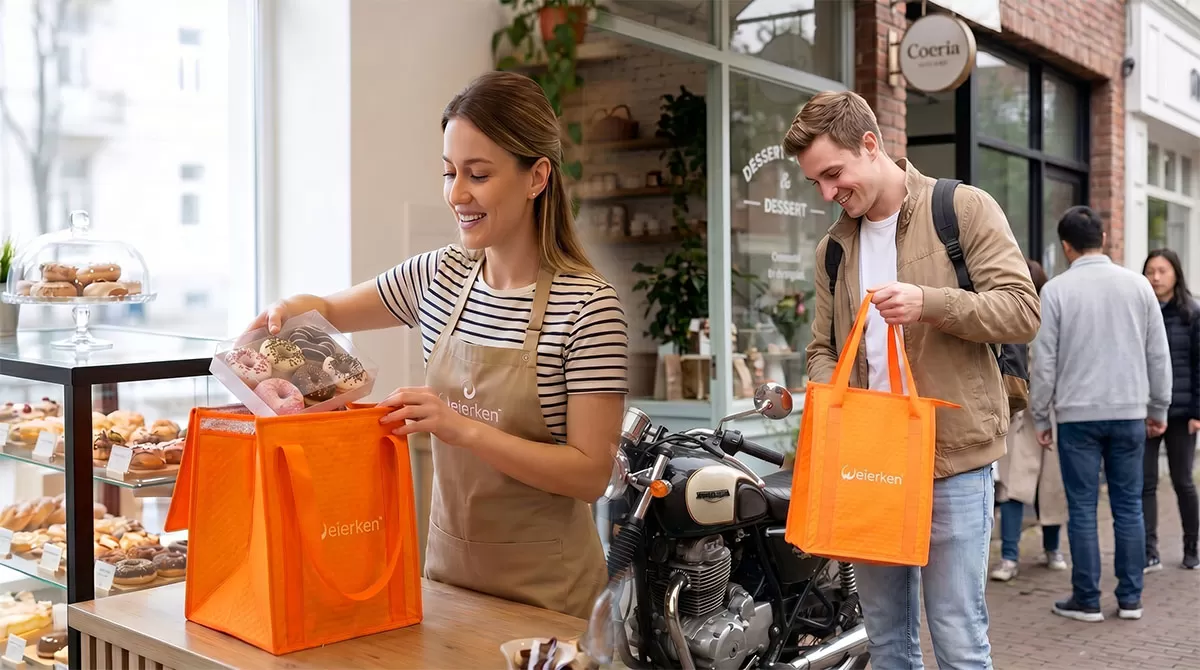
4. Retail Sourcing & Logistics Playbook: Maximizing Profit Margins
Purchasing inventory at a low factory price does not guarantee profitability. You must manage logistical bulk, customs compliance, and branding tiers effectively.
4.1 Flat-Packed vs. Pre-Formed Packaging
Ocean freight rates penalize dimensional volume (CBM) heavily. When negotiating specifications with your overseas factory, insist on flat-pack folding configurations.
Shipping coolers flat or nested inside larger units increases container packing density by up to 40%. Lowering freight costs per unit directly improves net retail profit margins on every sale.
4.2 Private Labeling & Custom Branding Options
Distinguish your retail brand from regional big-box chains by building a distinctive house label. Sourcing bulk insulated bags for outdoor retailers generally falls into three customizable tiers:
- Blank Stock with Heat-Transfer Logos (MOQ: 200–300 units): Fast turnarounds using pre-manufactured factory inventory. Good for seasonal
test runs.
- Custom Colorways & Webbing (MOQ: 500–1,000 units): Dyes
exterior fabrics to match your brand's unique corporate palette, paired with
custom zipper pullers.
- Full Custom Tooling & Patterns (MOQ: 1,000+ units): Yields exclusive designs, molded hardware, and proprietary pocket layouts that
direct competitors cannot replicate.
4.3 Navigating Food-Safe Certifications (FDA / LFGB)
Because soft cooler interiors come into direct contact with fresh apples, unwrapped sandwiches, and loose drink ice, linings must comply with food-contact safety regulations.
Require your supplier to submit accredited third-party test reports (such as SGS or TÜV) certifying compliance with FDA 21 CFR standards in the US or LFGB testing in Europe. Selling uncertified plastic liners exposes your retail business to significant product liability risks.
5. Frequently Asked Questions (FAQs)
Q1: What is the typical ice retention time for soft-sided technical
insulated bags?
A1: Ice retention depends on foam thickness and
closure construction. Basic open-top totes with 8mm EPE foam keep drinks cold
for 8 to 12 hours. Technical welded TPU coolers with 20mm closed-cell NBR foam
and airtight zippers hold ice for 48 to 72 hours.
Q2: Why should outdoor retailers stock soft cooler bags instead of
hard coolers?
A2: Soft cooler bags require far less storage space,
ship flat to reduce inbound freight expenses, and carry 60% to 75% retail
markups compared to 30% on brand-name hard boxes.
Q3: What minimum order quantity (MOQ) is required for custom-branded
insulated bags?
A3: Most manufacturers set entry-level MOQs between
300 and 500 units for standard colors with custom screen-printed or silicone
logos. Completely custom bag molds or bespoke fabric dyeing runs typically
require 1,000 units.
Q4: How can we prevent insulated cooler bags from leaking melted
ice?
A4: Ensure your supplier uses high-frequency welded interior
liners rather than stitched seams. Waterproof TPU or thick PEVA heat-sealed tubs
eliminate needle holes, making the bag leakproof.
Q5: Can our outdoor store order mixed assortments within a single
bulk shipment?
A5: Yes. Many established production suppliers permit
mixed container shipments, allowing you to combine backpack coolers, collapsible
totes, and can slings to hit freight thresholds without overstocking a single
SKU.
6. Conclusion & Retail Action Plan
Adding soft insulated gear carriers to your merchandising mix improves shelf revenue density. By stocking technical, leakproof soft coolers, your store delivers genuine outdoor utility while capturing profitable markups that hard-box brands cannot match.
Whether you need custom-printed promotional totes or heavy-duty airtight expedition duffels, partner with a factory skilled in high-frequency welding and food-grade safety standards. Weierken provides tailored OEM/ODM manufacturing, rigorous QA pressure testing, and flat-pack logistics support to help outdoor retailers thrive.
Upgrade your outdoor store's margins today. Contact our technical sales team to request material swatches, download our 2026 wholesale catalog, or receive a fast custom manufacturing quote.