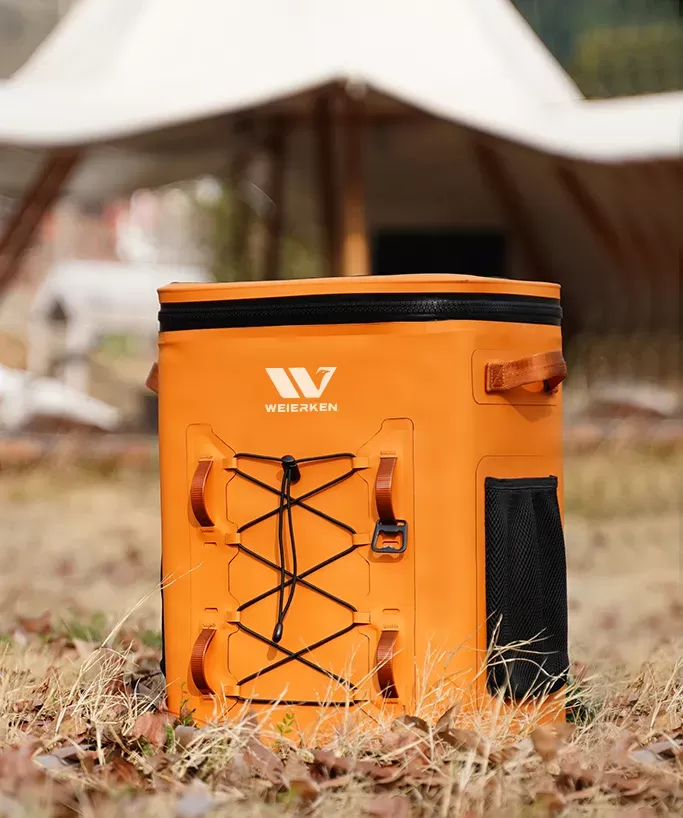

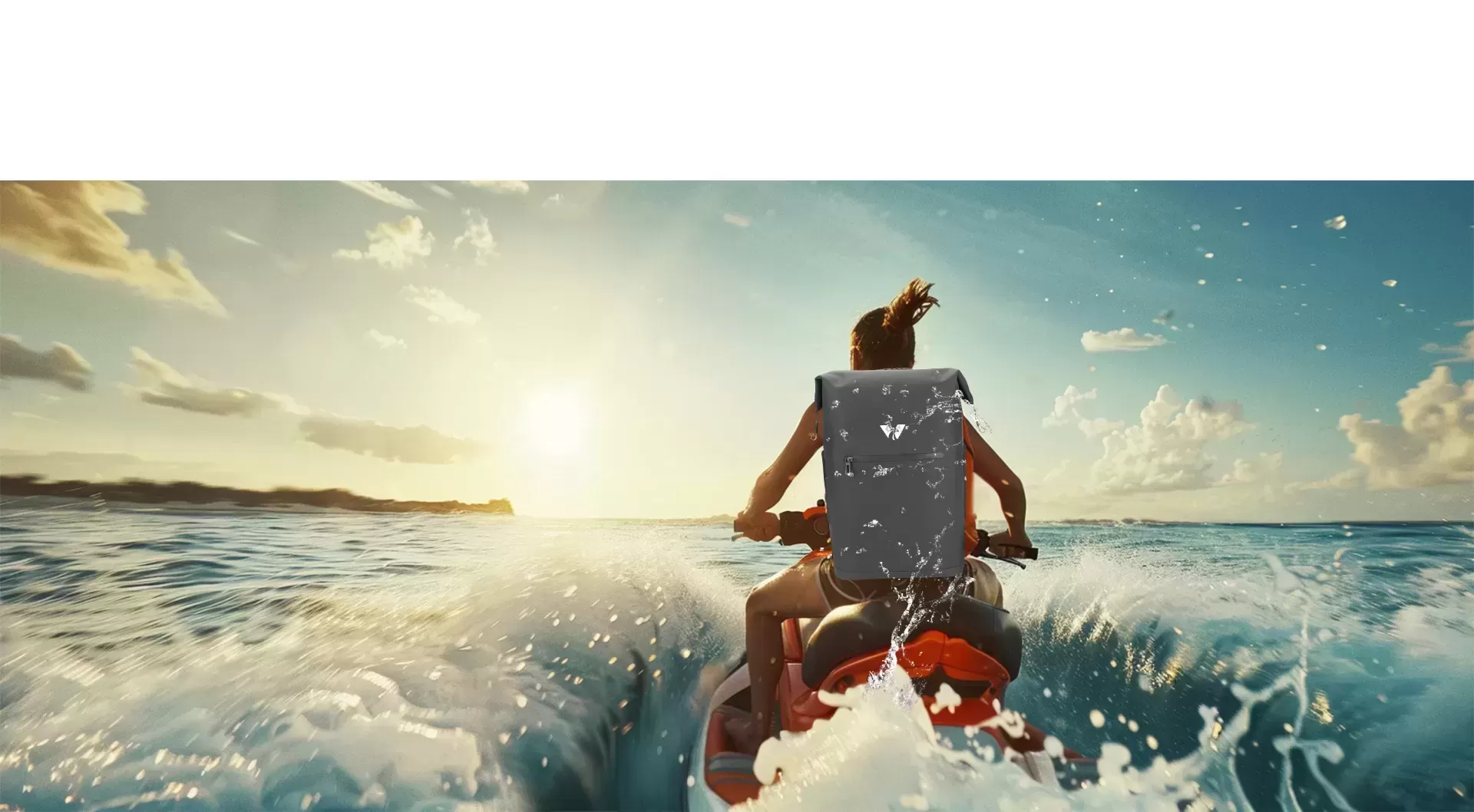
The Personal Watercraft (PWC) market is expanding rapidly. Riders now demand specialized accessories like handlebar bags, dashboard phone mounts, and saddle pouches. They need gear that keeps smartphones, keys, and GPS units dry during aggressive marine rides.
Standard waterproof bags often fall short on open water. A bag rated IP68 in a calm laboratory tank can fail completely when hit by a wave at 60 mph. High-speed impacts force water through traditional zippers, weak heat seals, and thin fabrics.
By 2026, marine gear buyers are adopting new performance metrics. The industry is moving from passive immersion ratings to dynamic hydrostatic pressure resistance and true air-tight sealing. Specialized jet ski pouch manufacturers like weierken are leading this shift by upgrading production techniques to meet harsher marine conditions.
This guide offers B2B buyers, supply chain directors, and product managers a technical blueprint for sourcing industrial-grade marine pouches.
3 Core Manufacturing Barriers for Jet Ski Pouches
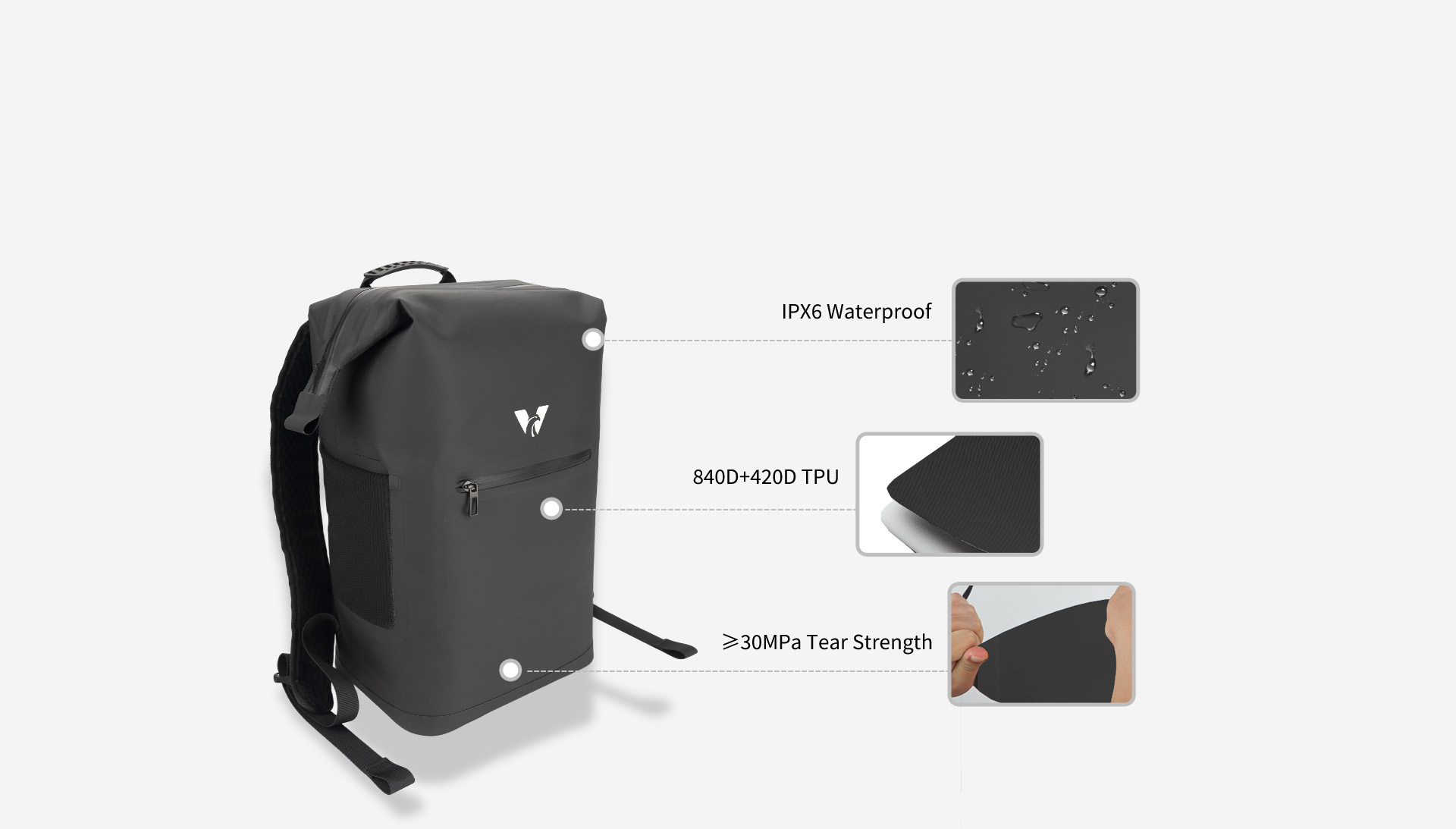
Personal watercraft operate in violent, corrosive environments. A generic waterproof phone pouch cannot handle these forces. Winning products require three distinct technical capabilities.
1. Dynamic Hydrostatic Pressure Resistance
Static IP68 testing only measures water depth over time. It misses the force generated by a jet ski pounding through rough waves. At high speeds, water hits equipment with intense localized pressure spikes.
The Failure Point: Traditional stitched or glue-laminated seams split under sudden impact. Standard water-resistant zippers leak instantly under dynamic wave force.
The Engineering Fix: Top factories use high-frequency radio frequency (RF) welding alongside airtight pressure zippers. This combination turns the TPU fabric into a single, seamless structure.
2. Optically Clear & Fuel-Resistant TPU Fabrics
Clear windows on marine pouches must remain touch-sensitive while enduring harsh chemicals. Riders interact with touchscreens using wet hands or neoprene gloves while exposed to salt spray and engine exhaust.
Leading suppliers build pouches using specialized thermoplastic polyurethane (TPU) films:
Optical Clarity: High-grade 0.3mm to 0.5mm TPU maintains touch sensitivity without optical distortion.
Chemical Resistance: Premium TPU formulations withstand gasoline spills, engine oil, and salt residue without cracking.
UV Stabilization: Anti-yellowing additives prevent clear windows from clouding after prolonged sun exposure.
3. High-Load Mounting Systems for Heavy Vibration
Engine vibration and rough wave impacts create strong force on mounting straps. A phone pouch mounted to a handlebar can experience forces exceeding 30g during high-speed turns.
Reliable jet ski pouch manufacturers avoid standard weak stitching at tension points. They weld reinforced Hypalon or heavy-duty TPU anchor patches directly to the pouch body. These connection points are engineered to withstand over 50kg of dynamic pull force without tearing.
Advanced Manufacturing Tech Under 2026 IP68 Standards
Meeting modern IP68 expectations requires moving away from conventional cut-and-sew methods. High-performing factories rely on advanced machinery and specialized assembly processes.
CNC Radio Frequency (RF) Welding
Radio frequency welding uses electromagnetic energy to melt thermoplastic materials at the molecular level. Unlike thermal heat sealing, RF welding distributes heat evenly across the material joint.
The result is a seam as strong as the surrounding fabric. This process creates a leak-free barrier without needle holes, stitch stress points, or messy glue lines.
Airtight Sealing Mechanics
A true waterproof pouch for Personal Watercraft (PWC) relies on airtight closure technology. Production lines use two primary sealing options depending on the target price point:
Hermetic Airtight Zippers: Precision teeth lock an elastomeric lip together, forming a pressure-tight seal up to 0.5 bar.
Engineered Roll-Top Systems: Multi-fold TPU strips combined with high-shearing hook-and-loop fasteners squeeze out trapped air and block high-pressure water jets.
Anti-Tack Window Lamination
A common issue with TPU phone pouches is "tacking." This happens when the clear plastic sticks to the smartphone glass, creating ugly bubbles and lowering touch sensitivity. Professional factories treat inner TPU surfaces with microscopic textures to prevent film adhesion without reducing screen visibility.
At weierken, specialized RF tool designs and fine-tuned welding cycles deliver clean window seams that keep touchscreens responsive in rough water.
QC Protocols: How Top Factories Test Marine Gear
Consistently high quality requires rigorous, repeatable testing across every production batch. Reliable manufacturing partners put finished products through a multi-stage quality assurance routine.
When reviewing potential suppliers, confirm that their facility uses these critical testing procedures:
1. Positive & Negative Pressure Chamber Testing
Static water tanks are not enough for batch testing. Advanced quality control labs use automated air pressure chambers.
Technicians inflate pouches to 0.3 to 0.5 bar and measure pressure loss over 30 minutes. Any drop indicates microscopic air leaks long before water enters the pouch. Premier manufacturers inspect 100% of airtight units using this method.
2. Vibration and Dynamic Impact Drops
PWC equipment must survive continuous pounding. Dynamic impact testing drops weighted pouches onto hard surfaces while submerged, simulating intense wave slam forces.
Vibration rigs agitate loaded handlebar bags across varying frequencies for hours. This test ensures mounting hardware, buckles, and welded anchors hold up under extreme use.
3. Salt Spray and Fuel Resistance Testing
Chemical stress can degrade inferior plastics over time. High-standard quality labs expose finished pouches to continuous salt fog for 48 hours to check metal components and zipper slides for corrosion.
Rub tests with fuel, engine oil, and sunscreen ensure that clear TPU windows remain flexible and clear throughout their service life.
B2B Sourcing Guide: Selecting the Right Factory
Finding a trusted Custom TPU jet ski pouch supplier involves assessing technical capabilities, flexible production options, and global compliance standards.
Custom DFM and Tooling Capabilities
Major PWC brands like Sea-Doo, Yamaha WaveRunner, and Kawasaki use unique mounting points and dashboard shapes. Your manufacturing partner should offer clear Design for Manufacturability (DFM) advice before cut-and-sew or welding begins.
Work with an experienced jet ski accessory OEM/ODM supplier that manages custom mold production in-house. This capability speeds up development for dedicated mounting brackets, custom latches, and branded TPU patches.
Rapid Prototyping and Flexible MOQs
Speed to market is crucial when launching seasonal accessories. Modern factories support brand clients with functional 3D-printed hardware components and welded prototypes within 3 to 7 business days.
Flexible Minimum Order Quantity (MOQ) structures help brands test new market niches without locking up working capital in excessive inventory.
International Regulatory Compliance
Consumer safety and environmental regulations are tightening globally. Your manufacturing factory must provide verifiable test reports covering key standards:
IP68 Ingress Protection: Certified third-party reports from laboratories like SGS or TÜV.
Material Safety: Full compliance with REACH and RoHS standards for heavy metals and hazardous chemicals.
Proposition 65: Phthalate-free TPU formulations meeting strict California environmental guidelines.
Work with a Proven Marine Gear Manufacturer
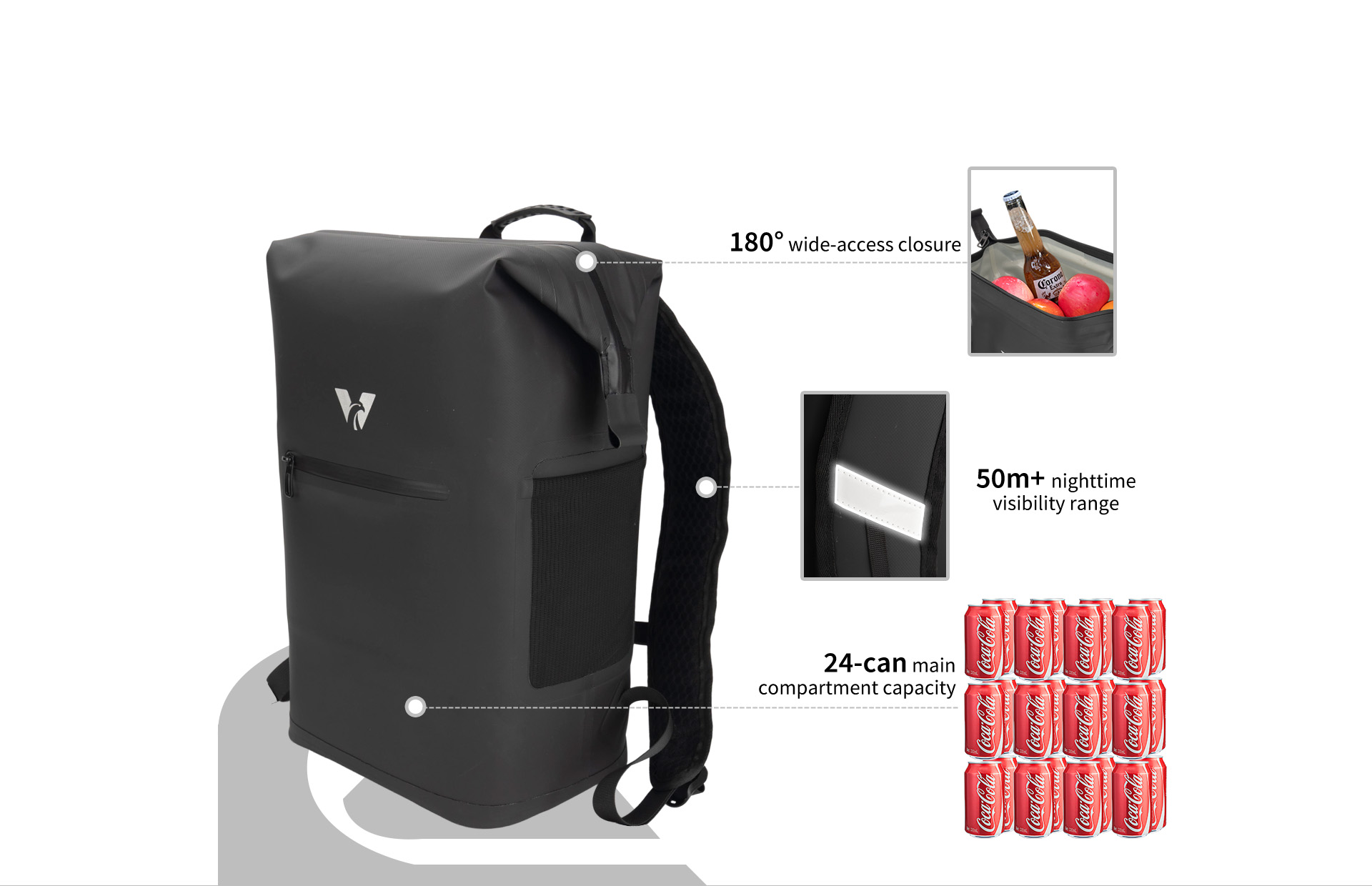
Meeting 2026 IP68 expectations takes more than basic dry-bag assembly. It calls for molecular-level RF welding, oil-resistant materials, and specialized pressure testing. Choosing a qualified manufacturing partner helps you eliminate warranty claims, safeguard your brand reputation, and deliver reliable marine accessories.
Brands around the globe count on weierken for technical marine bag production, custom tooling support, and strict quality control. As a focused high frequency welded marine pouch manufacturer, we help turnkey clients turn challenging designs into market-ready products.
Planning your next product line? Request a quote or contact our engineering team today to schedule a DFM review and request functional test samples.
Frequently Asked Questions (FAQ)
1. What makes a waterproof pouch for Personal Watercraft (PWC) different from standard dry bags?
Standard dry bags rely on simple roll-top closures and light PVC materials designed for static immersion. A PWC pouch uses heavy-duty TPU, high-frequency welded seams, and airtight zippers to withstand violent wave impacts, engine oil exposure, and intense vibration at speeds over 60 mph.
2. Can jet ski pouch manufacturers customize bags for specific models like Sea-Doo or Yamaha?
Yes. OEM/ODM manufacturers create custom tooling for mounting brackets, molded backplates, and quick-release straps designed to match specific PWC handlebars, dashboards, and deck rails.
3. What materials work best for high-speed marine pouches?
Polyether-based Thermoplastic Polyurethane (TPU) is the premier material choice. It offers superior optical clarity, stays flexible in cold water, resists yellowing under UV light, and tolerates exposure to gasoline, motor oil, and salt spray better than traditional PVC.
4. How do you verify IP68 airtight claims before placing a bulk order?
Ask the factory for official third-party test reports from recognized labs like SGS or TÜV. Additionally, verify if the supplier conducts 100% positive and negative pressure chamber testing on production lines before shipping goods.
5. What is the typical minimum order quantity (MOQ) when working with an Airtight PWC handlebar bag OEM?
MOQs vary depending on custom fabric colors and hardware specifications. Standard custom orders typically range from 500 to 1,000 units per style, though some factories offer lower initial runs for custom prototype projects.
6. How does weierken ensure touchscreen responsiveness through heavy TPU windows?
weierken uses precision 0.3mm to 0.5mm optical-grade TPU films paired with an anti-tack inner micro-texture. This engineering stops the film from sticking to device screens while maintaining smooth touch tracking, even when riders wear damp gloves.