
Global travel patterns are undergoing a permanent transformation. As we look toward 2026, consumer expectations for carry-ons, travel duffels, and utility backpacks are shifting toward multi-functionality, extreme durability, and environmental responsibility. For sourcing directors, product managers, and brand founders, staying competitive requires strategic choices in design, raw material selection, and manufacturing agility.
Navigating these shifting market dynamics poses a constant challenge for growing luggage brands. Retail buyers demand faster product refreshes, while consumers expect premium performance without excessive price markups. Meeting these demands requires a reliable partner who understands technical construction and market movements.
This is where an experienced odm travel bag partner becomes an essential strategic asset. Companies like Weierken help global brands bridge the gap between initial design concepts and retail-ready finished goods, cutting development timelines and reducing supply chain risks.
1. The Rise of Bleisure and Outdoor Fusion Design
The boundary separating corporate travel from outdoor recreation has practically vanished. Modern professionals regularly combine business trips with weekend hiking, camping, or city exploration. Consequently, consumers no longer want to pack separate bags for work and leisure activities.
They want a single, adaptable gear carrier that looks polished in an airport lounge or corporate board room while performing flawlessly on a rainy trail. This hybrid shift drives the primary design choices for 2026 luggage collections.
Key Design Elements for Hybrid Travel Bags
Modular Interior Layouts: Removable laptop sleeves, magnetic dividers, and expandable compartments that separate clean clothes from dirty footwear.
Weatherproof Outer Shells: Sleek matte-finish fabrics that resist abrasion, rain, and stain buildup without looking like military surplus gear.
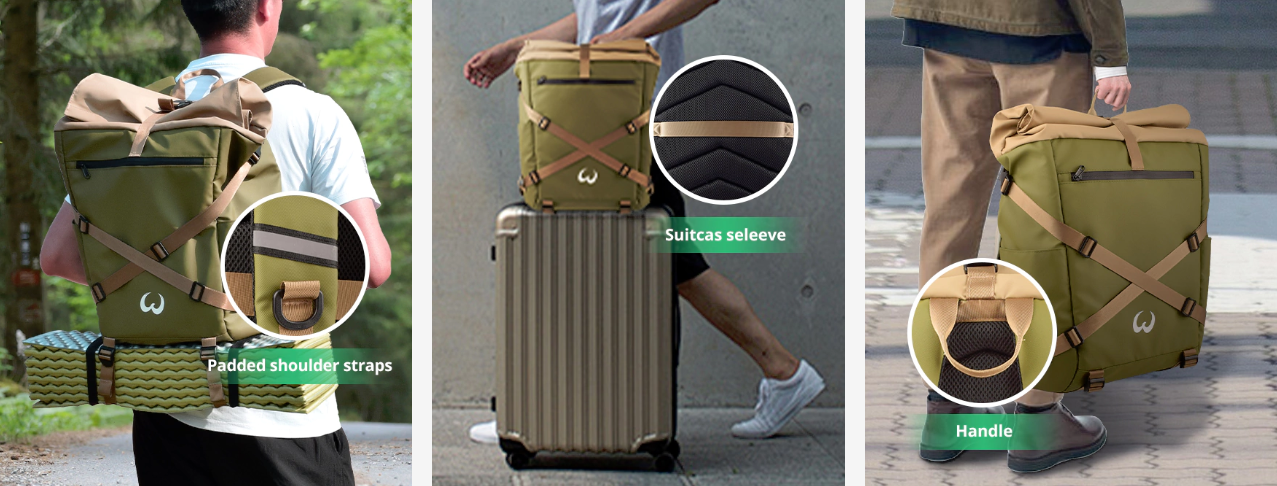
Ergonomic Carry Systems: Concealable shoulder straps, sternum support, and breathable air-mesh back panels for long transit days.
Minimalist Exterior Aesthetics: Clean silhouette profiles, concealed zippers, and subtle trim accents suitable for executive settings.
How Weierken Delivers Hybrid Bag Solutions
With over two decades of experience in custom travel bag design, Weierken combines outdoor technical construction with urban aesthetic trends. Our specialized engineering team develops flexible bag structures that transition effortlessly between professional office settings and rugged outdoor environments.
2. Sustainability 2.0: Environmental Compliance as a Market Entry Requirement
Environmental sustainability has moved beyond voluntary marketing stories. By 2026, strict international regulations across Europe and North America will enforce recycled content standards, chemical safety rules, and supply chain transparency. Brands that fail to adopt certified eco-friendly materials risk facing regulatory barriers and lost consumer trust.
Adopting sustainable production methods protects your market access while appealing to modern eco-conscious travelers. Forward-thinking brands are rebuilding their product lineups around fully traceable, certified eco-materials.
Essential Sustainable Materials for 2026 Luggage Trends
GRS-Certified Recycled Fabrics: High-density recycled polyester (RPET) and recycled nylon woven from post-consumer waste.
PFC-Free Water-Repellent Finishes: Fluorocarbon-free coatings that deliver excellent moisture protection without toxic chemical runoff.
Recyclable TPU Linings: Plant-based or recyclable thermoplastic polyurethane films that replace traditional PVC coatings.
Eco-Friendly Trims and Hardware: Recycled zip tapes, zinc alloy hardware, and post-consumer plastic buckles designed for high mechanical durability.
Green ODM Manufacturing Solutions
As a progressive travel bag manufacturer, Weierken builds environmental responsibility directly into raw material sourcing. We maintain a pre-certified inventory of GRS fabrics, eco-coatings, and recycled components, allowing your brand to launch sustainable ODM bags without long raw material development delays.
3. Extreme Durability and Waterproof Technology
Unpredictable weather and active travel habits have made weatherproofing a mandatory feature rather than a luxury upgrade. Consumers carry expensive electronics, cameras, and personal gear that require total protection from heavy downpours, sea spray, and mud.
Standard water-resistant sprays no longer satisfy demanding buyers. The market demands advanced technical construction methods originally developed for extreme outdoor equipment.
Technical Innovations in Travel Bag Construction
High-Frequency Welding (HF Welding): Fusing coated synthetic fabrics using electromagnetic heat to eliminate needle holes and create completely leakproof seams.
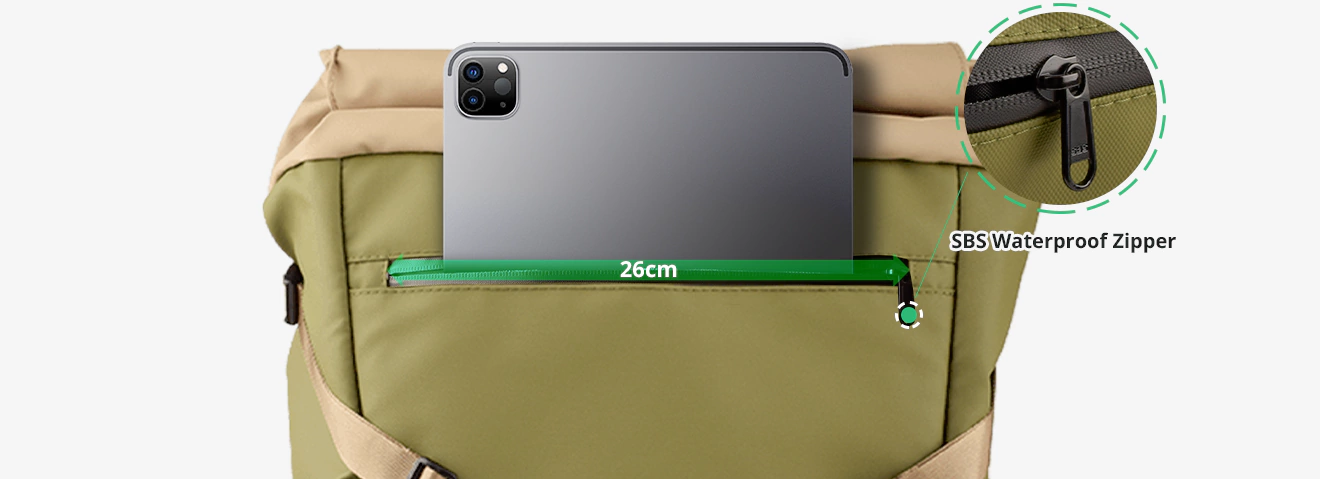
Airtight and Watertight Zippers: Specialized tooth profiles and polyurethane tapes that prevent water ingress during intense rainstorms.
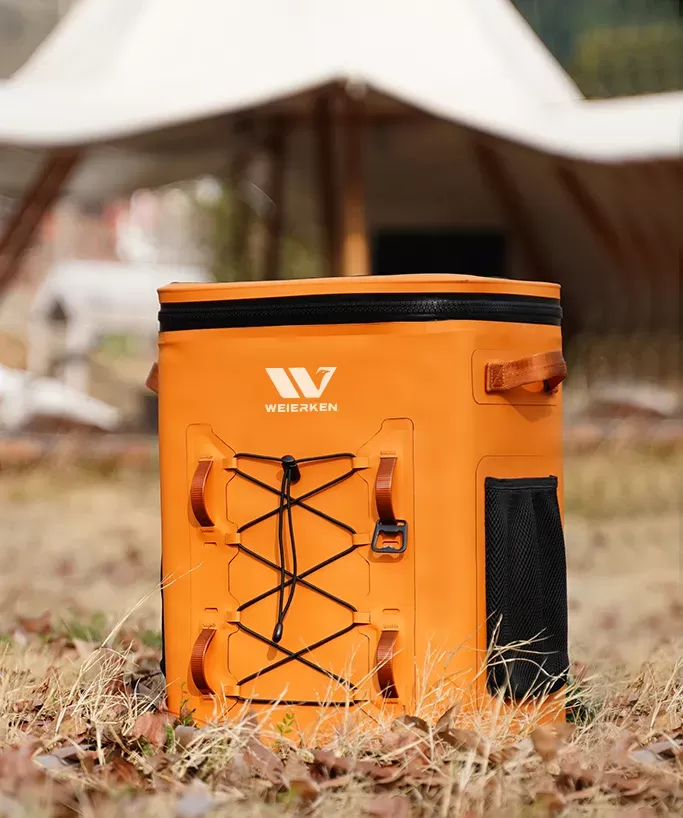
Insulated Segment Integration: Incorporating leakproof thermal cooler compartments into travel bags for perishable items, cold beverages, or wet gear storage.
Heavy-Duty Reinforced Bases: Thick TPU or Hypalon bottom panels that withstand rough gravel, wet pavement, and baggage handler wear.
Integrating Technical Capabilities
Leveraging deep technical manufacturing experience as a specialized waterproof travel bag supplier and insulated cooler bag manufacturer, Weierken incorporates advanced welding and thermal liner technologies into modern travel bags. This crossover manufacturing expertise allows brands to enter technical performance segments with full confidence.
4. Supply Chain Resilience: The Strategic Value of Dual-Sourcing
Trade tariff volatility, geopolitical tension, and regional logistics bottlenecks have highlighted the danger of relying on a single manufacturing origin. Luggage brand executives must build resilient supply chains that offer cost predictability, trade compliance, and guaranteed production output.
Partnering with a dual-sourcing bag manufacturer operating in multiple Asian countries has become a core risk mitigation strategy for global brands preparing for 2026.
Advantages of a China + Cambodia Production Strategy
Tariff Optimization: Producing goods in Cambodia provides duty-free or preferential tariff benefits when importing into major Western markets under active trade agreements.
Advanced R&D Capabilities: Utilizing China's mature industrial ecosystem for rapid material sourcing, complex sampling, and intricate technical prototyping.
Mass Capacity Scaling: Distributing large volume orders across multiple facilities to meet tight delivery windows during seasonal peaks.
Operational Risk Diversification: Ensuring uninterrupted manufacturing continuity even if one region experiences shipping delays or power restrictions.
Weierken’s Global Manufacturing Infrastructure
Weierken operates state-of-the-art production facilities spanning more than 80,000 square meters, supported by 3,000 skilled workers across China and Cambodia. This balanced dual-base setup serves over 2,000 global luggage brands, providing tariff-advantaged shipping, flexible capacity, and consistent quality assurance.
5. Rapid Turnaround and Custom R&D Support
Retail market cycles are moving faster than ever before. To capture emerging consumer trends, luggage brands must shorten their product development cycle from initial sketch to warehouse delivery. Working with a traditional vendor that takes months to deliver a revised prototype is no longer viable.
Brands need an agile ODM partner that functions as an internal engineering team—offering rapid prototyping, material innovation, and automated production workflows.
What to Expect from a Modern B2B Bag Factory
Fast-Track Prototyping: Converting 2D tech packs or rough design ideas into physical 3D sample prototypes within 5 to 7 business days.
Design for Manufacturability (DFM): Analyzing panel layouts, stitch counts, and material utilization to reduce unit costs without sacrificing visual quality.
In-House Physical Quality Control: Testing pull handles, seam strength, zipper cycles, and fabric tear resistance inside certified testing labs.
End-to-End Account Oversight: Assigning dedicated project engineers to manage your custom odm travel bag orders from raw fabric weaving to final export container loading.
Streamlined R&D Services with Weierken
Our dedicated R&D center helps brand teams turn ambitious product ideas into reliable commercial products. By utilizing Weierken's extensive library of existing molds, structural patterns, and functional hardware options, your brand can bring new collections to market months ahead of your competitors.
Strategic Takeaways for Luggage Brands in 2026
Succeeding in the 2026 travel market requires a clear strategic focus: responsive multi-functional design, certified eco-friendly materials, robust waterproof construction, and a reliable dual-country manufacturing footprint.
Brand owners who act now to modernise their product lines and secure flexible, duty-optimized manufacturing capacity will capture growing market share while protecting their profit margins.
Whether you need to engineer a seamless outdoor duffel, integrate GRS-certified recycled materials, or optimize your import duty structure through Southeast Asian facilities, choosing the right partner makes all the difference.
Ready to transform your upcoming 2026 product lineup? Partner with Weierken to gain immediate access to advanced technical bag engineering, certified green materials, and stable dual-base capacity. Contact our B2B team today to request a custom manufacturing proposal or order sample prototypes for your brand.
Frequently Asked Questions (FAQ)
1. What is the difference between OEM and ODM travel bag manufacturing?
OEM (Original Equipment Manufacturer) requires the brand to provide full tech packs, patterns, and detailed engineering specifications for the factory to assemble. ODM (Original Design Manufacturer) offers pre-designed, fully engineered product concepts that brands can customize with their own branding, fabric choices, colors, and feature tweaks. Working with an odm travel bag factory drastically reduces your up-front product development costs and shortens time-to-market.
2. How does Weierken's dual-sourcing model in China and Cambodia benefit my brand?
Our dual-sourcing setup combines the best of both regions. We utilize our Chinese facilities for high-tech R&D, complex material sourcing, and quick-turn sampling. Mass production orders can then be manufactured in our Cambodia facility to take advantage of lower labor costs and favorable import tariffs into the US and Europe, saving your brand significant duty expenses.
3. What are the typical Minimum Order Quantities (MOQs) for custom ODM travel bags?
Standard minimum order quantities typically start between 500 to 1,000 pieces per style or colorway, depending on the specific fabric choices and hardware customizations. We offer flexible MOQ structures for established brand collections or specialized high-tech bag lines.
4. Can Weierken supply GRS-certified eco-friendly fabrics for our bag collections?
Yes. Weierken provides a wide selection of Global Recycled Standard (GRS) certified fabrics, including RPET polyester, recycled nylon, organic cotton canvas, and PFC-free water-resistant coatings. We provide full material transaction certificates (TC) to verify your green marketing claims and ensure total regulatory compliance.
5. What is the standard timeline from initial design concept to final delivery?
Our typical development and production schedule follows a streamlined timeline:
Concept & Tech Pack Review: 1 to 2 business days
Sample Prototype Creation: 5 to 7 business days
Sample Approval & Material Ordering: 15 to 20 business days
Mass Manufacturing: 30 to 45 business days (depending on order volume)