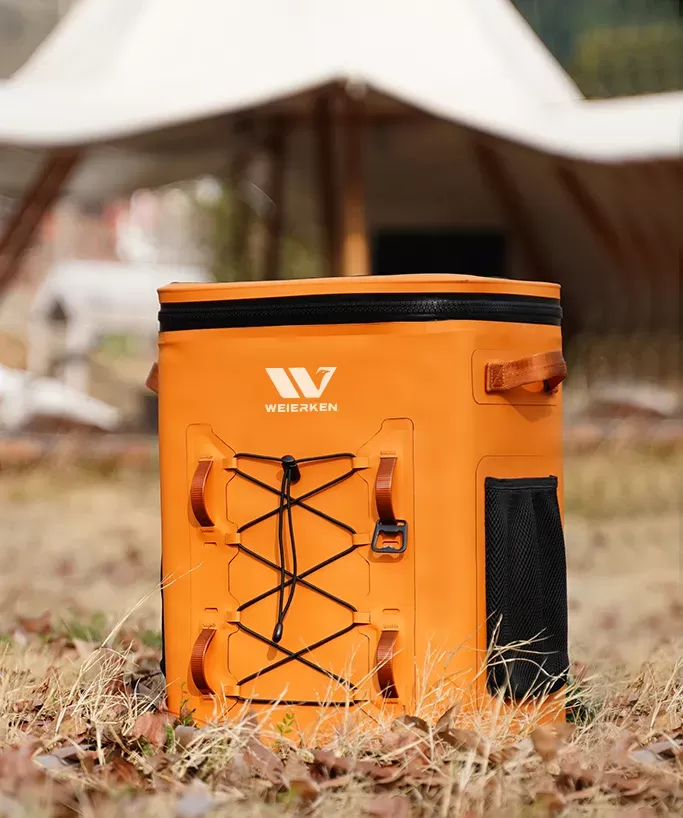


International packaging regulations are tightening rapidly across major global markets. As the European Union enforces its Packaging and Packaging Waste Regulation (PPWR) and North American authorities crack down on misleading environmental claims, corporate buyers face strict sustainability mandates. The global commercial insulated bag market is shifting away from conventional synthetic plastics toward verified recycled textiles and certified non-toxic liners.
For procurement directors in food delivery, grocery retail, and outdoor brands, selecting an insulated bag requires far more than checking basic temperature retention. You must verify chemical safety, prove raw material origins, and ensure reliable leakproof performance under heavy daily use. Navigating these overlapping regulatory requirements can be complex and risky.
Partnering with an experienced odm thermal bag manufacturer helps brands meet aggressive corporate ESG goals while mitigating customs delays and product liability risks. Specialized manufacturing partners like Weierken provide full engineering support, certified sustainable materials, and comprehensive lab testing to keep your supply chain safe and competitive.
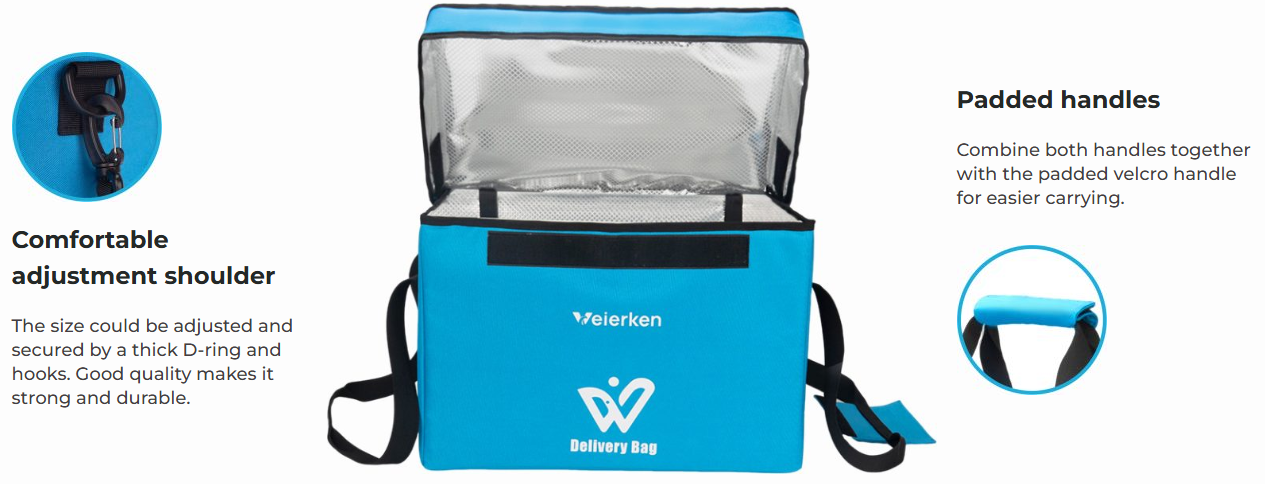
1. Demystifying GRS Certification: Ensuring Raw Material Traceability
Environmental marketing claims now require full verifiable documentation. Regulatory bodies across Europe and North America strictly enforce anti-greenwashing laws. Simply purchasing recycled polyester (RPET) fabric without formal chain-of-custody documentation exposes your brand to severe audit penalties and public backlash.
A authentic Global Recycled Standard (GRS) certification tracks raw material inputs from plastic waste collection all the way to the finished product leaving the assembly line.
What Genuine GRS Certification Requires
Transaction Certificates (TC): Official documentation verifying the exact movement of recycled fiber from raw plastic bottle recycling plants to yarn spinning mills and fabric weaving facilities.
Chain of Custody Tracking: Verifying the precise percentage of recycled versus virgin synthetic fibers used in every production lot.
Social and Environmental Audits: Guaranteeing safe working conditions, fair wages, and zero toxic chemical discharge during textile dyeing and finishing.
Customs Compliance Documentation: Providing fully audited paper trails to clear international customs inspections without delays.
Complete GRS Support with Weierken
Operating as a certified eco-friendly insulated bag factory, Weierken manages the entire GRS transaction certificate workflow. We supply certified documentation for every single production run, giving your brand complete protection during independent ESG audits and anti-greenwashing reviews.
2. Food-Grade Safety Compliance: FDA and LFGB Liner Engineering
The interior liner of an insulated delivery bag comes into direct contact with food packaging, heat condensation, and accidental spills. If thermal bag liners release toxic chemical vapors under heat or crack when exposed to cold temperatures, food safety is severely compromised.
Selecting safe, certified inner liner materials is essential for preventing chemical migration and maintaining high hygiene standards during food transport.
Safe Materials for PEVA Leakproof Thermal Liners
Food-Grade PEVA and EVA: Polyethylene Vinyl Acetate provides high elasticity, remains flexible at freezing temperatures, and releases zero chlorine gas or toxic odors.
BPA and Phthalate-Free Formulations: Completely eliminating harmful plasticizers to satisfy strict European LFGB requirements and US FDA food contact standards.
Thermoplastic TPU Coatings: Offering exceptional puncture resistance and chemical stability for heavy-duty commercial catering and cold-chain delivery applications.
High-Frequency Seamless Welding Technology
Traditional sewn seams create thousands of needle punctures through which liquids leak into internal insulation foam. Trapped moisture fosters bacterial growth, mold, and persistent unpleasant odors inside the bag structure.
100% Leakproof Seals: High-frequency voltage welding fuses PEVA panels into a continuous, watertight internal basin that retains melted ice or spilled liquids indefinitely.
Rapid Interior Cleaning: Smooth, seamless internal surfaces allow courier drivers or consumers to wipe down liners clean in seconds using standard food-safe sanitizers.
Improved Hygiene Controls: Eliminates internal thread lines where grease, crumbs, and bacteria typically accumulate over time.
Our engineering team builds high-performance food-grade thermal bag lines using precision high-frequency welding machines. Every PEVA leakproof thermal liner design undergoes strict factory pressure tests to ensure full LFGB FDA compliant cooler bag performance.
3. Thermal Engineering: Performance without Compromise
A common misconception among procurement officers is that eco-friendly materials weaken thermal insulation performance. Modern textile engineering proves otherwise. By pairing GRS-certified outer fabrics with high-density insulated foam cores, sustainable bags deliver identical or superior temperature retention compared to traditional virgin plastic alternatives.
The 3-Layer Thermal Locking System
Layer 1 (Outer Protective Shell): Durable GRS-certified 600D RPET or recycled nylon treated with a PFC-free water-repellent coating to block rain, dirt, and external wind.
Layer 2 (Core Thermal Barrier): High-density eco-friendly EPE (Expanded Polyethylene) or EVA foam ranging from 5mm to 15mm thick, customized based on target holding times.
Layer 3 (Heat Reflection & Liquid Containment): Food-grade reflective aluminum foil laminated to a seamless PEVA liner, reflecting radiant heat back toward food containers.
Tailored ODM Specifications for Every Market Need
Different commercial uses demand specialized thermal performance profiles:
Express Meal Delivery (30–60 Minutes): Lightweight 5mm EPE foam paired with reflective foil linings engineered for fast motorbike transit.
Grocery and Cold-Chain Transport (2–4 Hours): Reinforced 8mm high-density foam cores with heavy-duty webbing straps for dense fresh produce and dairy transport.
Outdoor Recreation and Catering (24–48 Hours): Thick 15mm closed-cell EVA insulation combined with airtight waterproof zippers for extreme ice retention.
As a trusted custom thermal bag supplier, Weierken validates thermal decay curves using climate-controlled testing chambers, ensuring your finished ODM thermal bag meets your exact temperature targets prior to mass production.
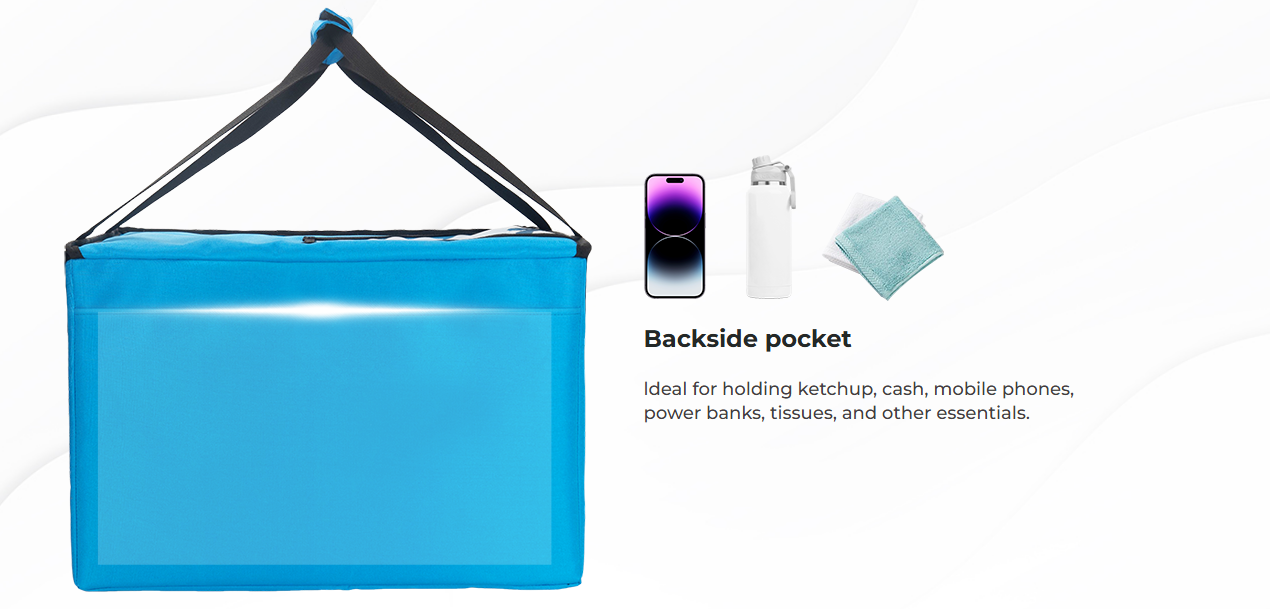
4. Tariff Optimization and Supply Chain Resilience: Dual-Base Manufacturing
Relying on a single manufacturing origin exposes your supply chain to sudden tariff changes, port congestion, and regional policy shifts. Procurement leaders require flexible manufacturing networks that protect profit margins while guaranteeing stable production capacity during peak sales seasons.
Deploying a dual-sourcing model across China and Southeast Asia balances fast product development with duty-free tariff benefits.
Strategic Value of China + Cambodia Manufacturing Facilities
Duty-Free Import Advantages: Manufacturing in Cambodia allows global brands to import finished bags into major North American and European markets under preferential trade tariff frameworks.
Rapid R&D and Raw Material Sourcing: Leveraging China's mature industrial ecosystem for fast material development, custom hardware creation, and rapid sample prototyping.
Scalable Production Lines: Utilizing expanded Cambodia facilities to manage labor-intensive stitching and large-volume assembly lines cost-effectively.
Supply Chain Continuity: Splitting purchase order volumes mitigates single-region factory shutdowns or unexpected shipping port backlogs.
Weierken operates three self-owned manufacturing facilities spanning over 80,000 square meters across China and Cambodia. Supported by 3,000 experienced production staff, Weierken acts as a dependable partner for sustainable B2B bag manufacturing, delivering tariff advantages and guaranteed supply stability for international retail brands.
5. Procurement Checklist: Evaluating Your 2026 ODM Partner
Before issuing large-volume purchase orders for commercial insulated bags, procurement managers should evaluate potential partners using this comprehensive compliance and capability checklist:
1. Certified Facility Audits: Does the factory hold active scope certificates for GRS, BSCI, ISO9001, and SMETA social compliance?
2. Independent Chemical Testing: Can the supplier provide recent, traceable FDA, LFGB, REACH, and RoHS lab test reports from independent testing agencies like SGS, Intertek, or TÜV?
3. In-House Quality Testing Equipment: Does the plant perform internal zipper fatigue tests, handle load stress checks, seam leak tests, and thermal chamber decay evaluations?
4. Turnaround Speed: Can the ODM team deliver a fully customized, food-grade sample with verified technical specs within 5 to 7 business days?
5. Tariff and Origin Documentation: Can the manufacturer issue valid Certificates of Origin (Form E or Form A) from Southeast Asian facilities to reduce import duties?
Conclusion & Call to Action
A sustainable odm thermal bag for 2026 represents far more than simple meal delivery gear. It serves as a direct extension of your brand's commitment to food safety, regulatory compliance, and environmental stewardship. Brands that partner with fully certified, technically capable manufacturers build resilient supply chains while securing long-term consumer trust.
Whether you need an LFGB FDA compliant cooler bag for grocery retail, commercial delivery backpacks for delivery fleets, or custom promotional insulated totes, working with an established production partner guarantees success.
Protect your brand and optimize your supply chain today. Contact the Weierken expert team now to request a free GRS material sample swatch kit, review our food-grade testing reports, or receive a competitive manufacturing proposal for your upcoming 2026 collection.
Frequently Asked Questions (FAQ)
1. What makes an ODM thermal bag food-grade compliant?
An odm thermal bag is considered food-grade compliant when all materials coming into direct or indirect contact with food—especially interior liners—are completely non-toxic and free from migrating chemicals. Liners made of high-quality PEVA, EVA, or TPU must pass strict third-party lab testing (such as US FDA 21 CFR or European LFGB tests) to prove they contain no BPA, heavy metals, or hazardous phthalates.
2. Can recycled fabrics like RPET maintain the same strength and thermal insulation as virgin materials?
Yes. GRS-certified recycled polyester (RPET) and recycled nylon undergo advanced refining processes that make their tensile strength and tear resistance equal to virgin synthetic fabrics. When paired with high-density closed-cell EPE or EVA insulation foam, sustainable thermal bags deliver identical thermal barrier performance.
3. How does high-frequency welding prevent leaks in insulated thermal bags?
High-frequency welding uses electromagnetic energy to fuse PEVA or TPU liner sheets at a molecular level without using needles or threads. This creates a completely seamless, liquid-tight bond that prevents melted ice or liquid spills from seeping into the foam insulation core, eliminating bacterial growth and unpleasant odors.
4. What is the minimum order quantity (MOQ) for custom GRS certified thermal bags?
Standard minimum order quantities typically start at 1,000 units per model or colorway. This MOQ allows us to order custom-dyed GRS certified fabrics, run specialized high-frequency welding lines, and issue batch-specific Transaction Certificates (TC) efficiently.
5. How do I verify that the recycled materials used in my order are genuinely GRS certified?
To verify GRS claims, your manufacturer must supply a valid Scope Certificate (SC) proving factory certification, followed by a Transaction Certificate (TC) issued specifically for your raw material shipment by an accredited certification body such as Control Union. Weierken provides full TC documentation for every GRS production batch.